
Published September 13, 2024 · Updated July 27, 2026
On This Page · 10 Sections

Sober Living
Austin
10506 Parkfield Dr, Austin, TX 78758
Recovery from substance abuse is not just about physical healing. It’s a journey of emotional and spiritual recovery, too. One of the most challenging emotions to face during this process is guilt. For many people in recovery, guilt can feel overwhelming, making it hard to move forward. But at Eudaimonia Recovery Homes, we believe in treating the whole person: mind, body, and soul. This includes helping our clients understand and overcome the guilt that often comes with substance abuse recovery and sober living.
How Do I Deal With Guilt and Shame About My Past Behaviors in Recovery?
Start by separating guilt from shame: guilt says “I did something wrong,” while shame says “I am wrong”—and recovery depends on addressing the first without drowning in the second. Acknowledge the harm honestly, make amends where you safely can, and then allow yourself to move forward, because staying trapped in self-condemnation fuels relapse rather than growth.
Practical steps help: talk openly about these feelings in therapy or a support group rather than isolating with them, practice self-compassion, and use your recovery community for perspective and accountability. A structured sober living environment supports this process by surrounding you with peers who understand, and by giving you the daily stability to rebuild self-worth through consistent, positive action. If guilt or shame feels overwhelming, working with a counselor or therapist can make a meaningful difference.
The Nature of Guilt in Recovery
Guilt is a common emotion among those recovering from addiction. It stems from the harmful behaviors and choices made during active addiction. Often, individuals feel guilty for the pain they may have caused their loved ones, or for neglecting personal responsibilities. While guilt is natural, it can become a roadblock if left unaddressed.
However, guilt can also act as a motivator. When handled appropriately, it becomes a source of strength and self-awareness. By recognizing the impact of past actions, individuals in recovery can take proactive steps to make amends and build a better future. But, how can you balance these emotions without letting guilt hinder your recovery?
Managing Guilt Through Comprehensive Care
At Eudaimonia Recovery Homes, we take an evidence-based approach to treatment. Guilt can be a heavy burden, but it’s important to understand that addiction is a disease. Blaming oneself for something that was beyond control does nothing but sabotage recovery. Our goal is to help clients release the weight of guilt by focusing on healing through evidence-based therapies.
In sober living, we emphasize the importance of community and comprehensive care. This not only means addressing physical addiction but also helping individuals work through emotional challenges. Guilt, for instance, can be mitigated by creating an environment where accountability is encouraged, but shame is not allowed to fester.
Transforming Guilt into Growth
Moving beyond guilt requires a shift in perspective. Rather than viewing guilt as something to be avoided, it’s vital to see it as an opportunity for growth. By understanding the emotions surrounding guilt, you can use them to fuel your progress toward long-term sobriety.
In sober living at Eudaimonia Recovery Homes, you’ll learn how to transform guilt into actionable steps. This transformation is part of the long-term treatment process. With our comprehensive and individualized care plans, we help clients identify where guilt is coming from and how they can use it as a tool for improvement. Whether it’s repairing relationships, finding forgiveness, or rebuilding trust, our approach ensures that guilt becomes a stepping stone, not a setback.
Building a Guilt-Free Future in Sober Living
It’s no secret that sustained sobriety requires support. The journey from guilt to freedom doesn’t happen overnight. However, in a structured sober living environment, clients find the encouragement they need to release past mistakes and focus on their recovery journey. This is especially important when working through emotions like guilt, which can rear its head unexpectedly, even years into recovery.
Living in a supportive sober environment, such as our South Austin men’s sober living home, provides the structure and peer accountability that help men work through guilt and rebuild self-worth.
At Eudaimonia Recovery Homes, our programs are built with this in mind. We provide the tools and support necessary to help you tackle these difficult emotions in a healthy way. From counseling services to peer support, we ensure that every individual has the resources they need to successfully navigate the emotional landscape of recovery.
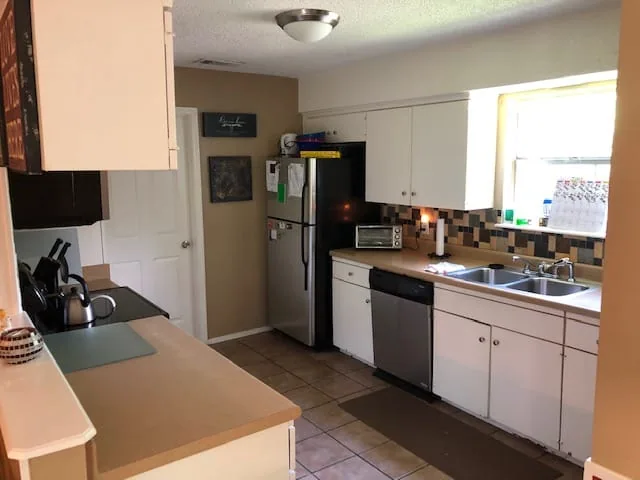
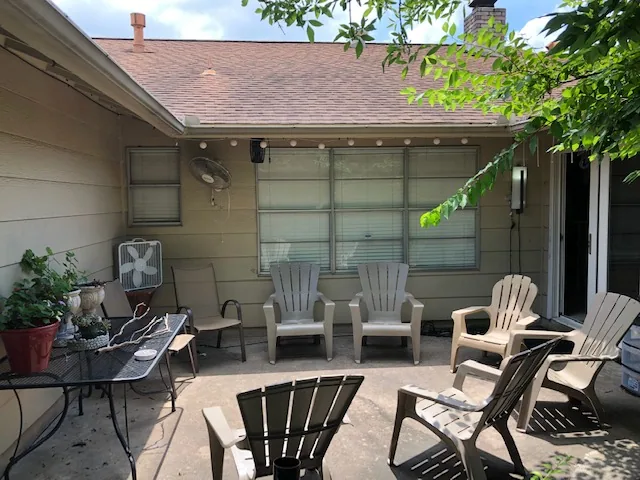
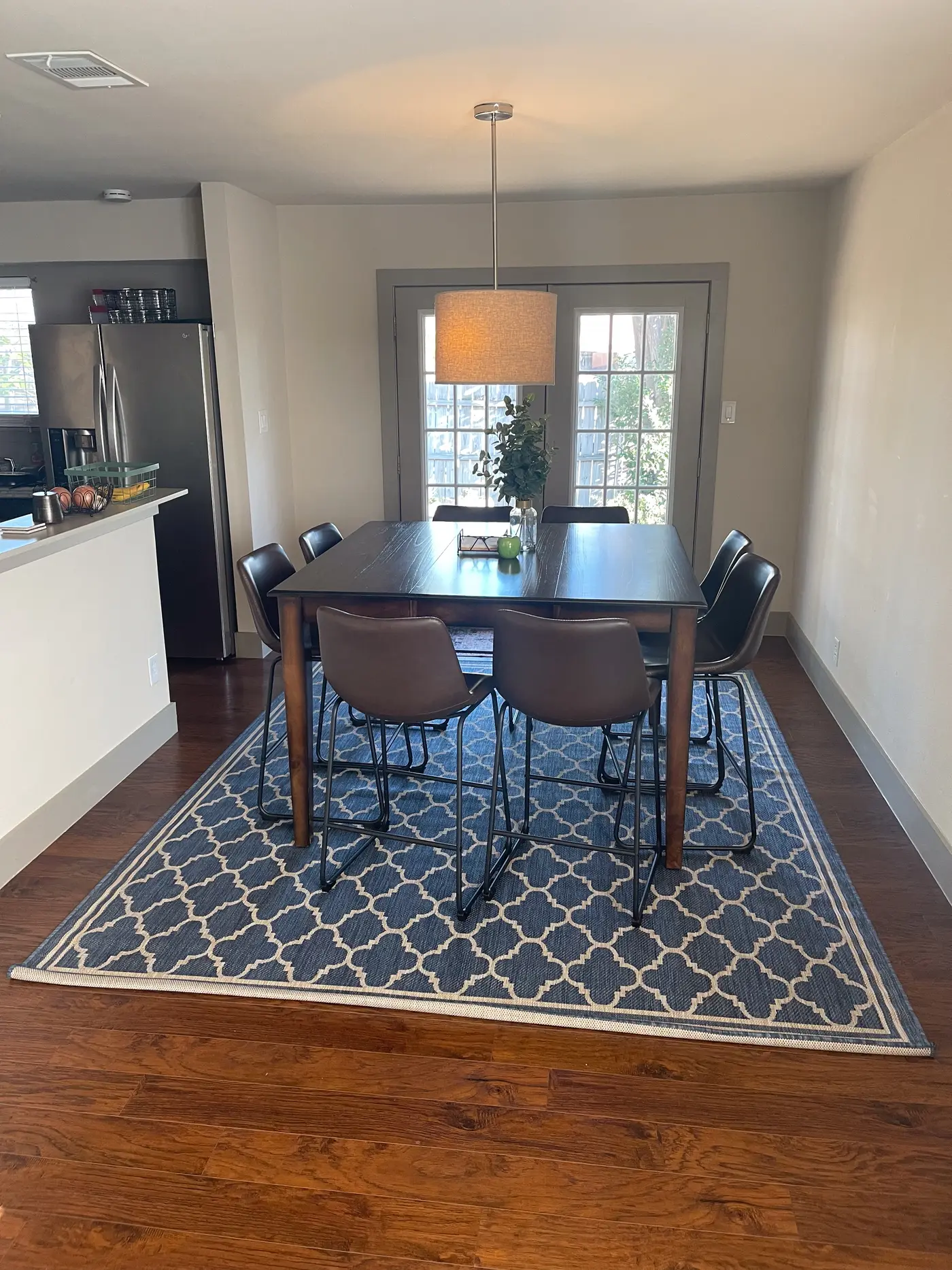
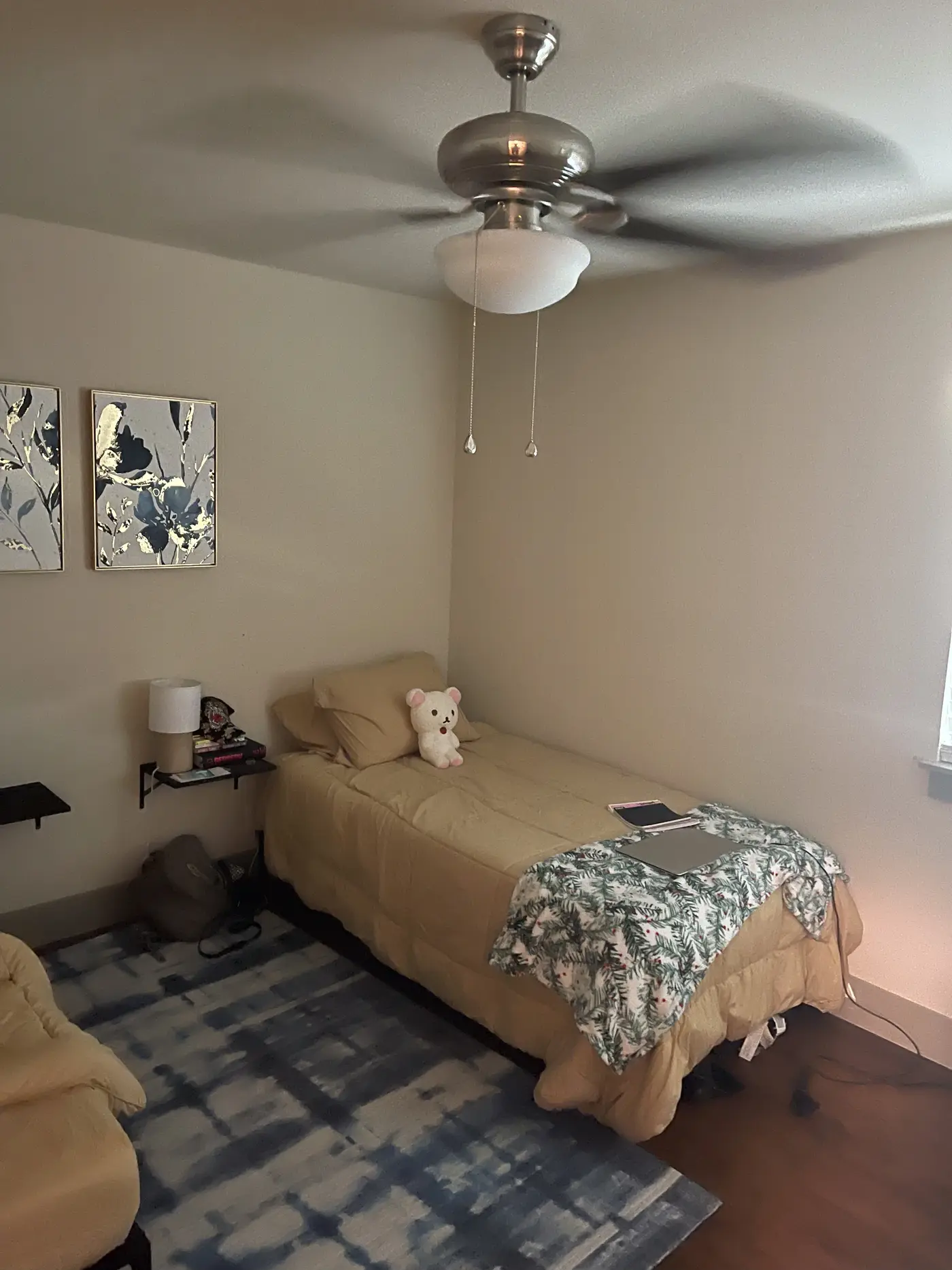
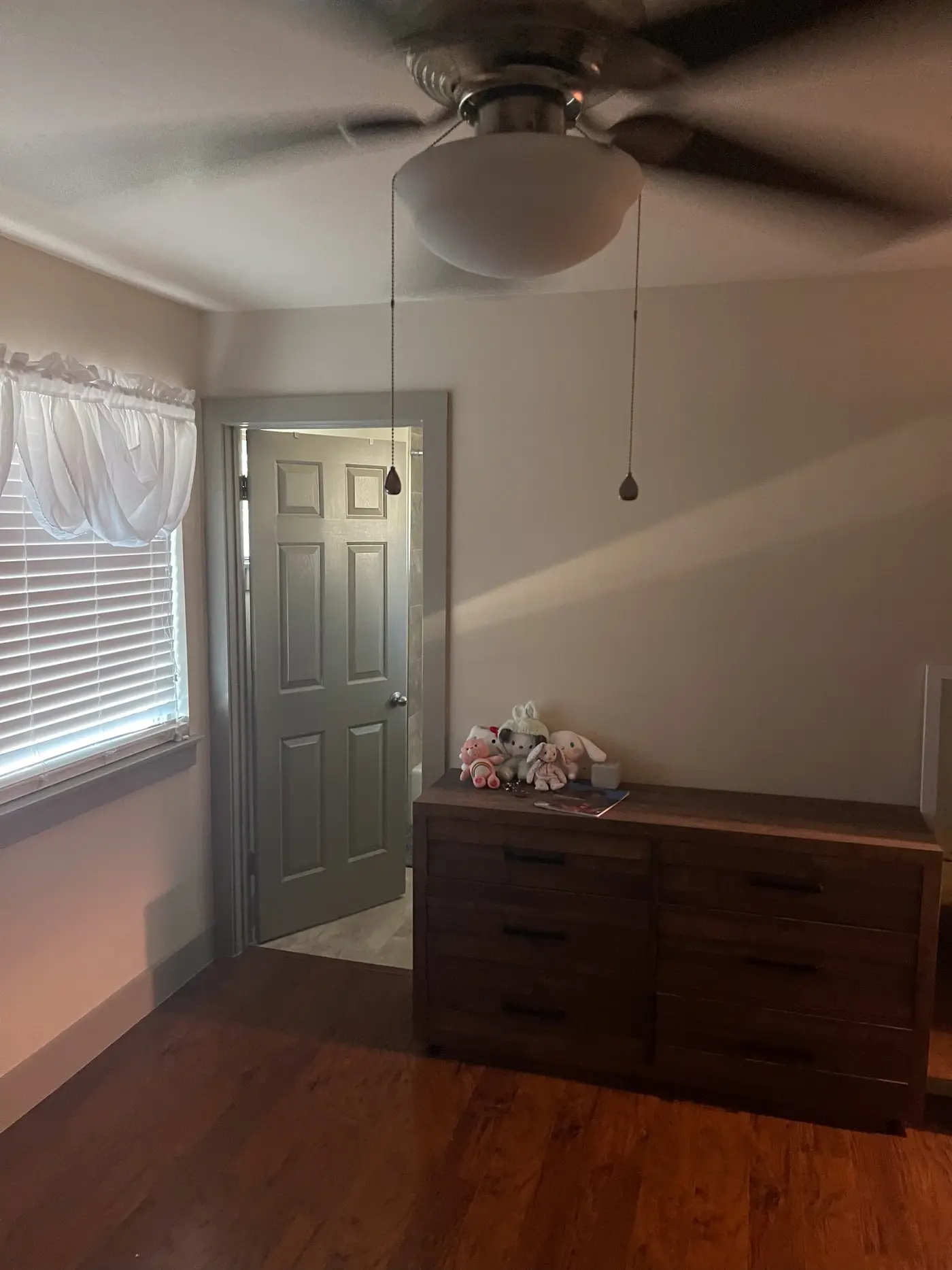
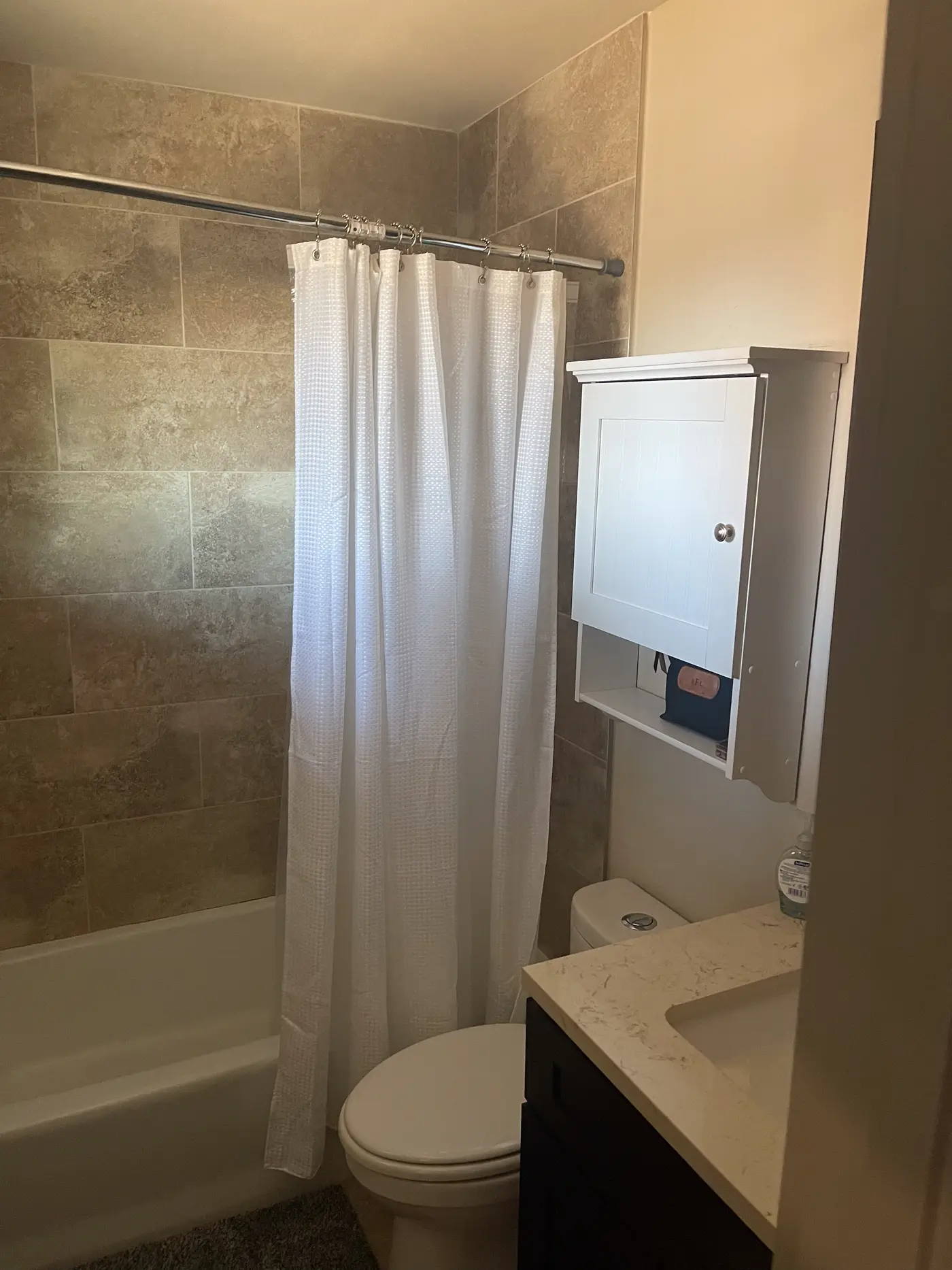
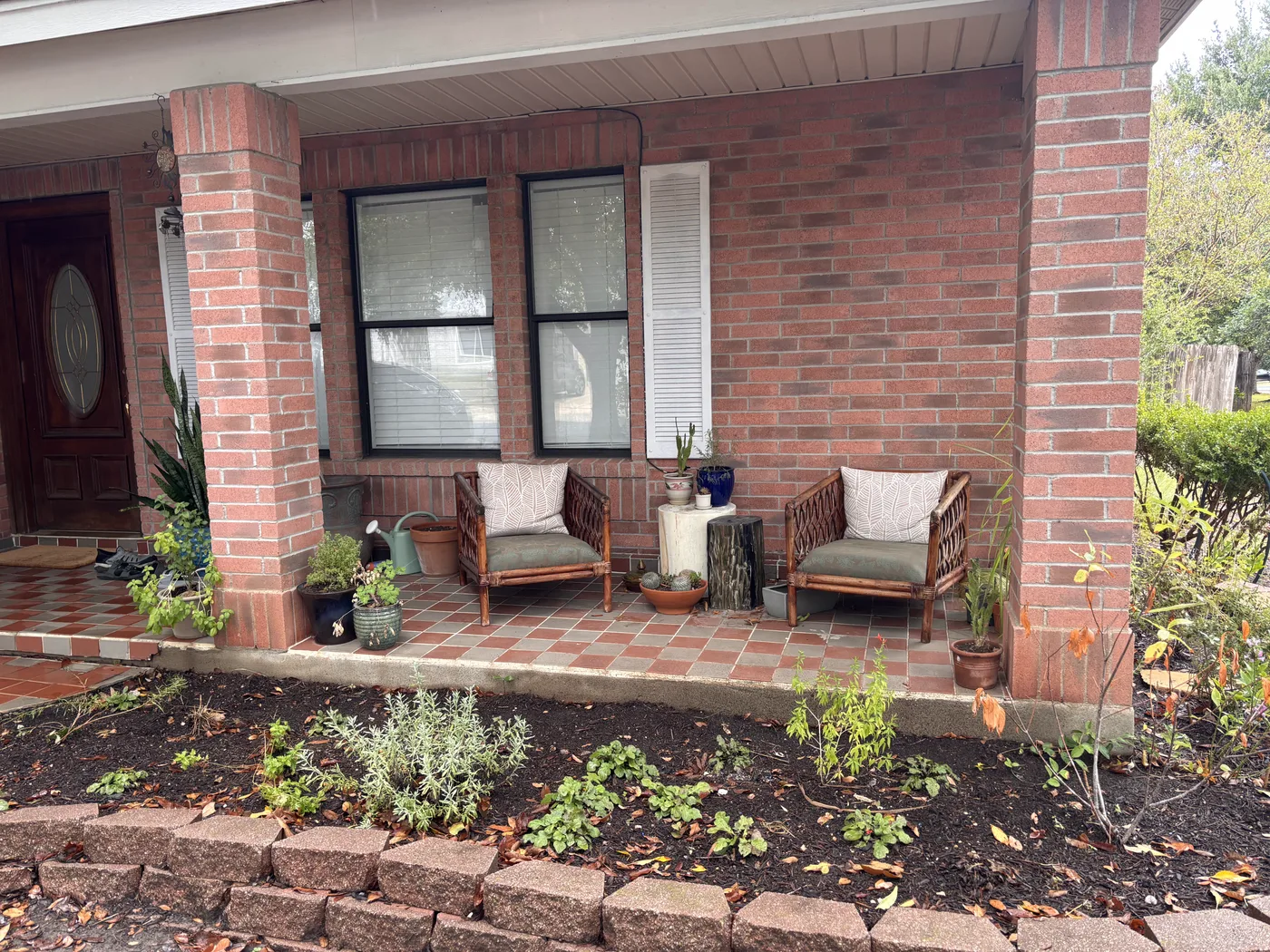
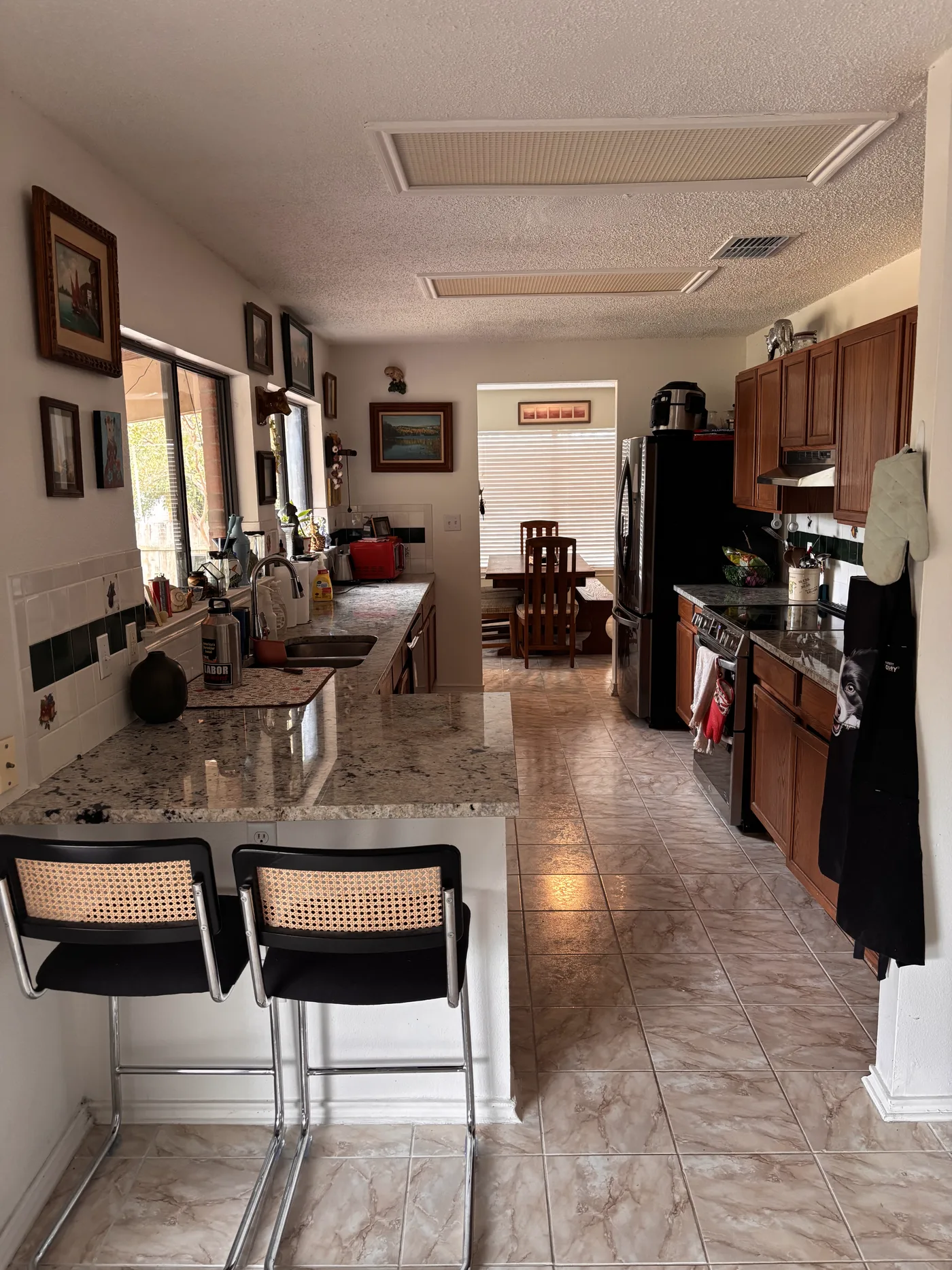
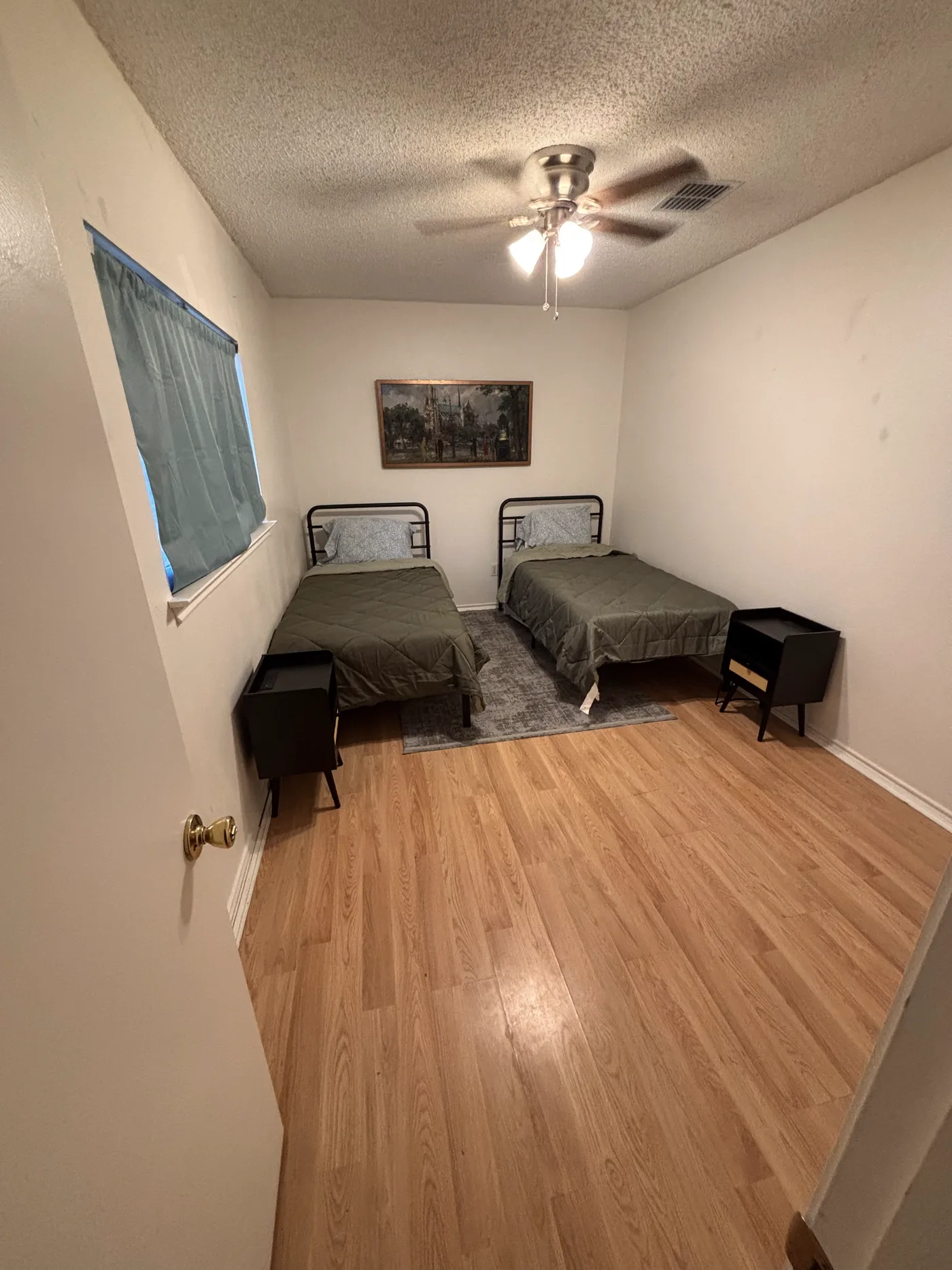
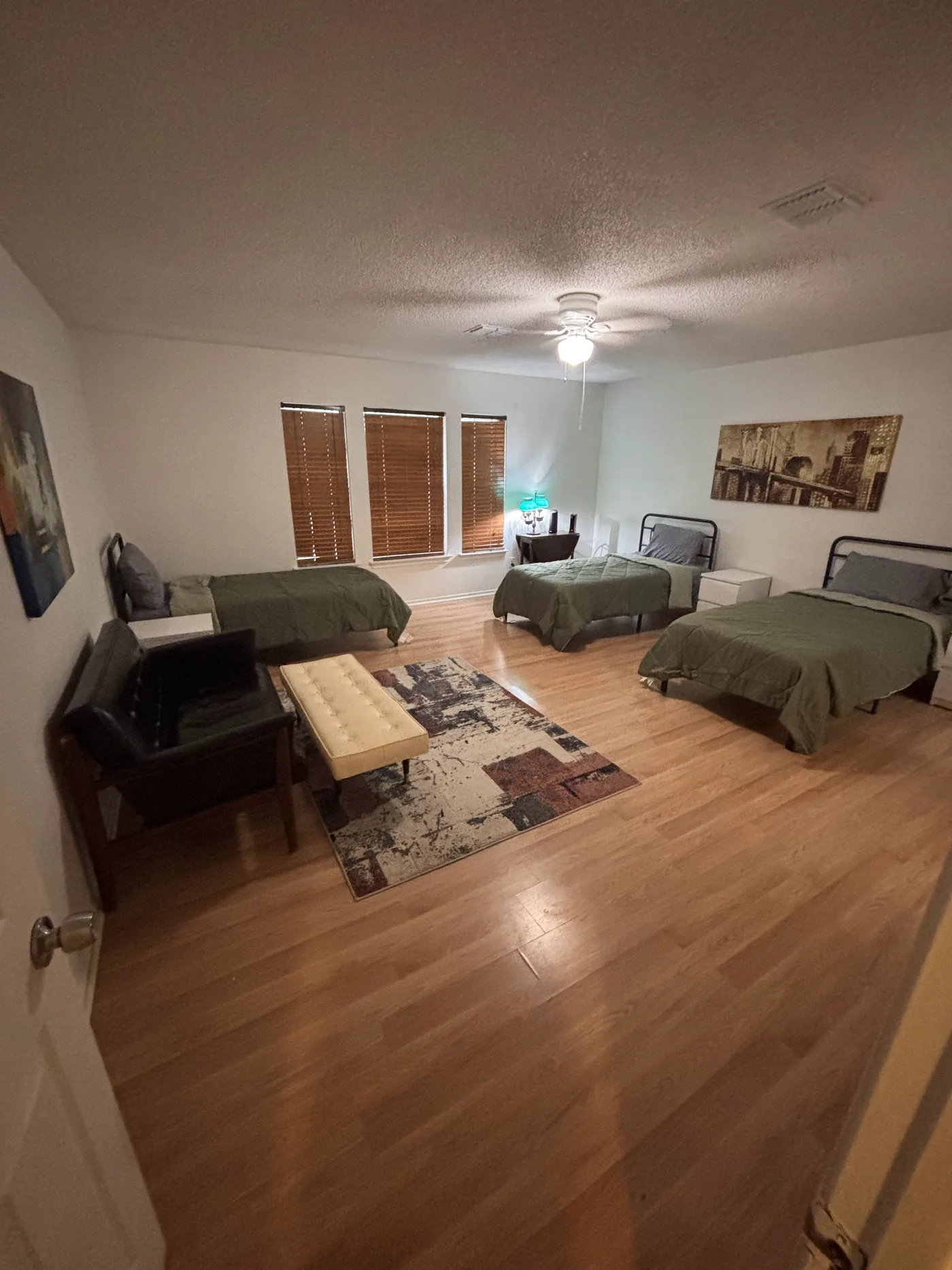
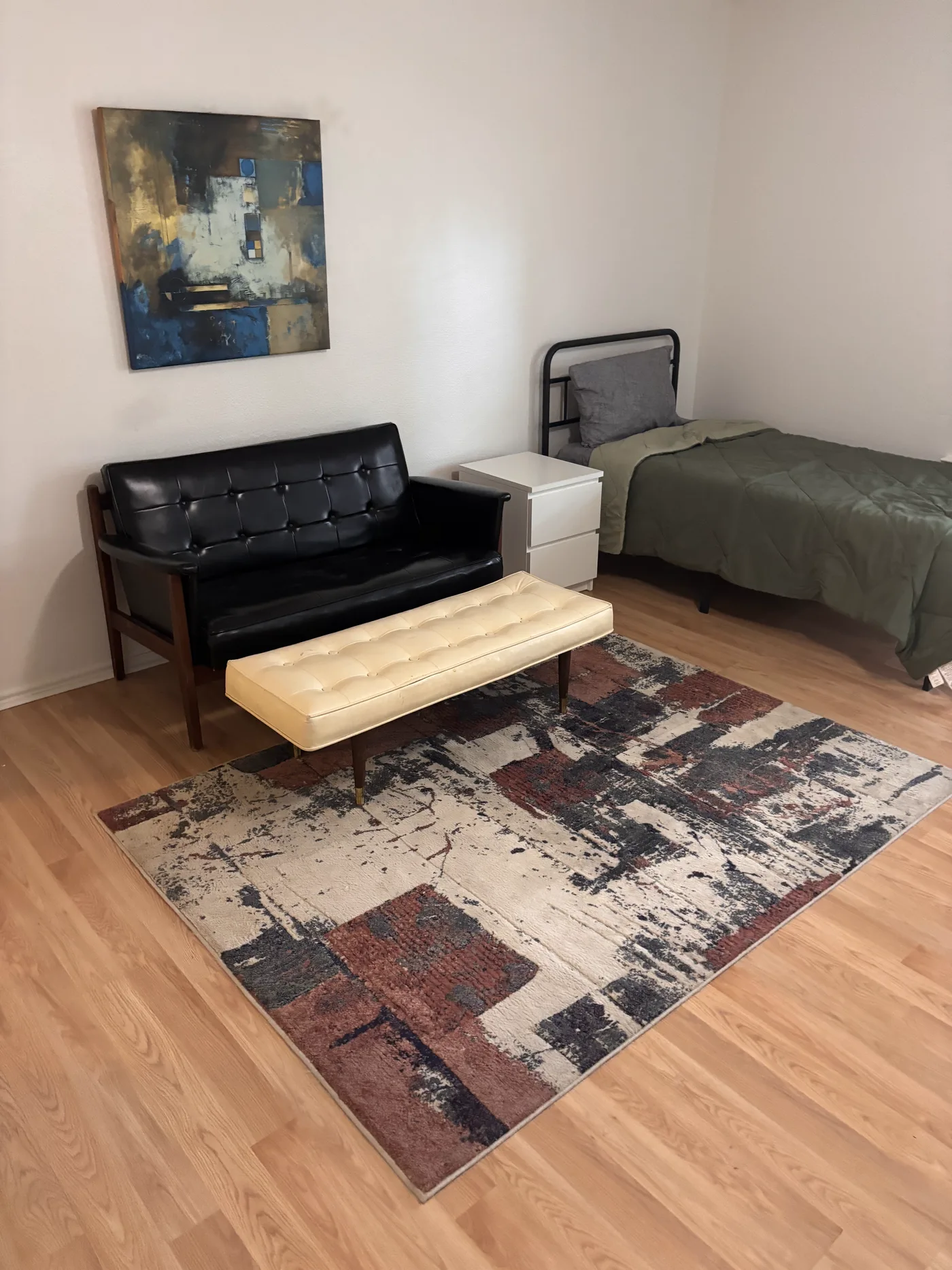
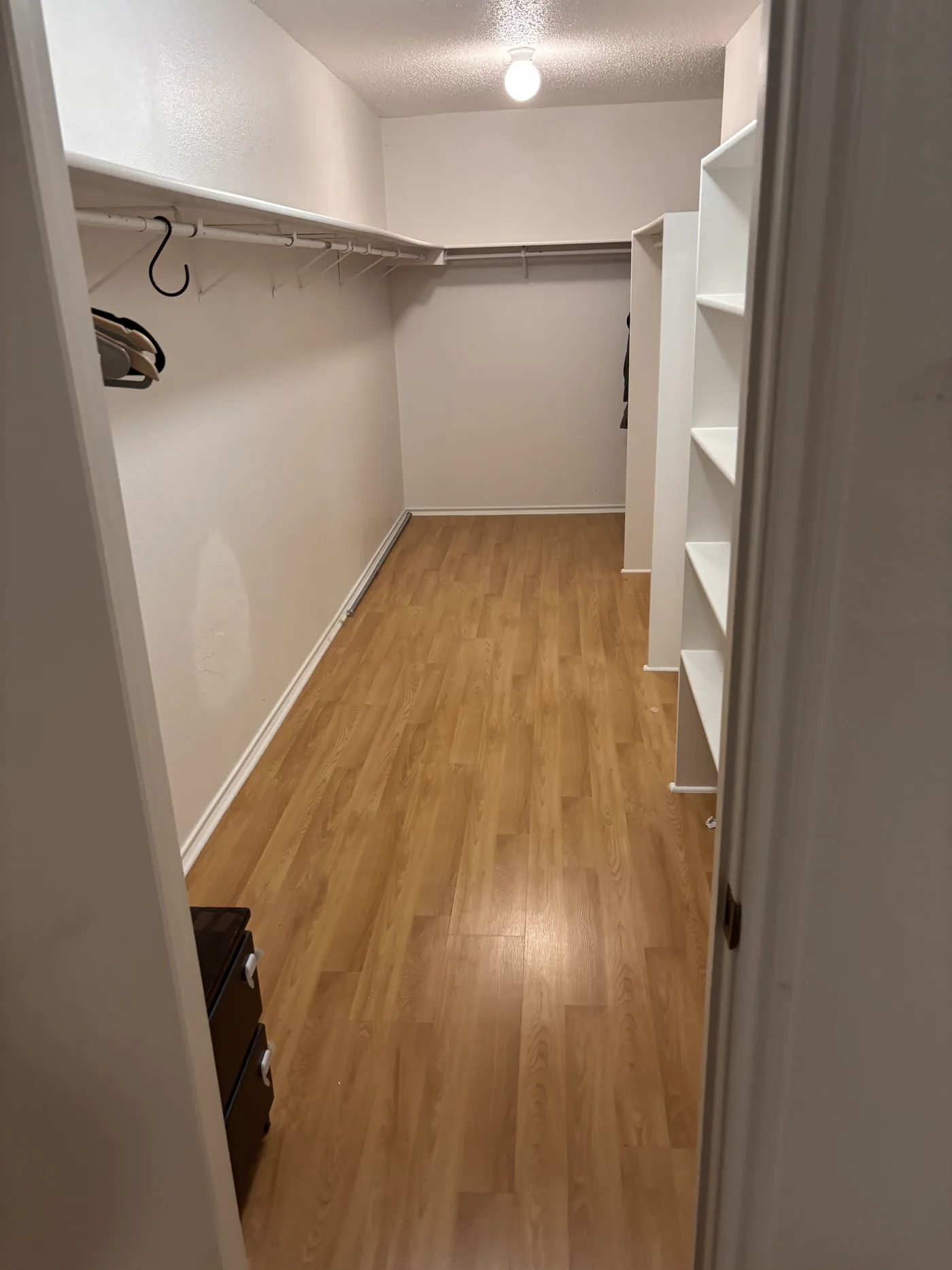
Inside the Austin homes






















The Power of Forgiveness in Overcoming Guilt
A key aspect of overcoming guilt is learning to forgive yourself. Guilt often lingers because individuals feel undeserving of forgiveness. However, part of your recovery journey is realizing that healing is a process of self-compassion. At Eudaimonia Recovery Homes, we integrate evidence-based therapies such as Cognitive Behavioral Therapy (CBT) to help clients develop a healthier mindset. This involves reframing negative thoughts about guilt into positive actions for change.
Through guided therapy and group sessions, we encourage clients to practice self-forgiveness. With our compassionate approach, we focus on breaking down the emotional barriers that keep people trapped in cycles of guilt, offering a chance for true transformation.
Living Guilt-Free: Sober Living in Austin
When guilt is left unresolved, it can lead to relapse. That’s why it’s essential to live in an environment that promotes healing. At Eudaimonia Recovery Homes, our sober living homes provide a space where individuals can focus on rebuilding their lives, free from the distractions of guilt and shame. Our Austin location offers a safe, supportive community dedicated to recovery.
Our approach doesn’t just stop at guilt management. We treat the whole person, integrating therapies that address physical health, emotional well-being, and spiritual growth. As part of our commitment to long-term recovery, we help clients develop the skills they need to continue growing in sobriety, free from the chains of guilt.
Take the Next Step Toward Lasting Sobriety
If you’re struggling with guilt in your recovery journey, know that you’re not alone. At Eudaimonia Recovery Homes, we offer comprehensive, evidence-based treatment that addresses the emotional and psychological challenges of recovery, including guilt. Our Austin sober living programs are designed to help you break free from the weight of your past and build a future that’s grounded in lasting sobriety.
Get Help Today by contacting us for a Confidential Availability Check. Your journey to a guilt-free life starts here.
Eudaimonia Can Help Keep You on the Path to Recovery
Eudaimonia offers excellent recovery programs with tailored care. In these programs, individuals can develop positive coping skills with the tools necessary to maintain sobriety. Eudaimonia even provides tailored care based on gender and orientation. We also include supervised, short-term housing to provide support for newly sober individuals.
But no matter where you are in your recovery, Eudaimonia Sober Living Homes can provide support every step of the way. We have facilities for sober living in Austin, Houston, and Colorado Springs ready to assist you in living your sober lifestyle. Call Eudaimonia Sober Living Homes at (512) 240-6612 for more information on the admissions process and current room availability.


