

Published January 16, 2026 · Updated February 18, 2026
Key Takeaways
- Living with an alcoholicName the pattern, reduce self-blame, and focus on what impacts safety and stability.
- Alcoholics Anonymous and spousesUnderstand what AA can do for the drinker and what spouses still need for themselves.
- Al-Anon for spousesUse partner-focused support to practice boundaries and reduce isolation.
- Talking about helpUse a short, sober conversation plan with clear impact, boundaries, and next steps.
- Handling an angry drunk spousePut safety first, de-escalate, and know when to leave or call 911.
- Coping in Austin, TXBuild routines, support, and non-negotiables that protect you day to day.
- Next stepsConsider higher support, structured living, and family resources when the home situation cannot stay the same.
On This Page · 12 Sections

Sober Living
Austin
10506 Parkfield Dr, Austin, TX 78758
Living with an alcoholic spouse can feel confusing, exhausting, and lonely. You may love your partner and still feel angry, scared, or numb. You may also be trying to protect children, work, money, and basic peace at home.
This guide explains how Alcoholics Anonymous (AA) fits into recovery, what AA for spouses can look like, and where partners in Austin, TX can find support. It also covers practical safety and coping steps for day-to-day life.
Living with an alcoholic: what it means in real life
Living with an alcoholic is not only about alcohol. It is about how alcohol changes routines, communication, and trust. Many couples slide into a pattern of arguments, apologies, and “fresh starts” that do not last.
Problem drinking is sometimes described clinically as alcohol use disorder (AUD). The National Institute on Alcohol Abuse and Alcoholism defines AUD as an impaired ability to stop or control alcohol use despite negative consequences. This overview of AUD can help you put words to what you are seeing without turning your relationship into a debate about labels.
If you are the wife of an alcoholic, or you are coping with an alcoholic wife, you may recognize the same themes. Some partners type “my husband is an alcohol” into a search bar because they are drained and trying to make sense of it. Others search “4 wives of alcoholics” as shorthand for “for wives of alcoholics,” hoping to find advice that feels specific and real.
- You may feel like you are always scanning for mood shifts, hidden bottles, or the next blowup.
- You may cover for the alcoholic spouse at work events, family gatherings, or school functions.
- You may feel torn between protecting your partner and protecting yourself.
- You may start to doubt your memory or judgment after repeated gaslighting or broken promises.
None of these patterns mean you are weak. They mean you have been trying to survive an unstable situation for a long time.
Alcoholics Anonymous and spouses: what AA can and cannot do
Alcoholics Anonymous is a peer support program for people who want to stop drinking. Meetings are usually free, widely available, and based on shared experience. If you want a quick, plain-language explanation, see AA definition and meaning: how Alcoholics Anonymous works.
Partners often ask about “aa for spouses.” Here is the key point: AA is for the person with the drinking problem. It is not designed to treat the spouse’s stress, trauma, or burnout. That does not mean AA is irrelevant to you. It means you need a separate plan for your side of the relationship.
AA can help your partner build accountability, a sober routine, and supportive friendships. It cannot guarantee honesty, emotional safety, or healthy communication at home. Those changes often take time and often involve therapy, medical support, or both.
- If your spouse is willing, you can support them in finding meetings and showing up consistently.
- You can attend open AA meetings to learn how recovery culture works and what “working the program” means.
- You can stop using AA as a scoreboard. Meeting attendance matters, but behavior at home matters too.
It also helps to know what you cannot do. You cannot attend meetings for them, force a sponsor, or prevent relapse by watching closely. If your core question is “how do you help an alcoholic spouse,” start with what you can actually control: boundaries, safety, and the support you build for yourself.
In Austin, TX, AA meetings run throughout the day in many neighborhoods. Many people do best when they treat meetings like a schedule, not a mood-based choice. If your spouse is new, a simple goal can be “one meeting today,” repeated daily for a few weeks.
Some spouses feel let down when drinking stops but irritability stays. This can happen in early sobriety, sometimes called being a “dry drunk.” If your partner is sober but still reactive, you can still use the same tools: calm limits, consistent follow-through, and support for yourself.
Al-Anon for spouses: the support group built for you
When you are dealing with an alcoholic partner, it is common to become hyper-focused on their choices. Al-Anon for spouses is designed to bring your focus back to your own life. It is a peer support group for people affected by someone else’s drinking.
Many people search “al anon for spouses” when they realize they need their own recovery tools too.
Al-Anon is often summarized by the “3 Cs”: you did not cause it, you cannot control it, and you cannot cure it. For many partners, this is the first message that reduces guilt and makes room for clear decisions.
If you want a deeper overview of how meetings help, start with Al-Anon: hope and healing for families of recovering alcoholics. Many spouses notice the first benefit fast: they feel less isolated and less ashamed.
- Al-Anon for spouses helps you detach from chaos without detaching from your values.
- It offers practical tools for coping with alcoholic husband patterns and coping with an alcoholic wife patterns.
- It can reduce isolation and provide support for partners of alcoholics who feel stuck.
Al-Anon is not couples therapy, and it is not an intervention strategy. It is a space to learn from others, practice boundaries, and rebuild your own stability. If you are searching for support groups for spouses of alcoholics in Austin, include Al-Anon in your shortlist. Many partners attend in-person meetings, online meetings, or both, depending on childcare and work schedules.
Eudaimonia's Success Stories – Real People, Real Freedom
How to help an alcoholic husband or wife: a calm conversation plan
If you keep asking “how do I help an alcoholic husband” or “how do you help an alcoholic spouse,” the best starting point is a calm, sober conversation that stays specific. You cannot argue someone into insight. You can describe what is happening and set limits around what you will live with.
Choose a time when your partner is sober, not rushing, and not already defensive. Keep the talk short. Aim for clarity, not intensity. A useful structure is: impact, boundary, next step.
If you are searching how to deal with an alcoholic husband or how to deal with an alcoholic spouse, keep the structure simple and repeat it without escalating. If you are asking how to help an alcoholic partner, think “next step,” not “total fix.”
- Describe impact: “When you drink and come home angry, I feel unsafe and the kids get scared.”
- Use one boundary: “If you yell or throw things, I will leave the house for the night.”
- Offer one next step: “I will help you schedule an assessment or get to an AA meeting.”
- End the loop: “I am not debating how many drinks you had. I am talking about the behavior.”
Partners often want the perfect words for dealing with an alcoholic wife or dealing with an alcoholic husband. The stronger skill is consistency. Say less, repeat the same boundary, and follow through. Repeating is not nagging when the situation keeps repeating.
If your partner accepts help, keep the first step simple. Do not try to solve the whole future in one night. Focus on a next action: a meeting, a call, a medical appointment, or a plan to remove alcohol from the home.





How to deal with an angry drunk spouse: safety first, not persuasion
“How to deal with an angry drunk spouse” is a common search because anger changes the stakes. Alcohol can lower inhibition and increase impulsive behavior. You do not have to stay in a dangerous situation to prove love or loyalty.
If a drinking episode turns into shouting, threats, or intimidation, treat it as a safety issue. You can work on communication later. In the moment, your goal is to reduce risk.
- Create distance: move to another room, go outside, or leave the home if needed.
- Keep your voice low and your words short. Long explanations often inflame the conflict.
- Protect kids from the scene. Kids do not need details, but they do need safety.
- Call 911 if there is violence, threats, weapons, stalking, or you feel in immediate danger.
Many spouses also set “hard lines” that are about safety, not punishment. Examples include: no riding in a car with a drinking driver, no alcohol in the home, and no arguing in front of children. These are not ultimatums to control someone. They are standards to protect the household.
In Austin, consider identifying one safe place you can go at any hour, even if you never use it. Some partners also benefit from a simple “go plan” that keeps keys, medication, and essential documents easy to access.
If your spouse is remorseful the next day, that can be real. It can also be part of the cycle. Let remorse be a reason to accept help, not a reason to drop boundaries.
How to cope with an alcoholic spouse in Austin, TX: routines that protect you
People often ask “how to cope with an alcoholic spouse” like there is one technique that makes the problem disappear. In reality, coping is a set of routines that protect your health while your partner decides what they will do. This matters whether you are the wife of an alcoholic, a husband coping with an alcoholic wife, or a partner in any relationship impacted by alcohol.
- Pick one boundary you can keep. A boundary you enforce once a week becomes a boundary you can trust.
- Stop chasing hidden evidence. Focus on patterns that affect safety, parenting, and finances.
- Build support outside the relationship. Support for spouses of alcoholics works best when it is regular.
- Plan for mornings, not only emergencies. Sleep, meals, and work stability lower your stress load.
If you are trying to figure out how to live with an alcoholic husband, or how to live with an alcoholic wife, clarify what “living with” means for you. For some couples, it means “we do not drink in the home.” For others, it means “we separate when drinking continues.” The right boundary is the one that protects safety and matches your values.
If you keep asking “how do you live with an alcoholic husband,” start with safety and predictable routines, not promises. If you are searching how to cope with an alcoholic wife, the same rule applies: protect your life while she chooses help. If you want to know how to treat an alcoholic husband, remember that treatment is clinical care, not something a spouse can deliver at home.
Partners also wonder how to support an alcoholic husband or how to support an alcoholic partner without enabling. A simple rule is: support recovery behaviors, not drinking behaviors. Driving to a meeting supports recovery. Calling an employer with excuses often supports drinking.
If you are stuck in this gray area, this guide on how enabling works in families affected by addiction can help you spot common patterns and replace them with healthier support.
For Austin and the rest of Texas, you can also review state-run information on treatment and recovery support options. Texas Health and Human Services explains substance use disorder services and provider programs across the state. This Texas HHSC resource can help you understand what types of services exist when you are ready to explore treatment, counseling, or a higher level of care.
If your partner is willing, consider a “two-lane plan” in Austin: AA for daily peer support, plus professional care for assessment, therapy, or medication when needed. This combination can reduce relapse risk and reduce the pressure on the relationship to carry everything.
When you cannot keep living this way: next steps for you and your spouse
At a certain point, the question becomes less about “how to handle alcoholic husband” and more about what your household needs to stay stable. If there is ongoing danger, repeated relapse, or constant chaos, your next step may be bigger than another conversation.
Some spouses fear that changing living arrangements means giving up. In many cases, it means creating the conditions where recovery has a chance. It can also mean you are refusing to normalize harm, especially when children are involved.
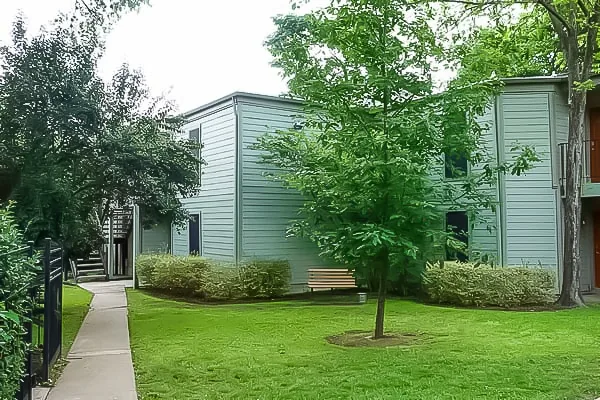
If your loved one needs a structured place to practice sobriety in Austin, learn more about sober living in Austin, TX and how daily routines, accountability, and recovery community can support early recovery.
Families also need support while trust is rebuilt. Eudaimonia’s family support resources are designed to help spouses and relatives get updates, reduce uncertainty, and focus on healthier communication.
If you need immediate guidance finding support and treatment referrals, SAMHSA’s National Helpline is a free, confidential, 24/7 service for individuals and families facing substance use disorders. You can use the SAMHSA helpline to get information and local referral options.
Whether you stay, separate, or rebuild together, you deserve support. Wives of alcoholics and spouses of alcoholics do not have to solve this alone. The next right step is the one that improves safety today and makes recovery possible tomorrow.
How Eudaimonia Recovery Homes Supports Families Living With an Alcoholic Spouse in Austin
Living with an alcoholic spouse can feel like your home is always on edge, especially when broken promises and unpredictable moods become the norm. Eudaimonia Recovery Homes can help by providing structured sober living in Austin, Texas for individuals who are ready to build consistency in recovery through daily routines, accountability, and a peer-supported environment.
When your partner has a stable place to practice sobriety, it can reduce day-to-day chaos at home and give your family room to breathe, reset boundaries, and focus on healthier communication. Sober living can also support follow-through with recovery basics like meeting attendance, responsibilities, and a more predictable schedule, which matters when trust has been strained. For spouses, that structure often means fewer crisis moments and more clarity about what progress looks like over time.
Eudaimonia’s admissions process can help you and your partner understand whether sober living is an appropriate next step based on current needs, stability, and recovery goals. If you’re coping with an alcoholic partner and feel stuck between hope and burnout, having a clear plan for support and housing can make the next step feel more realistic and less overwhelming. Most importantly, it shifts the burden off you as the “manager” of recovery and places it back where it belongs, on a structured recovery path with consistent support.
Your Future Is Waiting
Tell us what you are looking for and admissions will walk you through the houses, the phases, and what a room actually costs.


