

Published December 9, 2025 · Updated April 16, 2026
Key Takeaways
- Understand different housing models so you can clearly tell the difference between halfway houses, sober living homes, and other recovery residences.
- Define your mission early by deciding who you will serve, how the home will operate, and whether you will use a nonprofit or for‑profit business structure.
- Follow a step-by-step plan that covers zoning research, forming a legal entity, choosing and preparing a property, creating house rules, setting a budget, and securing insurance.
- Use Texas quality standards by reviewing recovery‑housing rules, voluntary accreditation, and best‑practice guidelines that protect resident safety and rights.
- Consider alternative models such as sober living homes or other recovery residences in Austin if a traditional halfway house is not the best fit for your goals or local conditions.
- Leverage Eudaimonia’s experience to learn from established recovery homes about daily operations, resident support, and how structured sober living can complement your plans.
- Use the FAQ for quick answers when you need fast guidance on licensing, costs, rules, eligibility, and practical challenges in starting or opening a halfway house.
On This Page · 25 Sections

Sober Living
Austin
10506 Parkfield Dr, Austin, TX 78758
Starting a halfway house in Austin is both a community service and a complex project. You’ll balance zoning laws, safety rules, funding, and staffing while trying to create a stable, recovery‑friendly home. This guide walks through the major steps, with a focus on Texas requirements and local alternatives like sober living and other recovery residences.
What a Halfway House Is (and Isn’t)
A halfway house is a structured, alcohol‑ and drug‑free home for people who are leaving jail, prison, residential treatment, or detox and are not yet ready to live entirely on their own. Residents share chores, follow house rules, and often attend counseling or peer‑support meetings while they work, study, or look for employment.
Federal corrections research describes halfway houses as temporary, community-based residential facilities that provide supervision and services to support people returning from incarceration.
Halfway houses vs. sober living and other options
The terms halfway house, sober living home, and recovery residence are often used interchangeably, but they aren’t always the same:
- Halfway houseMay be connected to the criminal‑justice system or funded by government agencies. Stays can be time‑limited and rules can be stricter.
- Sober living home / recovery residenceUsually privately operated, often without a fixed length of stay. Focus is on sobriety, peer support, and life skills rather than court supervision.
- Treatment facilityProvides clinical services such as medical detox, therapy, or medication management and generally requires a state license.
If your goal is to offer a peer‑supportive home without on‑site medical care, you are likely planning a recovery residence or sober living home rather than a licensed treatment center, even if people casually call it a halfway house.
Key Questions Before You Open a Halfway House
Before you ask, “How do I start a halfway house?” it helps to answer a few big‑picture questions.
Clarify your mission and who you will serve
Most successful homes start with a clear mission and defined population. Common examples include:
- Adults leaving residential addiction treatment
- People on probation or parole
- Women with children
- Young adults in early recovery
Write down why the home exists, who qualifies to live there, and what “success” looks like (for example, 90 days of sobriety, employment, or stable housing on exit). This mission will guide your rules, staffing, and partnerships.
Choose a business model: nonprofit or for‑profit
You can operate a halfway house either as a nonprofit or a for‑profit business. Each approach has trade‑offs:
- NonprofitMay qualify for grants and tax‑deductible donations, but you’ll need a board of directors and more formal reporting.
- For‑profitOffers more flexibility in how you operate and reinvest revenue but usually relies on resident fees and private funding.
Either way, you’ll need a basic business plan that covers costs, staffing, and how the home will stay financially stable over time.
How Do I Start a Halfway House? Step‑by‑Step
This section gives a high‑level roadmap for people who want to open a halfway house in Austin or elsewhere in Texas. Exact requirements vary by city and county, so always confirm details with local officials and a qualified attorney or CPA.
1. Research Austin and Texas rules and zoning
Start with the legal foundation:
- Zoning and land use. Check City of Austin zoning to see where group homes or boarding houses are allowed. Some neighborhoods limit how many unrelated adults can live together or require a special use permit.
- Occupancy and building codes. Fire safety, exits, maximum occupancy, accessibility, and food‑service rules may all apply.
- State law. In Texas, recovery residences that do not provide clinical treatment usually fall under local housing rules rather than state facility licensing. Facilities that provide treatment services must be licensed under the Texas Health and Safety Code.
- Accreditation and funding. Under recent Texas law, recovery homes must be accredited by an approved organization to receive certain state funds.
Document every conversation you have with city planning, code enforcement, and state agencies so you can show good‑faith compliance later.
2. Form a legal entity and governance structure
Once you understand what is allowed, form a business entity that matches your mission and risk tolerance. Many operators choose an LLC or nonprofit corporation to separate personal and business liability.
Key steps include:
- Registering with the Texas Secretary of State
- Obtaining an Employer Identification Number (EIN)
- Drafting basic governing documents (operating agreement or bylaws)
- Setting up a board or advisory group to oversee ethics, safety, and finances
Professional advice from a Texas attorney and accountant is very helpful at this stage.
3. Find, inspect, and prepare your property
Location affects both resident outcomes and neighborhood acceptance. Guides on opening halfway or sober homes recommend looking for properties that are:
- In a safe, residential area with access to bus routes, grocery stores, jobs, and support meetings
- Large enough to provide shared living areas plus private or semi‑private bedrooms
- Structurally sound, well‑maintained, and easy to keep clean
Before purchase or lease, arrange professional inspections and confirm that the intended use complies with zoning and occupancy codes. Plan for any renovations needed to meet safety standards, like upgraded smoke alarms, egress windows, or accessibility improvements.
4. Create house rules, schedules, and programming
All of the top guides emphasize that structure is as important as the building itself.
At minimum, your operations plan should cover:
- Resident eligibility and intake criteria
- House rules around sobriety, curfews, visitors, chores, and respect for others
- Consequences for rule violations, including relapse policies
- Weekly schedules for chores, groups, curfew checks, and community meetings
- How you’ll handle emergencies, grievances, and discharges
For ideas on what a robust schedule and support mix can look like, you can review Eudaimonia’s recovery support services for sober living residents, which combine peer‑led support, phased housing, and help with work or school.
Put these standards in a written handbook that residents sign on admission. Update it as you learn what works in practice.
5. Plan your budget, funding, and accounting
Opening a halfway house requires start‑up capital and ongoing operating funds. Common cost categories include property payments, utilities, insurance, food, staff wages, transportation, and maintenance.
Funding often comes from a mix of:
- Resident program fees or rent
- Grants or contracts (especially for nonprofits)
- Donations from individuals, faith communities, or foundations
- In‑kind contributions such as furniture or volunteer labor
Set up an accounting system from day one so you can track income, expenses, and any restricted funds. Many sources recommend using accounting software and working with a professional bookkeeper or CPA, particularly if you receive grant funding.
6. Secure insurance and risk‑management measures
Standard homeowner policies are usually not enough for a group home. Articles on halfway houses and sober living consistently recommend specialized coverage that includes:
- Property insurance for the building and contents
- General liability coverage
- Professional liability or directors and officers (D&O) coverage for nonprofits
You may also want security cameras in common areas, sign‑in procedures for visitors, and written protocols for medication storage, transportation, and emergencies.
7. Build referral networks and community support
A halfway house rarely operates in isolation. To keep beds filled and residents supported, you will need relationships with:
- Local detox and residential treatment programs
- Outpatient programs and counselors
- Courts, probation and parole officers
- Hospitals, mental‑health clinics, and social‑service agencies
- Peer‑support groups such as 12‑Step or other community meetings
In Central Texas, many homes coordinate with detox and treatment providers so that residents have access to clinical care when needed. Facilities such as Briarwood Detox Center or Nova Recovery Center can be part of that broader continuum of care for people who need medical detox or intensive treatment before entering a recovery residence.
Community outreach is just as important. Meeting with neighborhood associations, faith leaders, and local officials early in the process can help reduce “Not in My Backyard” concerns and show that you intend to be a responsible neighbor.
Eudaimonia's Success Stories – Real People, Real Freedom
Licensing, Accreditation, and Quality Standards in Texas
State rules and voluntary accreditation
Texas has been developing standards for adult substance‑use recovery residences. Under state law, the Health and Human Services Commission was directed to create rules for voluntary accreditation of recovery housing.
More recently, legislation has tied certain state funding to accreditation through approved organizations. Homes that want access to those funds must meet health and safety standards, comply with a code of ethics, and agree to inspections.
Separate from accreditation, guidance for recovery homes in Texas and national best‑practice standards commonly include requirements that a residence:
- Have a valid certificate of occupancy
- Be structurally sound, clean, and free from safety hazards
- Provide enough space, furniture, and supplies for residents
- Maintain a drug‑ and alcohol‑free environment
- Protect residents’ privacy and rights
Many operators pursue certification through networks aligned with the National Alliance for Recovery Residences (NARR). In Texas, the Texas Recovery‑Oriented Housing Network (TROHN) is a key resource for standards and voluntary certification.
The Texas Recovery Oriented Housing Network (TROHN) serves as the statewide affiliate of the National Alliance for Recovery Residences, certifying homes that meet national standards and maintaining a directory and grievance process for recovery housing in Texas.
Why quality standards matter
Certification and strong internal standards serve several purposes:
- They help keep residents safe.
- They make it easier for courts, treatment providers, and families to trust your program.
- They can open doors to contracts, grants, and referral partnerships.
Even if you choose not to seek formal accreditation, using these standards as a checklist is a practical way to evaluate your program.
Halfway House Alternatives in Austin
Because Austin already has a mix of treatment centers, sober living homes, and other recovery resources, some people decide not to open a traditional halfway house at all. Instead, they look at alternatives that can be easier to manage or better aligned with local needs.
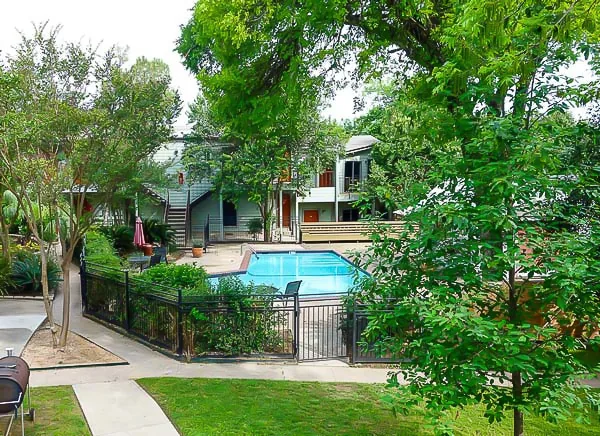
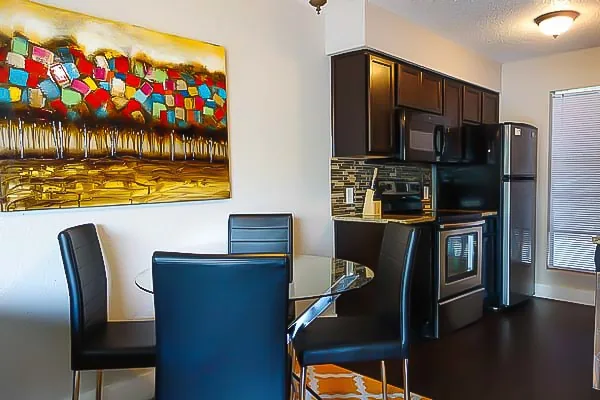
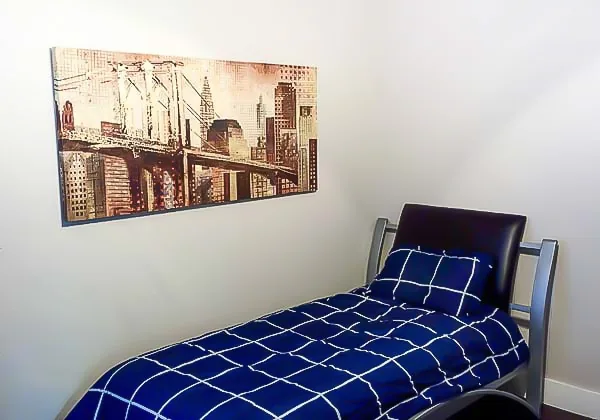
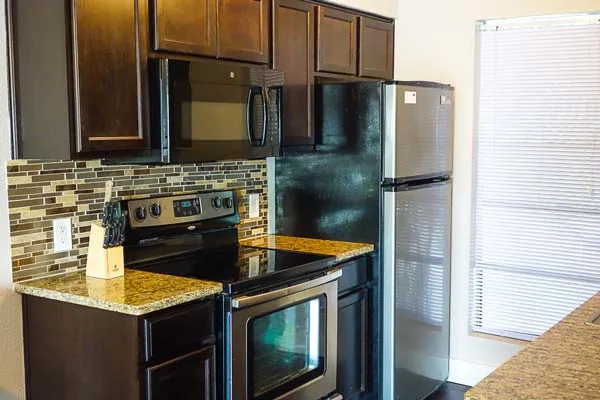
For a concrete example of this type of housing, review Eudaimonia’s sober living homes in Austin, Texas, which combine furnished apartments, peer support, and structured daily routines.
Sober living homes and recovery residences
Sober living homes in Austin operate as alcohol‑ and drug‑free residences where people in recovery share housing, pay rent, and follow house rules, usually without court involvement. Residents may stay for several months or longer, as long as they follow the program and meet financial obligations.
Eudaimonia Recovery Homes offers structured sober living homes in Austin and other cities, with drug‑ and alcohol‑free housing, clear house rules, and tiered recovery programming.
Compared with a traditional halfway house linked to the justice system, a sober living home may offer:
- More flexibility in who you accept
- Less administrative burden around court reporting
- A stronger focus on long‑term sobriety and community support
Recovery housing paired with outpatient treatment
Another option is to operate a recovery residence that partners closely with outpatient or intensive outpatient programs in the Austin area. Residents live in a structured home but receive therapy, case management, or medical care at separate licensed facilities.
This model can:
- Reduce your regulatory burden, since you aren’t providing clinical care on‑site
- Give residents access to evidence‑based treatment while they practice independent living
- Make it easier to coordinate care across detox, residential treatment, and sober living
When an alternative may be a better fit
Opening a classic halfway house may not be the best choice if:
- Your primary interest is long‑term recovery housing rather than justice‑system reentry
- You don’t have the capacity to meet contract and reporting requirements for government‑funded beds
- Zoning or neighborhood resistance makes a larger or more institutional program difficult
In those cases, a smaller sober living home or recovery residence integrated with local treatment providers may accomplish similar goals with fewer barriers.
If you decide a recovery residence is a better fit than a traditional halfway house, Eudaimonia’s guide on how to start a sober living home walks through planning, funding, and day‑to‑day operations in more detail.
How Eudaimonia Recovery Homes Can Support Your Halfway House Plans
Eudaimonia Recovery Homes can be a practical partner if you are exploring how to start a halfway house in Austin. Because they operate structured, recovery‑focused housing, their team understands the day‑to‑day realities of running a safe, sober home. They can share insight on policies, house rules, and staffing models that support accountability while still respecting residents’ independence.
By learning from their experience, you can avoid common mistakes in areas such as admissions criteria, relapse responses, and conflict resolution. Eudaimonia can also point you toward community resources in Austin, including treatment providers, peer‑support meetings, and other organizations that form a strong referral network. If you are still deciding whether to open a traditional halfway house or a sober‑living style residence, their staff can explain how different models work in practice and what type of structure tends to fit various resident needs.
Discussing your goals with people who already manage recovery housing can help you develop a realistic budget, staffing plan, and timeline. While Eudaimonia does not replace legal, financial, or licensing advice, their real‑world experience in Austin’s recovery community can give you a grounded starting point for designing and operating your own home.
Your Future Is Waiting
Tell us what you are looking for and admissions will walk you through the houses, the phases, and what a room actually costs.


