

Published May 14, 2026 · Updated May 15, 2026
On This Page · 8 Sections

Sober Living
Austin
10506 Parkfield Dr, Austin, TX 78758
If you’re searching for sober living financial help in Austin And your bank account is empty, you’re not alone, and you’re not out of options. One of the most common fears people face when leaving treatment or trying to get off the streets is, “How am I going to afford a safe place to live while I’m getting back on my feet?” The good news is that there are real, practical pathways to affordable recovery housing in Austin, even if you have no income or savings right now. This guide walks you through every option available so you can stop worrying about money and start focusing on your recovery.
Why Sober Living Is Worth Fighting to Afford
Before diving into the “how,” it helps to understand the “why.” Sober living homes aren’t just a place to sleep, they’re a structured, supportive environment that dramatically increases your chances of long-term recovery. Research consistently shows that people who transition from treatment into sober living are more likely to maintain sobriety, find stable employment, and rebuild relationships compared to those who return directly to their previous living situation.
In Austin’s fast-paced environment, the temptations and stressors of daily life can be overwhelming in early recovery. A quality sober living home gives you a peer community, built-in accountability, and the time and space to build a sustainable life. If you’re curious about what to expect from a well-run program, the Sober Living Austin Guide is a great place to start understanding your options.
In short: the investment in sober living pays off. And with the right resources, the financial barrier doesn’t have to stop you.
Sober Living Scholarships and Financial Assistance Programs in Texas
Yes, sober living scholarships exist in Texas, and they’re more accessible than most people realize. Here are the main avenues to explore:
- SAMHSA Grants and Block Funding: The Substance Abuse and Mental Health Services Administration (SAMHSA) provides federal funding to states, which Texas distributes through local providers. Some of these funds trickle down to recovery housing programs in the form of subsidized beds or sliding-scale fees. Contact the Texas Health and Human Services Commission (HHSC) to ask about funded recovery housing slots in Austin.
- Texas Health and Human Services (HHS): The state’s HHS department administers several programs for low-income individuals in recovery, including housing vouchers and transitional living support. Their Substance Use Disorder (SUD) services division can connect you with available funding in Travis County.
- Local Nonprofits and Faith-Based Organizations: Austin has a strong network of nonprofits dedicated to recovery support. Organizations like Austin Recovery, Salvation Army Austin, and various faith-based ministries sometimes offer direct financial assistance or can refer you to emergency housing funds specifically for people in recovery.
- Oxford House Self-Support Model: Oxford Houses operate on a self-supporting model with very low weekly fees (typically $100, $170/week) and are democratically run by residents. Some Oxford Houses in Austin have been known to allow short-term deferrals for residents who are actively job-seeking.
- Sober Living Scholarships Through Treatment Centers: If you recently completed a treatment program, ask your discharge planner or case manager directly about scholarships or transitional housing funds. Many treatment facilities have access to funds or partnerships with sober living homes that can reduce or cover your first month’s costs.
Government Benefits and Vouchers That Can Help Cover Housing Costs
Several government programs can help cover the cost of low-income sober living in Austin, even if you haven’t used them before:
- HUD Section 8 / Housing Choice Voucher Program: If you qualify for Section 8, some vouchers can be applied to sober living homes that meet HUD’s habitability standards. The Austin Housing Authority manages this program locally, note that waitlists can be long, so apply immediately even if you need housing now.
- Supportive Services for Veteran Families (SSVF): If you’re a veteran, the VA’s SSVF program provides rapid rehousing and homelessness prevention funds. The Austin VA clinic can connect you with a housing case manager.
- HUD-VASH Program: Another veteran-specific program combining Section 8 vouchers with VA case management. This is specifically designed for veterans experiencing homelessness or housing instability.
- Emergency Assistance Programs: Travis County and the City of Austin both administer emergency rental assistance programs through social services. These aren’t exclusively for recovery housing, but sober living homes are often eligible if they have a lease structure.
- SSI/SSDI: If you have a co-occurring mental health condition or disability, you may qualify for Supplemental Security Income (SSI) or Social Security Disability Insurance (SSDI). These monthly payments can be used toward sober living costs. A social worker or benefits counselor can help you apply.
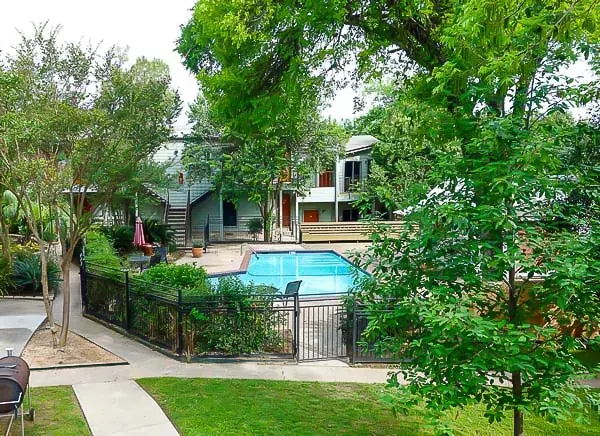
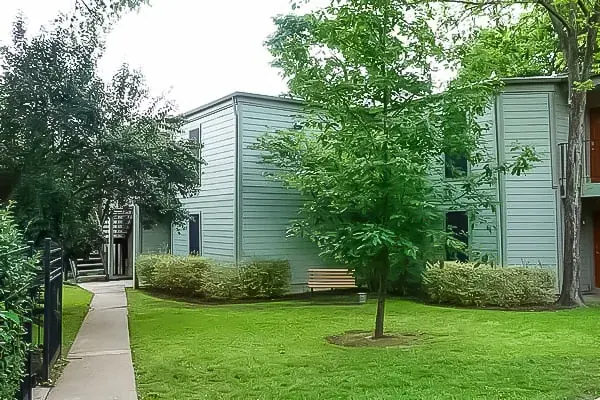
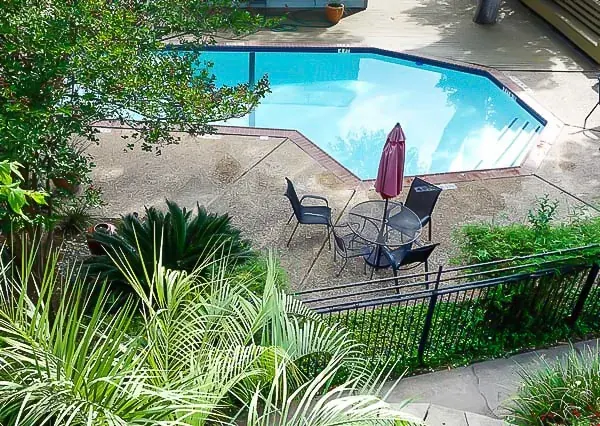
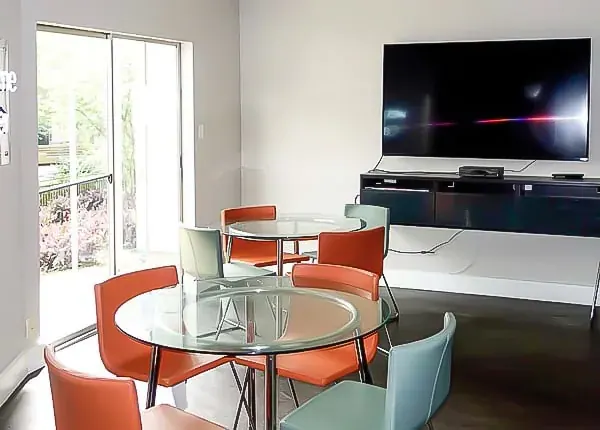
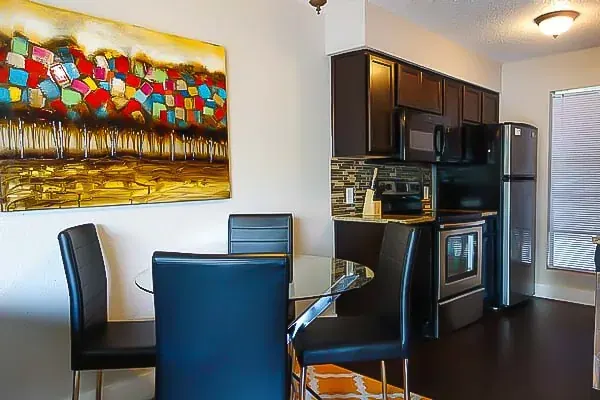
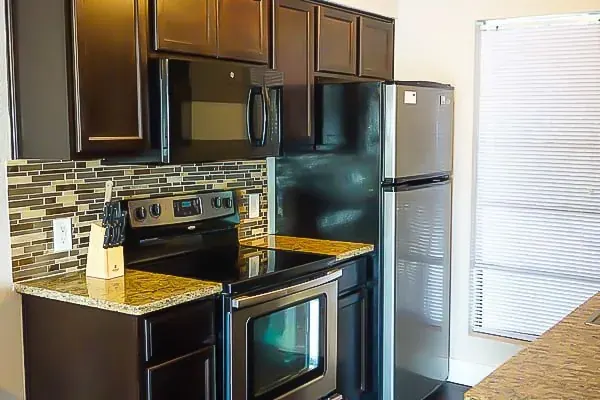
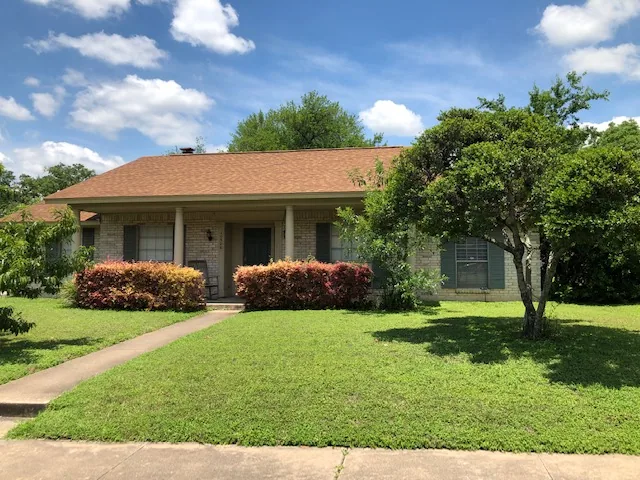
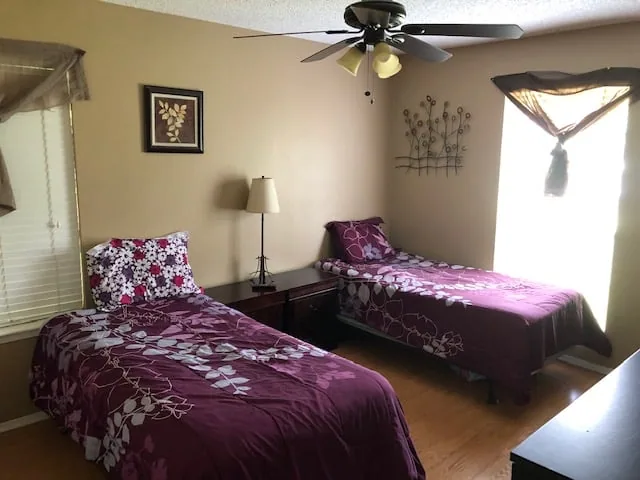
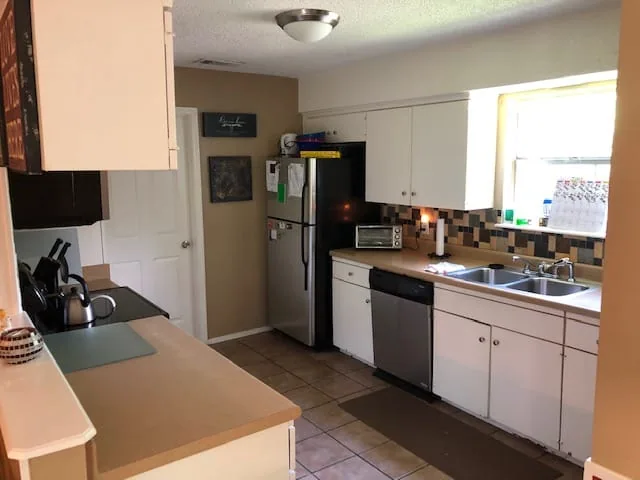
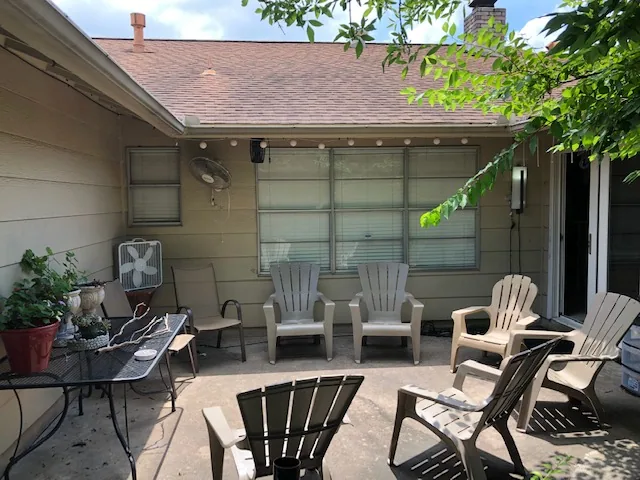
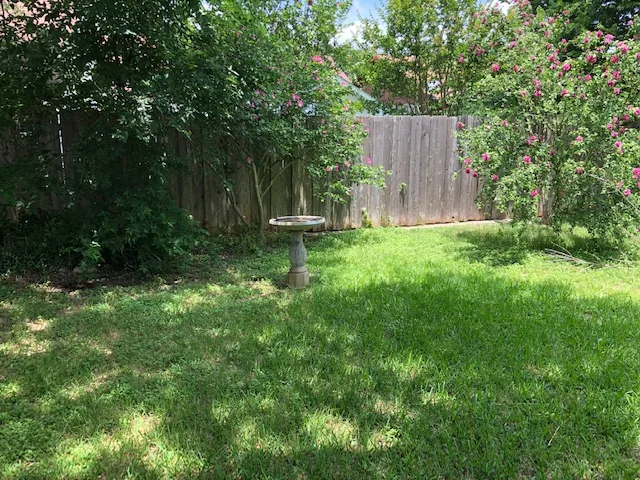
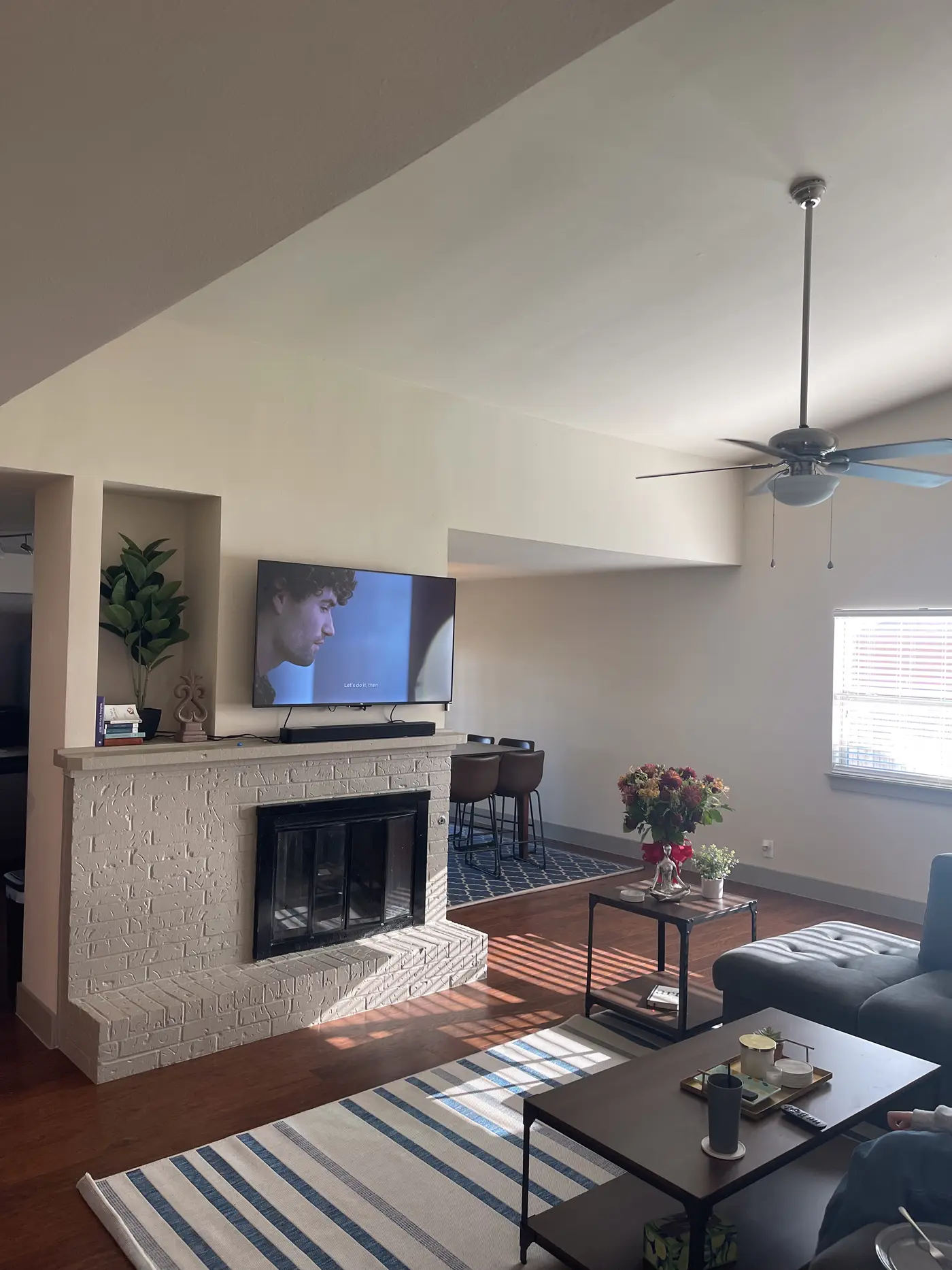
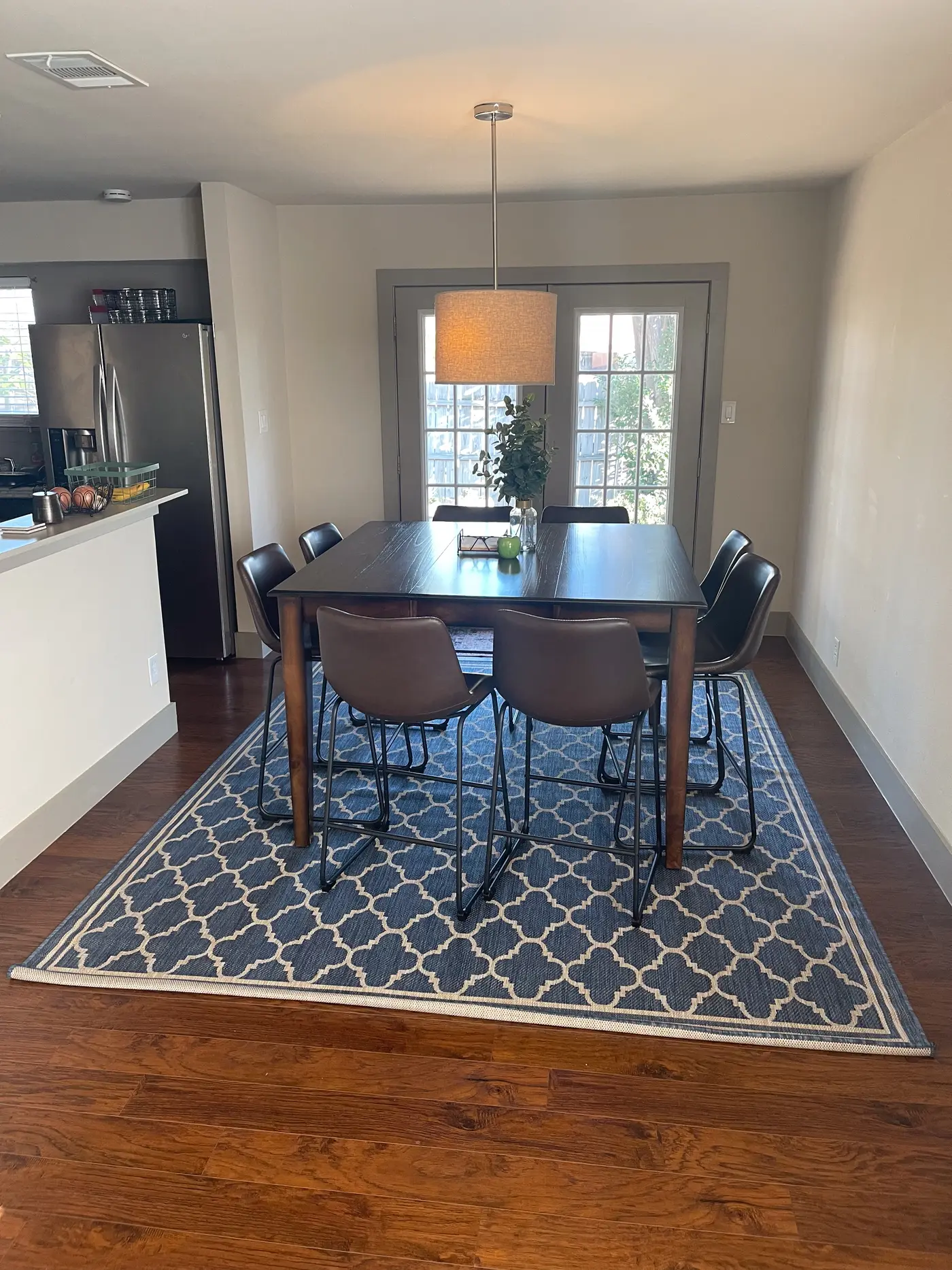
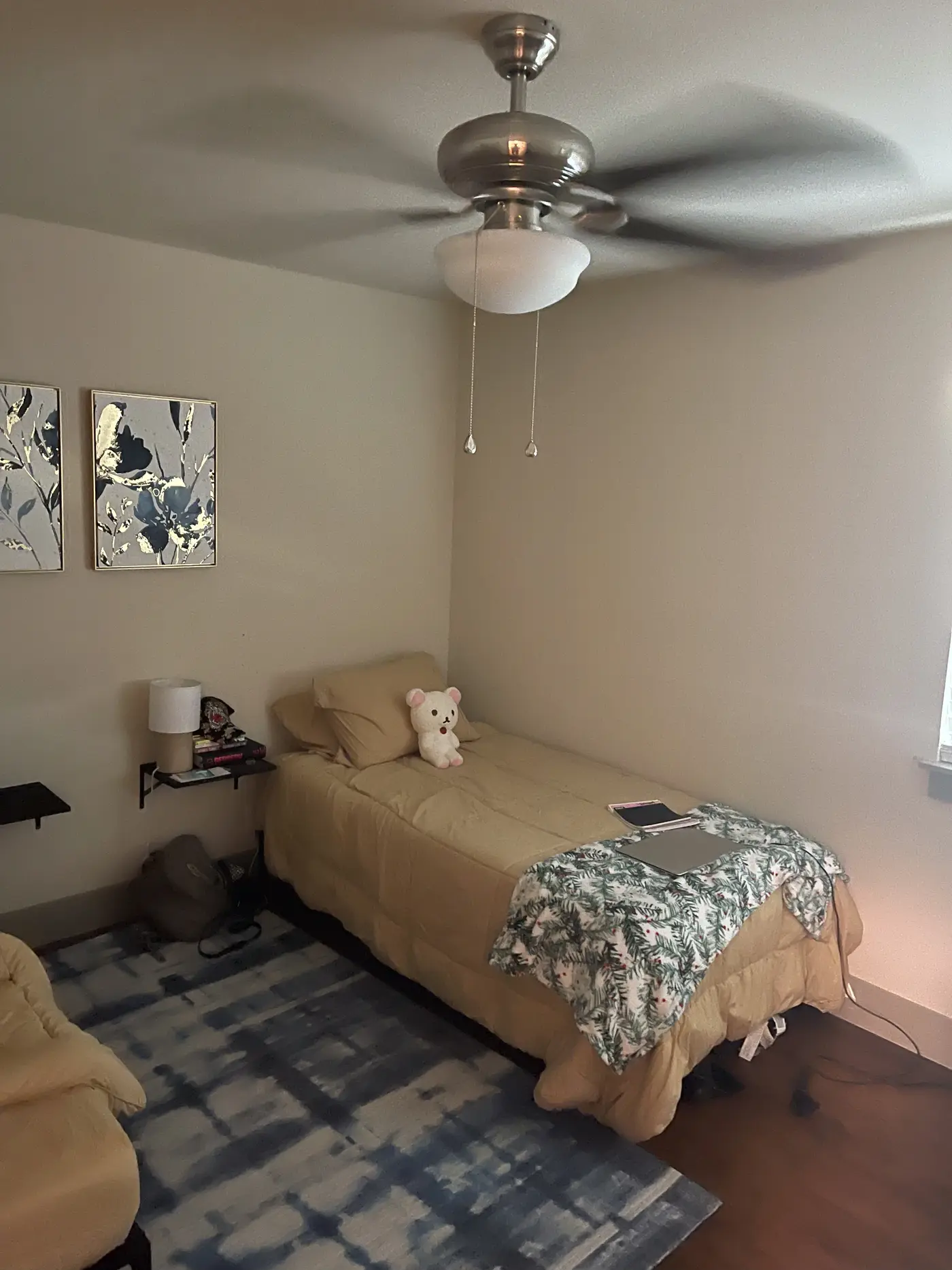
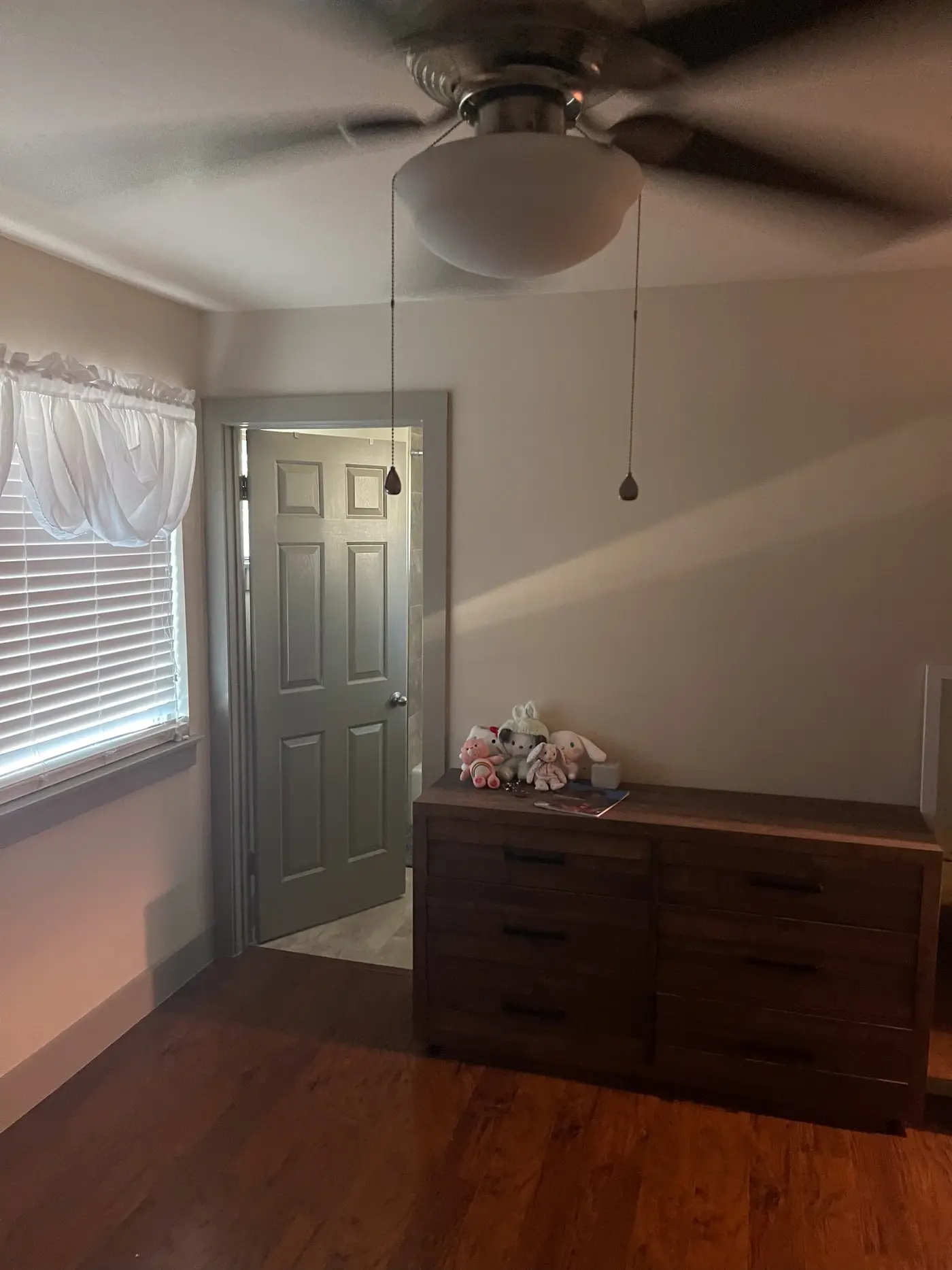
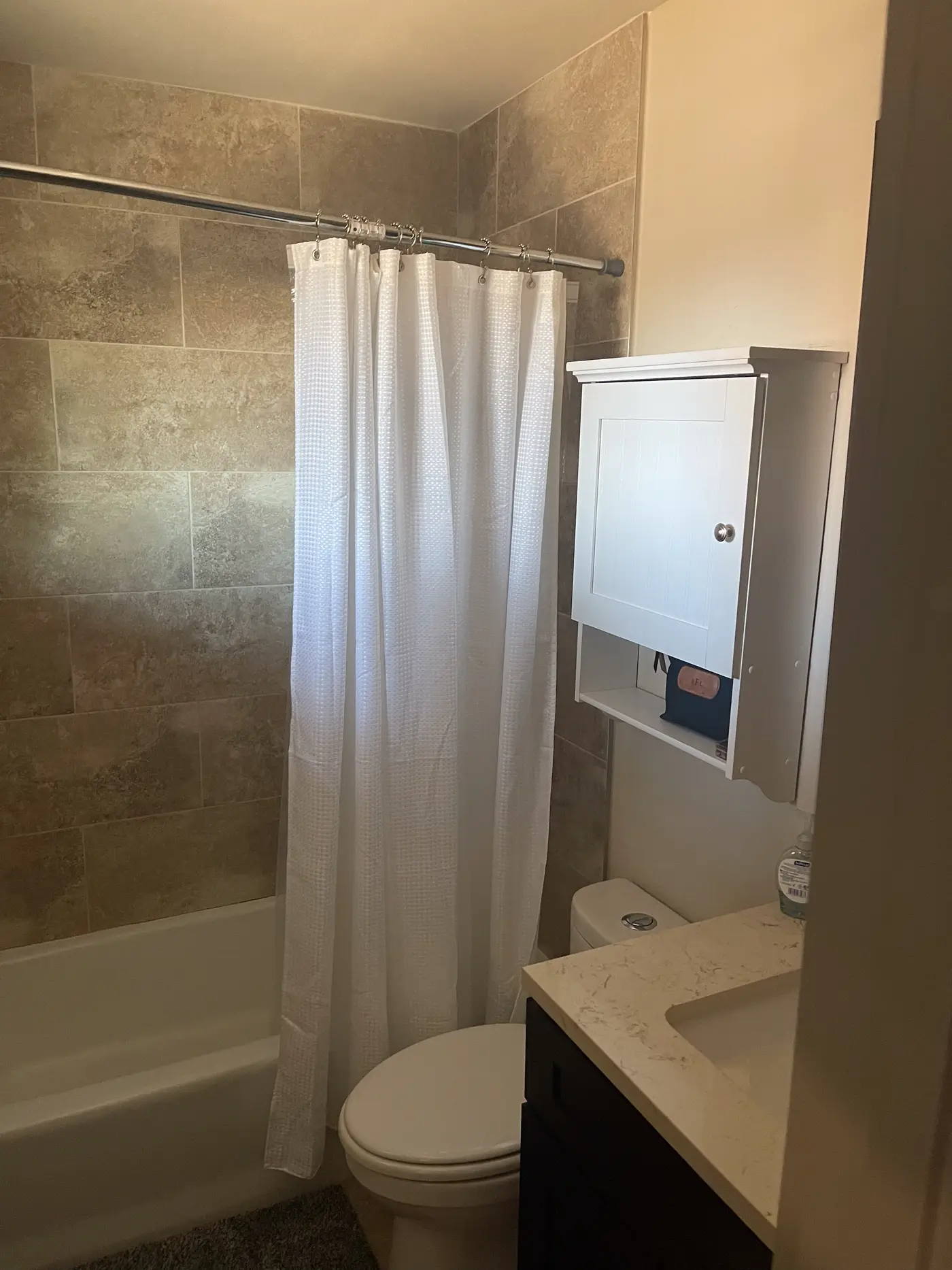
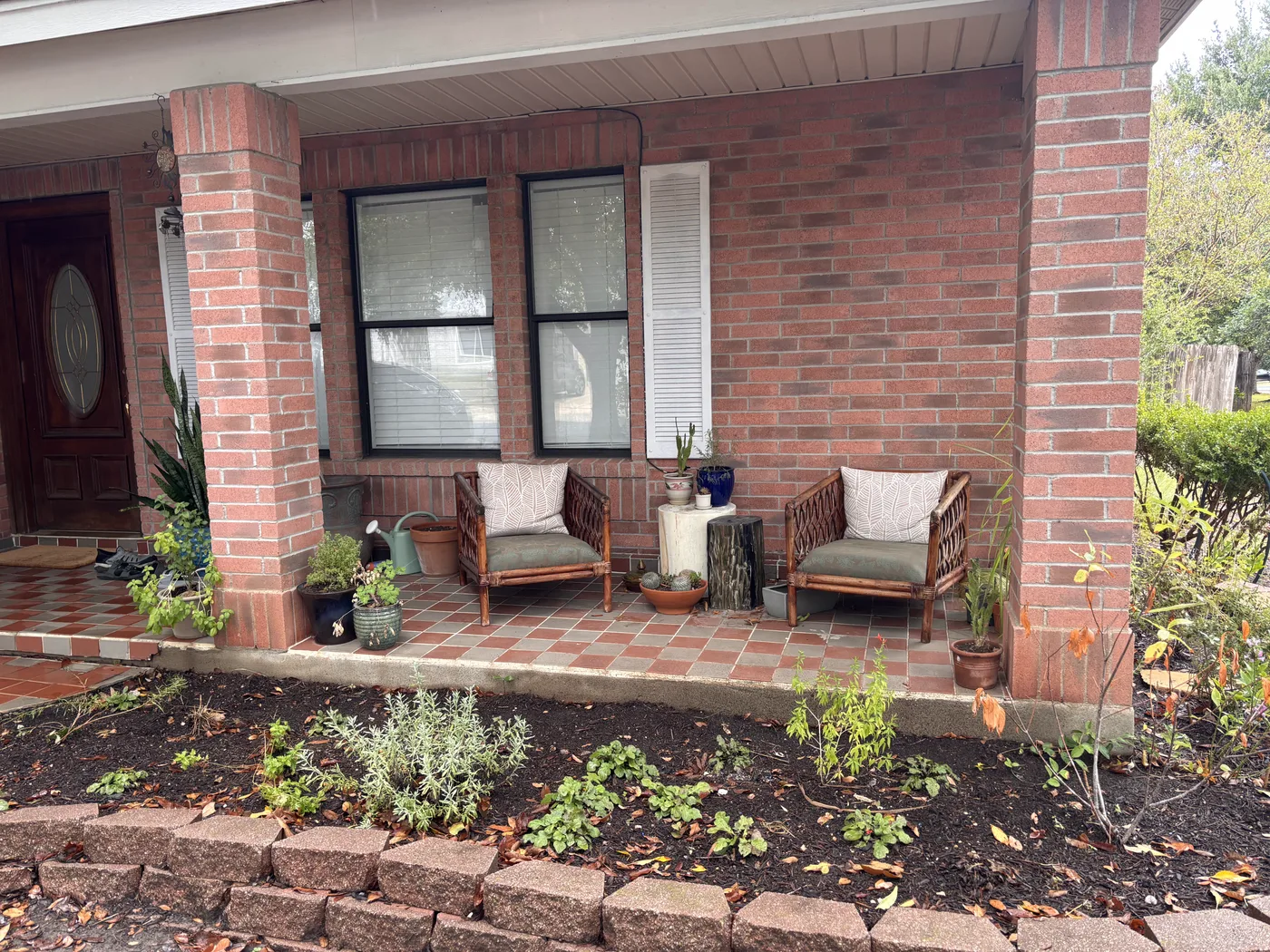
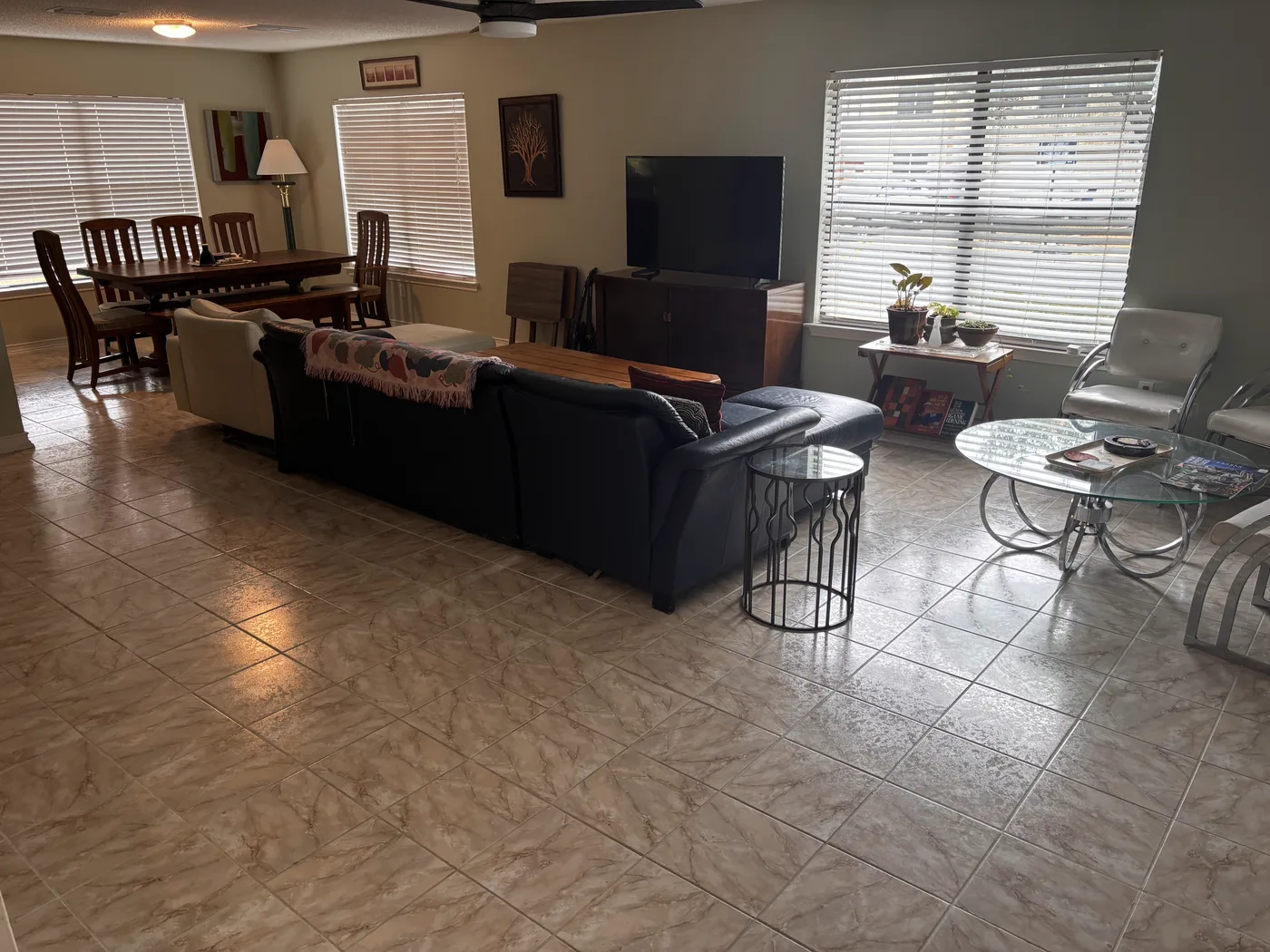
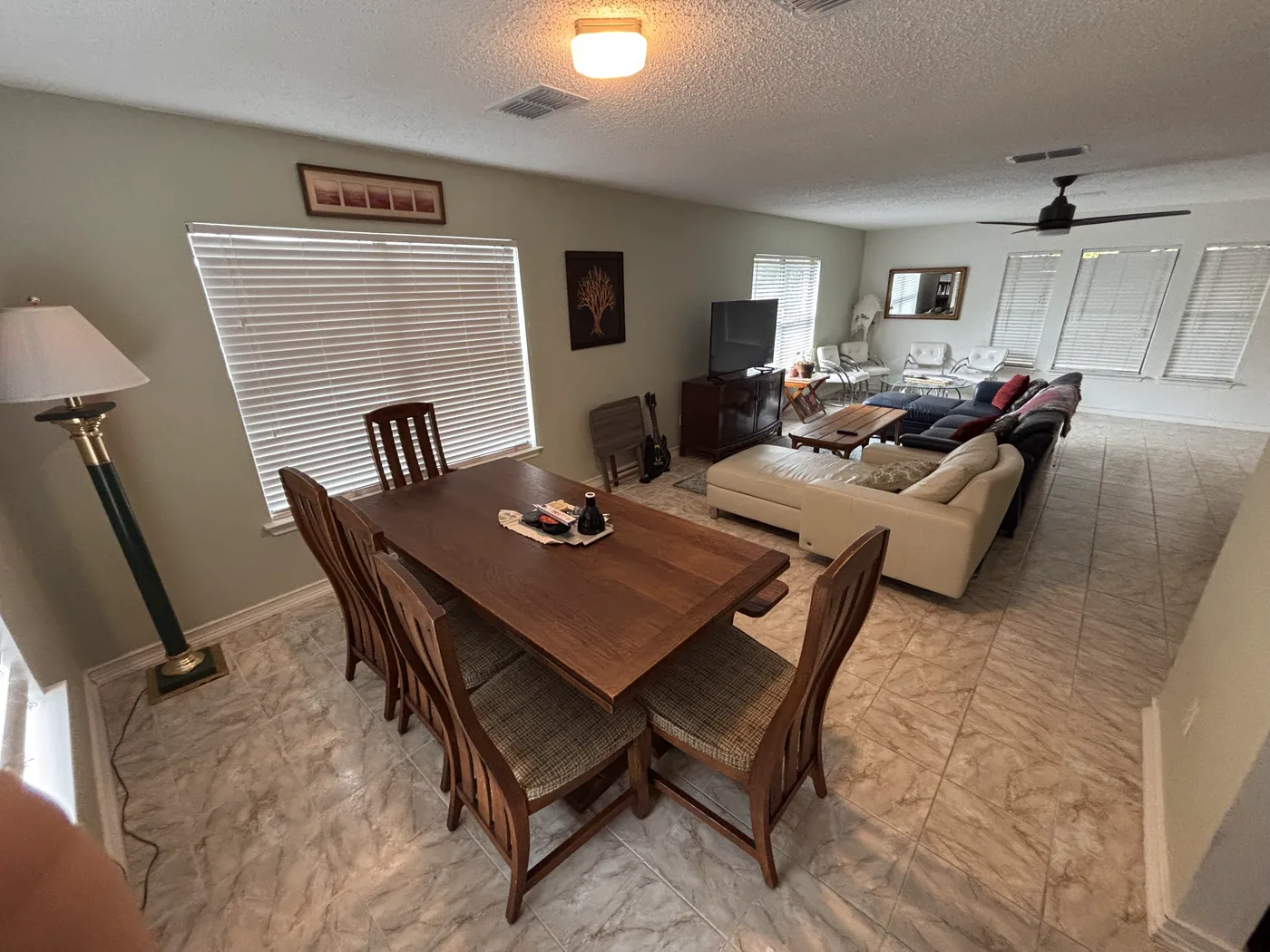
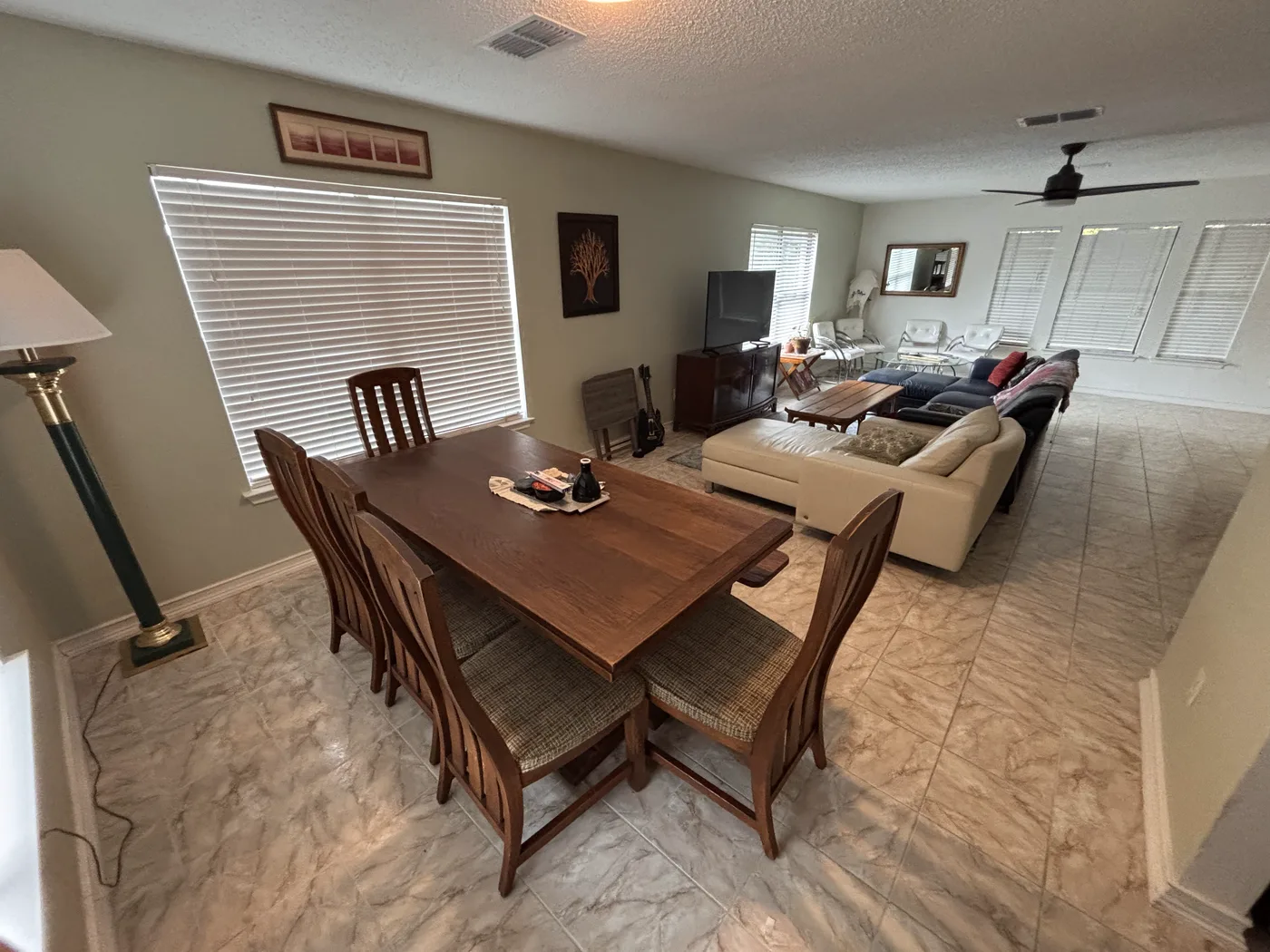
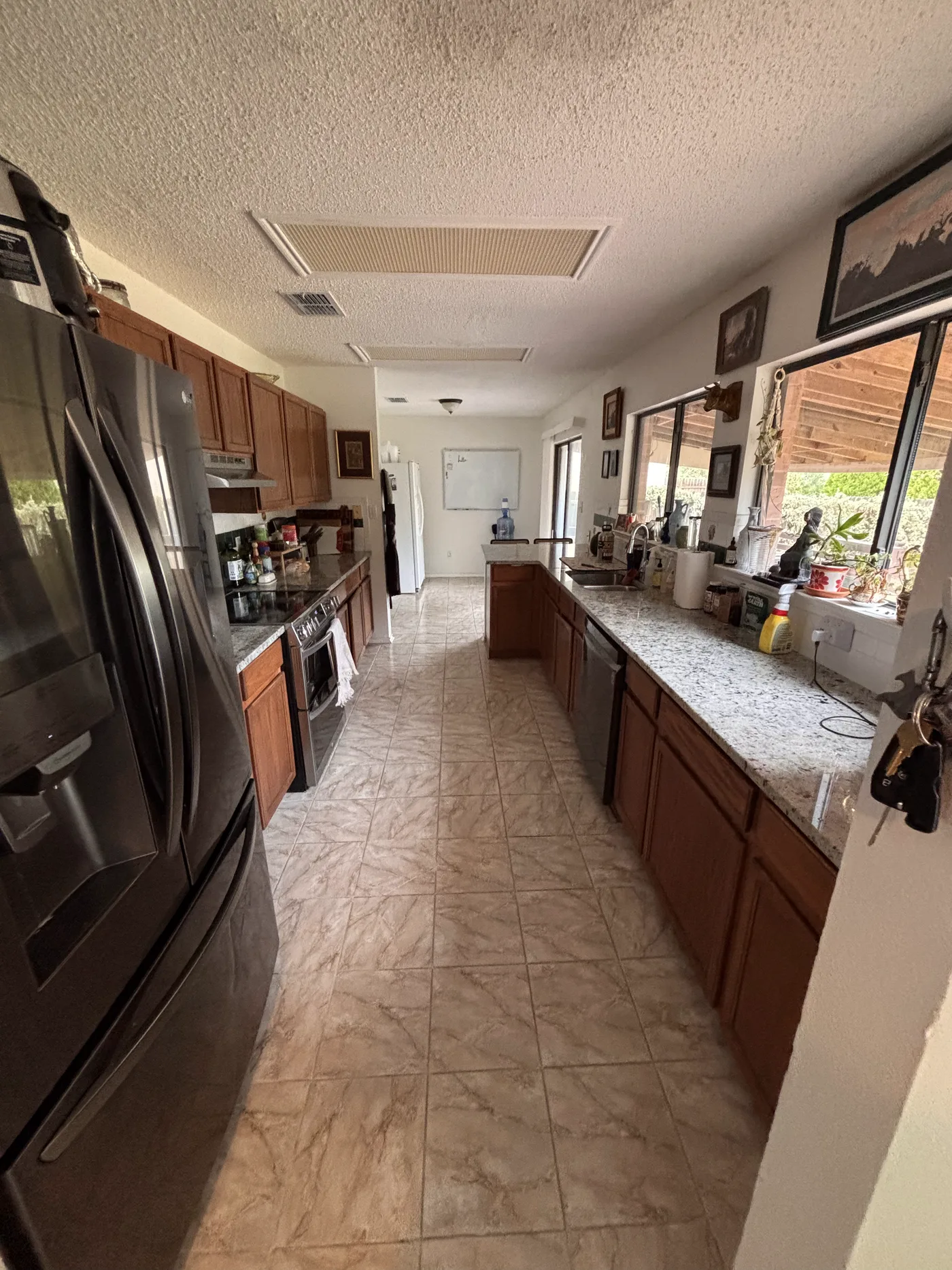
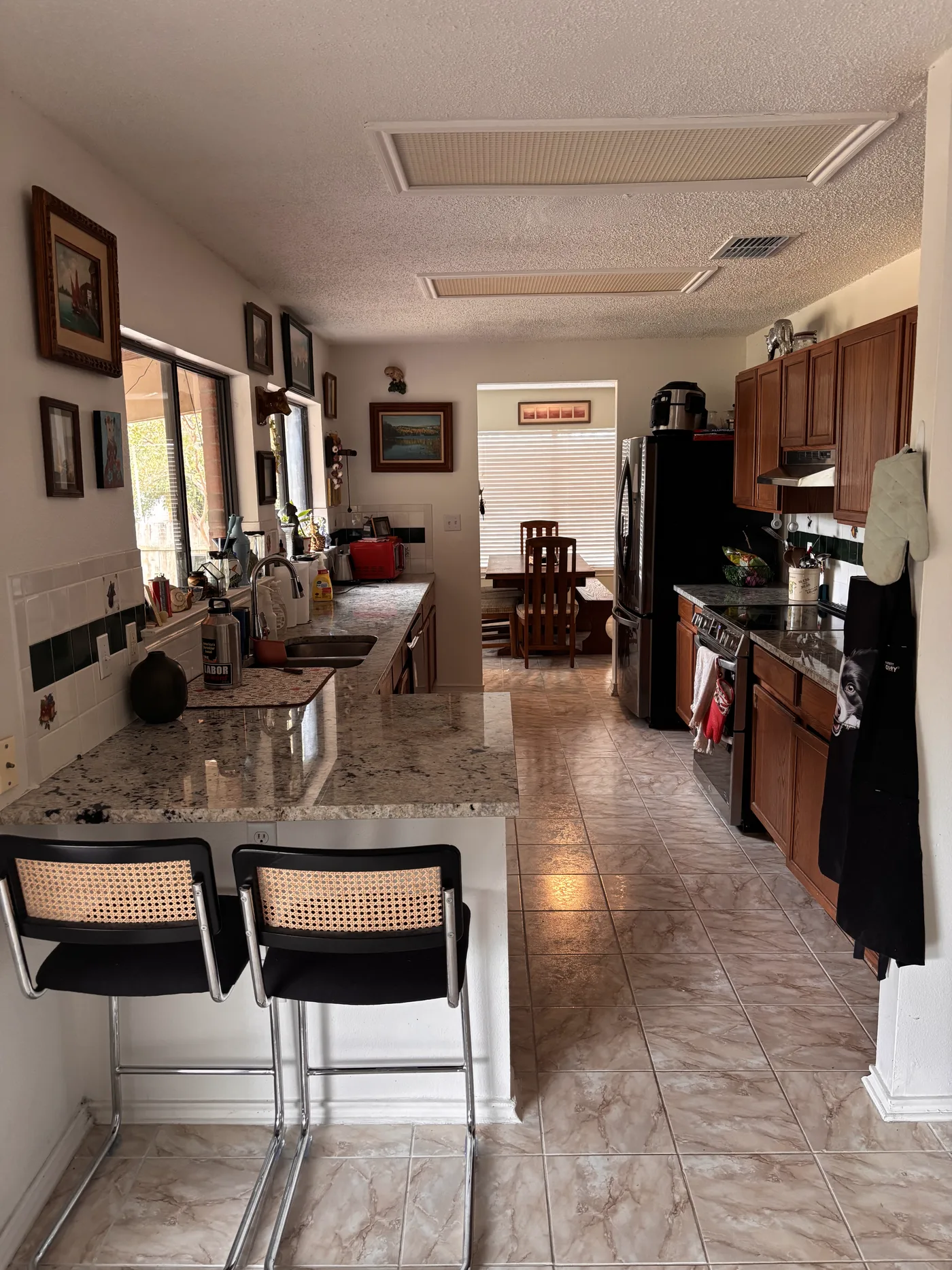
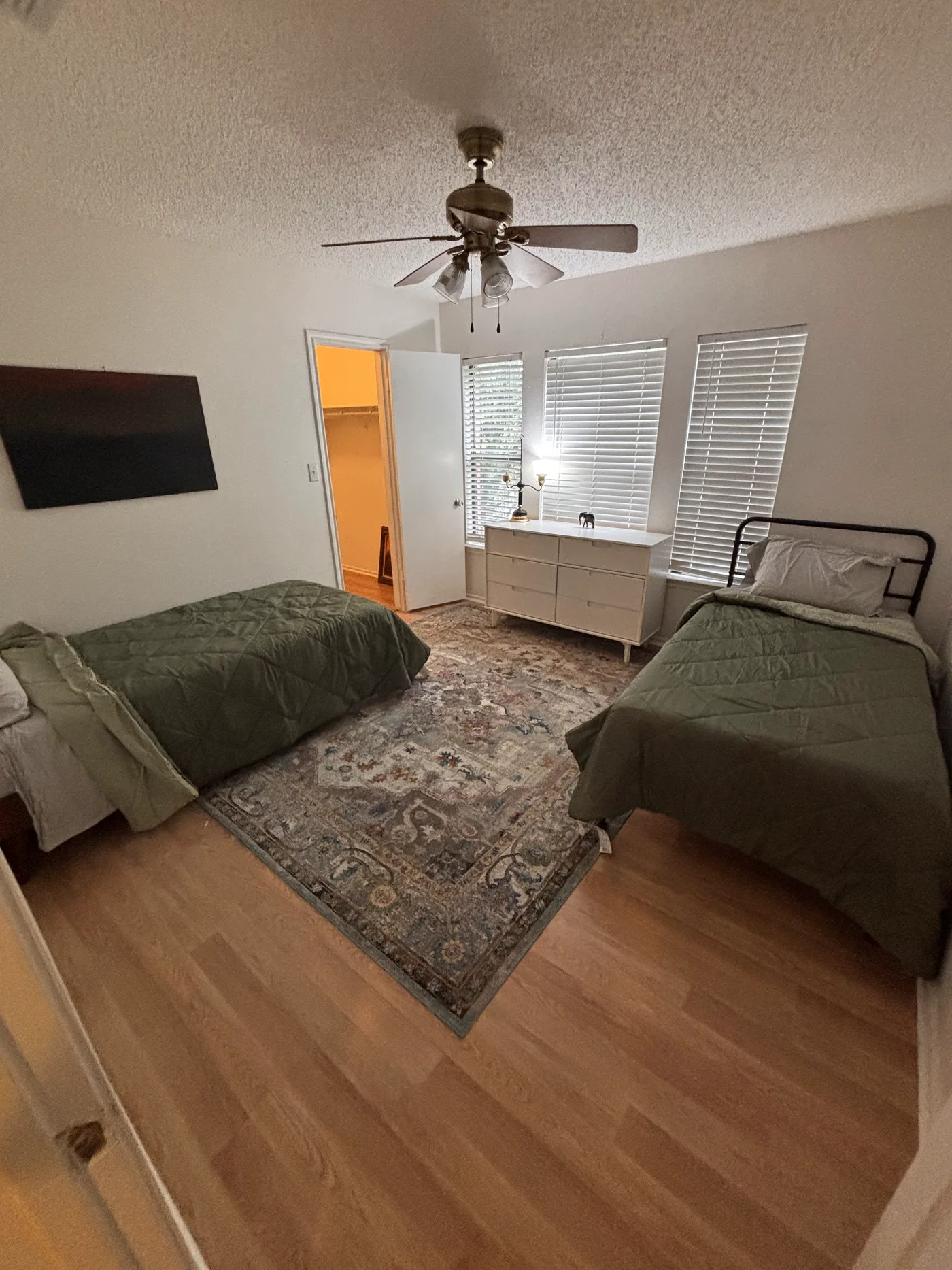
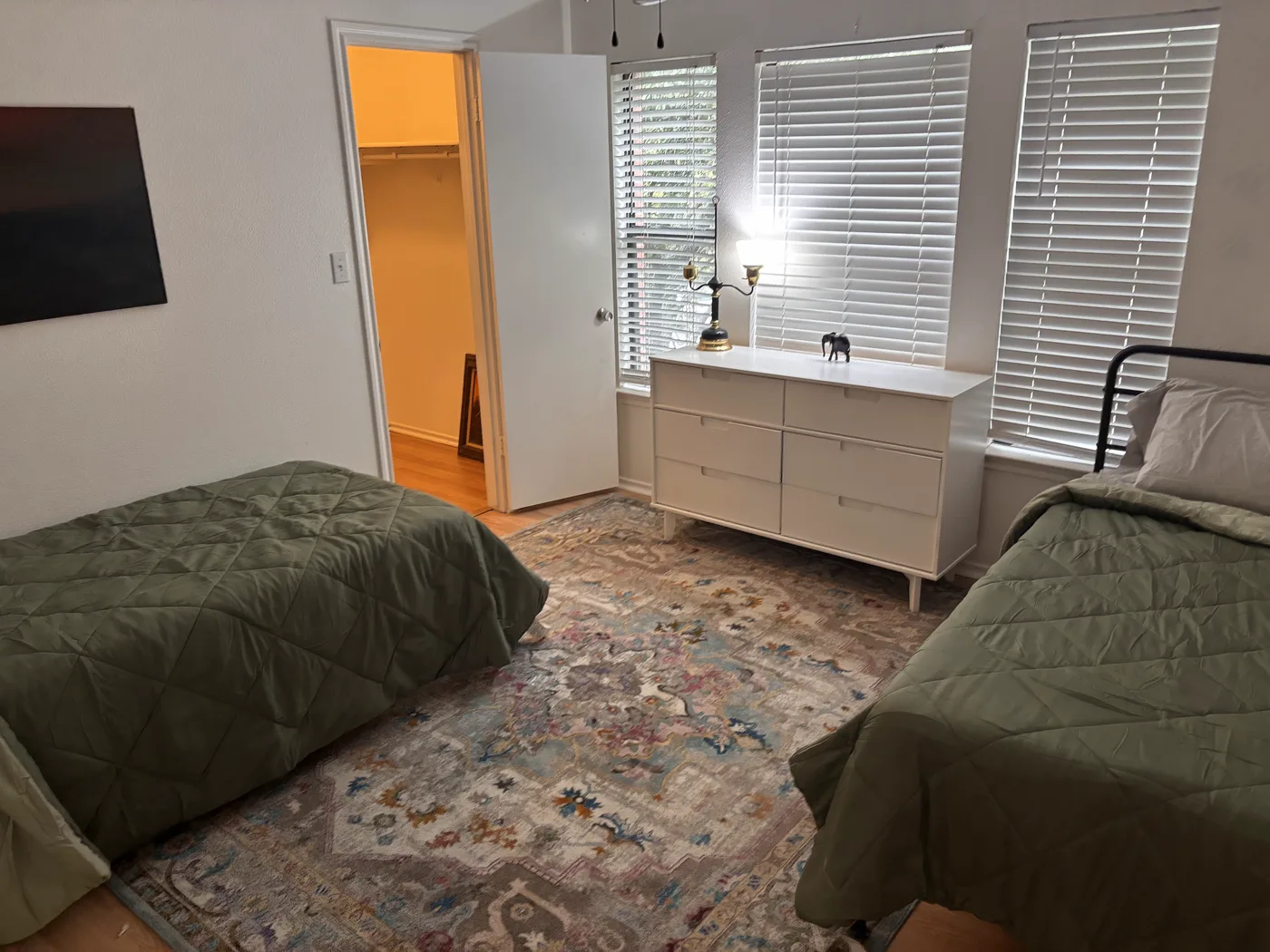
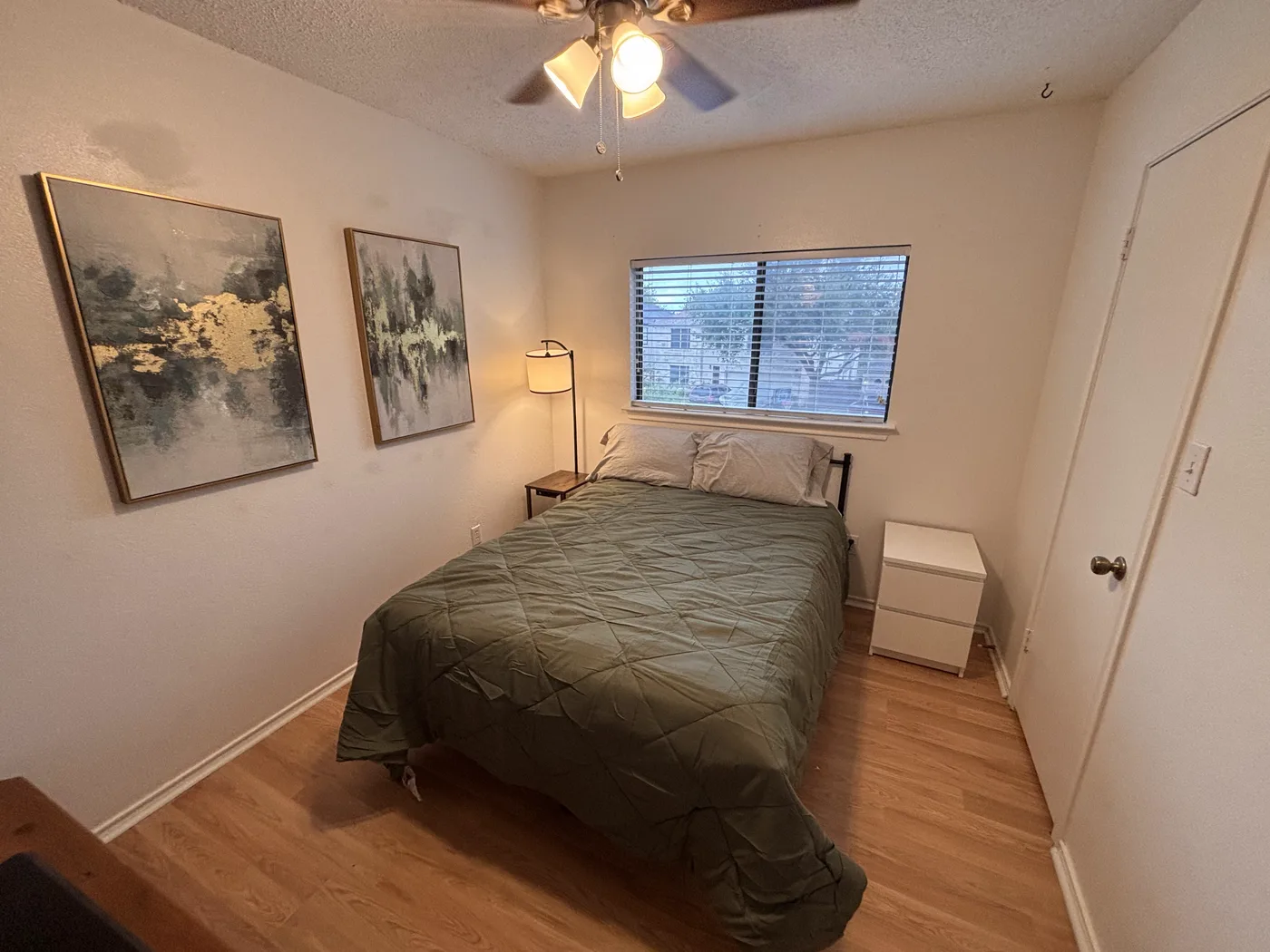
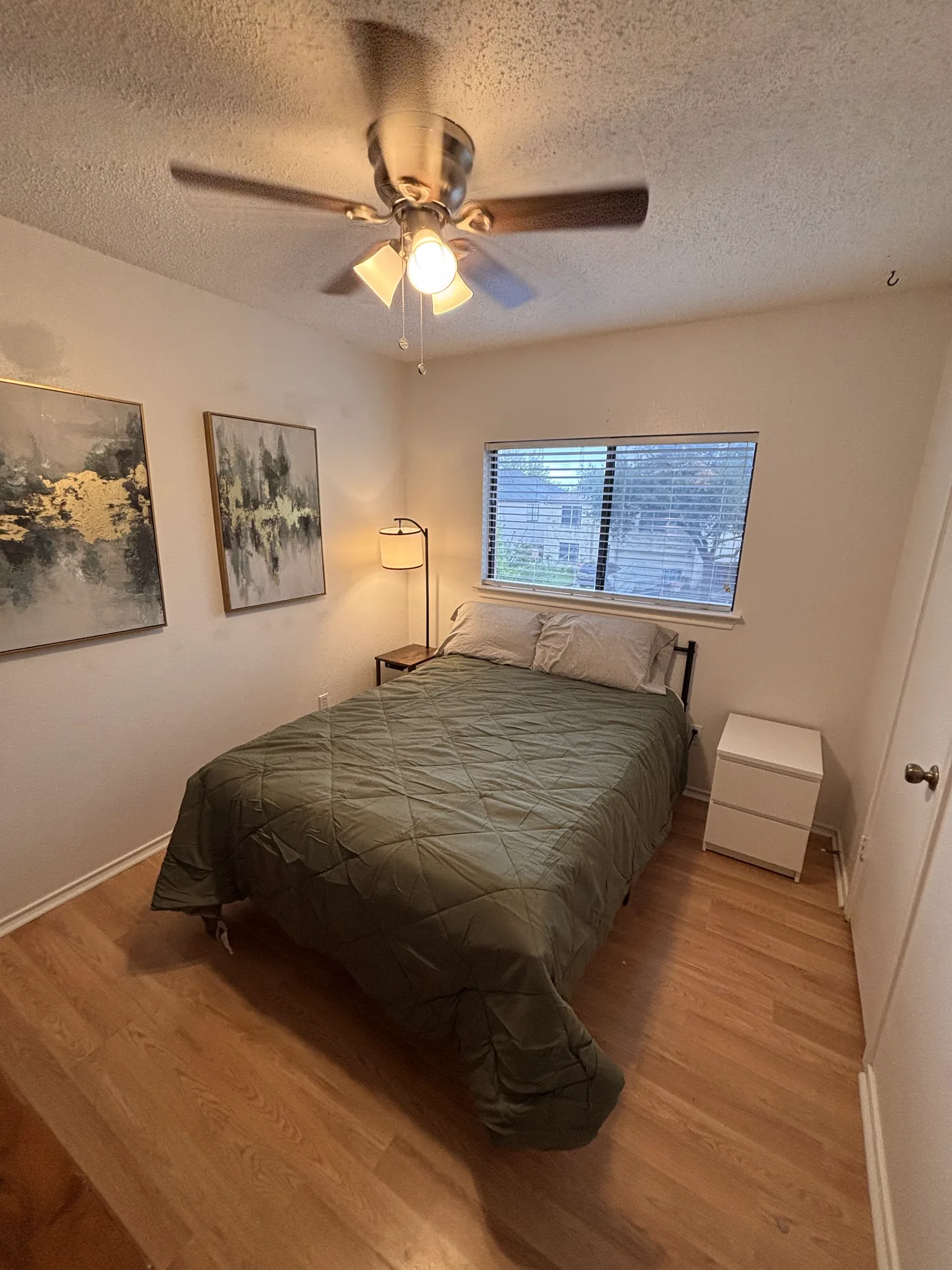
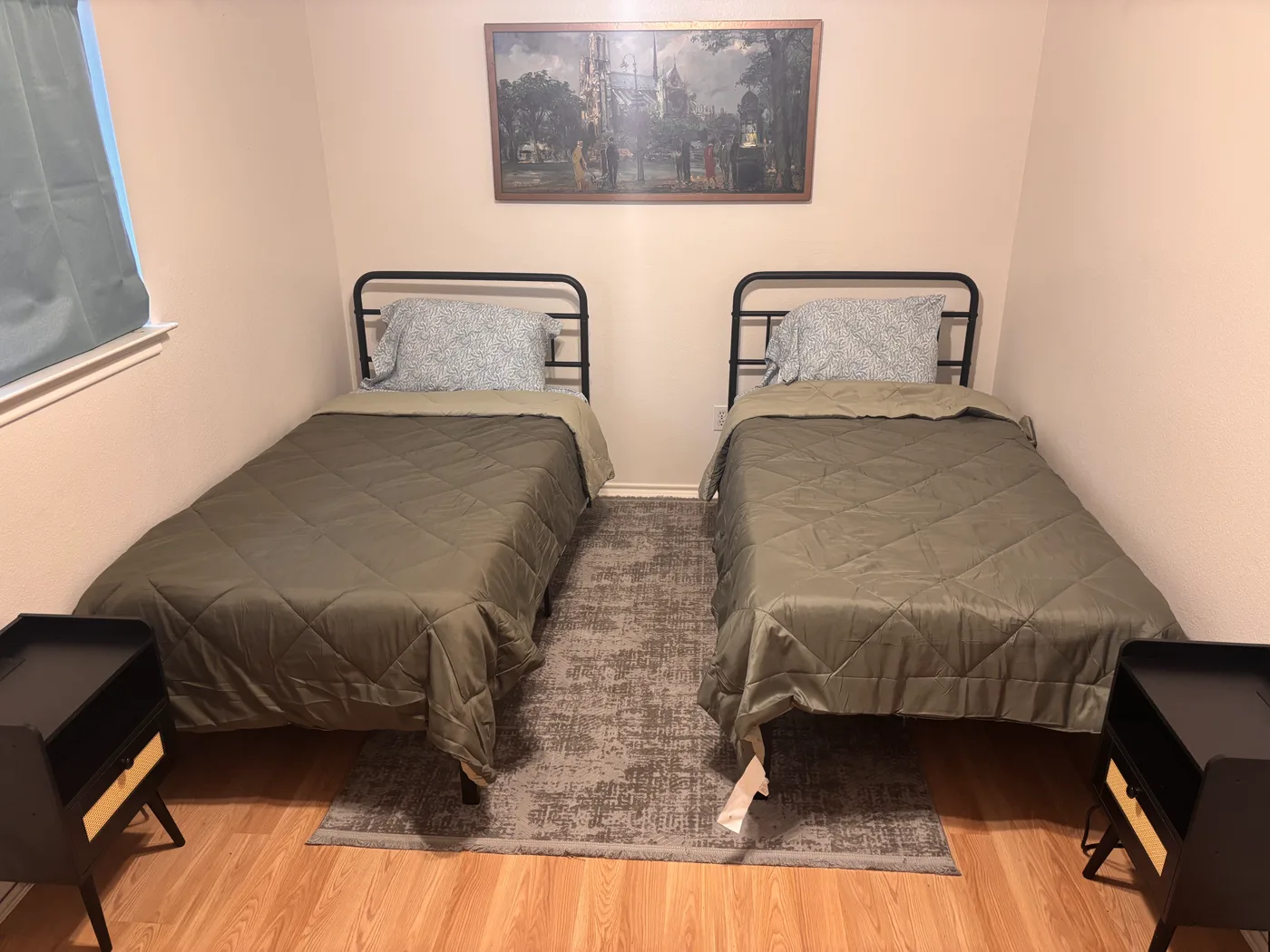
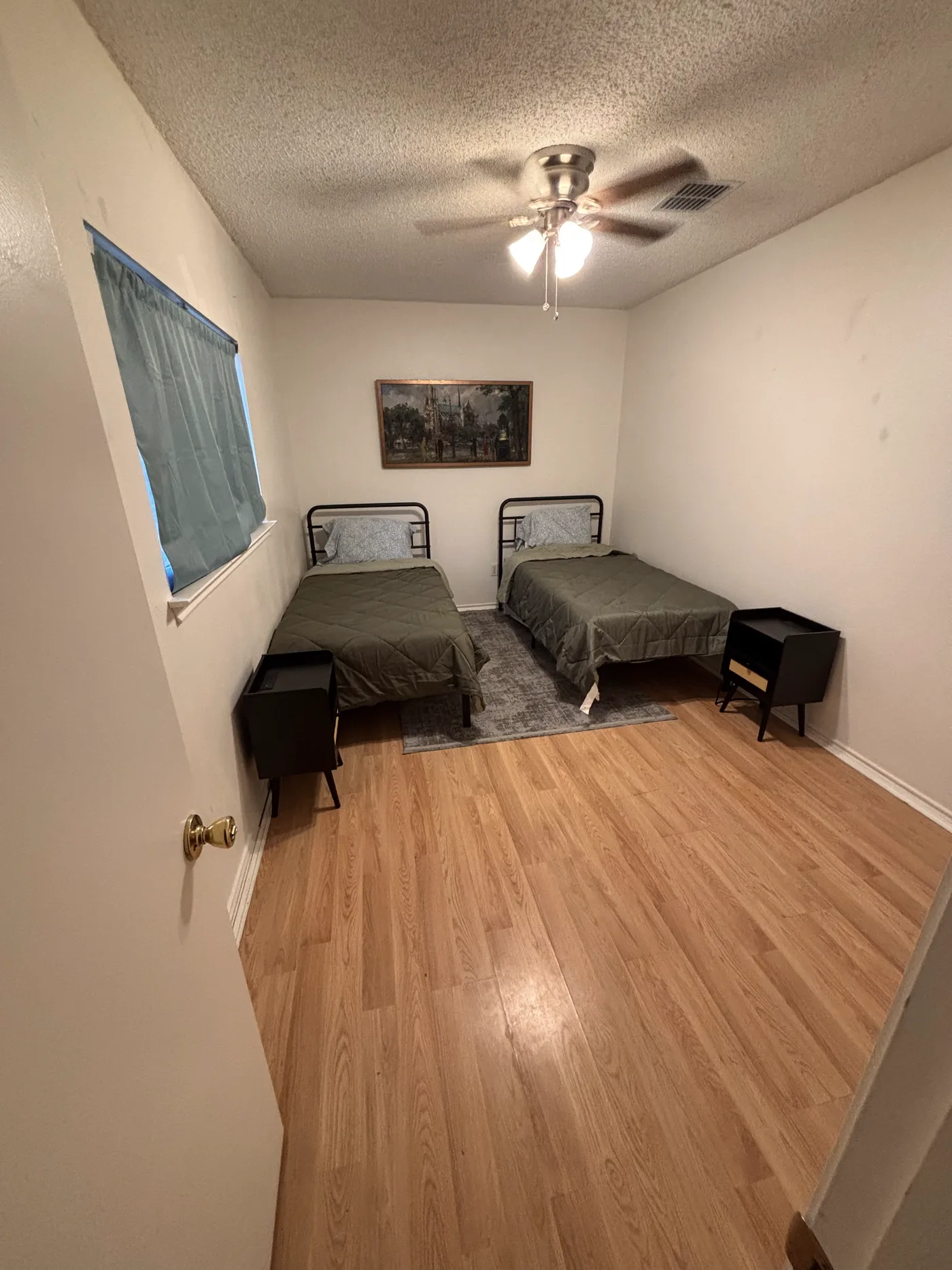
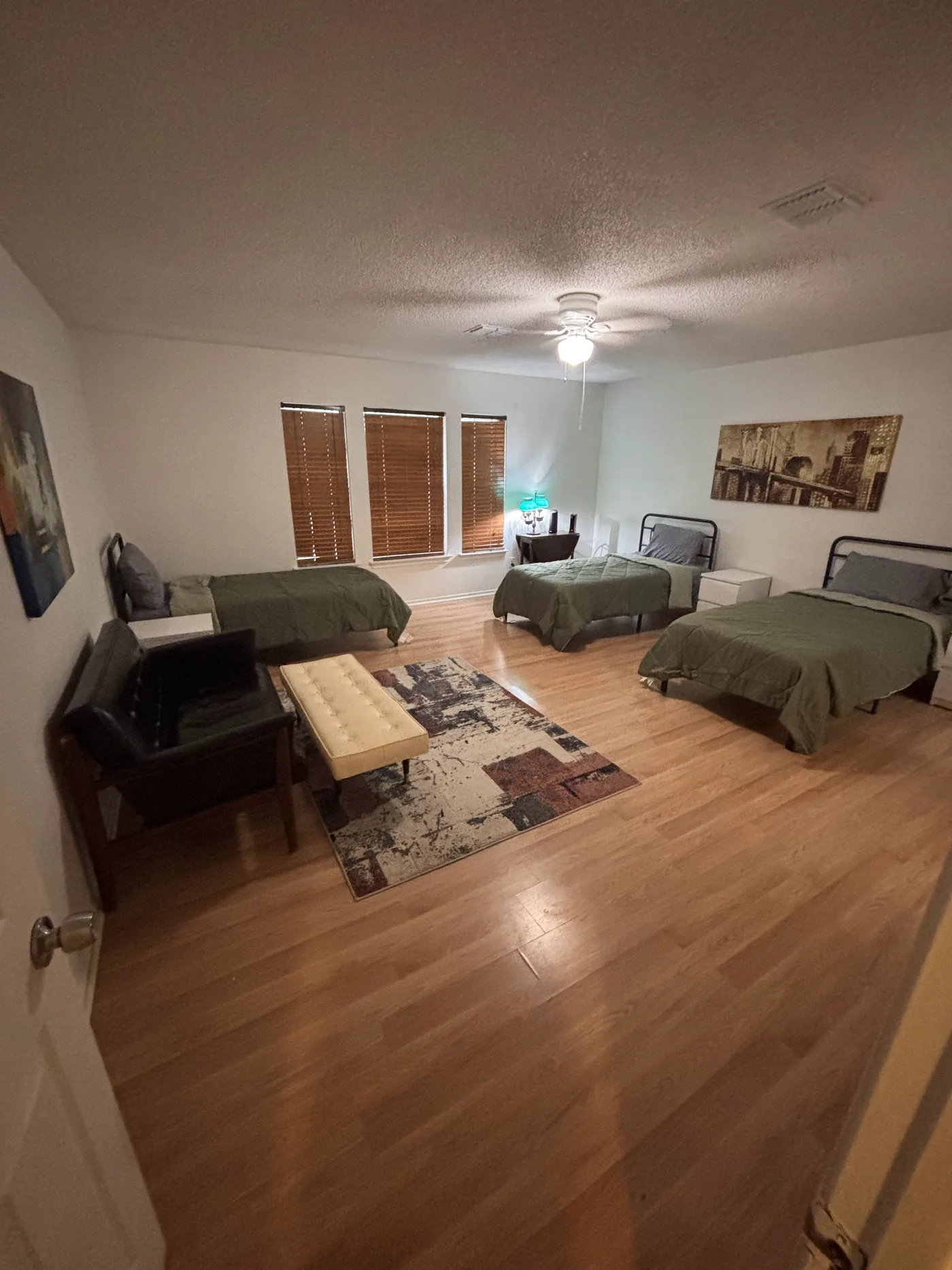
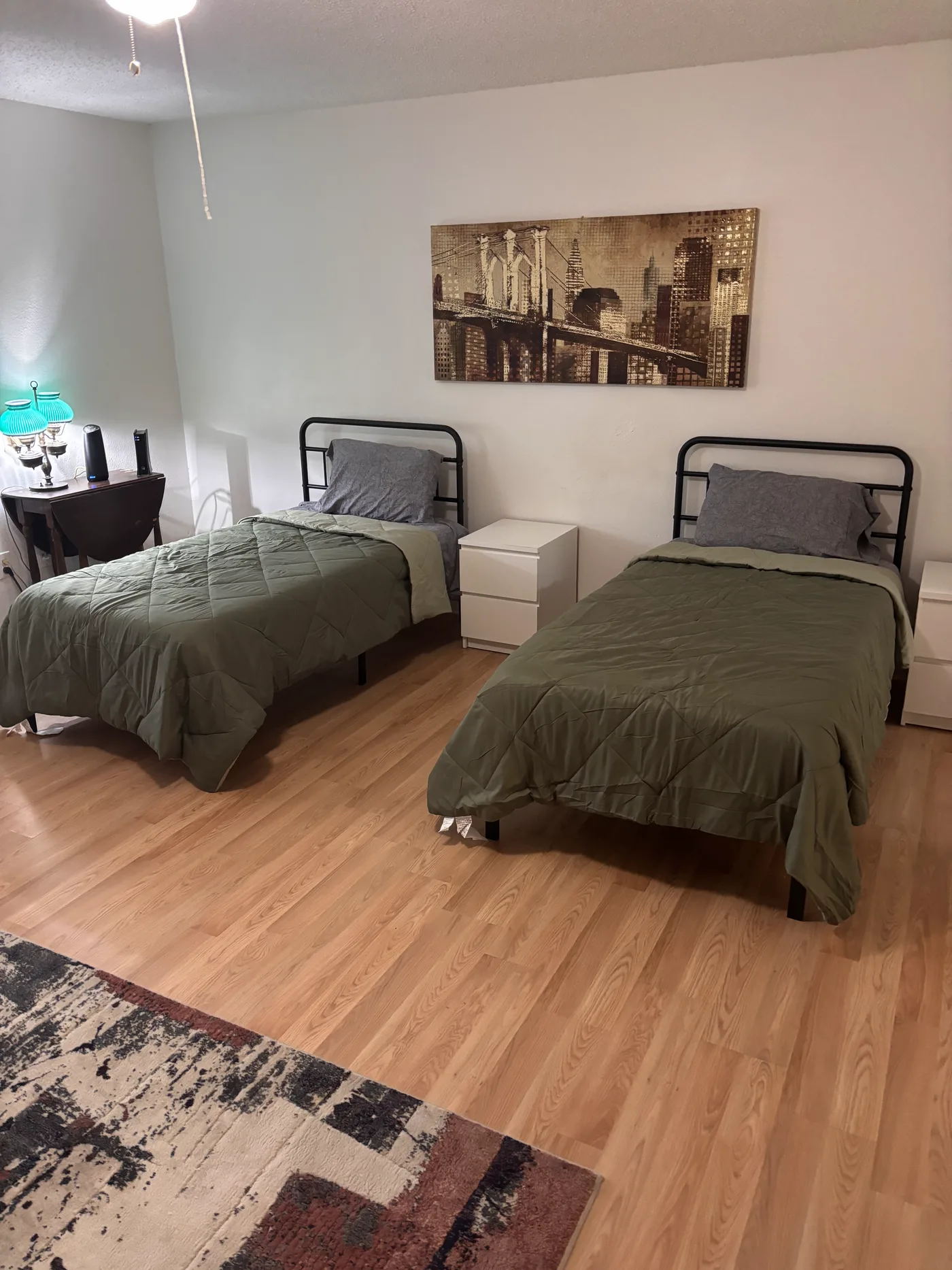
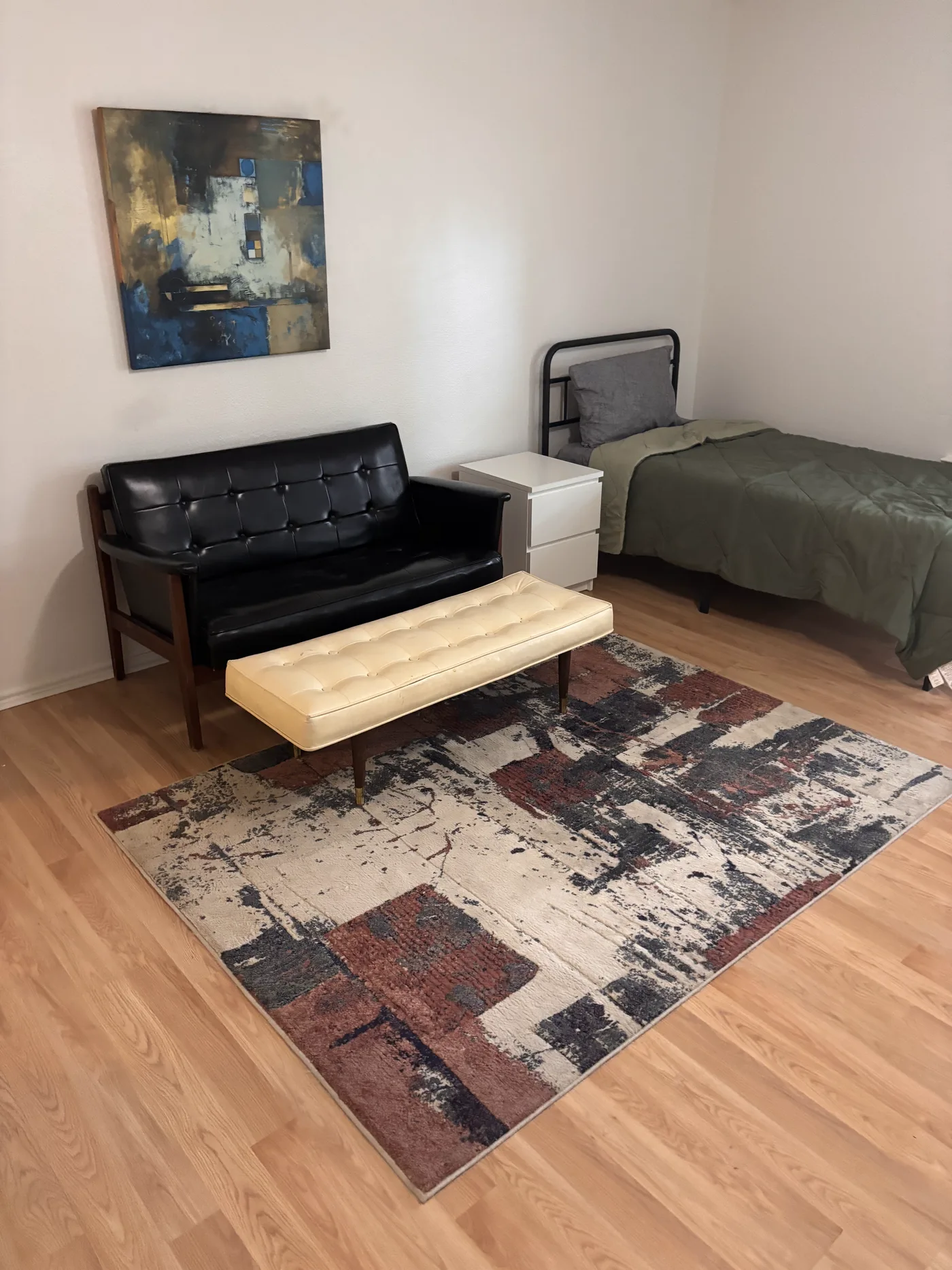
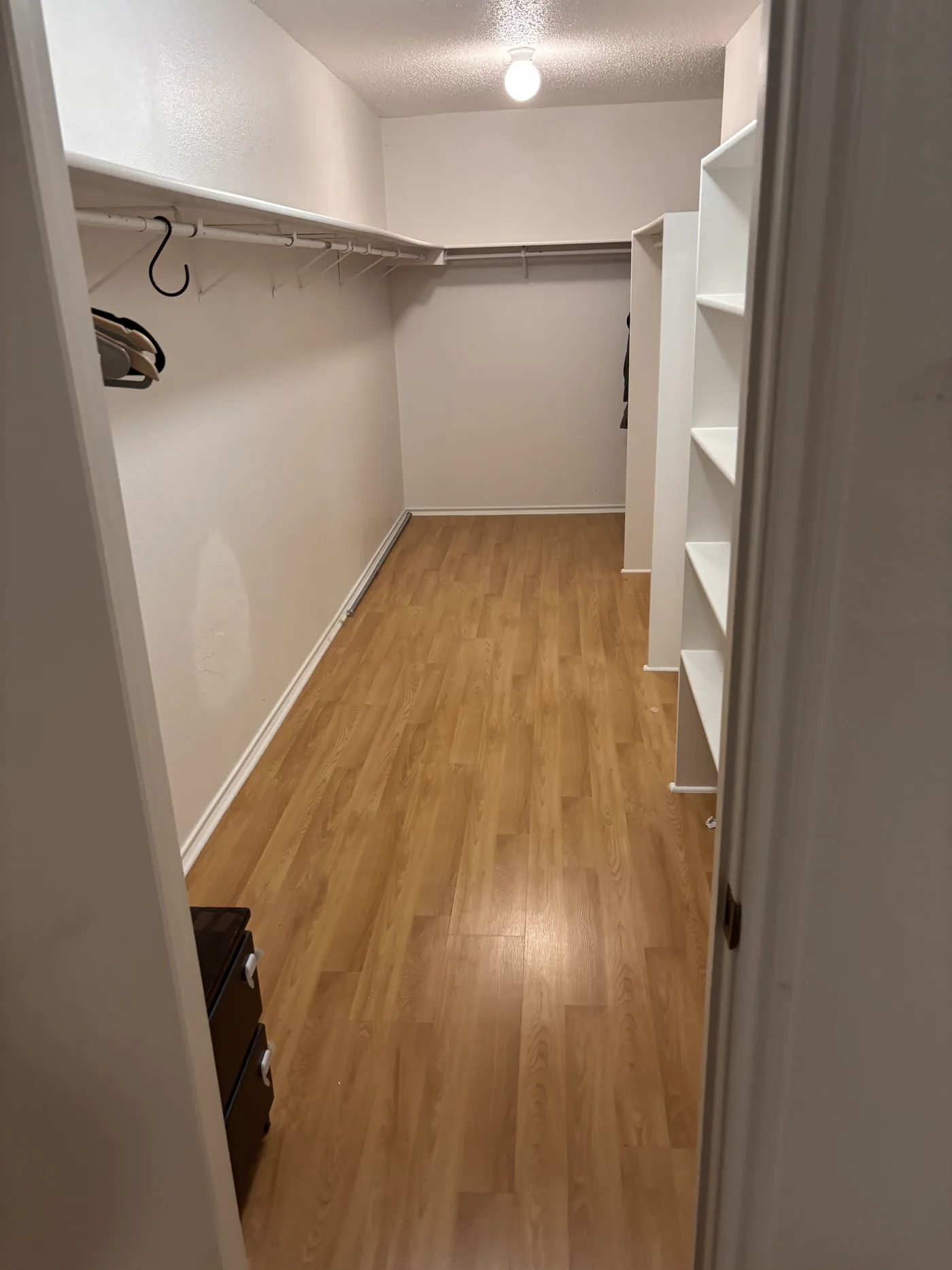
Inside the Austin homes


Getting a Job Quickly to Cover Sober Living Costs
Many people in early recovery are surprised by how quickly they can start earning income, even within the first week of moving into a sober living home. Most quality sober living homes in Austin allow residents to work, and structured homes actively encourage employment as part of the recovery process.
Here are some practical steps to get earning quickly:
Call Now: (512) 240-6612- Start with temp agencies: Companies like Labor Ready, Staffmark, and Randstad Austin place workers quickly, sometimes the same week you apply, in warehouse, construction, and service jobs that don’t require a spotless work history.
- Gig economy work: DoorDash, Uber, Amazon Flex, and TaskRabbit allow you to start earning almost immediately with a smartphone and reliable transportation. Several sober living residents use gig work to bridge the gap while searching for permanent employment.
- Workforce Solutions Capital Area: This Austin-based workforce development organization offers free job placement services, resume help, and training programs, and some programs specifically serve individuals in recovery.
- Talk to your 12-step sponsor or recovery community: Within the Austin recovery community, word-of-mouth job leads are common. Many employers in construction, food service, and hospitality are run by people in recovery who are willing to give someone a chance.
If you’re looking at structured housing programs that support your work goals while keeping you accountable in recovery, explore options like structured men’s sober living in Austin or structured women’s sober living in AustinBoth designed to support residents as they rebuild their professional and personal lives.
Asking for Help From Family and Your Recovery Network
This step can feel uncomfortable, but it’s one of the most effective ways to cover your first month or two of sober living costs. If your relationships have been strained by addiction, approaching a family member with a concrete plan, “I need $X for my first month in a sober living home while I find work”, is often a turning point that rebuilds trust and gets results.
Some practical tips:
- Be specific: Tell them exactly what you need, how much it costs, and what your plan is for becoming self-sufficient. Vagueness breeds hesitation.
- Offer a repayment plan: Even a simple promise to pay back $50/month when you’re working shows seriousness.
- Involve a counselor: Having a therapist, sponsor, or case manager present during a family conversation can help everyone feel safer and more hopeful.
- Crowdfunding: Some people in recovery have successfully used GoFundMe to raise funds for sober living. A transparent, heartfelt story about your recovery journey can move people, even strangers, to contribute.
What to Look for in Affordable Sober Living in Austin
Not all sober living homes are created equal, and when you’re already financially stressed, the last thing you want is to move into a poorly run home that jeopardizes your recovery. As you evaluate affordable recovery housing in Austin, look for these quality markers:
- House rules that are clear, fair, and consistently enforced
- Regular drug and alcohol testing (a sign the house is serious about sobriety)
- Peer accountability and a house manager or support staff
- Connections to outpatient treatment, employment services, or 12-step meetings
- Certification or affiliation with reputable organizations like the National Alliance for Recovery Residences (NARR) or Texas Association of Recovery Residences (TARR)
For a comprehensive breakdown of what distinguishes quality homes from lower-quality options, read through the guide to quality sober living options in Austin, TXIt covers what questions to ask, what red flags to watch for, and how to compare homes effectively.
How Eudaimonia Recovery Homes Can Help
At Eudaimonia Recovery Homes, we understand that finances are one of the biggest obstacles people face when seeking recovery housing. We work with residents and their families to find solutions: whether that means exploring available financial assistance, setting up a payment arrangement, or connecting you with local resources that can help bridge the gap.
Our homes in Austin offer structured, supportive environments where residents build real accountability, real community, and real momentum toward independence. We offer options for men and women, including pet-friendly sober living in Austin for those who can’t bear to leave their four-legged support system behind.
If you’re serious about your recovery and willing to put in the work, we want to help you find a way in, not a reason to stay out. Reach out to our team at (512) 240-6612 to have an honest conversation about your situation and what options might be available to you. You can also start your application online to take the first step today.
Money is a real barrier, but it doesn’t have to be the final word. Recovery is possible, and so is affording the housing that supports it.


