

Published July 27, 2026
On This Page · 11 Sections

Sober Living
Austin
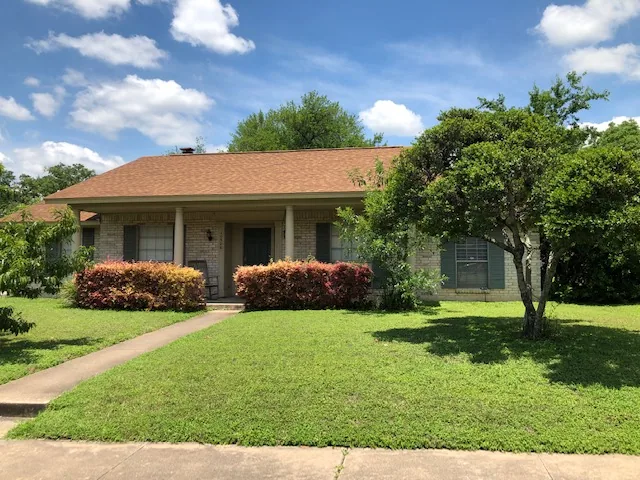
10506 Parkfield Dr, Austin, TX 78758
Sober living costs in Austin, Texas typically range from $800 to $2,500 per month, positioning the city in the mid-to-upper tier compared to other recovery housing markets. While Austin’s prices reflect its booming tech economy and rising cost of living, cities like Houston and San Antonio often offer slightly lower rates ($700-$2,000 monthly), whereas markets like Philadelphia and Colorado Springs fall into similar ranges ($850-$2,400). Location within each city, amenities, accountability structures, and program intensity all influence the final monthly investment in your recovery housing.
Understanding Sober Living Costs in Austin, Texas
Austin’s reputation as a rapidly growing tech hub directly impacts recovery housing prices. The city’s median rent has climbed steadily over the past decade, and sober living homes reflect this broader housing trend. Most established recovery residences in Austin charge between $1,200 and $1,800 monthly for a shared room with full access to house resources, community meetings, and structured accountability.
Premium sober living options in central Austin neighborhoods can reach $2,500 per month, especially for private rooms or homes offering enhanced services like employment assistance, life skills workshops, or partnerships with outpatient treatment providers. Budget-friendly options exist in South Austin and surrounding areas, where shared occupancy rooms start around $800 to $1,000 monthly.
The investment covers more than just a bed. You’re paying for a structured environment designed specifically for sustained sobriety: random drug and alcohol testing, peer accountability, house meetings, and a community of people committed to the same recovery path you’re walking.
How Austin Compares to Houston Sober Living Costs
Houston presents a slightly more affordable sober living market than Austin, with typical monthly rates ranging from $700 to $2,000. The city’s larger geographic footprint and diverse neighborhoods create more pricing variation. Recovery homes in suburbs outside the loop often charge $700 to $1,100 monthly, while houses closer to medical centers or treatment hubs run $1,400 to $1,800.
Houston’s lower overall cost of living translates to modestly reduced recovery housing expenses. However, the structure, accountability measures, and community support remain consistent across quality sober living environments in both cities. The choice between Houston and Austin often comes down to employment opportunities, existing support networks, and personal preference rather than dramatic cost differences.
Transportation considerations matter in Houston’s sprawling layout. Some residents find they save on housing but spend more on vehicle expenses, whereas Austin’s more compact geography can make car-free or reduced-car living more feasible depending on your recovery home’s location.
San Antonio Sober Living: A More Affordable Texas Option
San Antonio consistently offers the most budget-friendly sober living costs among major Texas cities. Monthly rates typically range from $700 to $1,800, with many quality recovery homes charging $900 to $1,300 for shared rooms. The city’s lower cost of living creates opportunities for people in early recovery to stretch their resources while maintaining strong accountability structures.
Don’t confuse lower prices with lower quality. San Antonio’s established recovery community supports numerous sober living homes with rigorous expectations around meeting attendance, drug testing, employment or education participation, and house responsibilities. The affordability simply reflects the broader housing market, not diminished standards.
For individuals transitioning from treatment programs or those working entry-level positions while rebuilding their lives, San Antonio’s pricing can make the difference between affording three to six months of stable recovery housing versus struggling to cover even two months elsewhere.
Colorado Springs Sober Living Cost Comparison
Colorado Springs sober living homes generally charge $850 to $2,400 monthly, placing the market close to Austin’s pricing despite Colorado’s different economic drivers. The city’s appeal as a recovery destination, outdoor recreation opportunities, established twelve-step communities, and proximity to treatment centers, sustains steady demand for quality recovery housing.
Colorado’s regulatory environment around sober living creates some pricing distinctions. Certified recovery residences that meet specific state standards may charge premium rates ($1,600-$2,400) reflecting their compliance investments, while non-certified homes operate in the $850 to $1,500 range. Both can offer excellent recovery environments; certification primarily addresses structural and operational standards.
The lifestyle component matters in Colorado Springs. Many residents value access to hiking, climbing, and outdoor activities as part of their recovery toolkit. If that resonates with your sobriety plan, the comparable costs to Austin make Colorado Springs worth considering despite the geographic distance from Texas.
Philadelphia Recovery Housing Prices
Philadelphia’s sober living market spans $900 to $2,200 monthly, with neighborhood location creating significant variation. Recovery homes in or near Center City command higher rates ($1,500-$2,200), while houses in Northeast Philadelphia, West Philly, or surrounding communities often charge $900 to $1,400 for shared rooms.
Philadelphia’s mature recovery infrastructure, decades of established twelve-step meetings, treatment centers, and recovery community organizations, supports a diverse range of sober living options. The city’s public transportation system also distinguishes it from Texas markets, potentially reducing the financial pressure of car ownership during early recovery.
Compared to Austin, Philadelphia offers similar mid-range pricing but with different geographic and cultural contexts. Some people thrive in Philadelphia’s urban density and Northeast corridor recovery culture, while others prefer Austin’s Sunbelt atmosphere and expanding tech job market.
Baton Rouge: Gulf South Recovery Housing Costs
Baton Rouge sober living homes typically charge $750 to $1,600 monthly, reflecting Louisiana’s lower cost of living compared to Texas metros or Colorado. The more compressed pricing range means less dramatic variation between budget and premium options within the city’s recovery housing market.
Most established sober living environments in Baton Rouge cluster around $900 to $1,300 monthly for shared occupancy. This affordability extends your runway: the critical early months when you’re rebuilding employment, repairing relationships, and establishing the daily routines that sustain long-term sobriety.
Baton Rouge’s recovery community, while smaller than Houston or Austin, offers tight-knit support networks. The combination of lower housing costs and strong community connection makes it an often-overlooked option for people whose family ties or employment opportunities align with Louisiana.
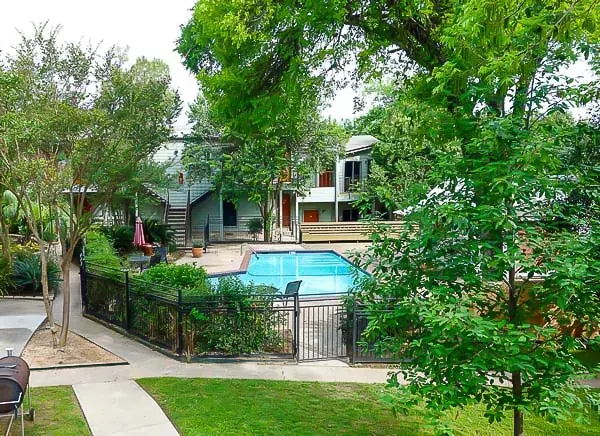
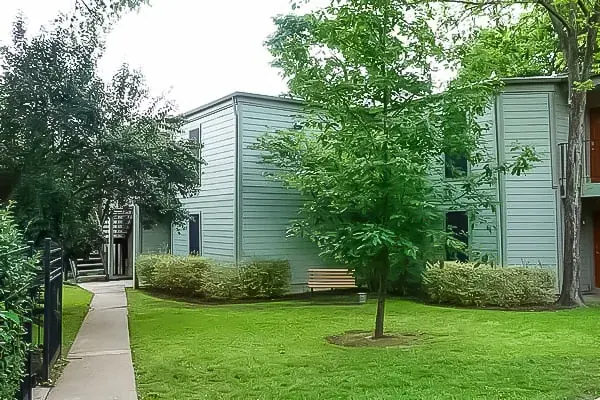
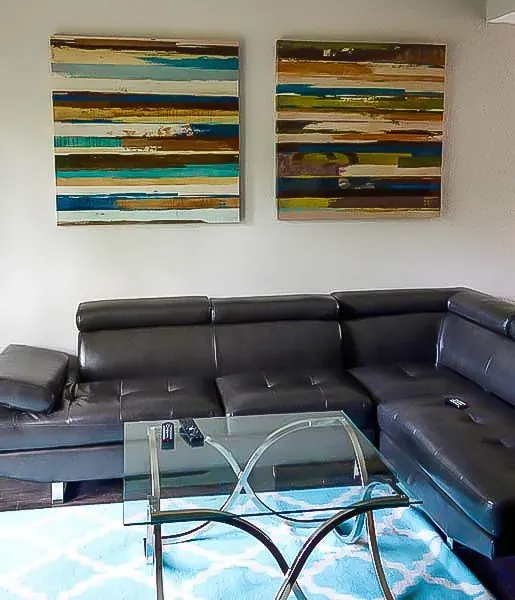
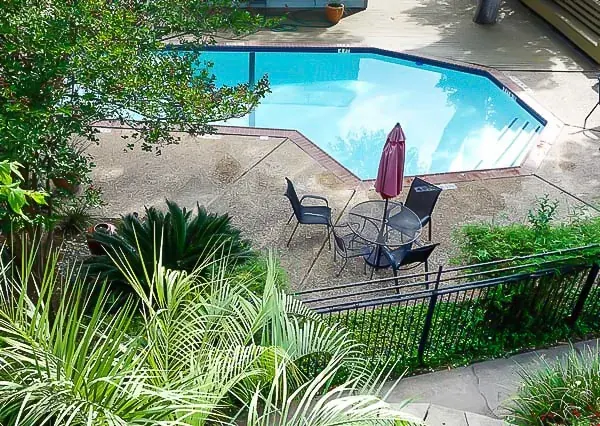
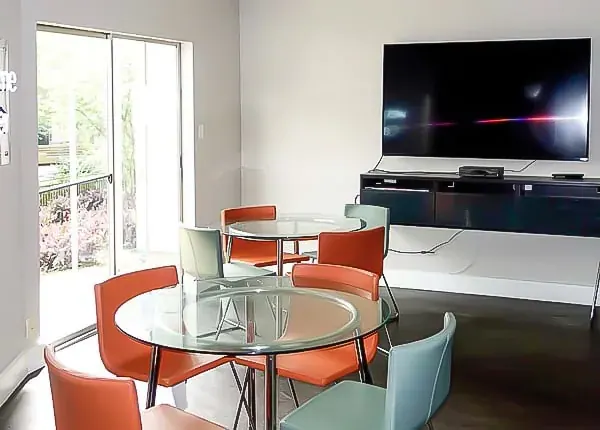
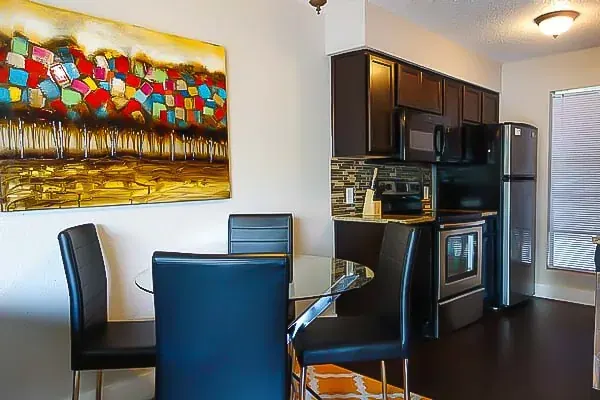
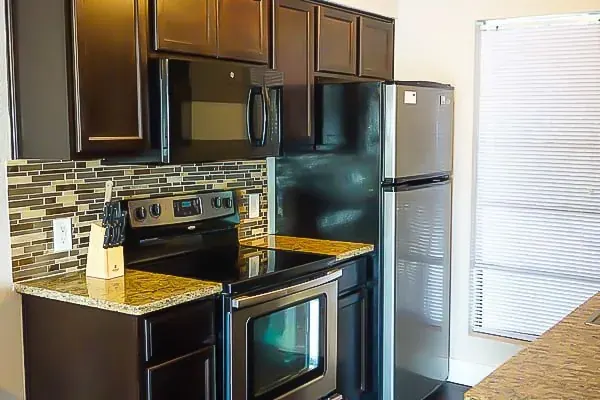
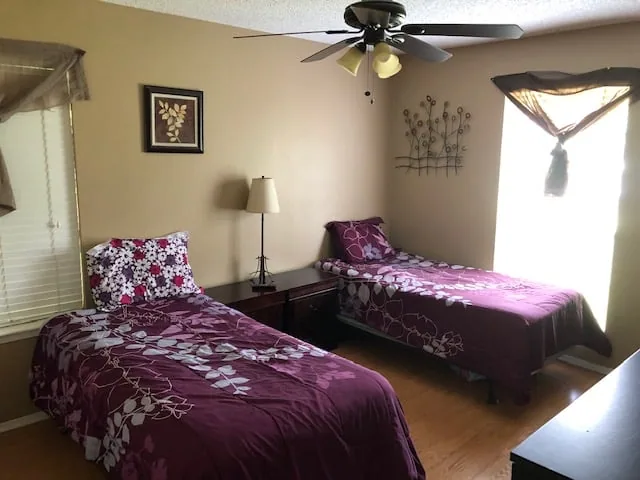
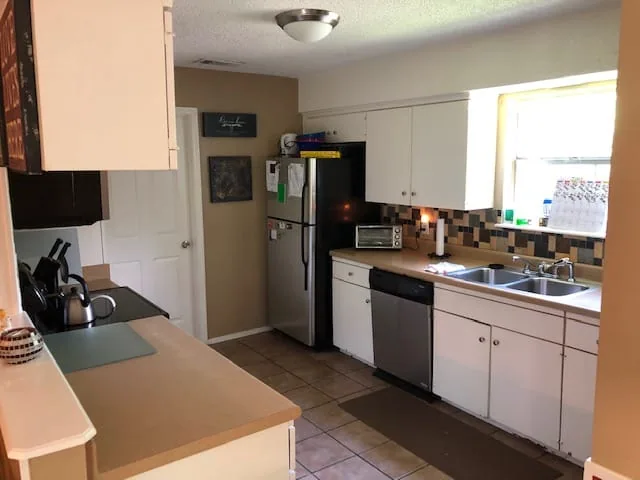
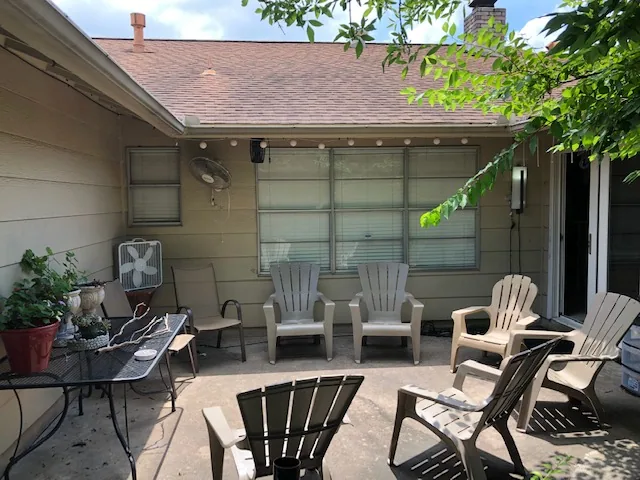
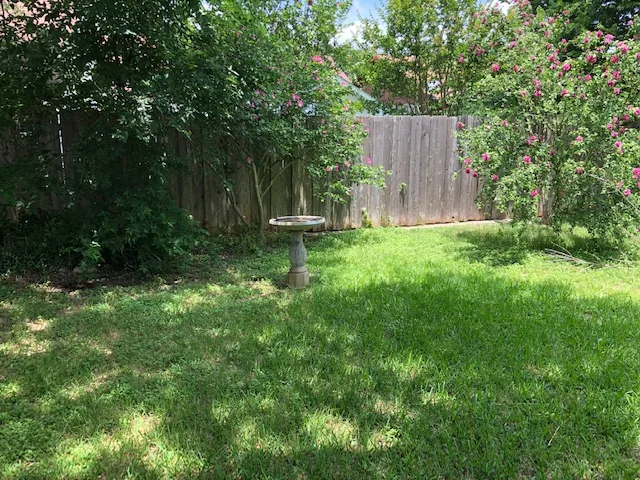
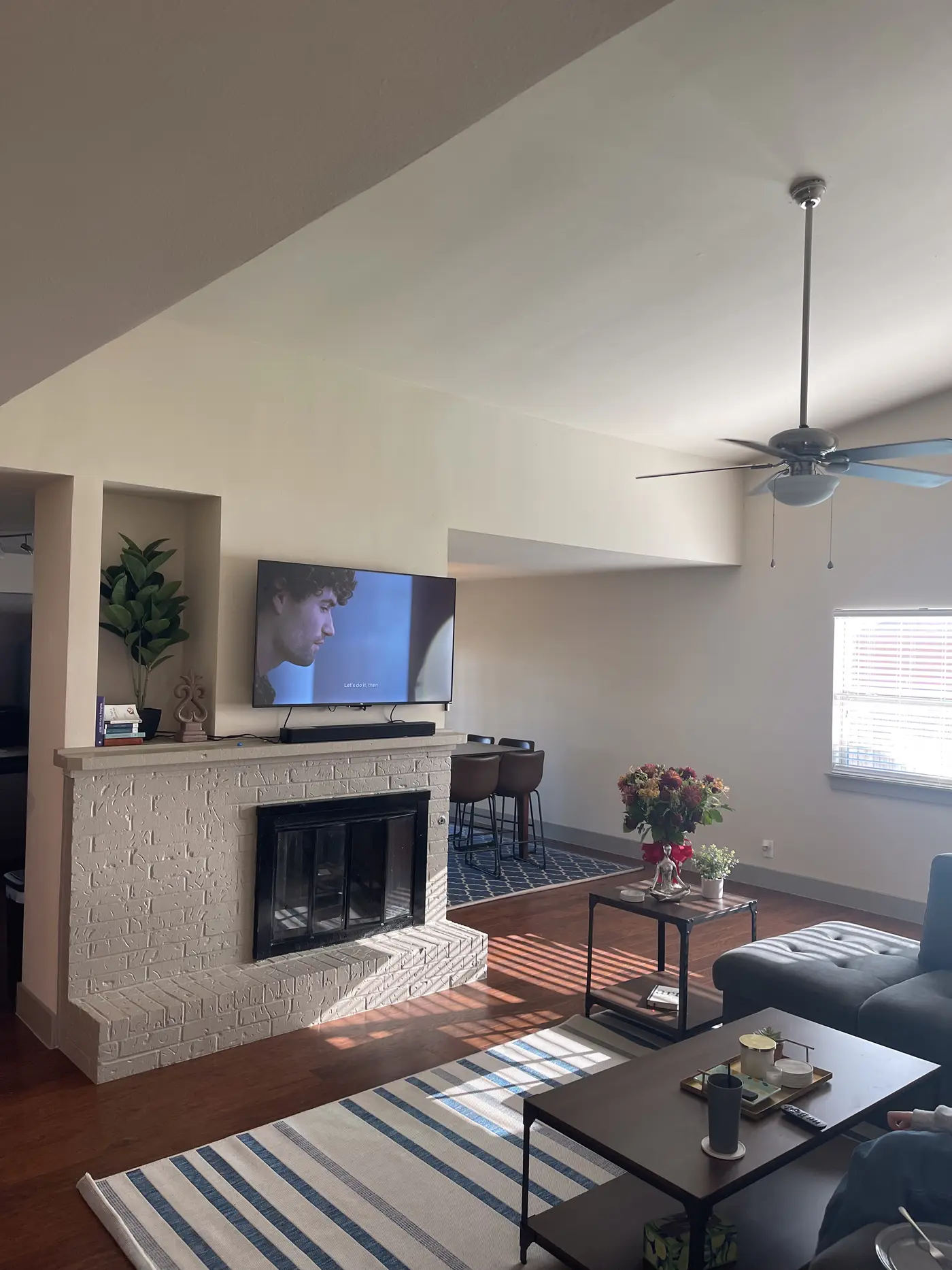
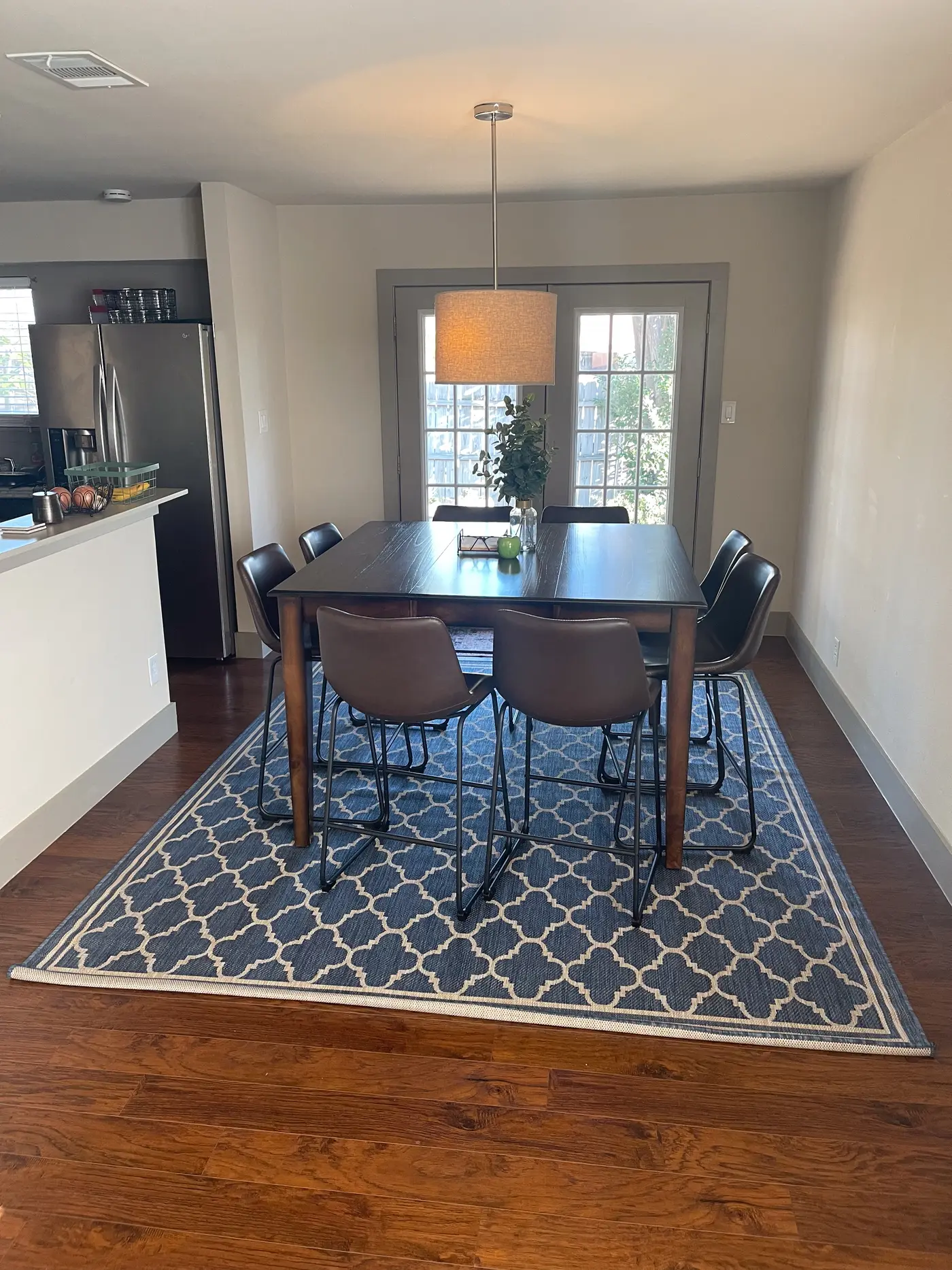
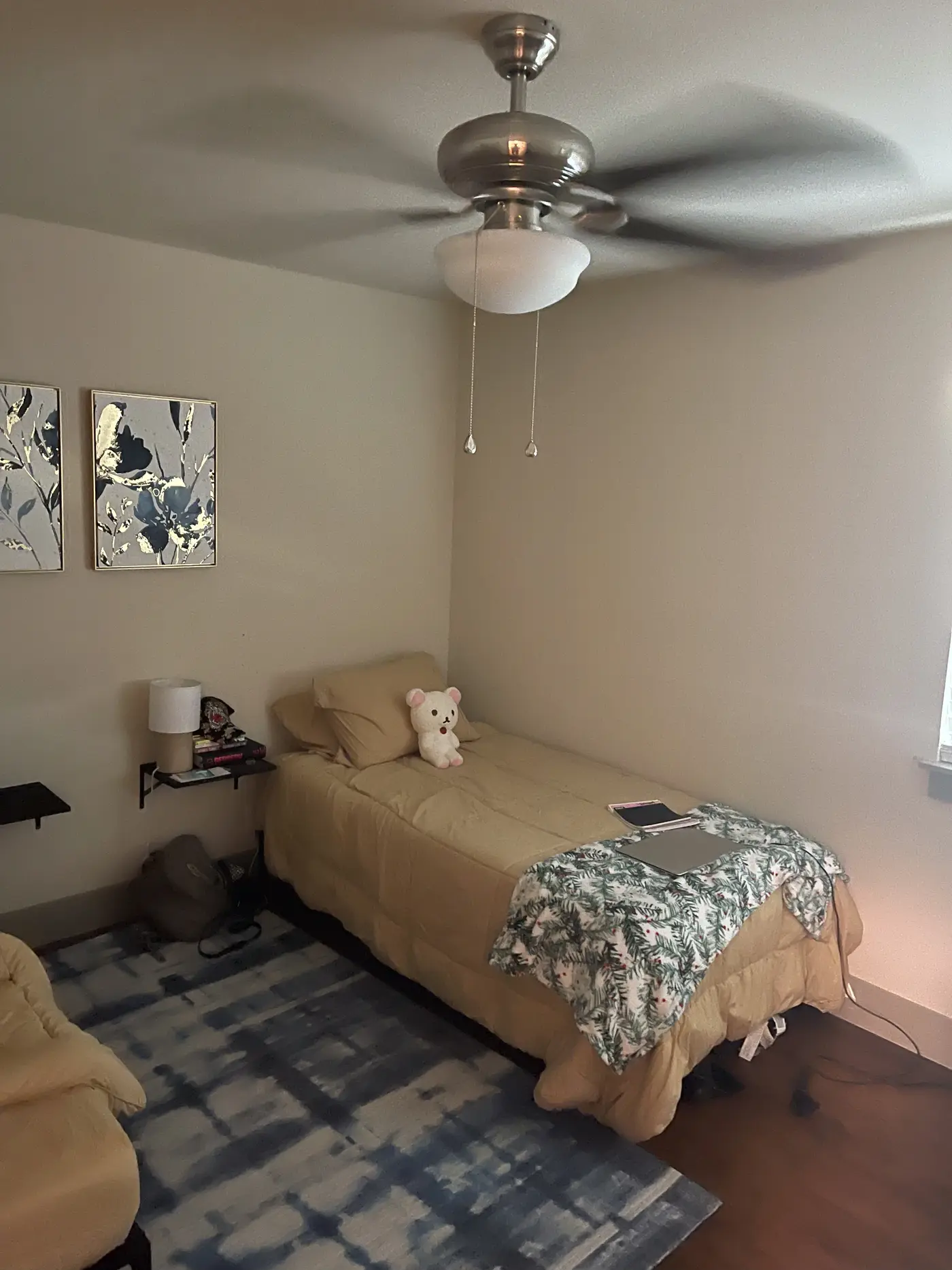
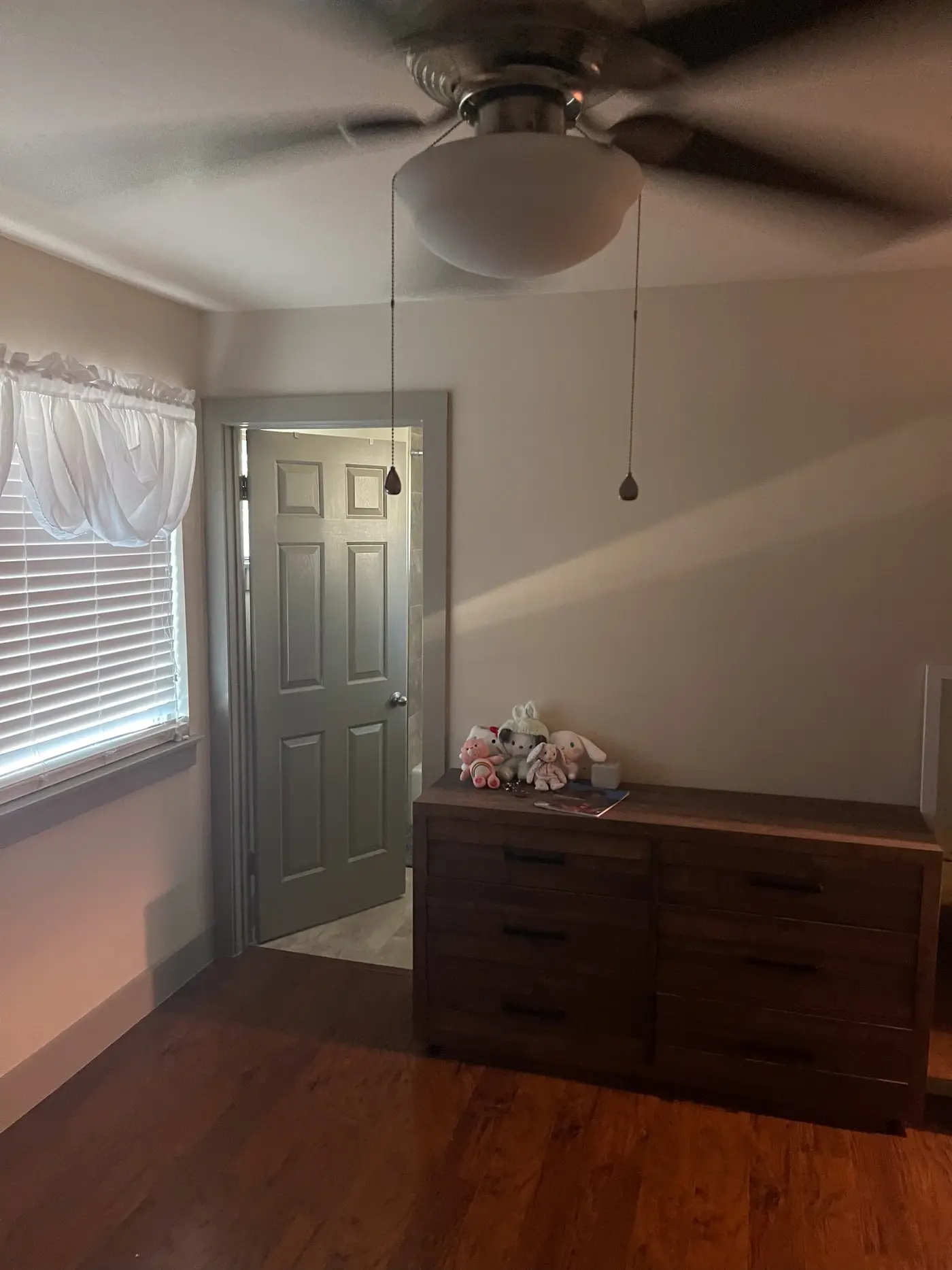
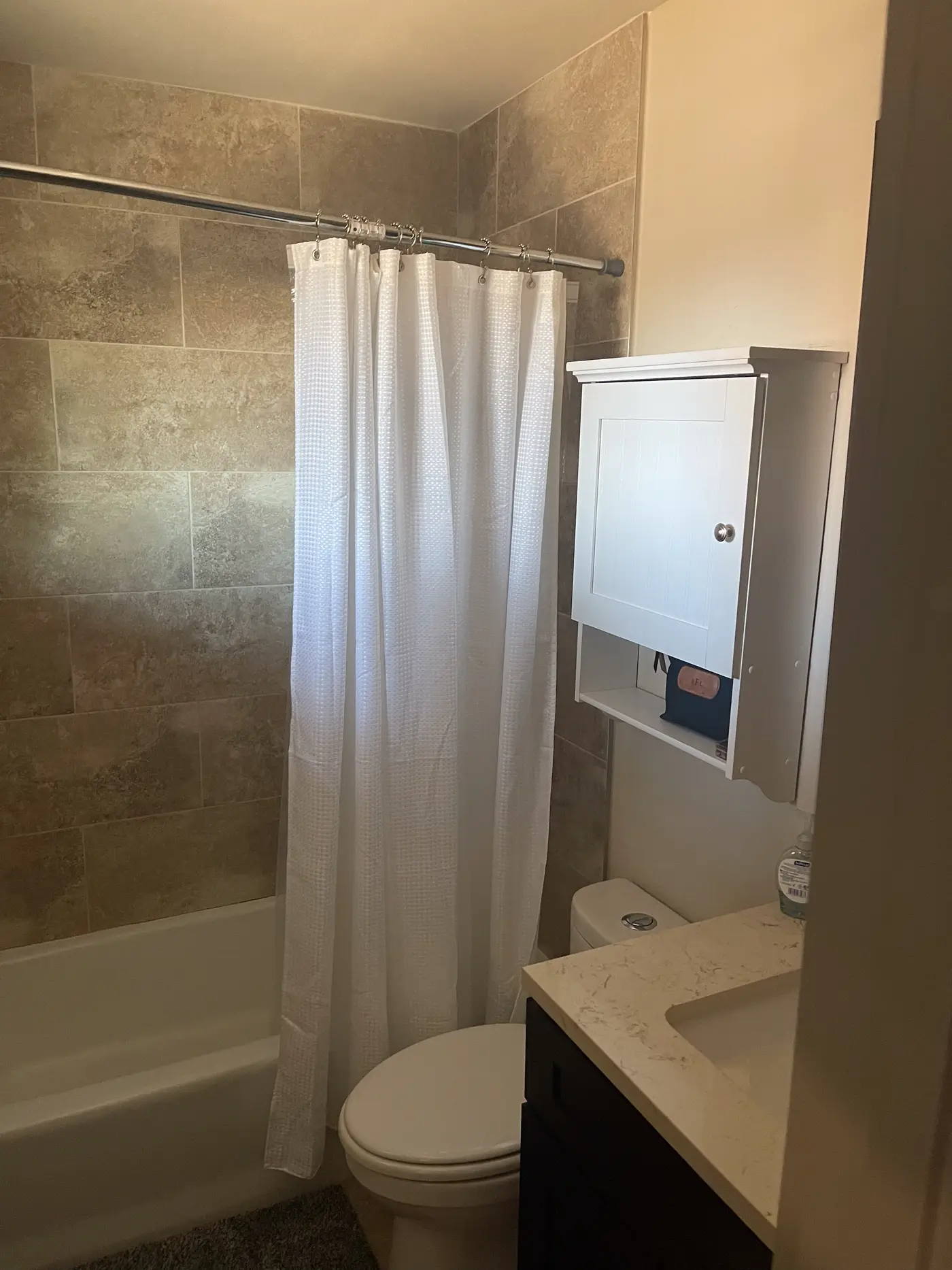
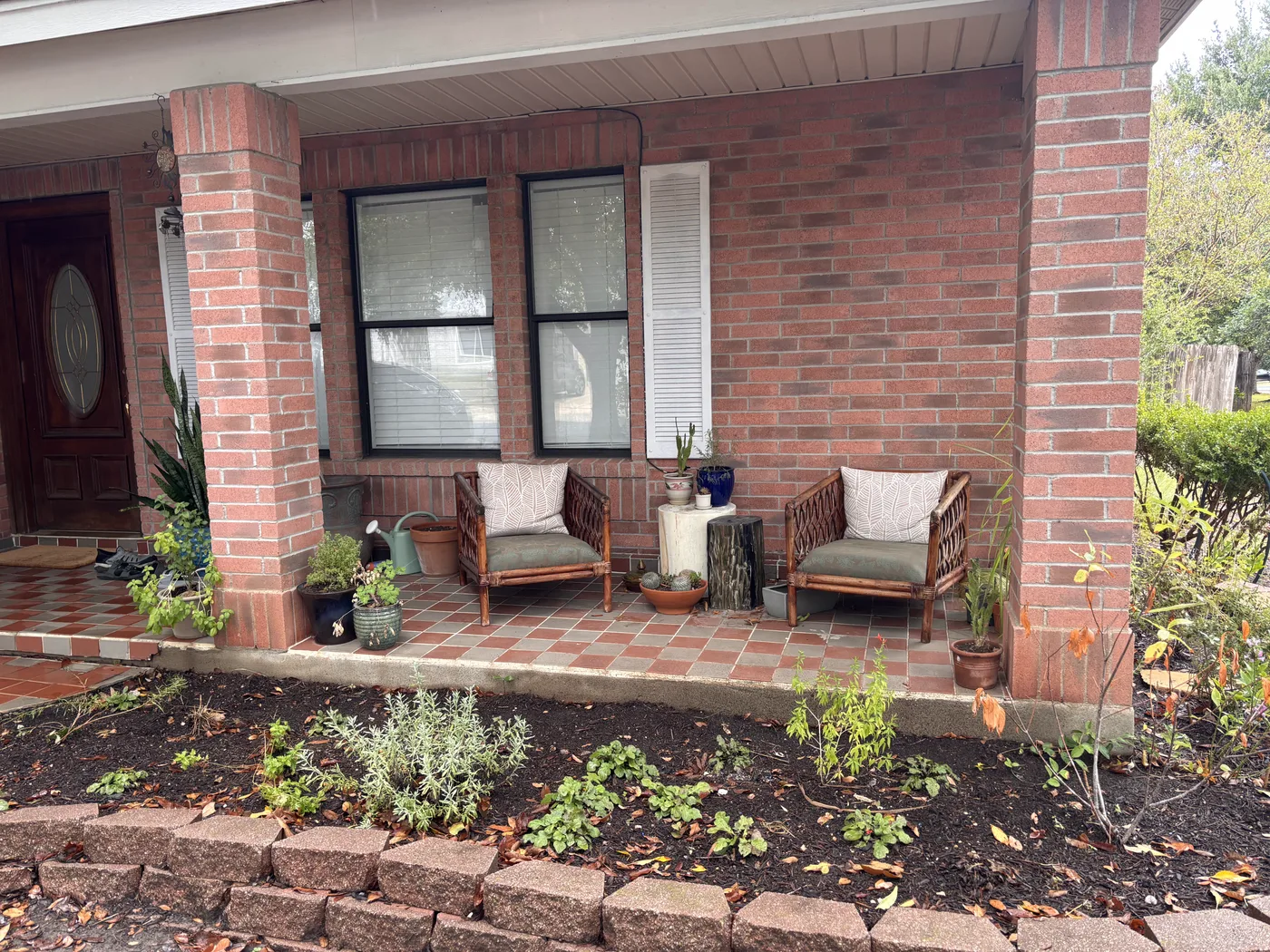
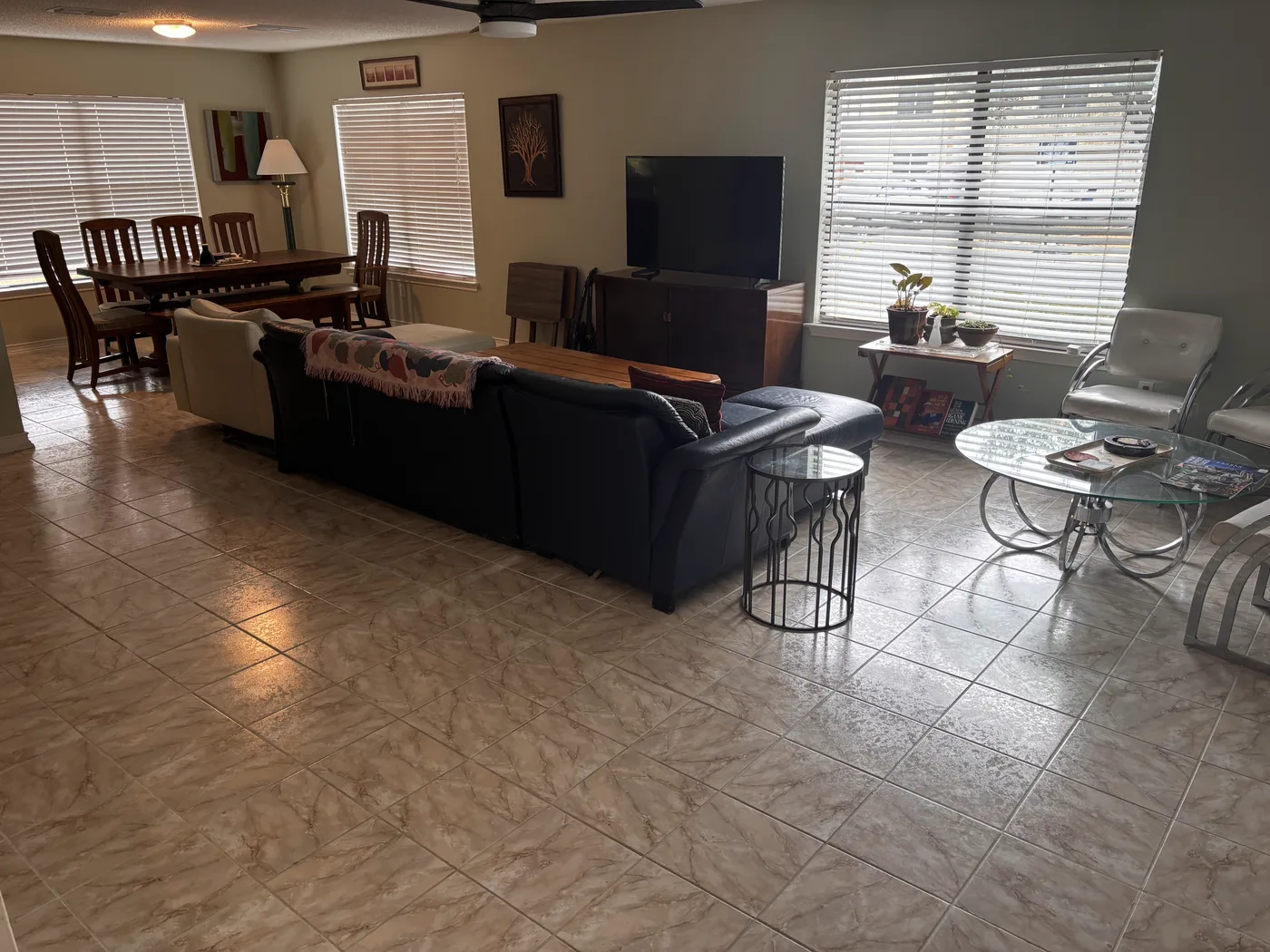
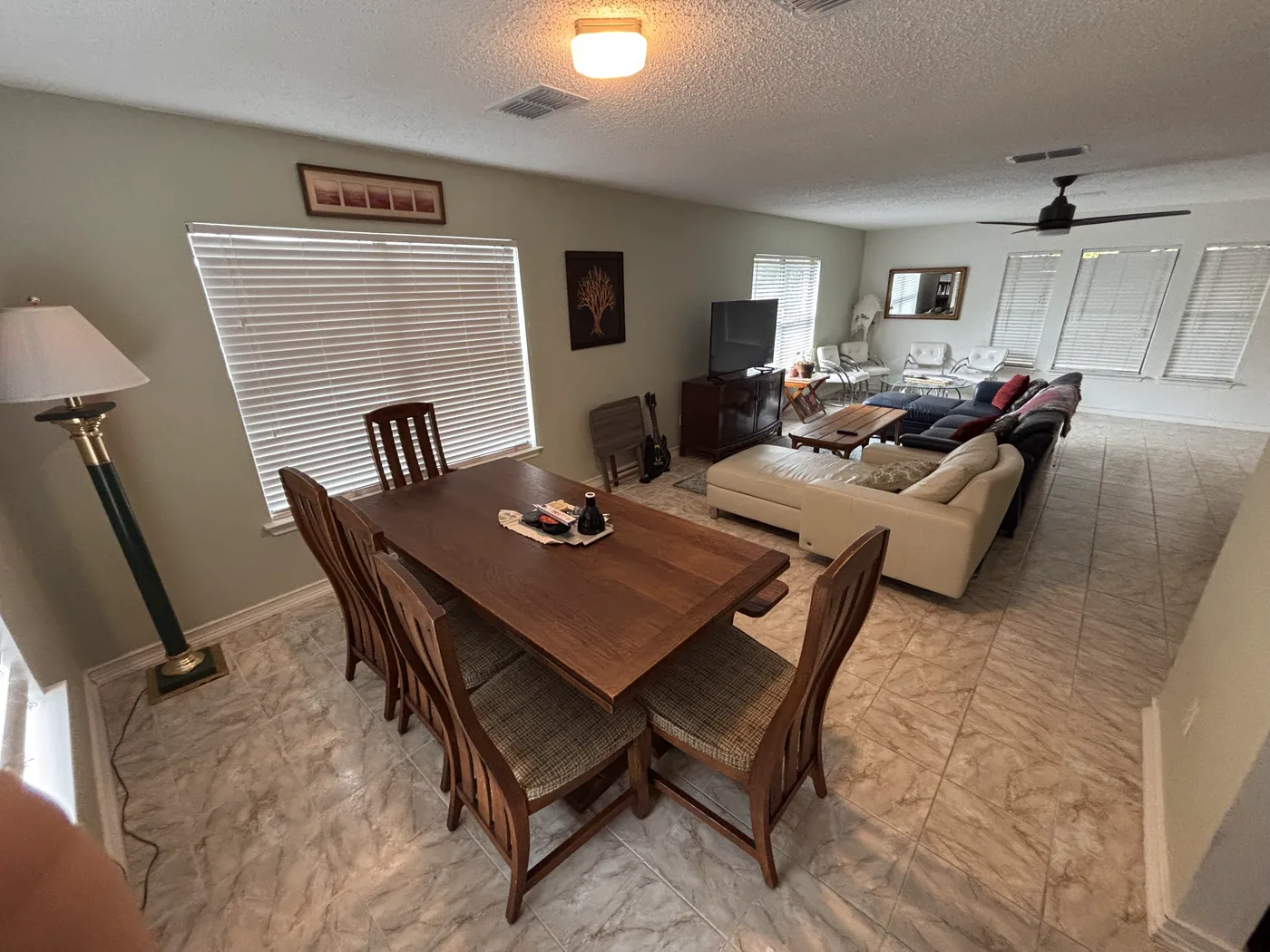
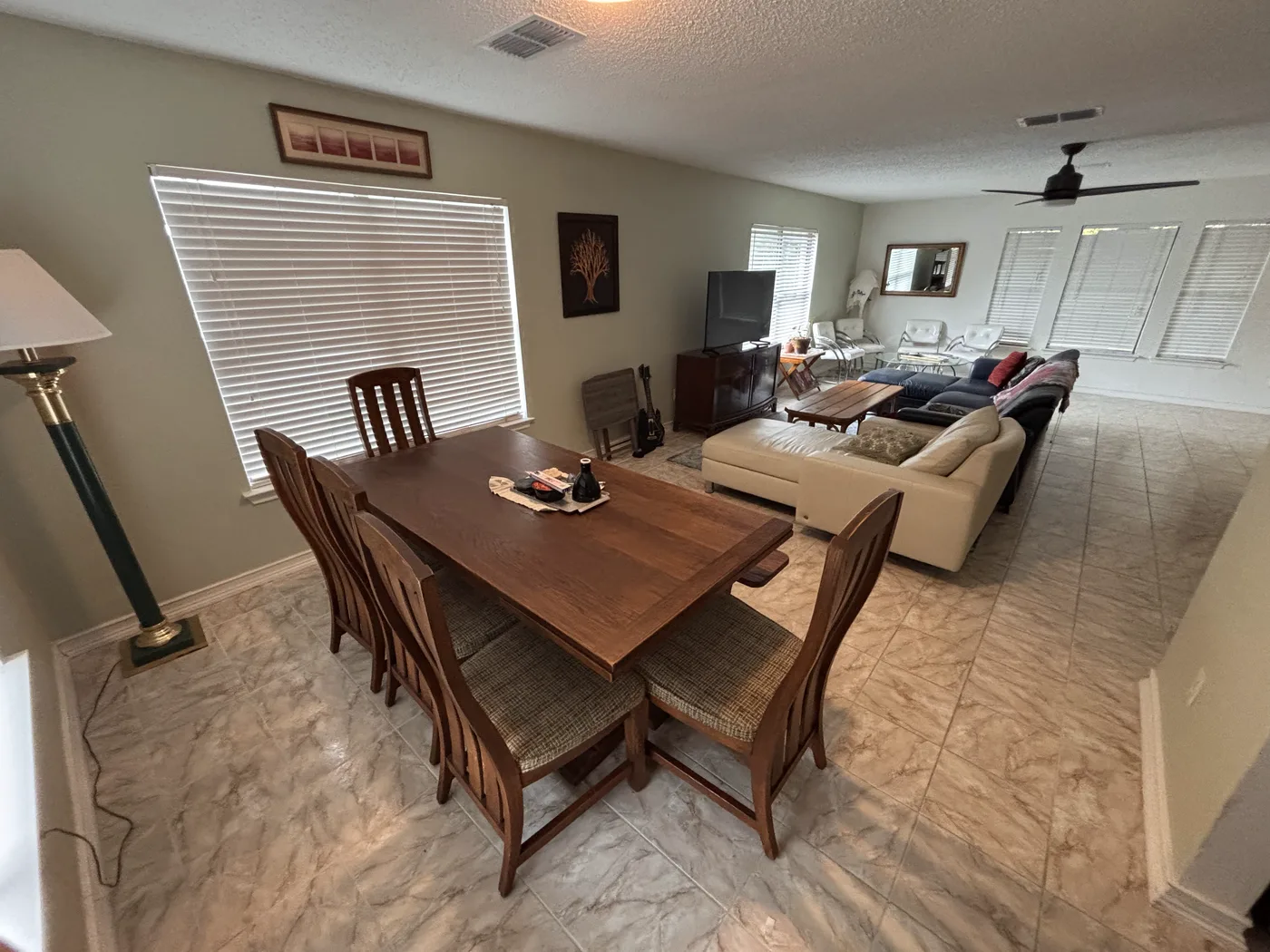
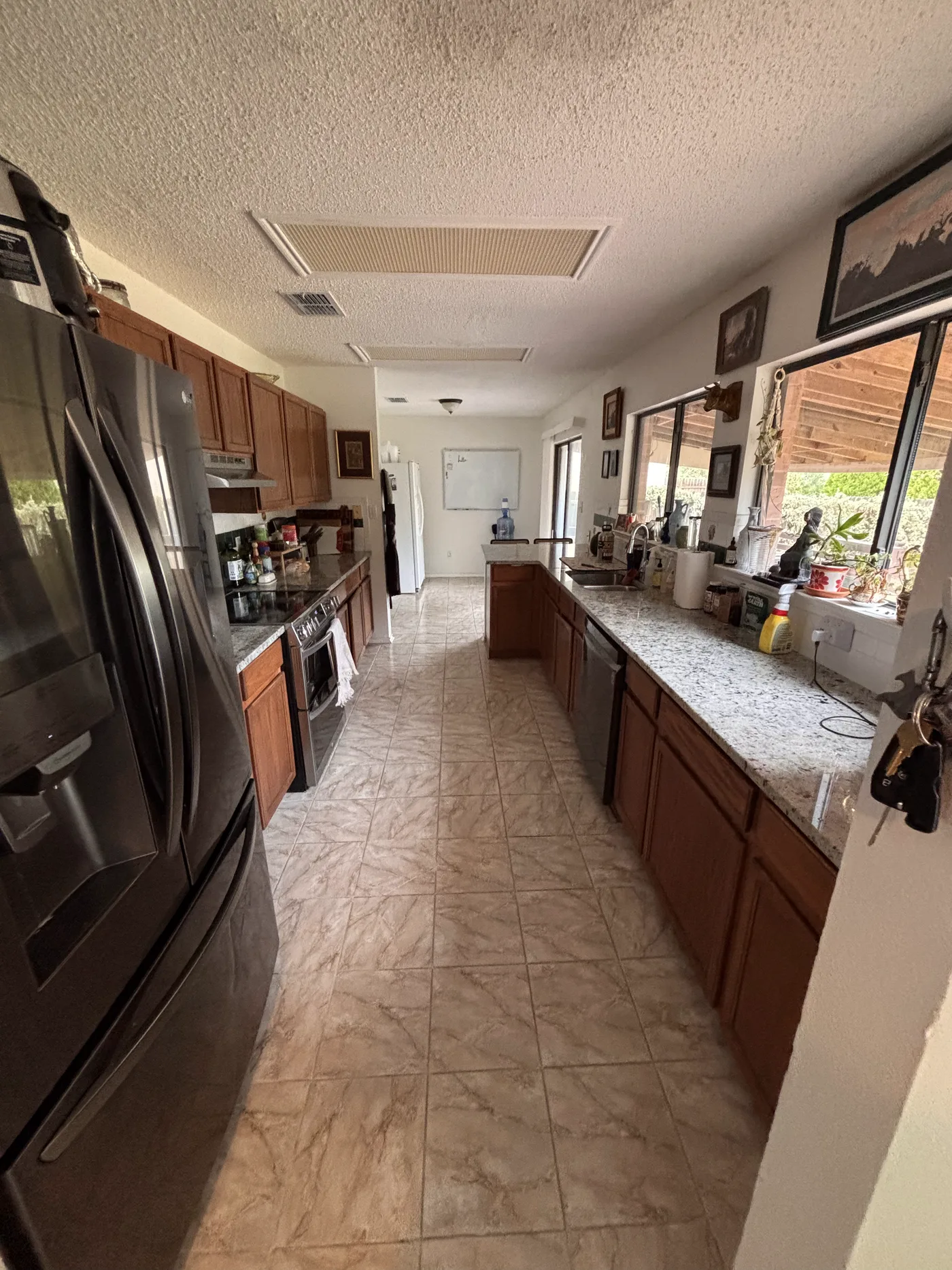
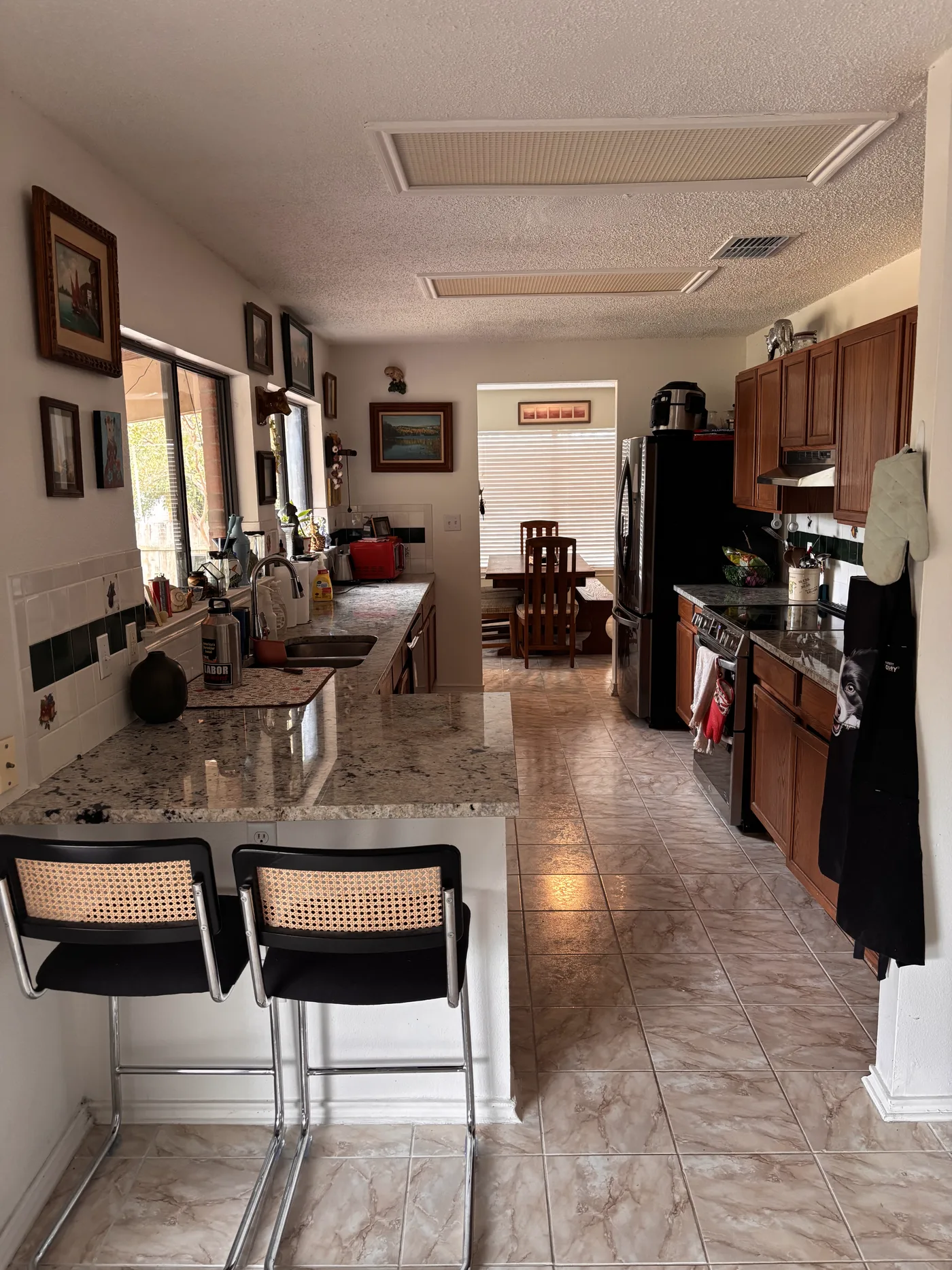
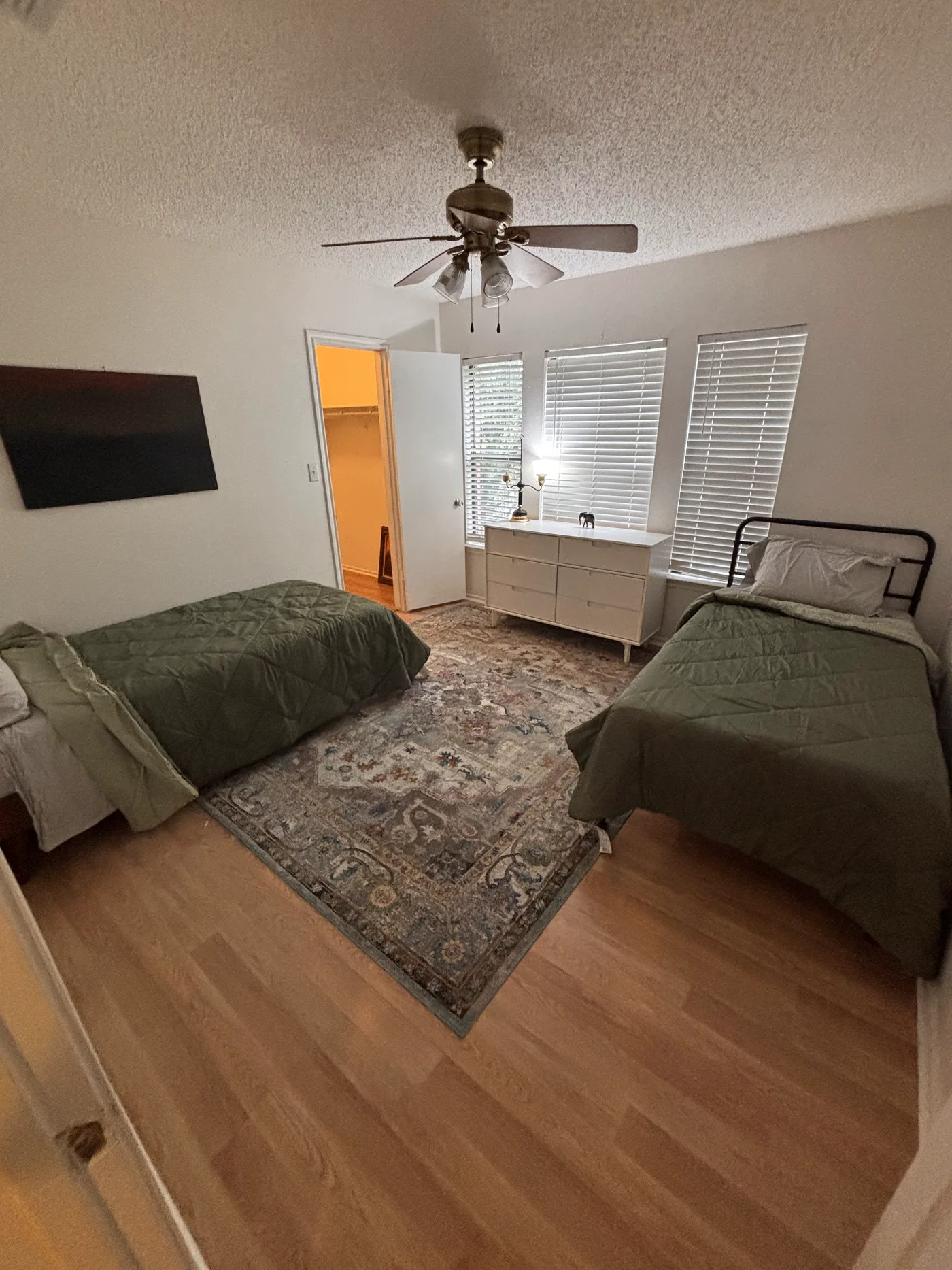
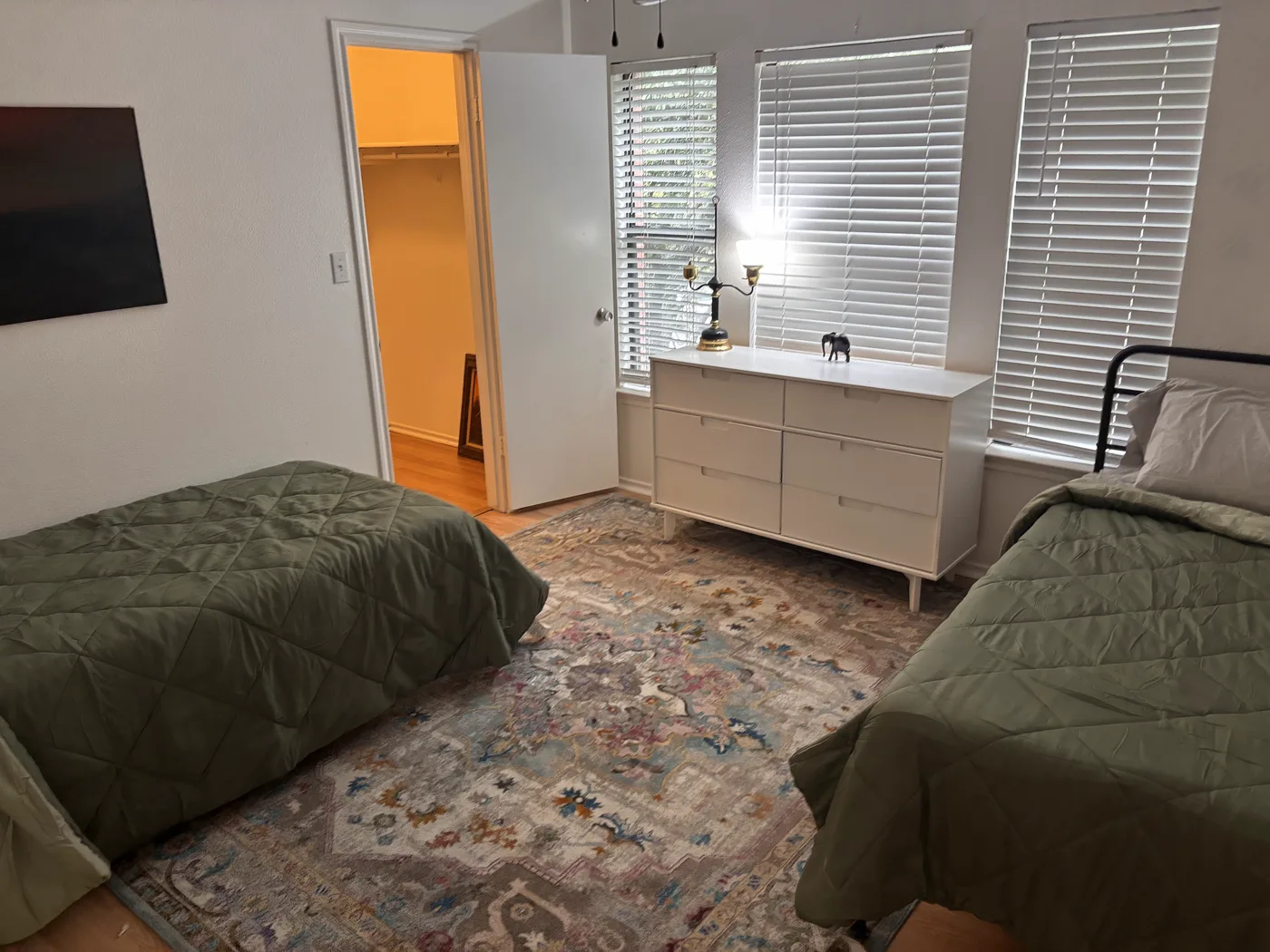
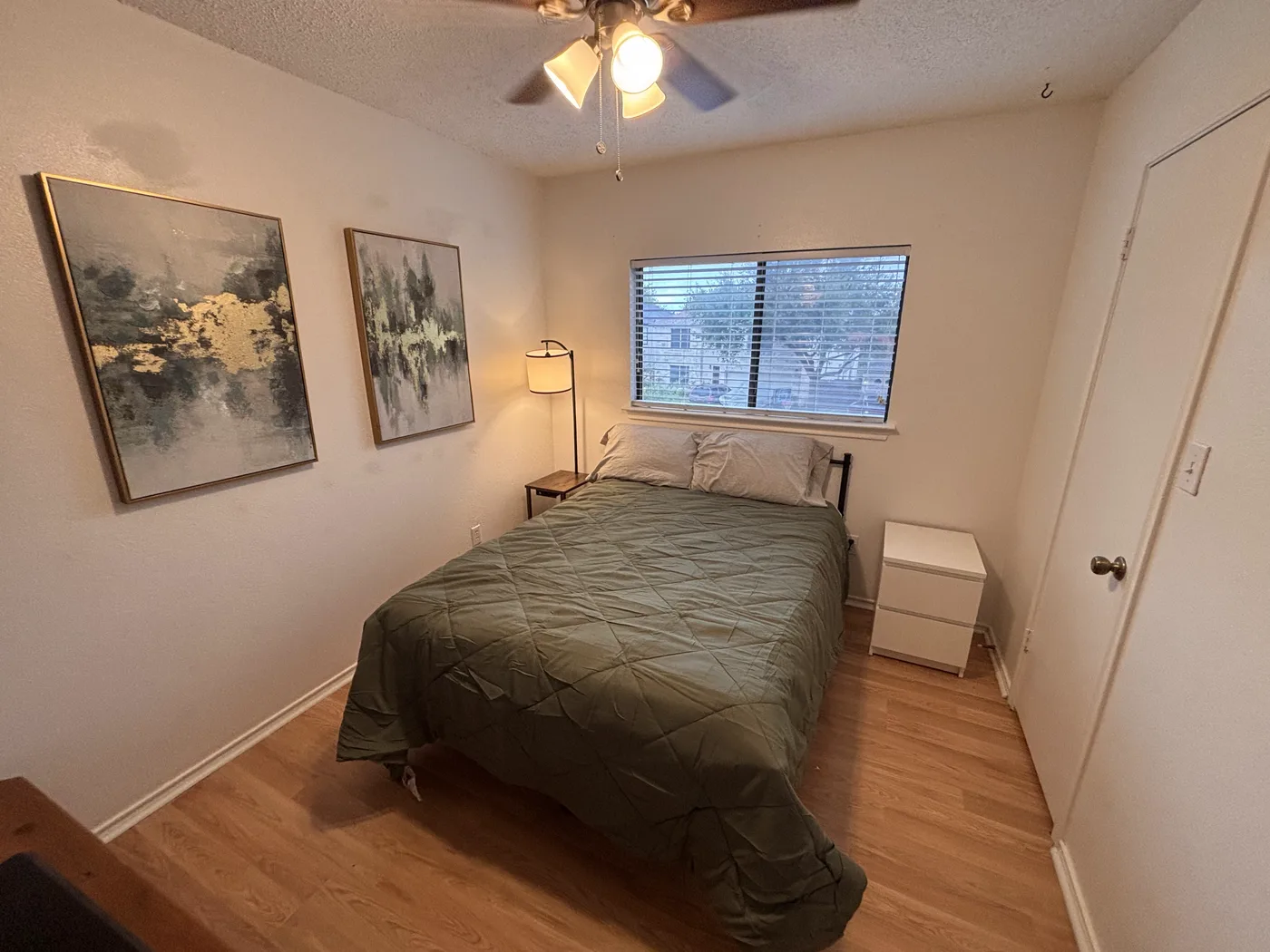
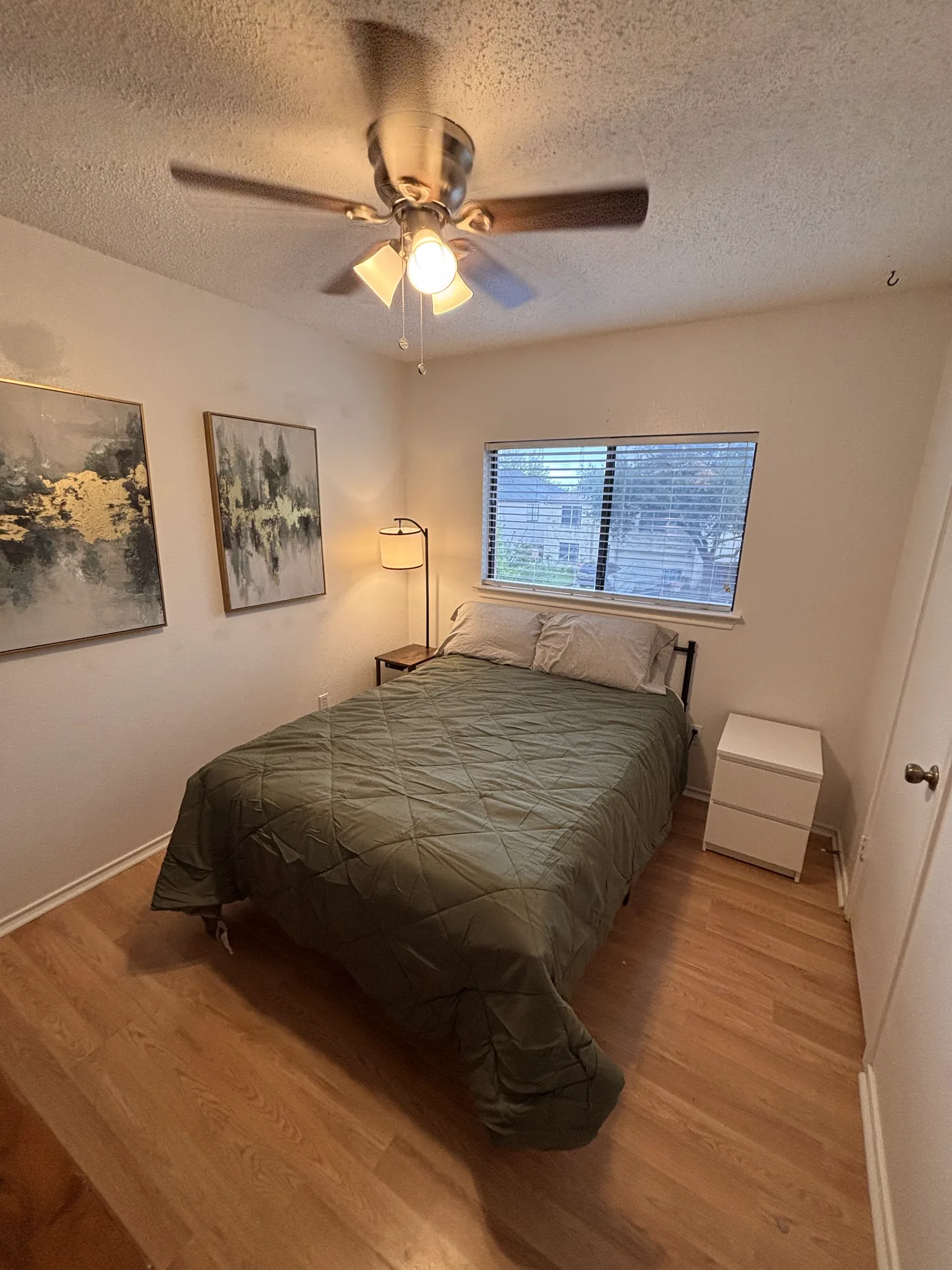
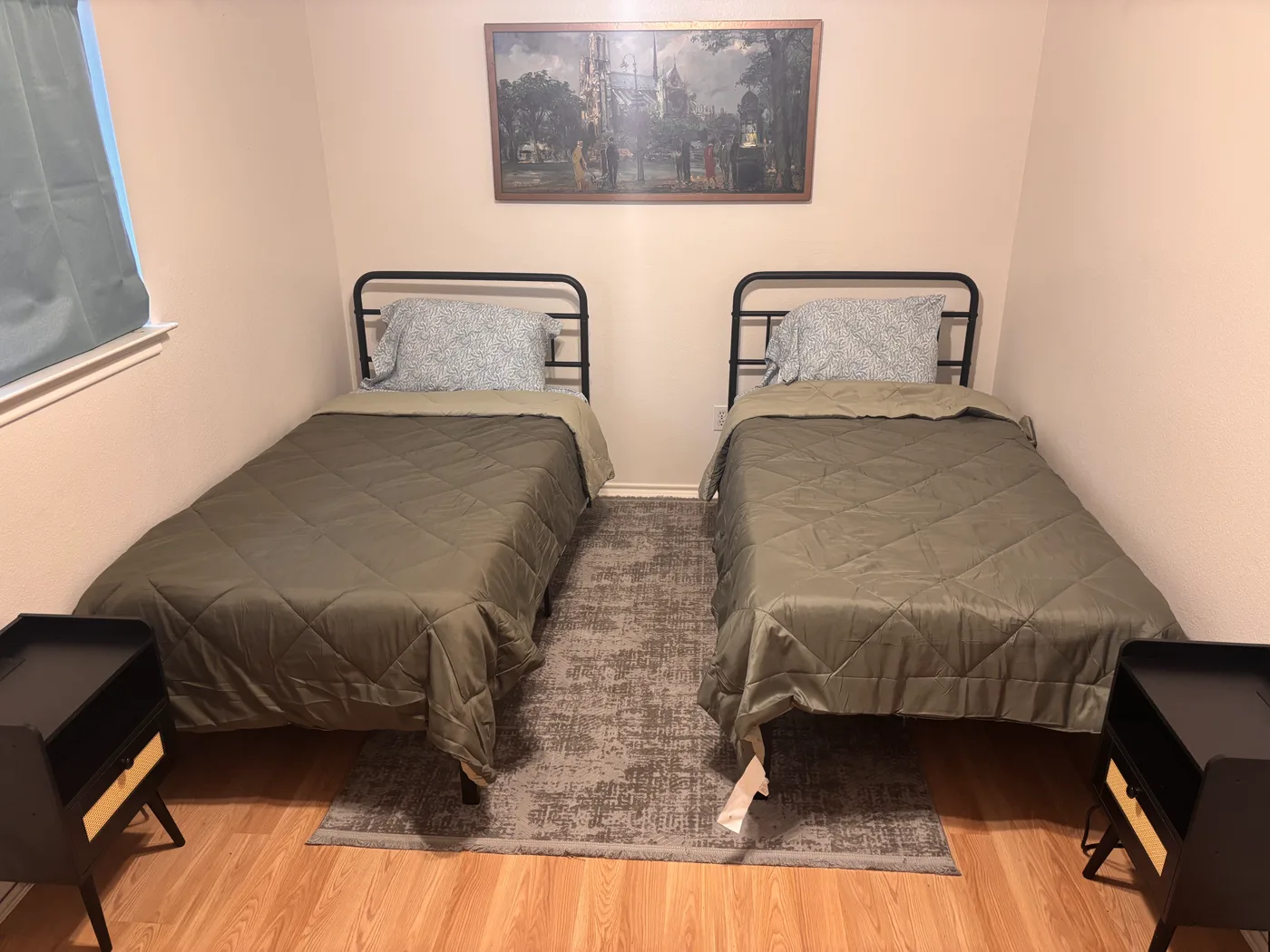
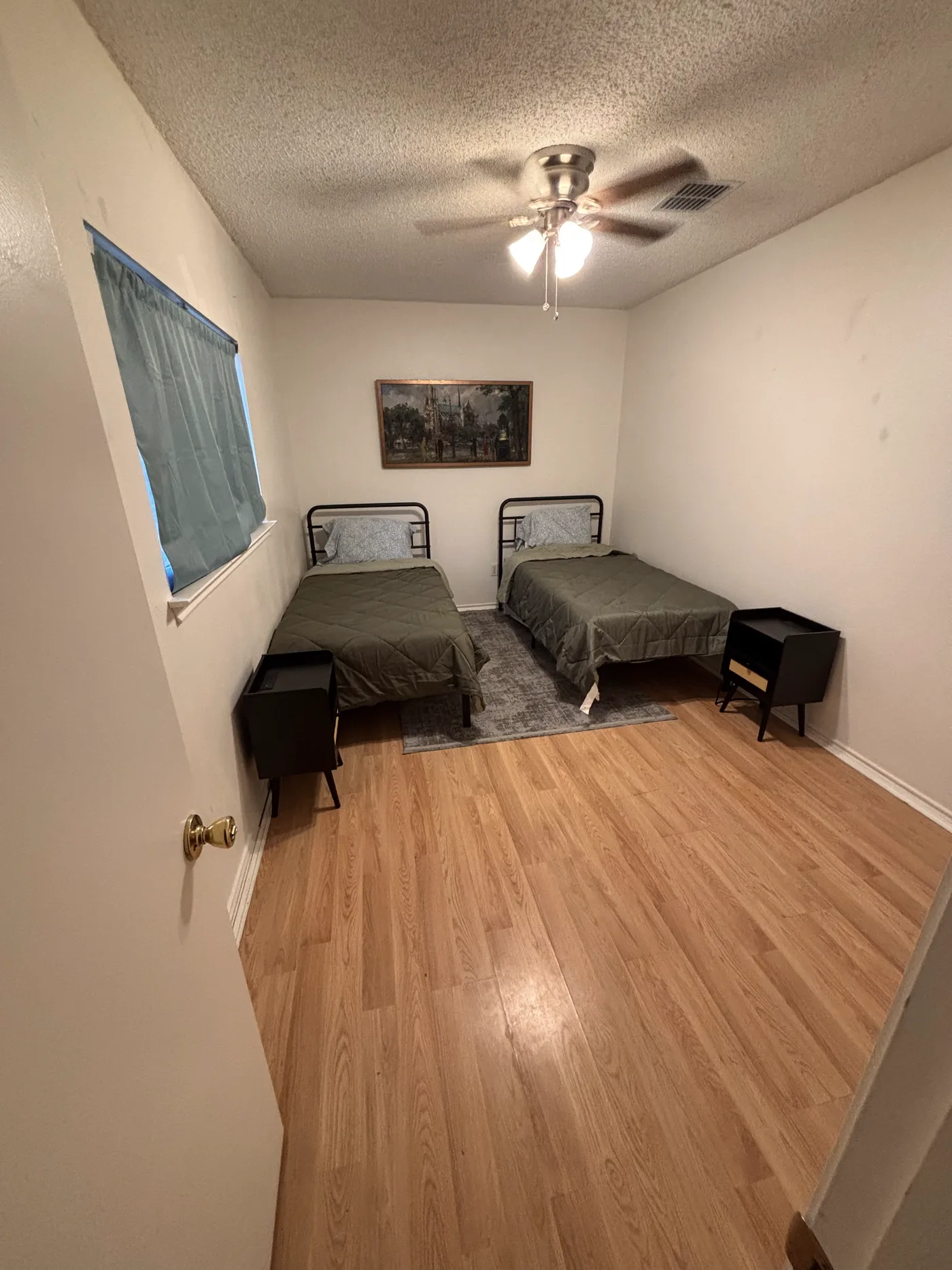
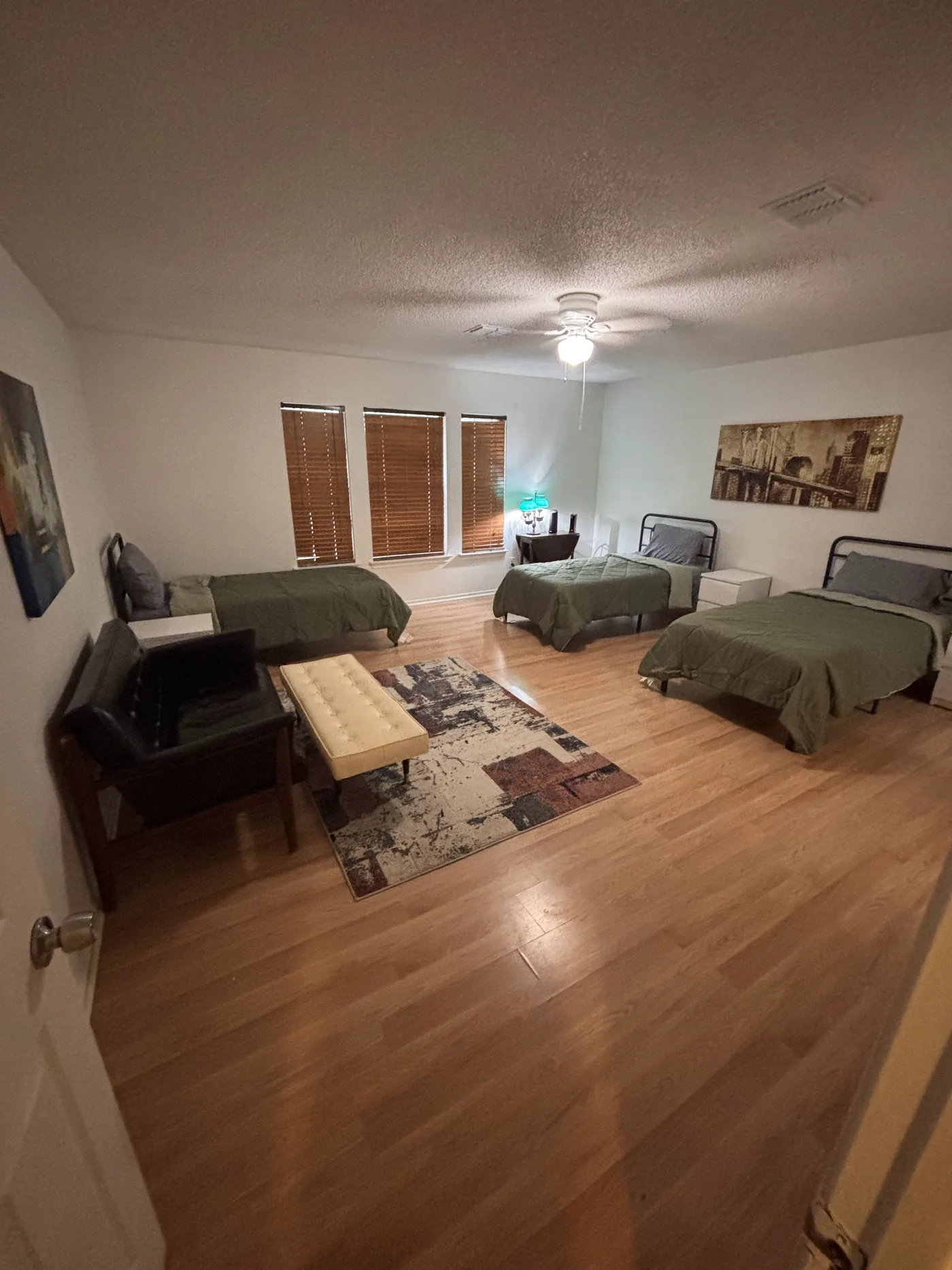
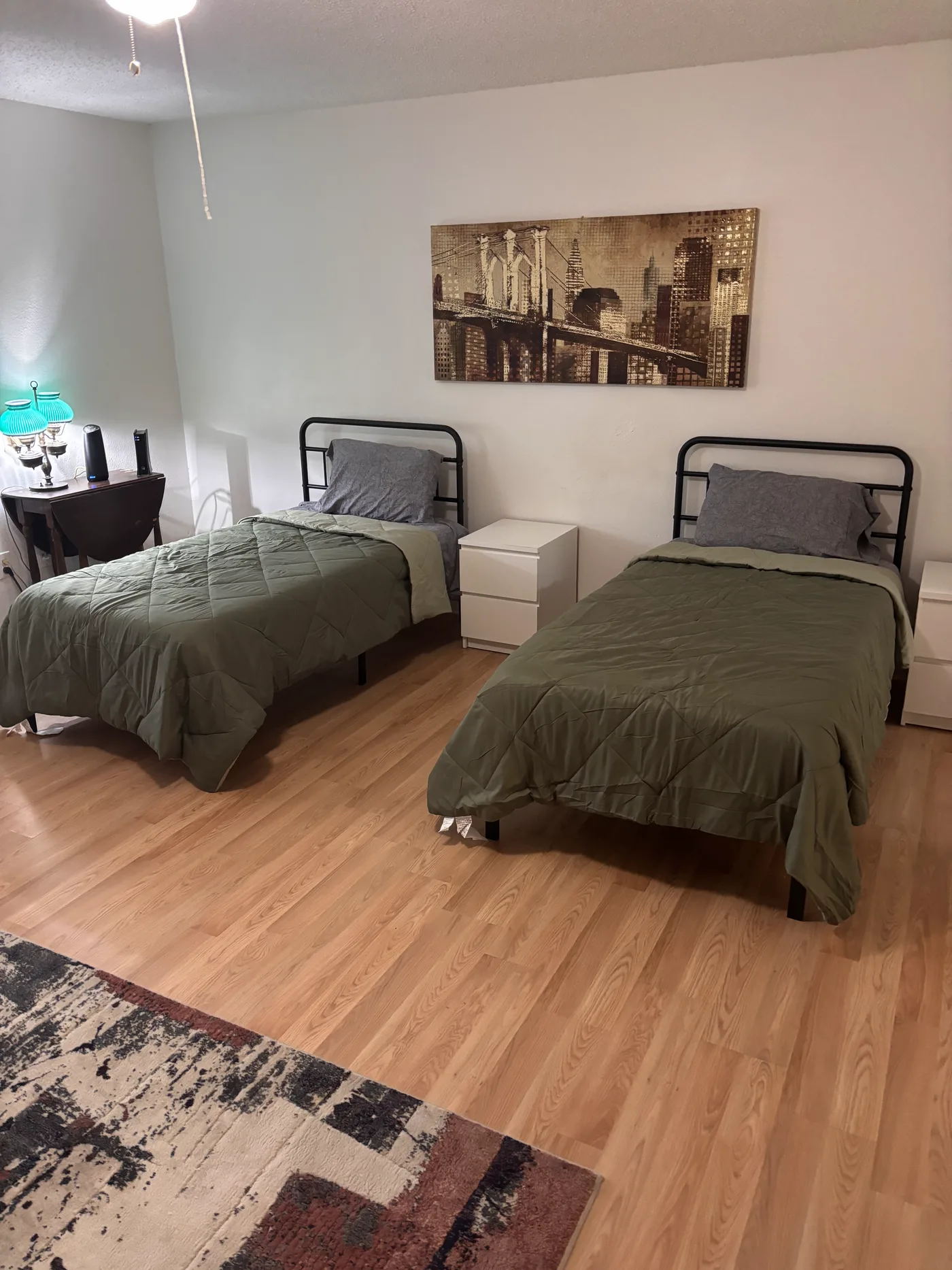
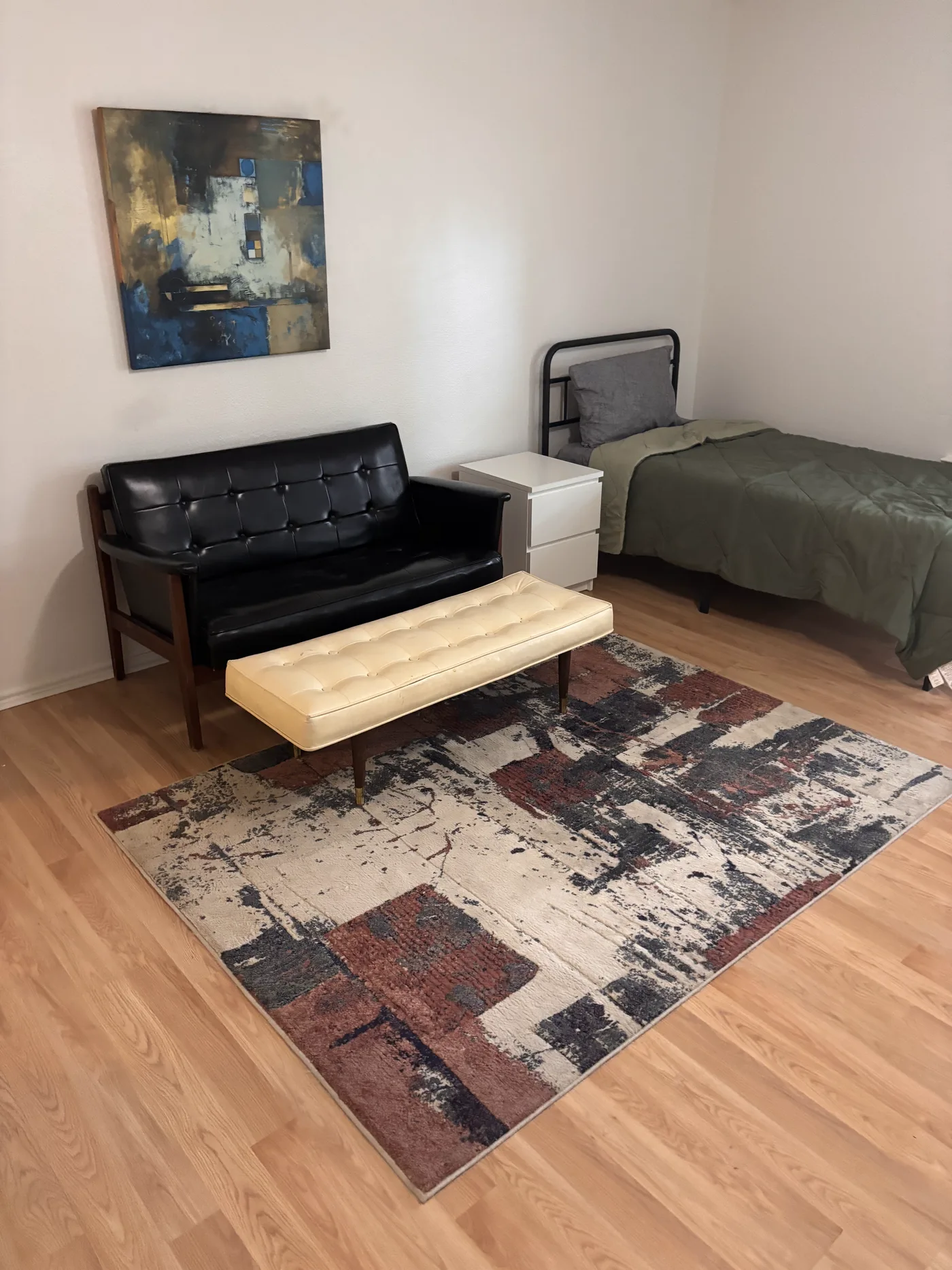
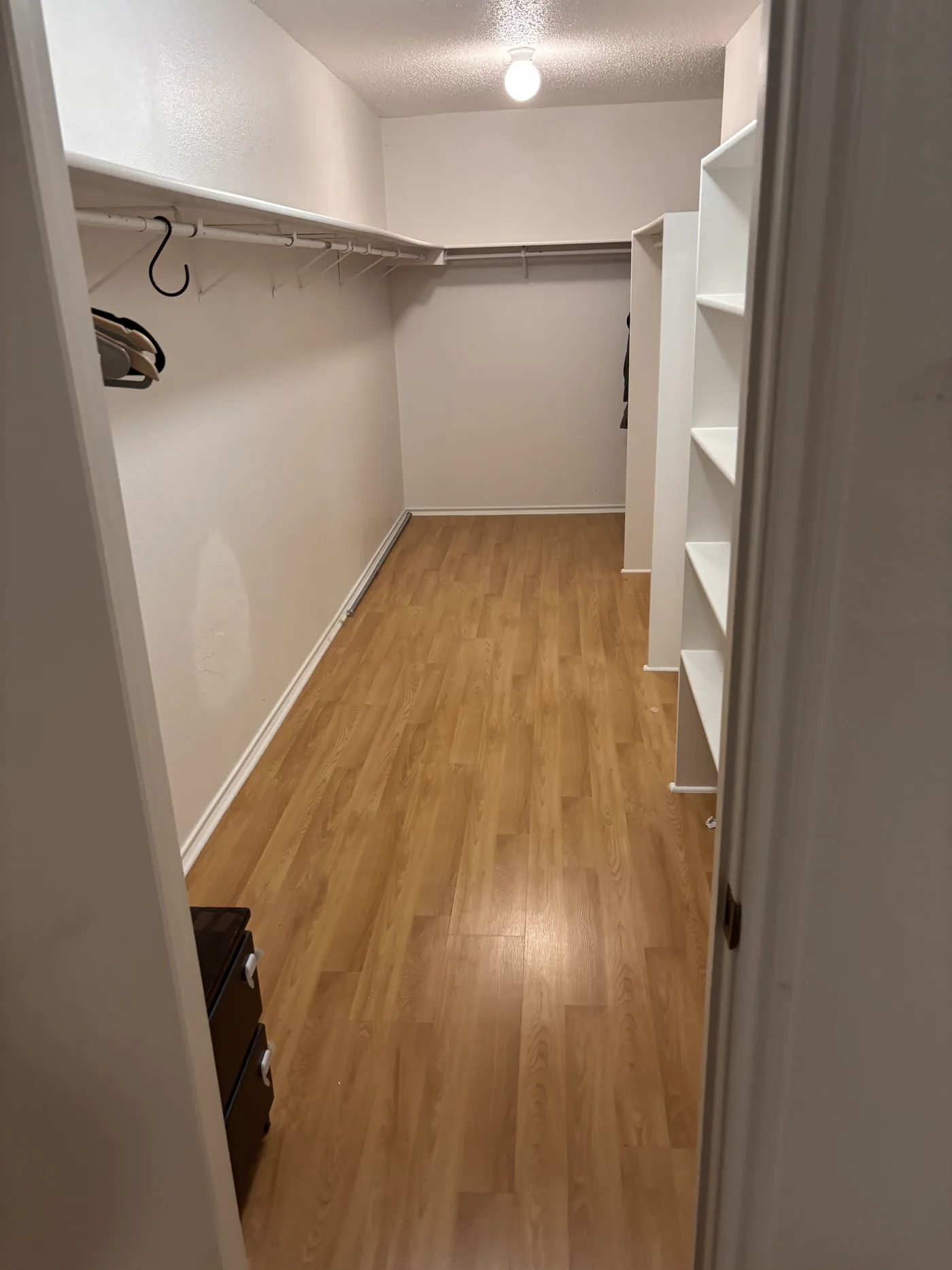
Inside the Austin homes

What Influences Sober Living Costs Across Cities
Several factors beyond base rent drive the variation in how much sober living costs in Austin, Texas compared to other cities:
- Local housing markets: Cities with higher median rents naturally see elevated sober living costs
- Room occupancy: Private rooms cost $400-$800 more monthly than shared arrangements
- Amenities and services: Transportation assistance, career counseling, or intensive case management increase fees
- Accountability structures: Homes with frequent random testing, live-in house managers, or clinical partnerships may charge more
- Certification status: State-certified or nationally accredited homes sometimes carry premium pricing
- Length of stay: Some programs offer reduced monthly rates for commitments beyond 90 days
The cheapest option isn’t always the best investment in your recovery. A home charging $1,400 monthly with robust accountability, engaged house management, and a strong peer community often delivers better outcomes than a $700 option with minimal structure and high turnover.
Payment Options and Insurance Considerations
Most sober living homes operate as private-pay arrangements, meaning residents cover costs directly rather than through insurance claims. However, payment flexibility varies by provider. Some accept weekly or bi-weekly payments to align with paycheck schedules, while others require monthly payment in advance.
Certain insurance plans cover portions of sober living costs when coordinated with outpatient treatment programs. If you’re attending intensive outpatient (IOP) or partial hospitalization (PHP) services, your insurance might reimburse some recovery housing expenses as part of your continuum of care. Verification of benefits before committing to a sober living arrangement helps clarify what financial support may be available.
Payment plans, family assistance, and employer-sponsored recovery programs represent other funding avenues. Some residents work out agreements with family members who understand that three to six months of stable recovery housing costs less than another cycle of active addiction. Others access employee assistance programs (EAPs) that support recovery housing as a retention investment.
Making the Financial Commitment to Recovery Housing Work
The monthly cost of sober living represents a significant line item for most people in early recovery. Balancing rent, food, transportation, and other necessities while potentially working entry-level positions requires planning. Many residents find that sharing transportation, meal-prepping communally, and minimizing discretionary spending makes the math work.
Employment often becomes possible faster than you might expect. Most sober living homes require residents to work, attend school, or engage in structured volunteer activities within the first few weeks. This expectation serves recovery goals, providing purpose, routine, and financial stability, while making the monthly investment sustainable beyond initial savings or family support.
Consider your recovery housing cost against the price of relapse. Emergency room visits, legal consequences, lost employment, and damaged relationships carry financial and personal costs that dwarf sober living expenses. Viewing recovery housing as preventive investment rather than pure expense shifts the calculation.
Choosing the Right City and Price Point for Your Recovery
Comparing sober living costs across Austin, Houston, San Antonio, Colorado Springs, Philadelphia, and Baton Rouge reveals that geography isn’t the only variable that matters. Yes, San Antonio and Baton Rouge offer lower price floors, and Austin and Colorado Springs trend higher. But the right choice depends on where you have existing support, employment prospects, and community connections that reinforce sobriety.
A $900 sober living arrangement in a city where you’re isolated and disconnected delivers less value than a $1,500 home in a community where you have twelve-step home groups, potential employers who understand recovery, and family within visiting distance. The cost comparison informs your decision; it doesn’t make the decision for you.
Ask detailed questions before committing. What’s included in monthly fees? Are utilities bundled or separate? How often does random testing occur? What’s the average length of stay, and do longer commitments earn rate reductions? What employment or education support exists? These answers reveal whether the price represents genuine value or just a number.
Recovery housing works when the structure, community, and accountability align with your needs and the investment fits your financial reality for at least 90 days, the minimum stay most experts recommend for sober living to significantly impact long-term outcomes. Whether that happens in Austin at $1,400 monthly or San Antonio at $1,000 depends on your complete situation, not just the price tag.
If you’re exploring sober living options and want to understand how our homes in Austin, South Austin, Houston, San Antonio, Colorado Springs, Philadelphia, or Baton Rouge might fit your recovery journey and budget, Eudaimonia Recovery Homes is here to answer your questions and verify what payment options may work for your situation.
Ready to take the next step?
Eudaimonia Recovery Homes provides structured sober living and recovery support in Austin, TX. Call (512) 240-6612 to speak with our team today.


