

Published April 24, 2026 · Updated August 5, 2026
Key Takeaways
- The first month is mainly about stabilization, structure, curfews, meetings, chores, and rebuilding a safe daily routine.
- Days 31–90 often bring more freedom, but accountability remains important because confidence can grow before stability is fully tested.
- The 90-day mark can feel like the right time to leave, but many residents benefit from staying longer.
- Months 6–12 give residents more time to integrate recovery into work, relationships, savings, and independent living skills.
- Long enough usually means more than a calendar goal; it means the resident has stability, support, and a realistic plan for life after sober living.
On This Page · 10 Sections

Sober Living
Austin
10506 Parkfield Dr, Austin, TX 78758
Most families ask the same question in the first phone call: how long will I, or my loved one, stay in sober living? The answer in Austin usually surprises them because it is not a single number. It is a gradient. Below is the timeline we have watched play out for hundreds of residents in our Austin men’s and women’s houses, and the milestones that typically matter more than the calendar.
If you are still comparing local housing options, our sober living Austin TX overview explains available homes, structure, and support. Men can also review our men’s sober living in Austin page for details about housing, structure, and availability. Women can explore our women’s sober living in Austin page to learn more about recovery housing designed for stability and accountability.
The first 30 days: stabilization, not growth
The first month is about routine. Curfews are firm, meetings are daily, and house chores are rotational. Regular drug and alcohol screening also helps protect the safety and accountability of the home. Outside of structured activities, most residents are either at work, at IOP, or at meetings. For residents who need clinical support during this stage, our intensive outpatient program can pair treatment with sober living structure. This is the period where people most often feel the structure is a lot, and it should be. The job of the first 30 days is not growth; it is keeping the floor stable enough that growth becomes possible.
SAMHSA notes that quality recovery housing best practices should support a safe living environment, recovery support, and community connection.
Days 31–90: accountability without hand-holding
By the second month, most Austin residents have stabilized enough that the house manager starts handing back small freedoms, such as a later curfew, self-scheduled meetings, and an independent job search. Our sober living community rules Help residents understand how freedom, accountability, and shared expectations work together. Residents who entered with co-occurring issues typically move from IOP to OP during this window. The data we track internally shows days 60, 90 are when relapse risk is actually highest, not days 1, 30. Staying through this stretch matters.
The National Alliance for Recovery Residences explains that recovery residence standards help define levels of support, structure, and recovery-oriented housing.
Days 91–180: the “should I move out” trap
Around month four, most residents start feeling recovered. New job, new routine, money in savings, and maybe a new relationship can all make independence feel close. This is the most common moment residents try to leave sober living. Our Austin house managers will have an honest conversation with you here. Leaving at 90 days is not wrong, but moving out before 180 days statistically triples relapse risk in the first year compared to staying to six months.
Research also supports the importance of a six-month sober living stay, with one study finding that residents who stayed at least six months had better recovery outcomes than those who left sooner.
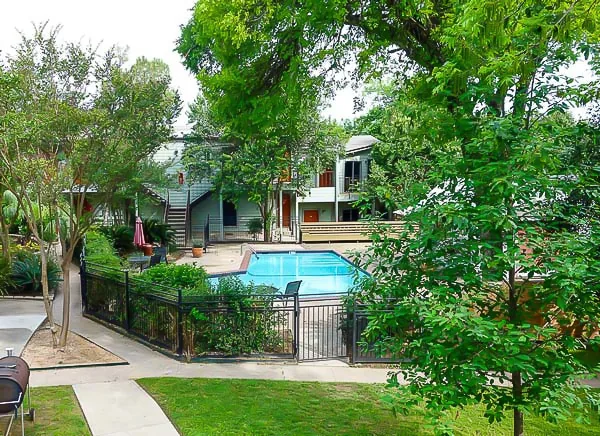

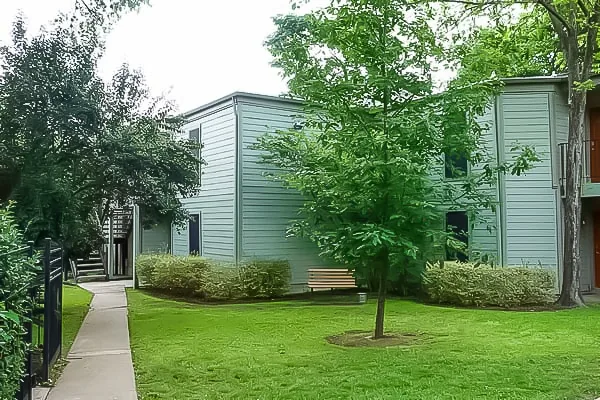

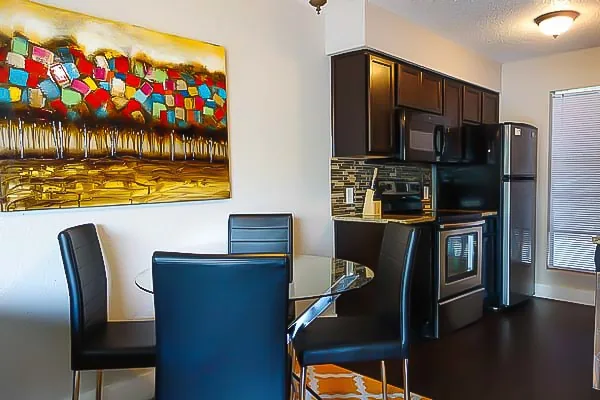

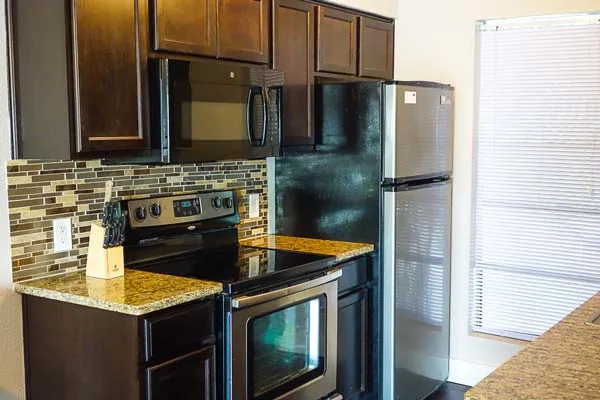
Eudaimonia's Success Stories – Real People, Real Freedom
Months 6–12: integration
The second half of the year looks very different. Residents hold their own leases in the house, are usually the oldest cohort present, and transition into informal mentor roles for newer arrivals. This is not a program step. It is the reason we keep the 12-month option open. Most Austin residents who stay to 12 months do not relapse in the following year.
So how long is long enough?
Our team’s honest answer for Austin, TX is simple: 90 days is the minimum we think actually works. 180 days is the first length that meaningfully changes a year-out relapse profile. 12 months is where the strongest outcomes sit. If insurance is gating the decision, talk to us. Most Austin residents pair sober living with insurance-covered IOP, which we walk through in our Austin IOP overview. You can also review our accepted insurance for outpatient treatment page to understand how insurance verification may help with IOP costs.
Weighing sober living in Austin, TX for yourself or a family member? Our Austin house managers answer the phone directly at 737-600-8565 and can walk you through day-one, 90-day, and 180-day milestones tailored to your situation.
How Eudaimonia Supports Sober Living in Austin, TX
Eudaimonia supports residents by offering structured sober living homes that help people build stability over time. The first month focuses on safety, routine, accountability, and a substance-free environment. As residents progress, house managers help them practice more independence while keeping clear expectations in place.
For many residents, sober living also works alongside IOP, OP, employment, peer support, and daily recovery routines. This combination helps residents move from early stabilization into real-life recovery. Eudaimonia’s Austin homes are designed to support that process with structure, accountability, and practical guidance at each stage of the timeline.
Your Future Is Waiting
Tell us what you are looking for and admissions will walk you through the houses, the phases, and what a room actually costs.


