

Published July 26, 2026
On This Page · 10 Sections

Sober Living
Austin
10506 Parkfield Dr, Austin, TX 78758
Most people stay in sober living homes in Austin for three to six months, though many residents benefit from staying nine to twelve months or longer. The length of stay depends on your individual recovery needs, financial situation, support network strength, and personal goals for independence. Research shows that longer stays, typically six months or more, correlate with better long-term sobriety outcomes, as they provide more time to build healthy routines, develop coping skills, and strengthen your recovery foundation before facing the challenges of independent living.
Why Length of Stay in Sober Living Homes Varies So Much
There’s no universal timeline for how long someone should stay in a sober living home because recovery is deeply personal. Some residents arrive with years of sobriety under their belt and use sober living as a bridge while relocating to Austin or transitioning careers. Others come directly from detox or residential treatment and need months to practice sobriety in a real-world setting before living alone.
Your substance use history plays a significant role. If you struggled with addiction for many years, your brain and behaviors need time to heal and rewire. Someone who used substances for a decade typically needs longer in structured recovery housing than someone with a shorter use history. The National Institute on Drug Abuse consistently emphasizes that successful recovery often requires extended support beyond initial treatment.
Your living situation before recovery matters too. If returning to independent living means going back to an environment where you previously used, or where family conflict is high, extending your stay in sober living gives you time to either repair those relationships or arrange alternative housing. Many Austin residents find that staying in sober living while they save money, rebuild credit, and search for recovery-friendly roommates sets them up for success.
The Research Behind 90 Days as a Minimum Benchmark
While you’ll hear varying recommendations, most addiction professionals cite 90 days as the minimum effective stay in sober living homes. This benchmark comes from decades of research showing that the first three months after treatment are the highest-risk period for relapse. During this window, you’re transitioning from the protective bubble of treatment back into daily life with all its stressors, triggers, and responsibilities.
Three months gives you time to experience multiple recovery milestones: your first sober birthday, navigating difficult emotions without substances, handling conflict with housemates constructively, and practicing accountability through regular drug testing and house meetings. These experiences build confidence that you can stay sober when life gets hard.
That said, many residents at Eudaimonia Recovery Homes in Austin find that three months is just the beginning. By month four or five, you’re often deepening friendships, taking on leadership roles in the house, and mentoring newer residents, activities that reinforce your own recovery while serving others.
Why Six to Twelve Months Produces Better Outcomes
When researchers track long-term sobriety rates, they consistently find that people who stay in sober living for six months or longer have significantly better outcomes than those who leave earlier. A landmark study published in the Journal of Substance Abuse Treatment followed hundreds of sober living residents and found that those who stayed six months or more had higher employment rates, lower incarceration rates, and better overall life satisfaction two years later.
Six to twelve months allows you to experience a full cycle of seasons, holidays, and life events while sober. You’ll navigate summer barbecues, fall family gatherings, winter holidays, and spring celebrations, all potential trigger points, with the support of your sober living community. Each successful navigation builds evidence that you can handle these situations independently later.
This extended timeline also gives you space to address underlying issues that contributed to your substance use. Many residents work with therapists, attend intensive outpatient programs, or join trauma recovery groups during their sober living stay. Processing childhood wounds, learning to manage anxiety without substances, or developing healthy relationship patterns takes time, often more than three months.
Signs You're Ready to Transition to Independent Living
Rather than picking an arbitrary date, most successful transitions happen when residents meet certain readiness markers. You should have stable employment or a reliable income source that covers rent, utilities, food, and recovery activities like therapy or 12-step meetings. Financial instability is a major relapse trigger, so leaving sober living before you’re economically secure sets you up for unnecessary stress.
Your recovery routine should be automatic, not something you have to force yourself to maintain. If you’re attending support meetings because the house requires it rather than because you genuinely want to go, you may need more time. When you’re ready, these activities feel like non-negotiables, as essential as brushing your teeth.
You should also have a strong support network outside the sober living home. This includes:
- A sponsor or mentor you talk to regularly
- Friends in recovery you can call during cravings or difficult moments
- Family relationships that are supportive (or appropriate boundaries with unsupportive family)
- Connection to recovery communities like AA, NA, SMART Recovery, or faith-based groups
- A therapist or counselor if you’re managing mental health challenges
If your primary support system is the people in your sober living house, leaving prematurely can leave you isolated and vulnerable. Many Austin residents gradually build outside connections during their stay, so they’re not starting from scratch when they move out.
How Long People Stay at Eudaimonia Recovery Homes in Austin
At our Austin and South Austin locations, we see the full spectrum. Some residents stay the recommended minimum of 90 days, particularly those who came in with strong sobriety foundations and primarily needed affordable, recovery-focused housing while establishing themselves in the city. Others stay a year or longer, using that time to complete educational programs, advance in their careers, repair family relationships, and build substantial savings.
We’ve found that residents who set specific goals for their stay, rather than just picking a date, tend to have smoother transitions. For example, someone might commit to staying until they’ve completed six months of sobriety, saved three months of rent for their next place, and attended 100 support group meetings. These concrete milestones provide clear direction and motivation.
The structure and accountability of sober living become less necessary as your internal motivation and healthy habits strengthen. Early in recovery, you need external accountability, house rules, random drug tests, mandatory meetings, to stay on track. Over time, your internal compass develops, and you make healthy choices because they align with your values, not because someone is checking up on you.
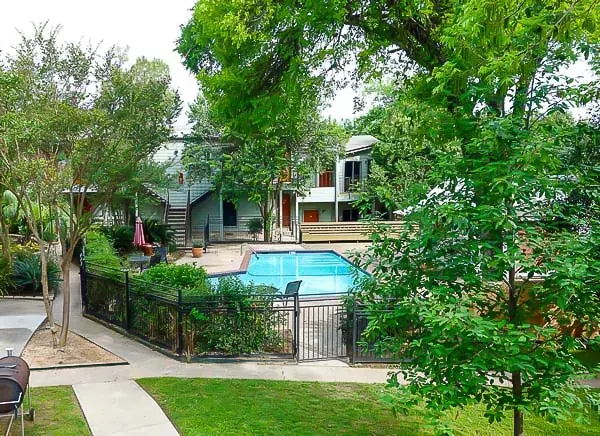
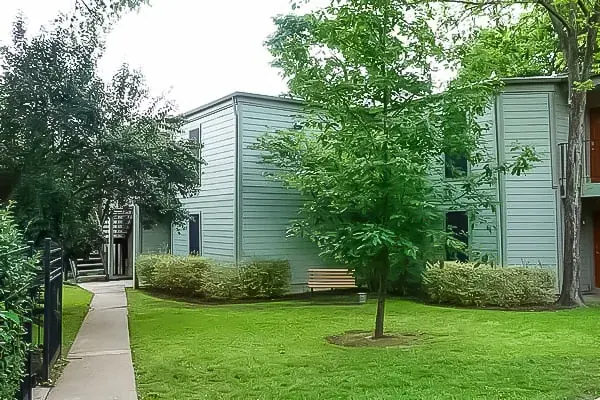
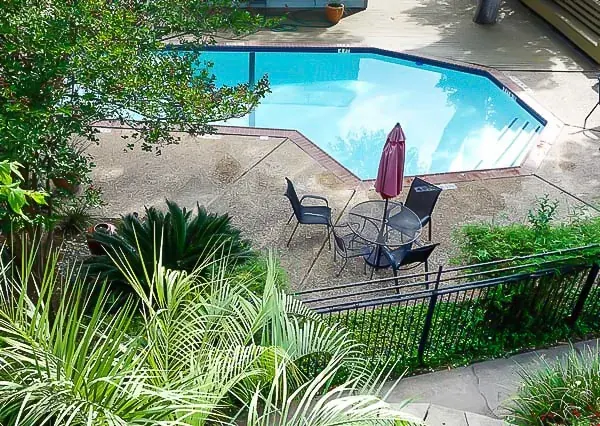
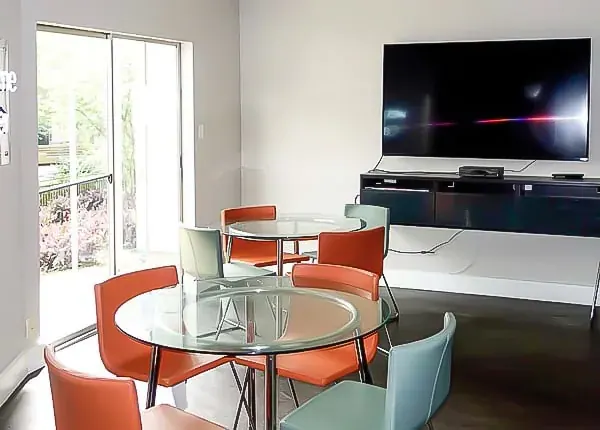
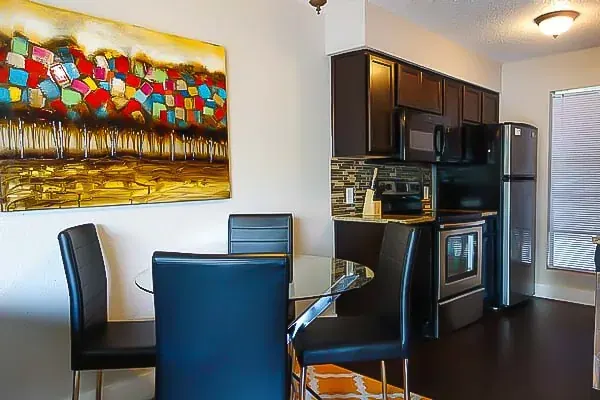
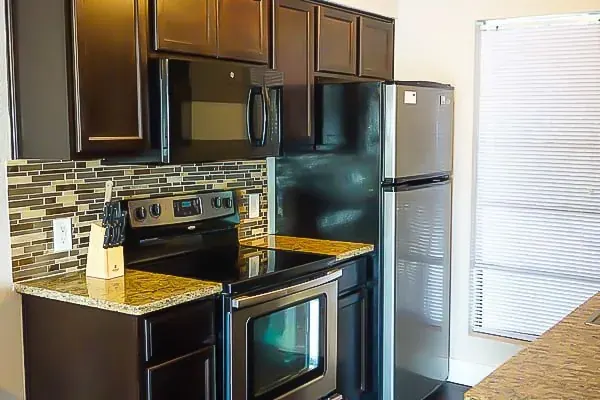
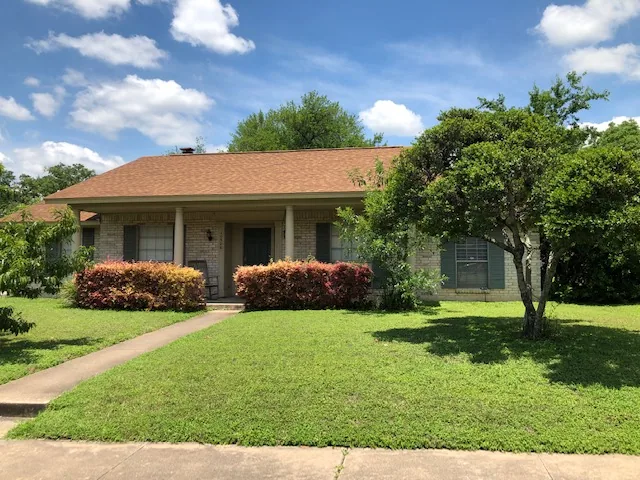
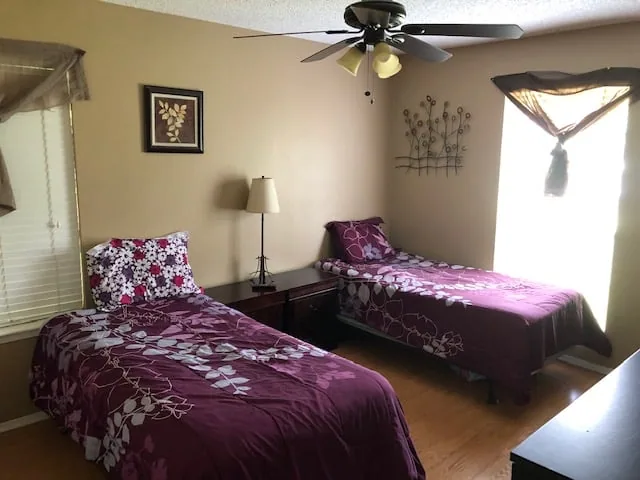
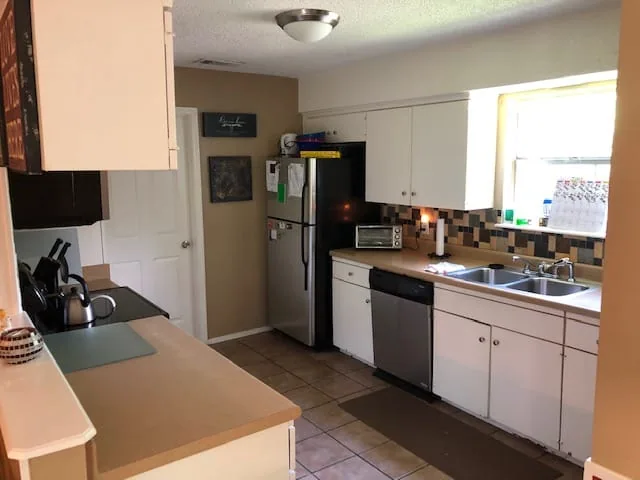
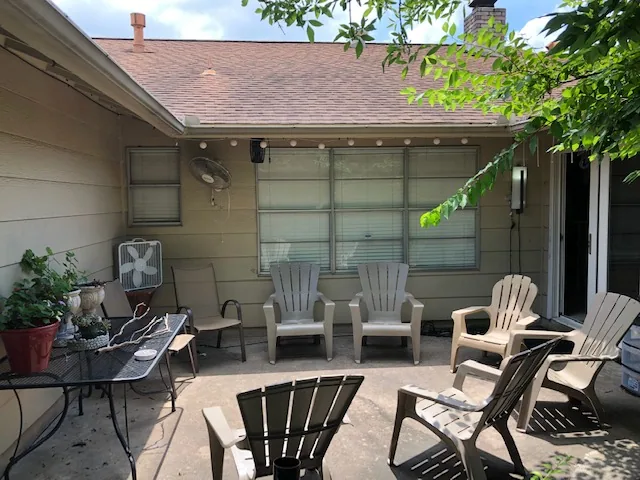
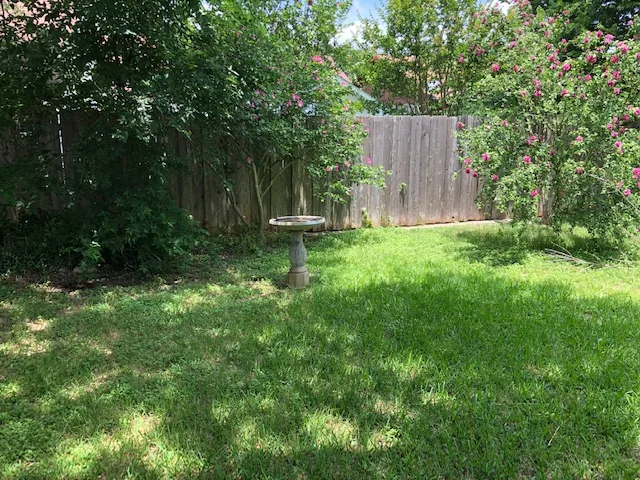
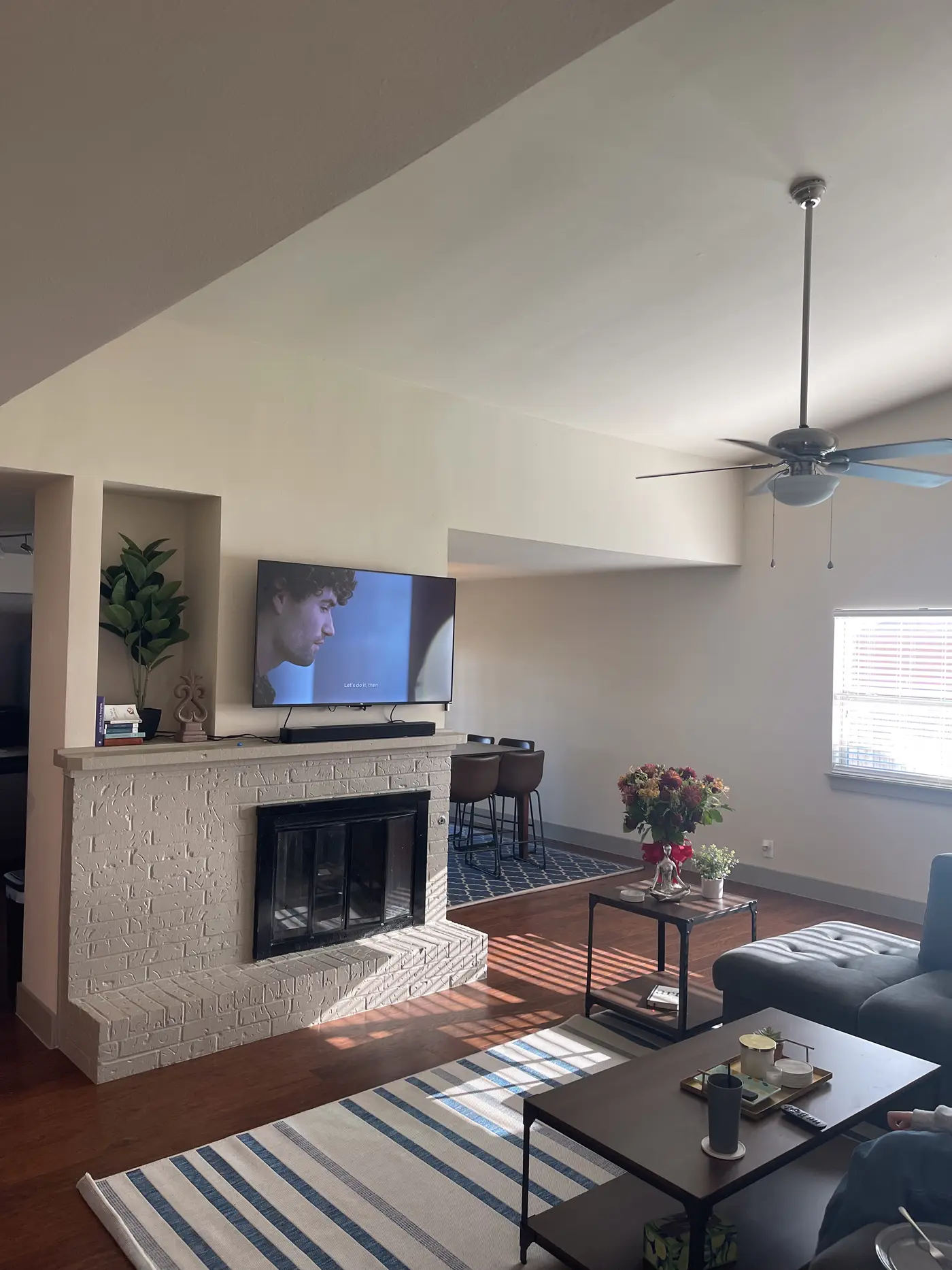
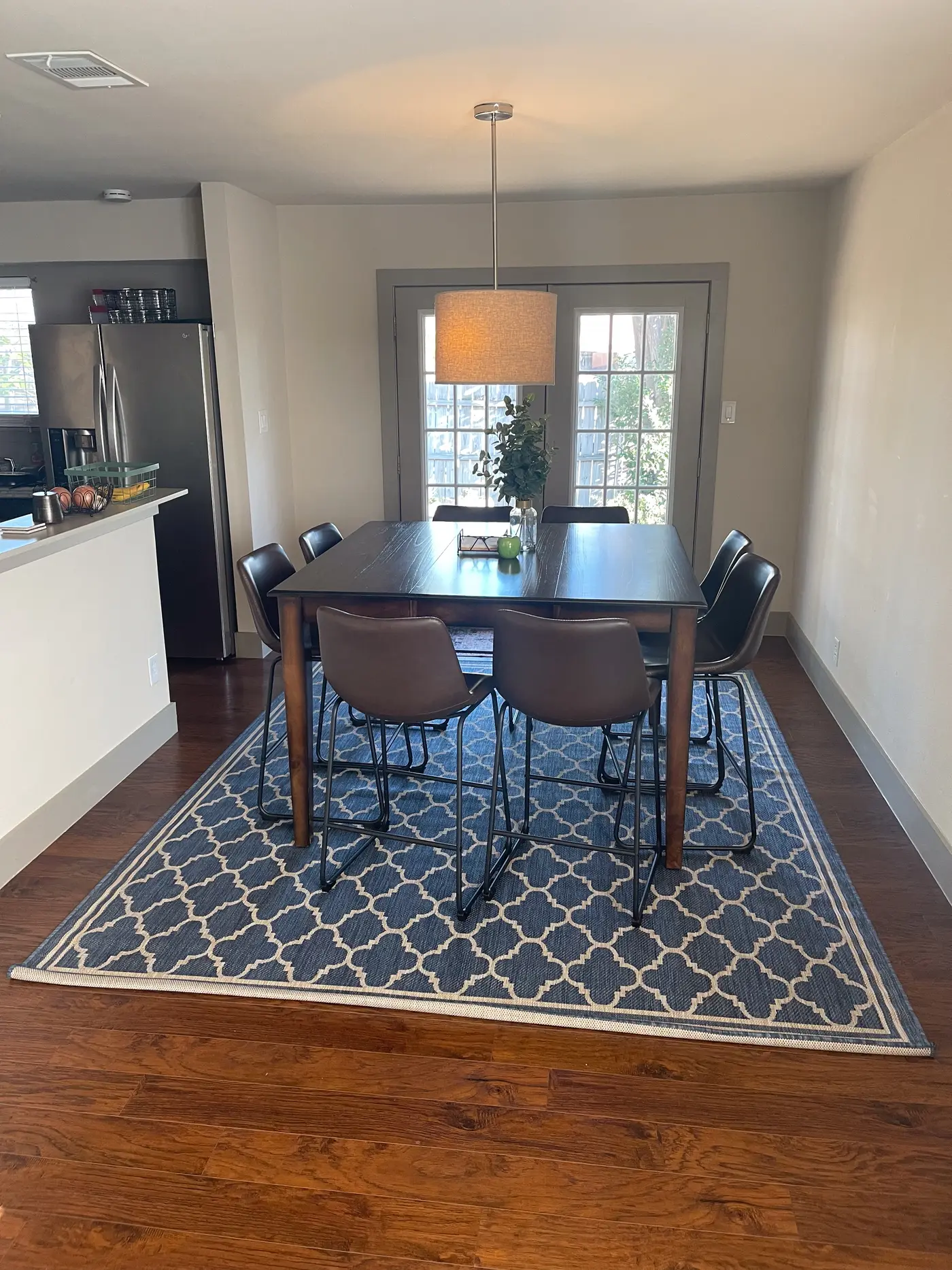
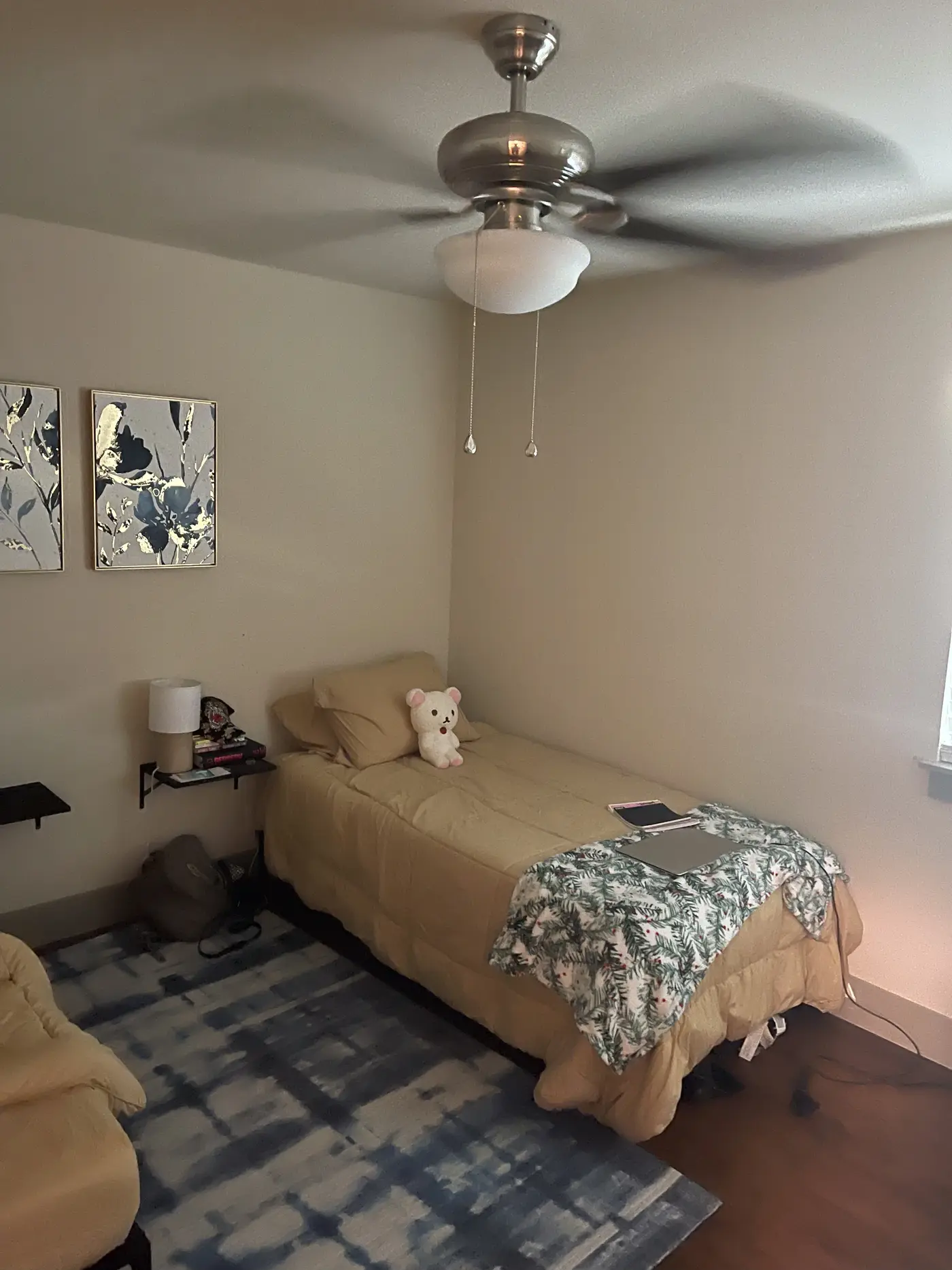
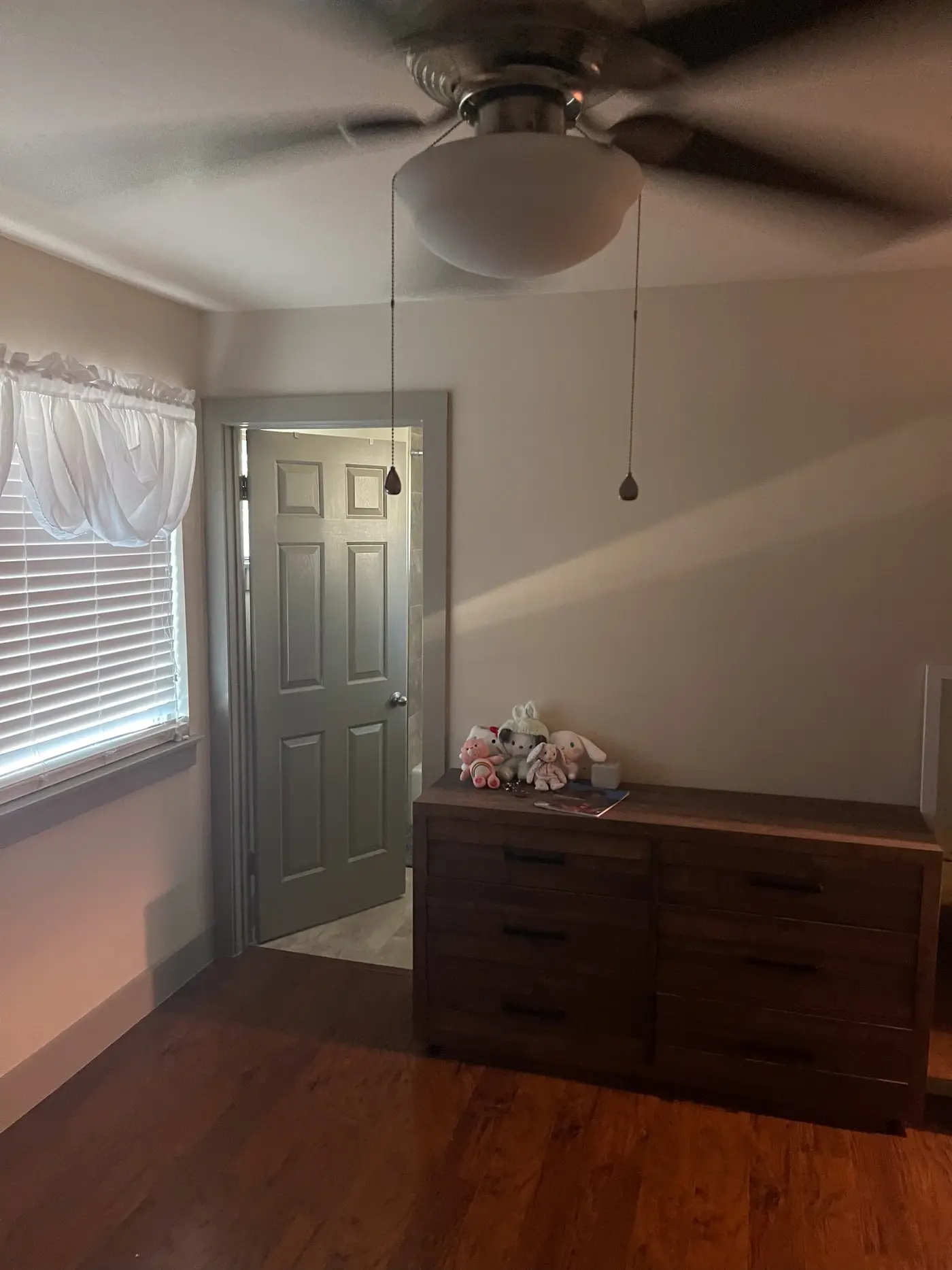
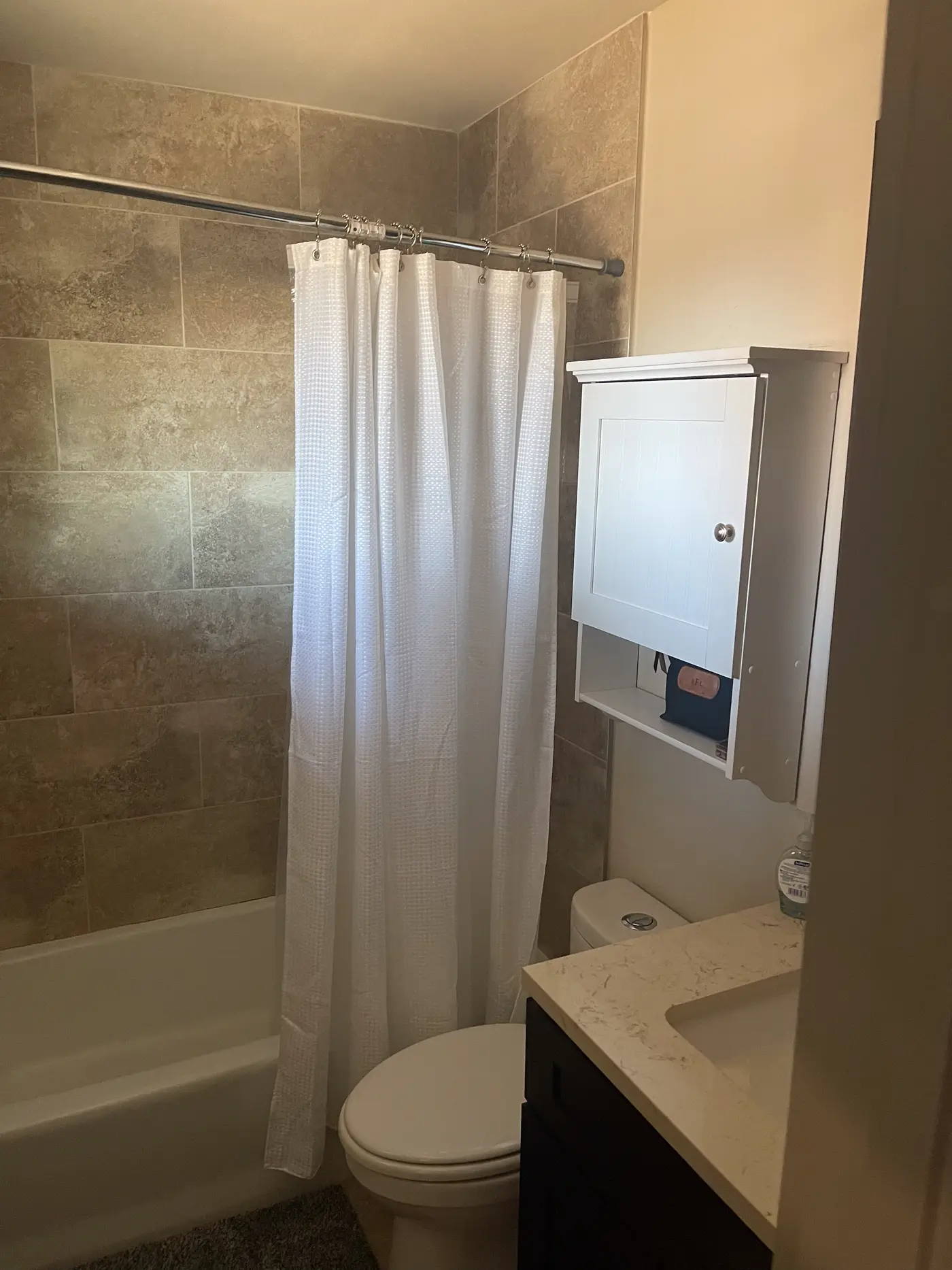
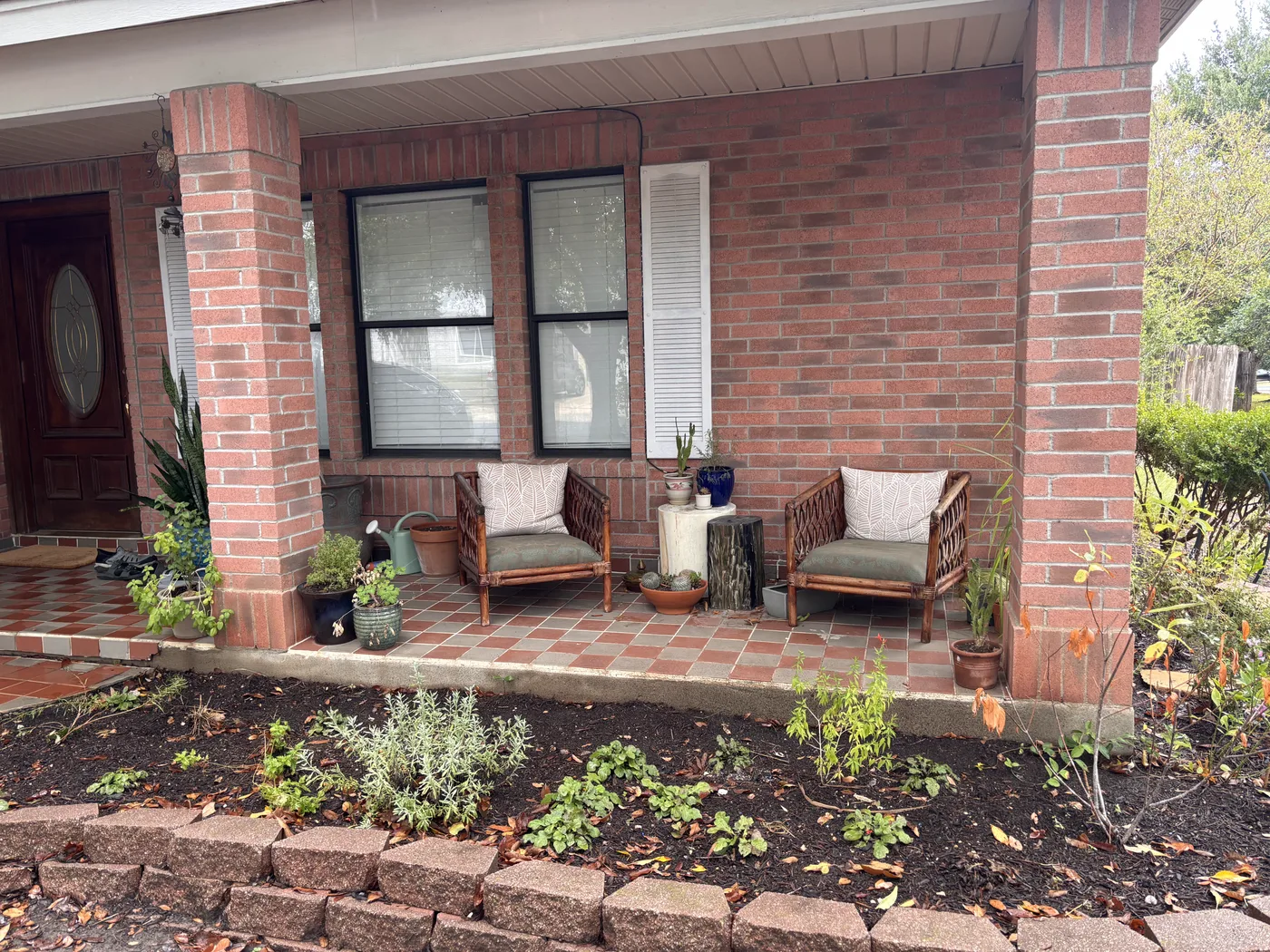
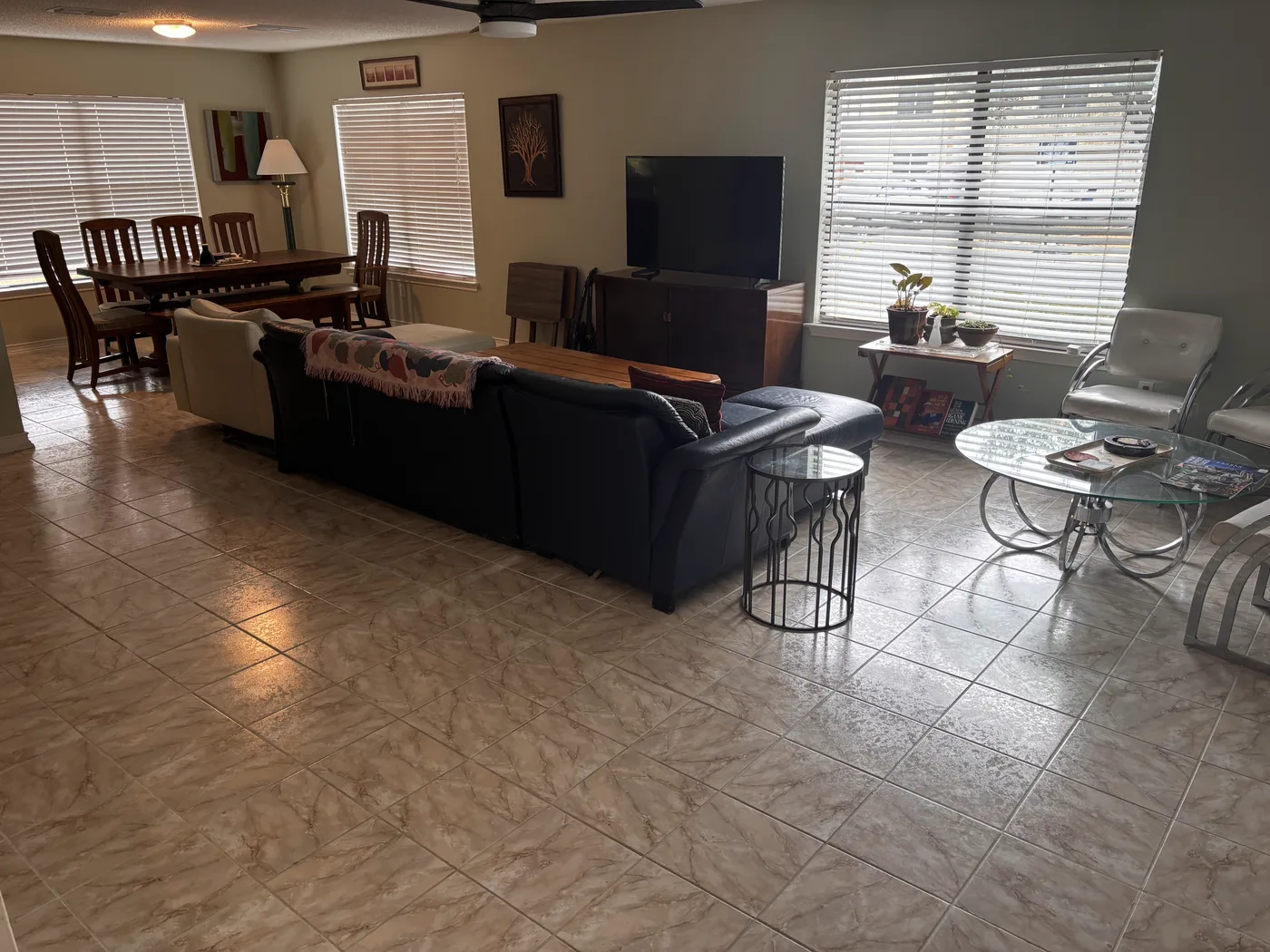
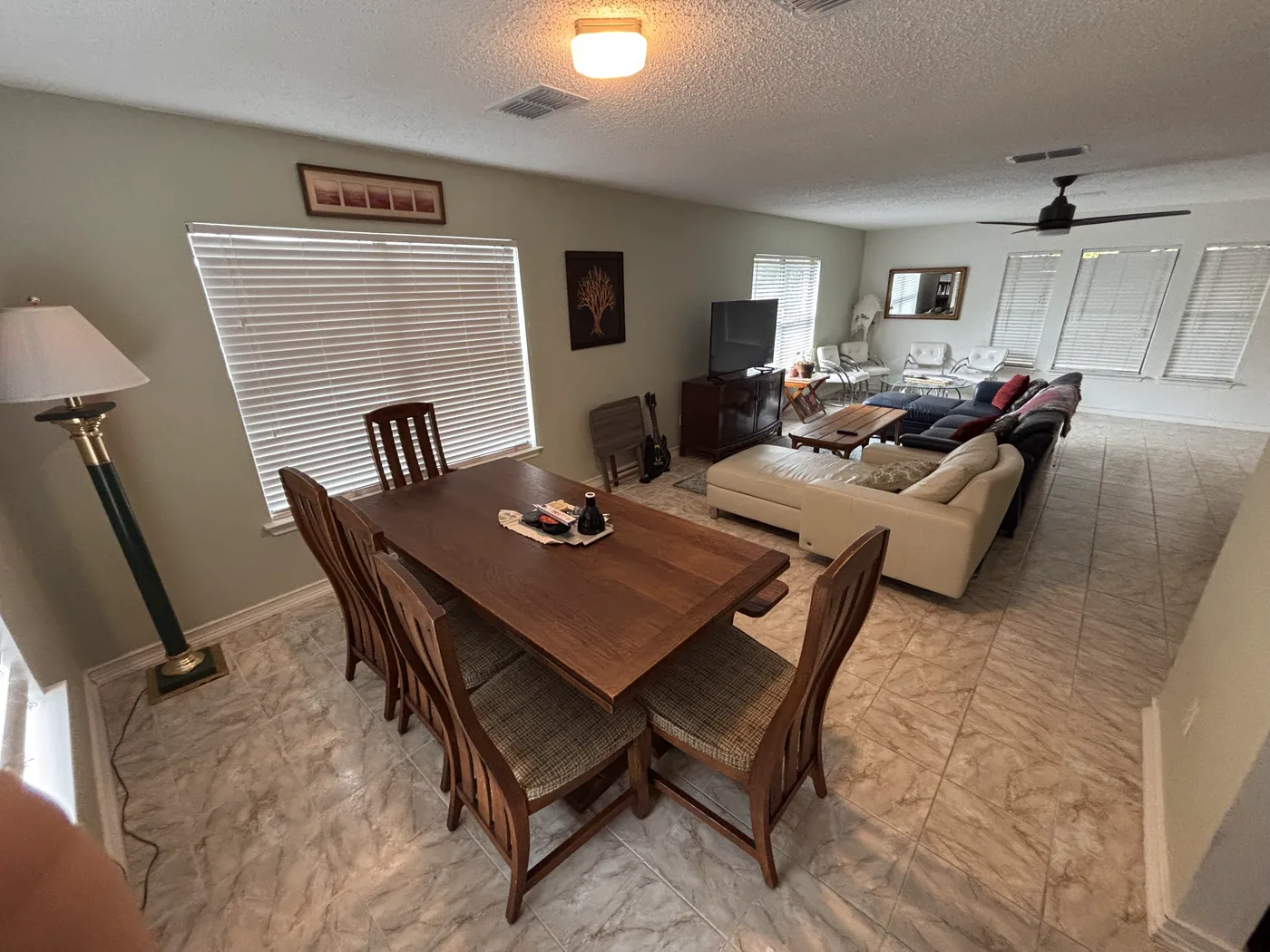
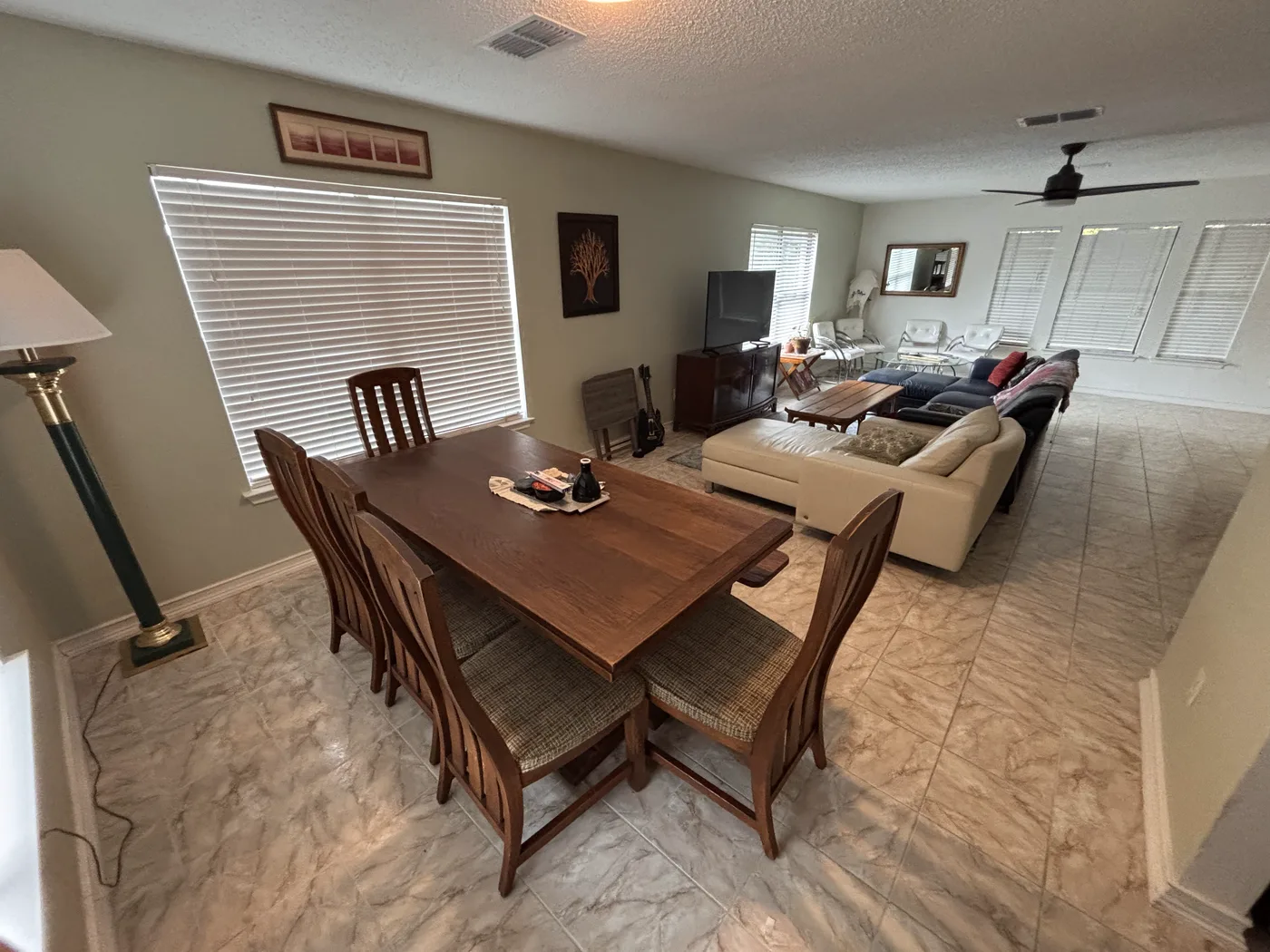
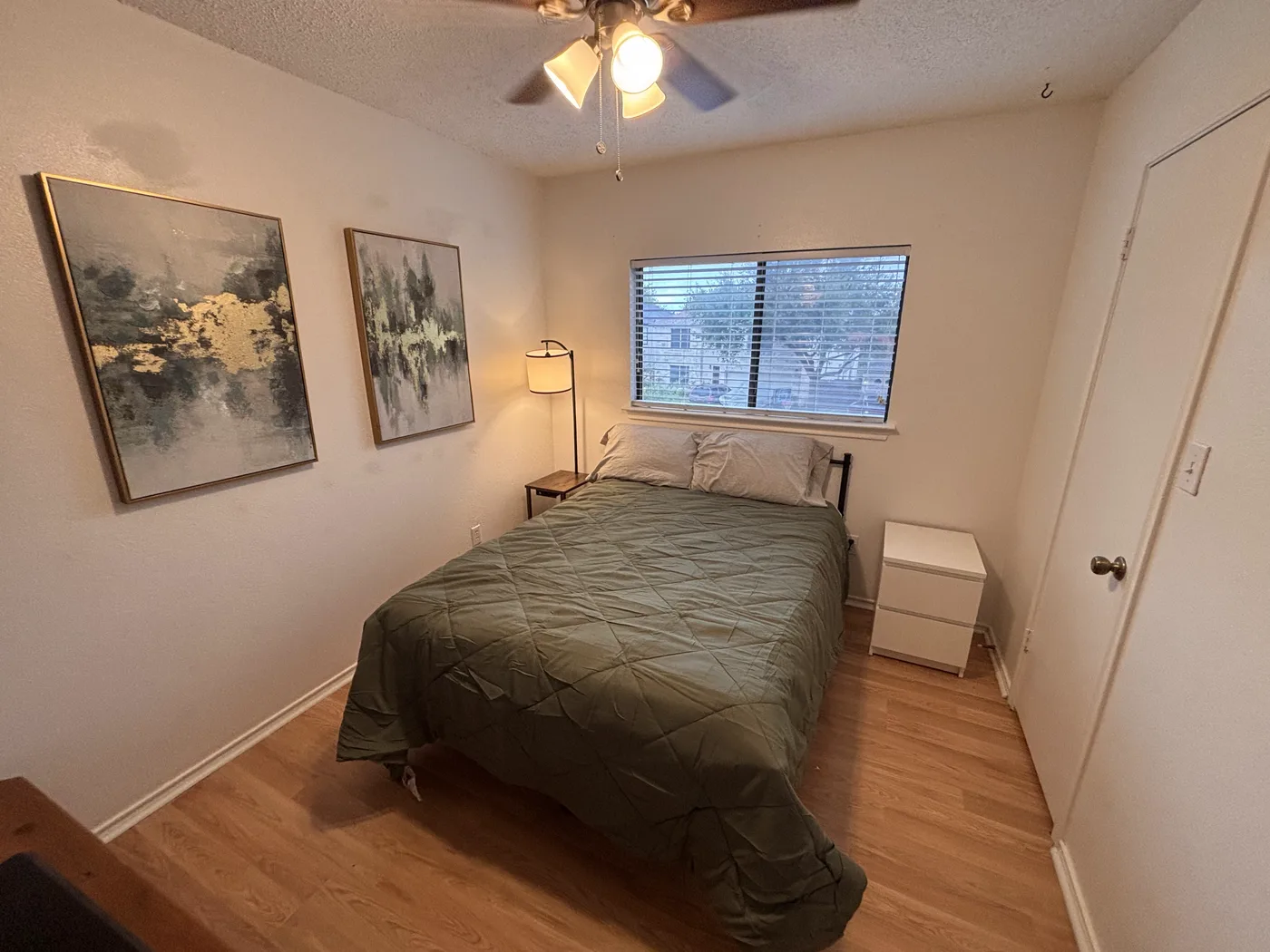
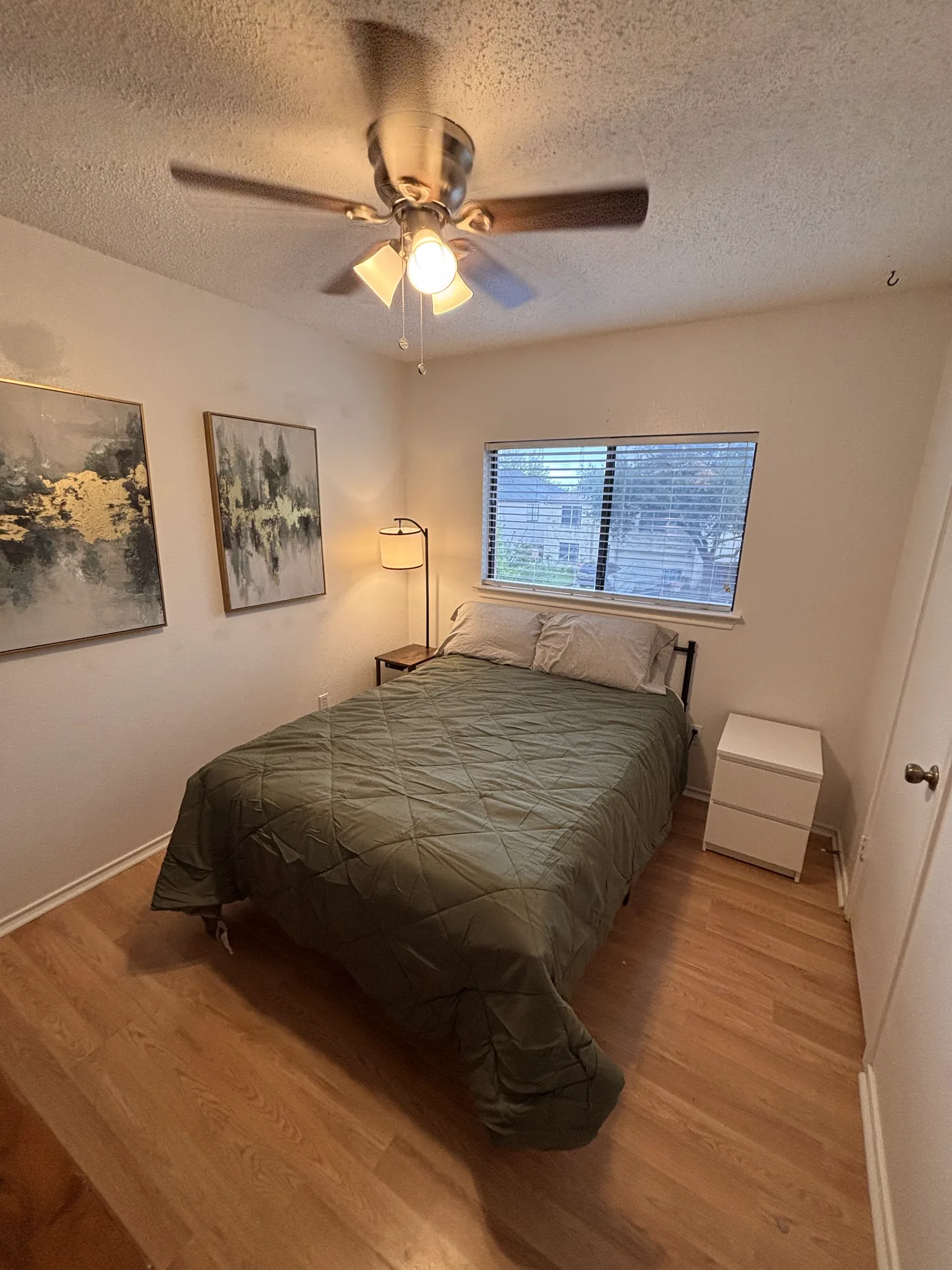
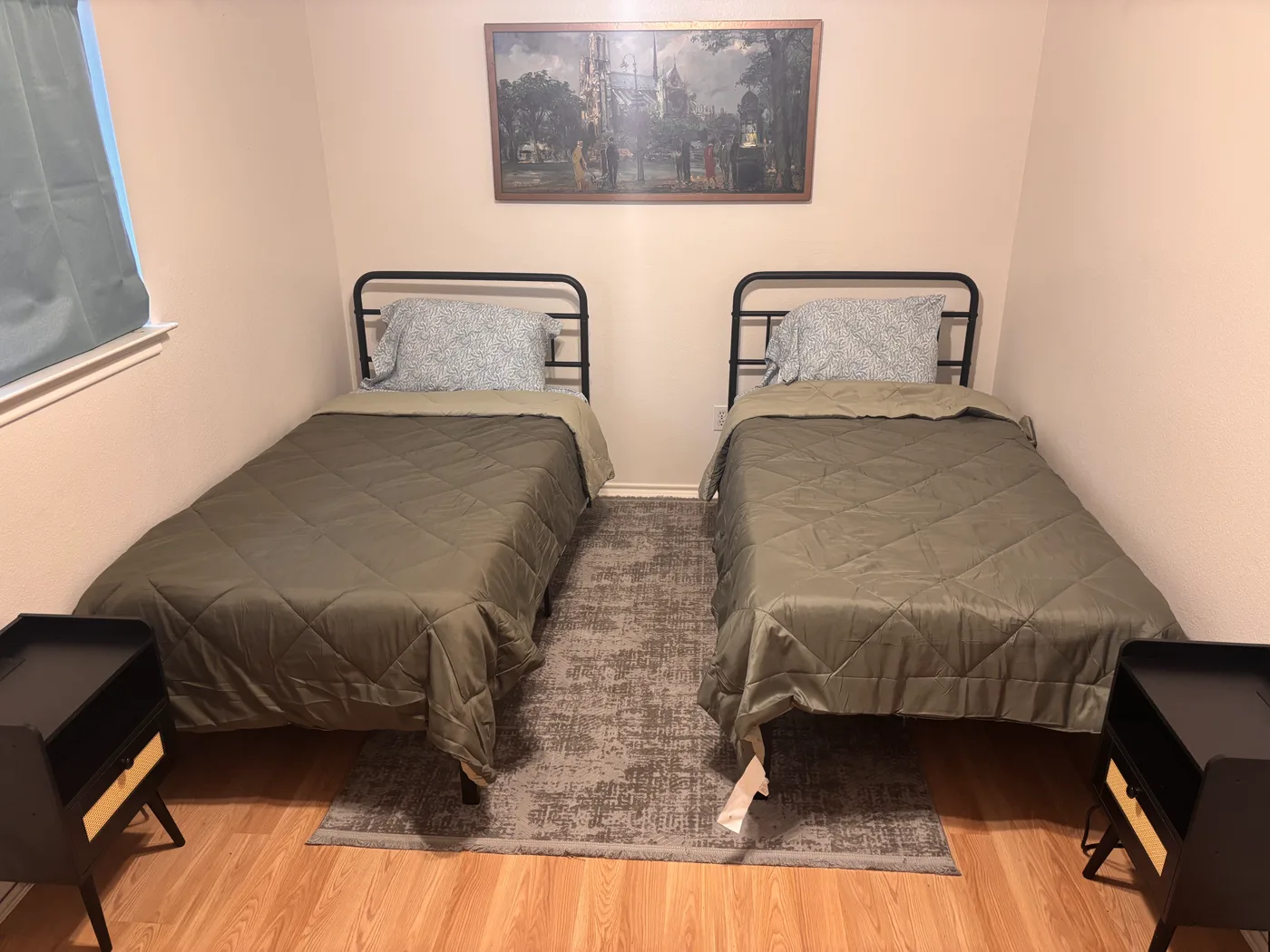
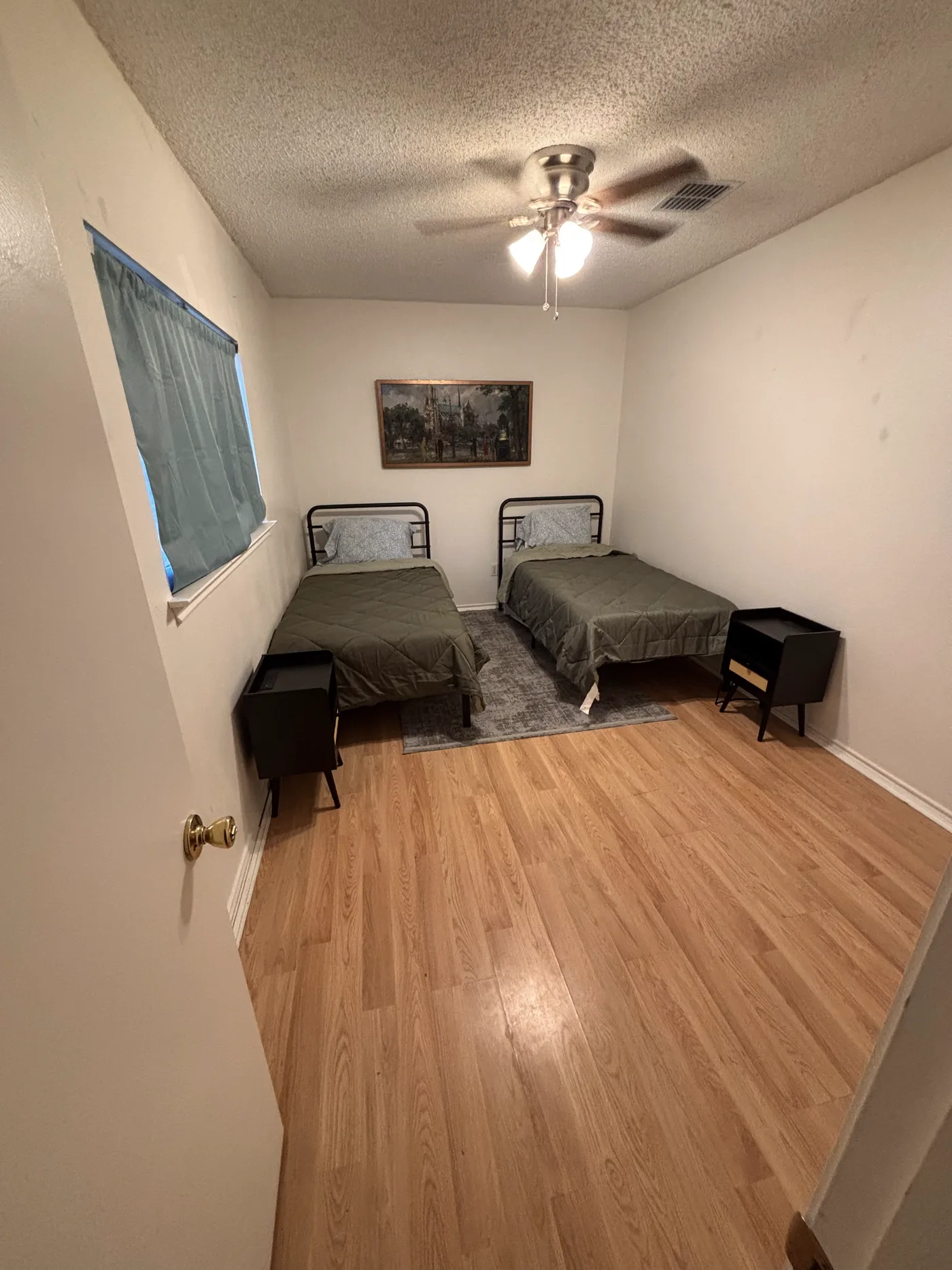
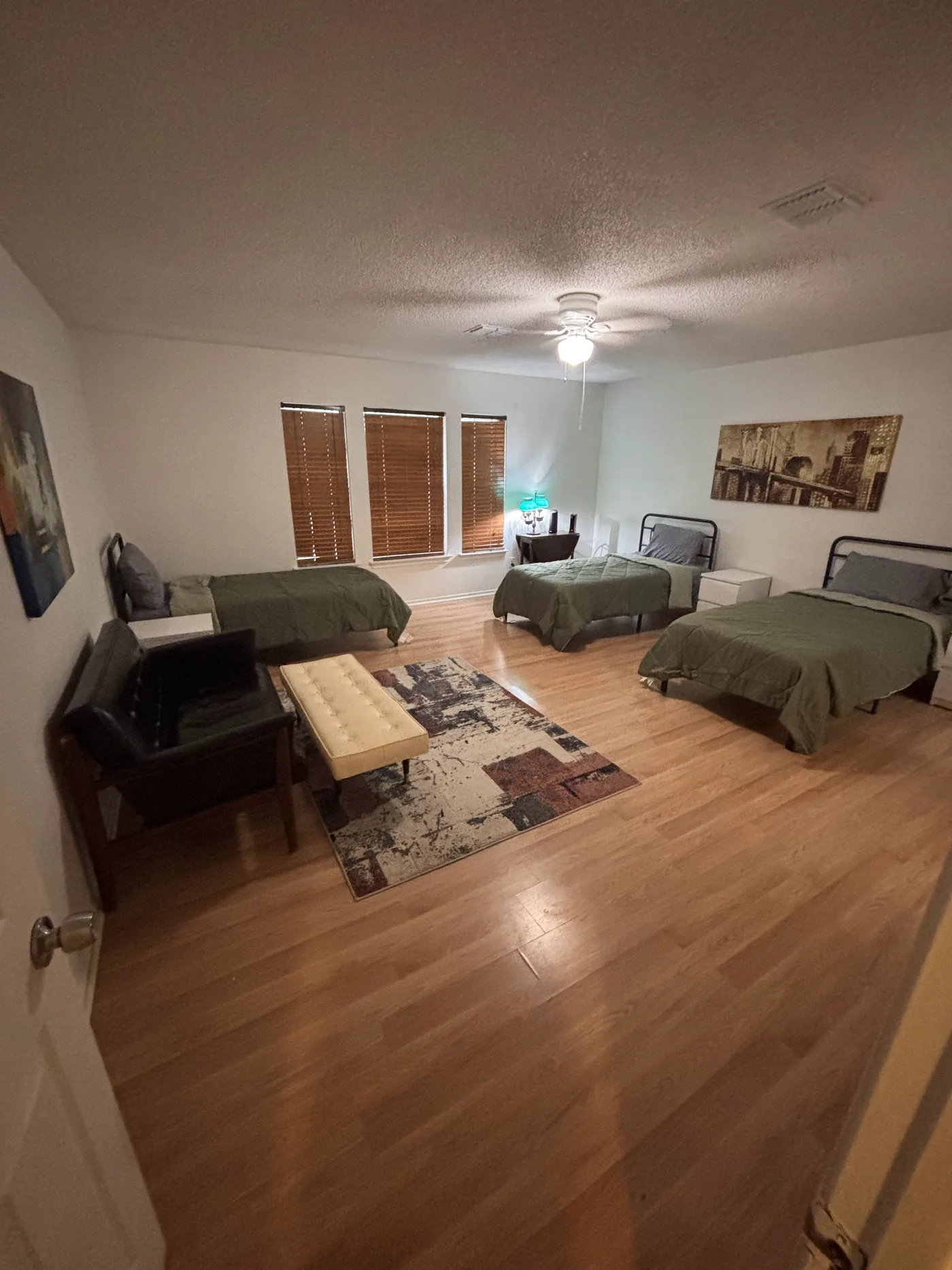
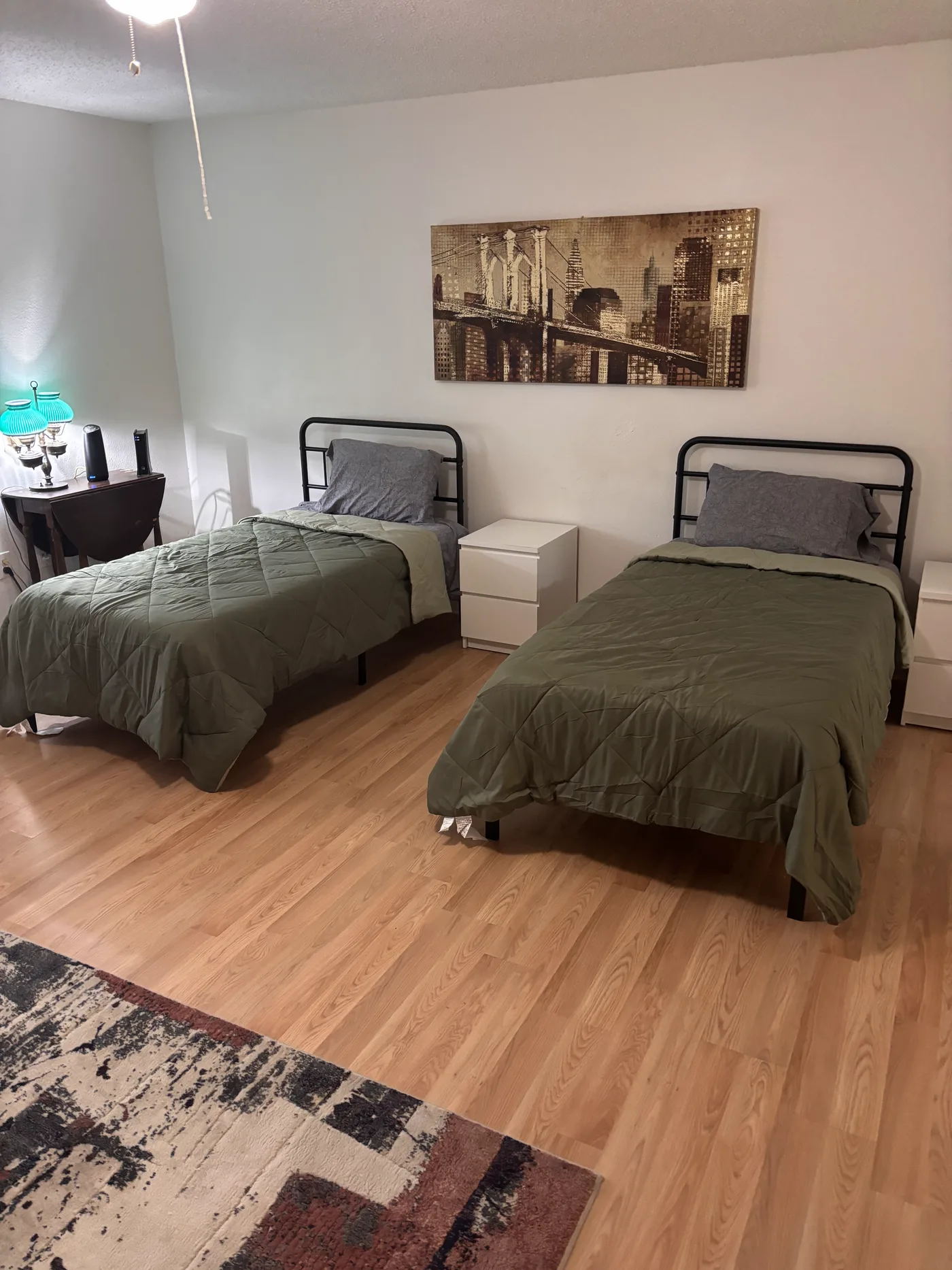
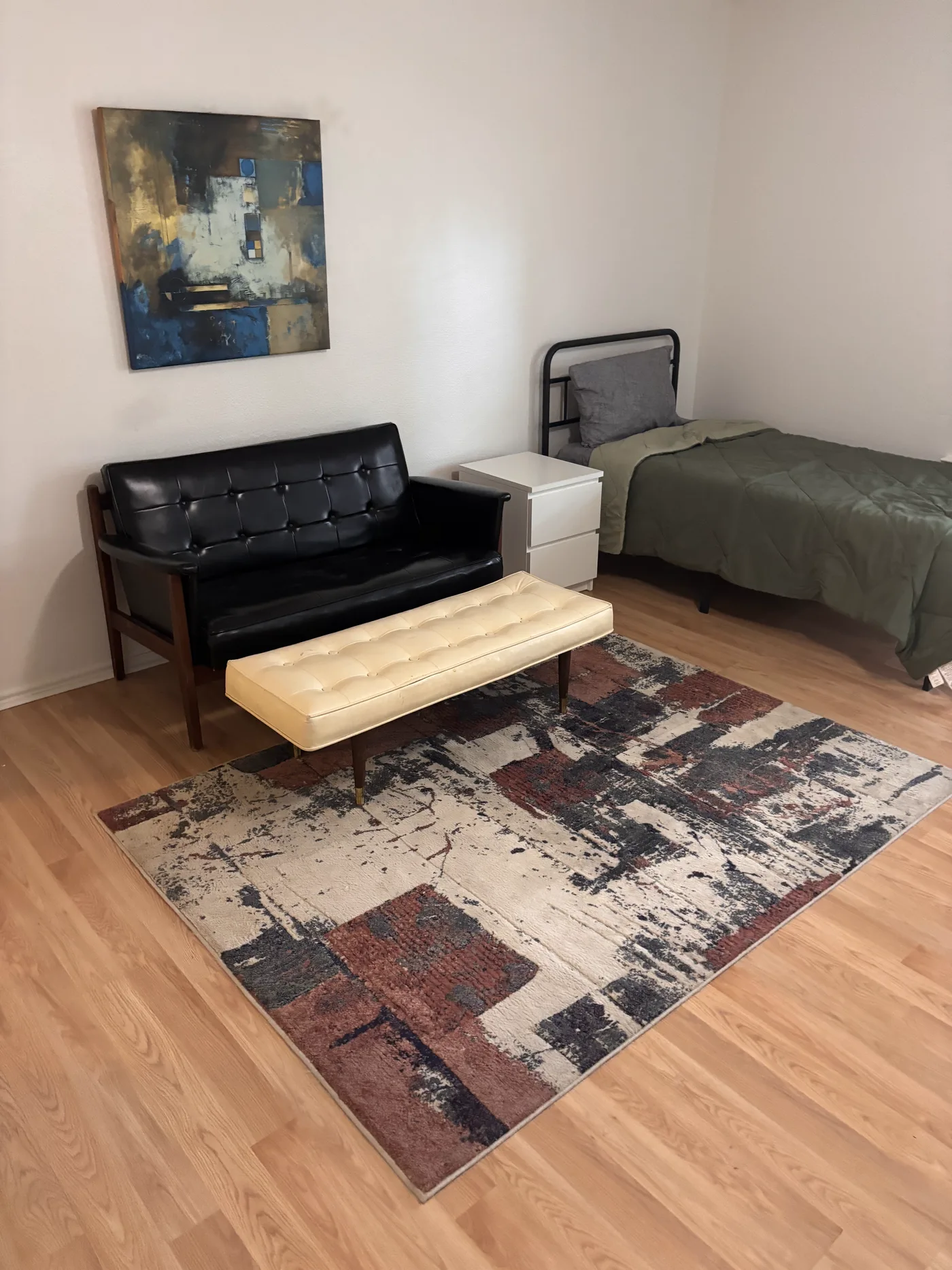
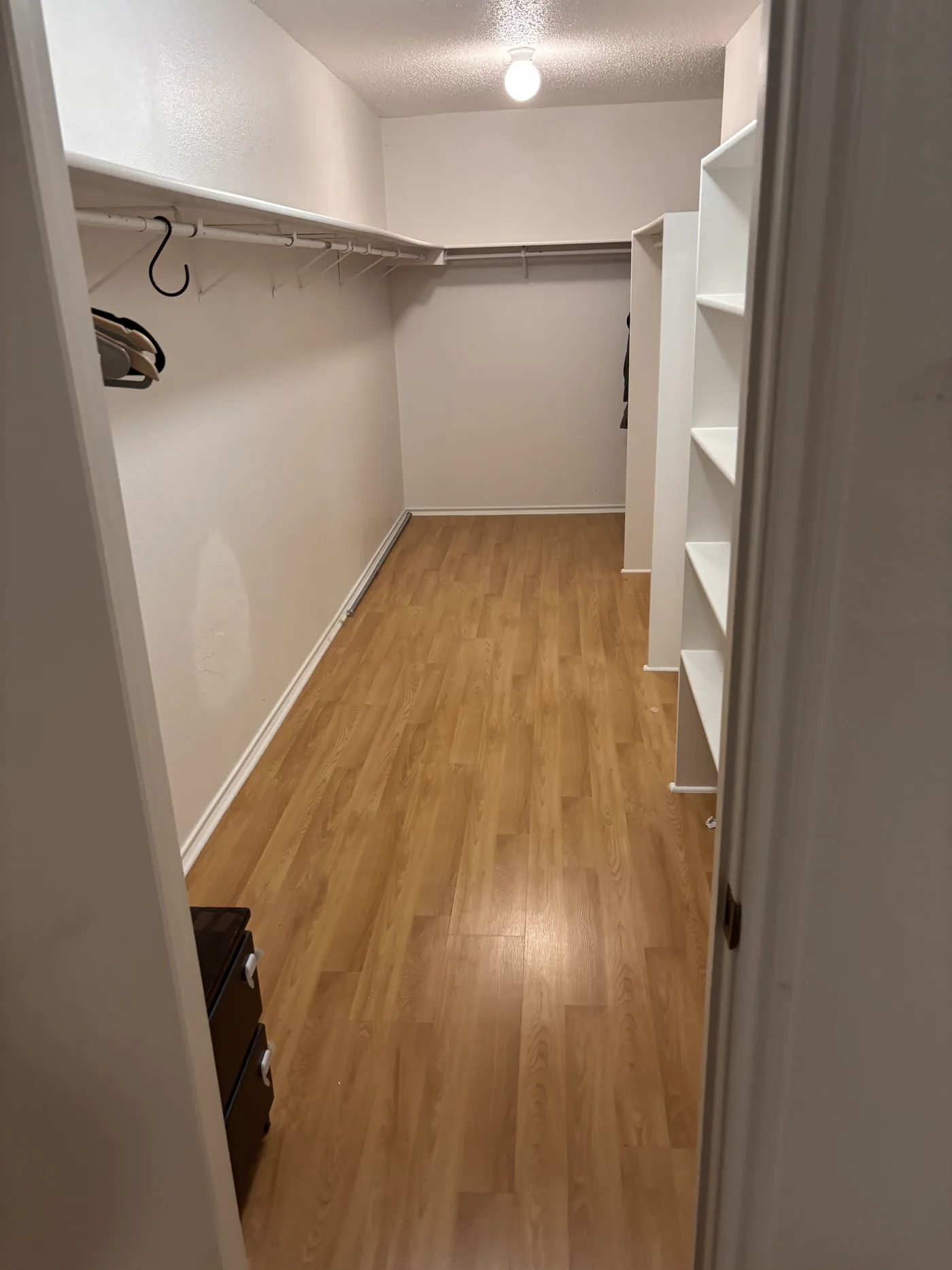
Inside the Austin homes


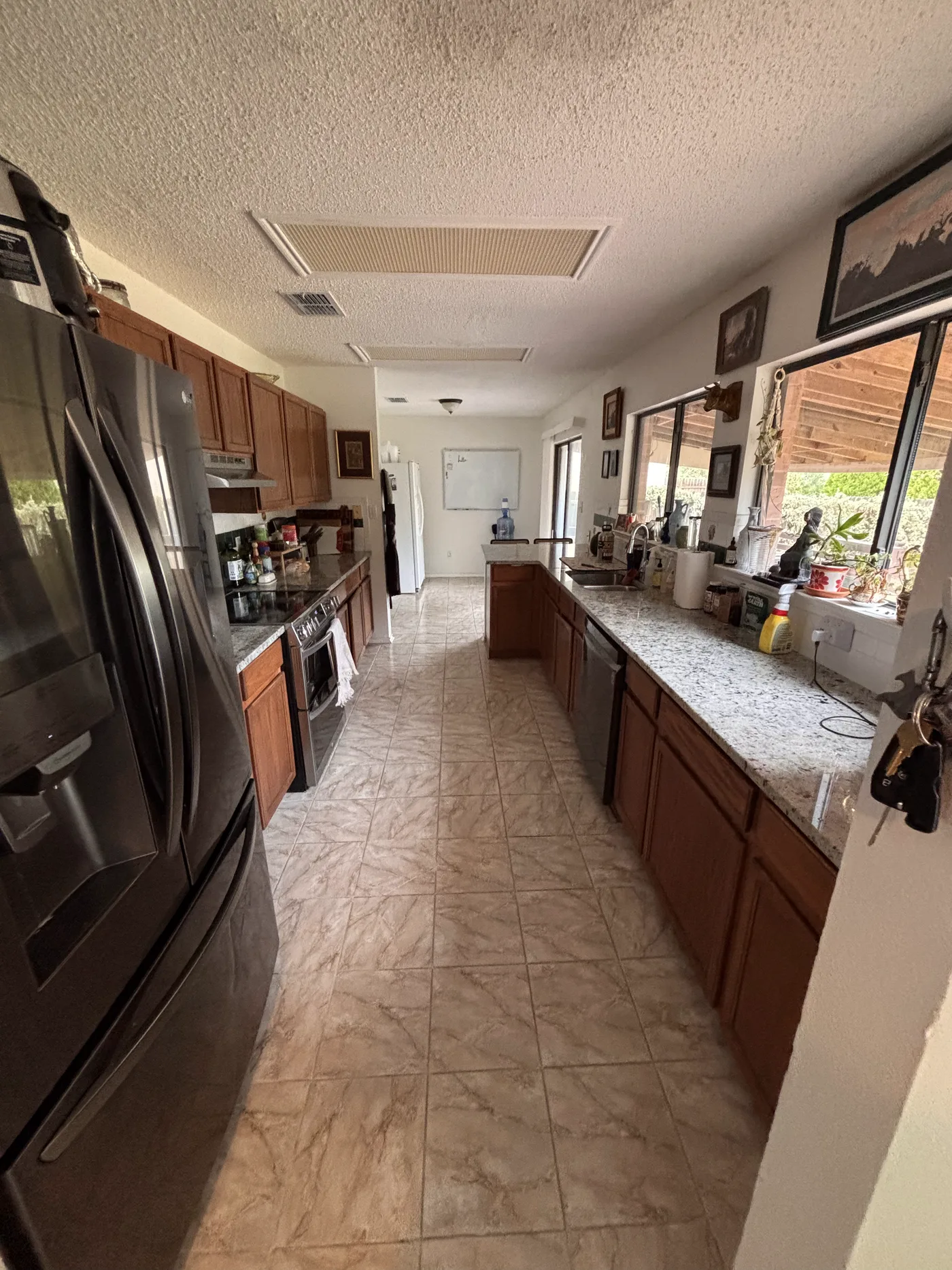
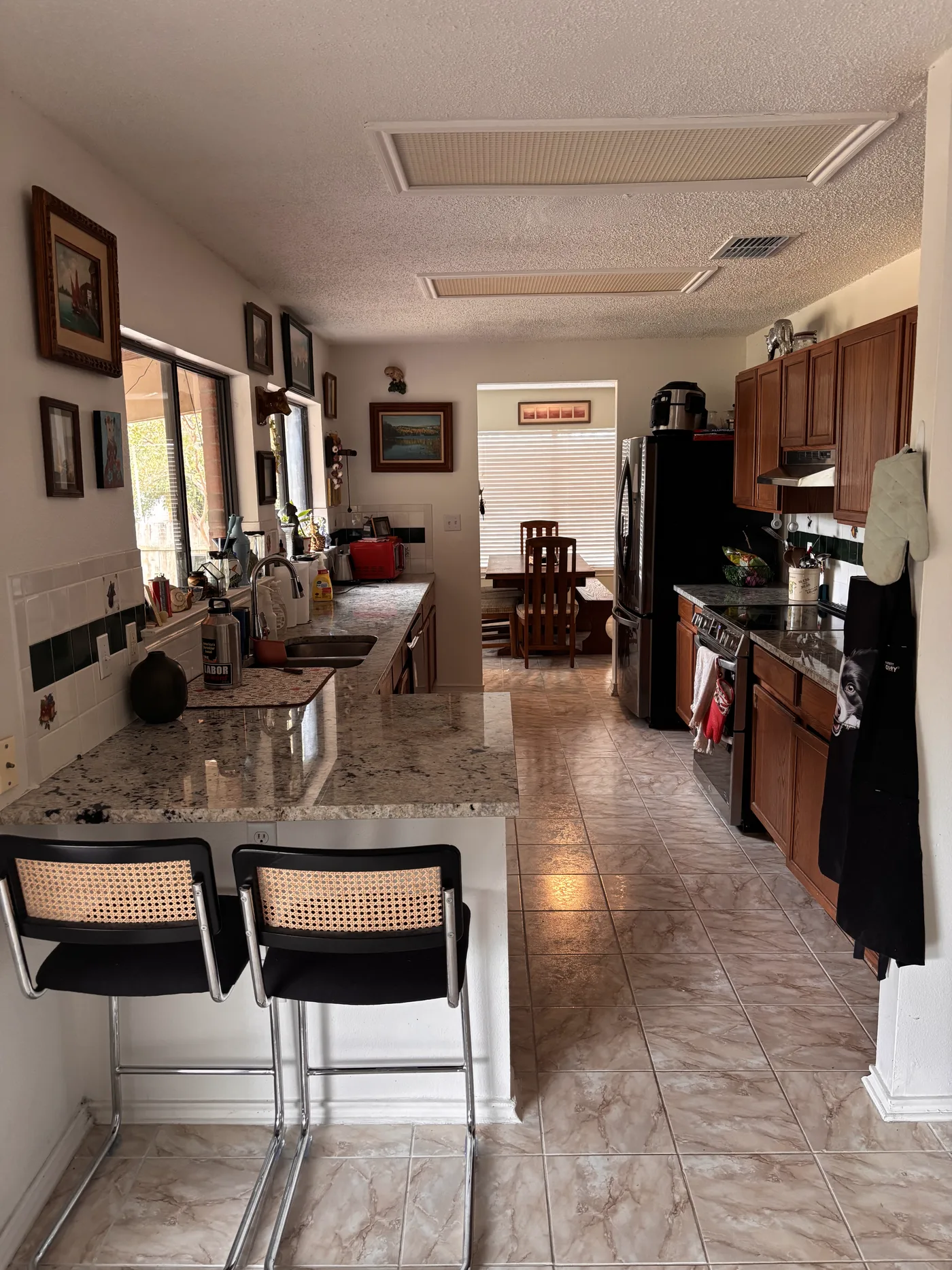
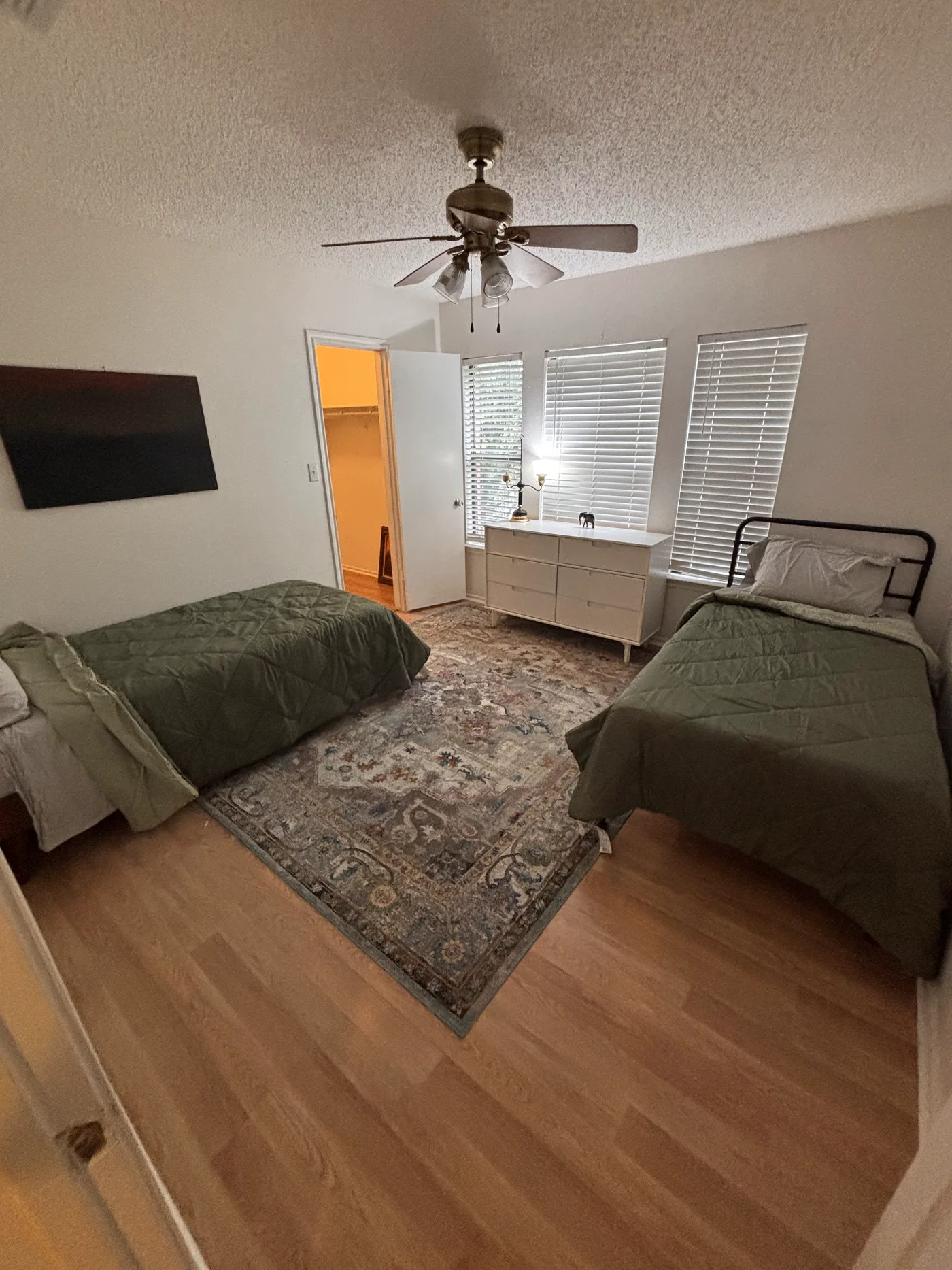
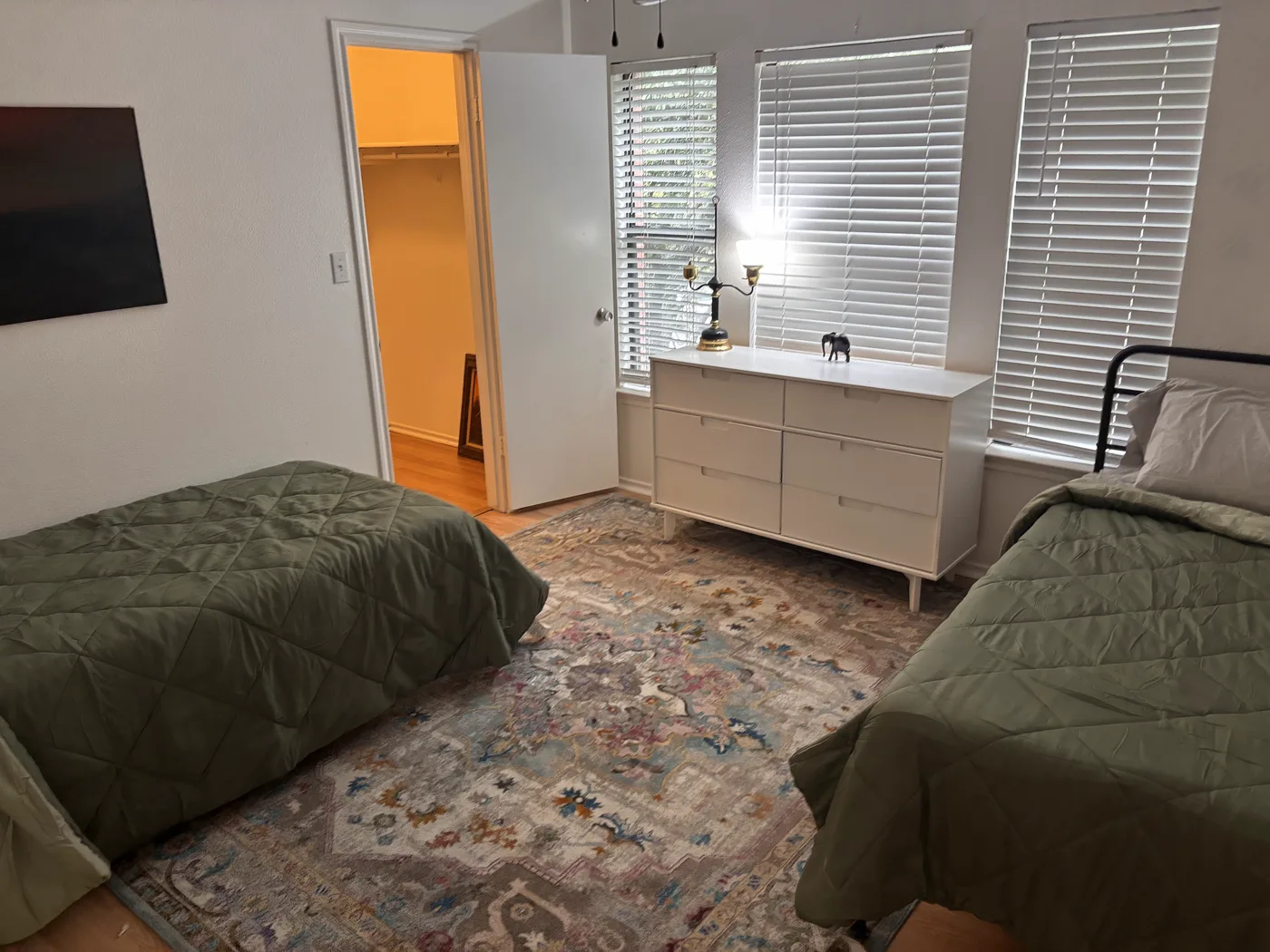
Factors That Might Extend Your Stay Beyond Six Months
Some situations naturally call for longer stays in sober living homes in Austin. If you’re in school or vocational training, staying through graduation provides stability during an demanding period. Students often find that the structure of sober living helps them stay focused on academics while maintaining sobriety, rather than juggling the stress of independent living, coursework, and recovery simultaneously.
Co-occurring mental health conditions frequently require extended support. If you’re managing depression, anxiety, PTSD, or bipolar disorder alongside substance use disorder, you need time to stabilize medications, develop coping strategies, and build trust with mental health providers. Rushing into independent living before your mental health is stable significantly increases relapse risk.
Legal obligations can also influence timing. If you’re on probation or parole, your officer may require you to stay in a structured sober living environment for a specified period. Rather than viewing this as punitive, many residents find it’s actually protective, it removes the pressure to make the decision yourself and ensures you’re getting the support you need during a legally vulnerable time.
Career rebuilding is another valid reason to extend your stay. If you’re working an entry-level job while pursuing certifications or building experience in a new field, staying in affordable sober living while you advance professionally makes financial sense. Once you’ve landed a better position with higher income, you’ll have more housing options and less financial stress.
The Cost Consideration in Length of Stay Decisions
Let’s be practical: sober living isn’t free, and finances influence how long people stay. Most residents at Eudaimonia Recovery Homes in Austin pay through a combination of personal funds, family support, and insurance benefits where applicable. We work with residents to verify insurance coverage and explore payment options, because we believe financial barriers shouldn’t prevent access to recovery housing.
That said, sober living is typically more affordable than independent housing in Austin when you factor in what’s included. Your rent covers utilities, Wi-Fi, furnished living spaces, and a recovery-focused community, expenses that add up quickly when you’re living alone. Many residents find they can stay in sober living longer than they initially planned because it’s actually less expensive than renting their own apartment.
If finances are pushing you to leave before you’re ready, talk to your house manager. Sometimes adjusting your budget elsewhere, taking on extra shifts, temporarily postponing non-essential expenses, or asking family for support, can buy you the additional months you need to build a stronger foundation. Leaving prematurely to save money often backfires if it leads to relapse, which has its own substantial financial, physical, and emotional costs.
Making a Gradual Transition Rather Than an Abrupt Move
The healthiest transitions from sober living to independent living usually happen gradually. Rather than moving out all at once, consider increasing your independence incrementally. You might start spending weekends at your own apartment while keeping your sober living room, then transition to weekdays there, and finally make the full move once you’re confident in your ability to maintain sobriety independently.
Many former residents maintain strong connections with their sober living community even after moving out. They return for house barbecues, invite current residents to attend meetings together, or simply check in regularly with the friends they made. These ongoing connections provide continuity and prevent the isolation that sometimes follows a move to independent living.
You might also consider moving in with roommates from your sober living house rather than going completely solo. Sharing an apartment with people who understand your recovery and share your commitment to sobriety provides built-in accountability and support. Just make sure any shared housing arrangement maintains clear recovery expectations, it’s not sober living anymore, so you’ll need to establish your own house rules and accountability structures.
Trust Your Own Timeline While Listening to Experienced Voices
Ultimately, the right length of stay in sober living homes in Austin depends on your individual journey. Some people genuinely are ready after three months. Others need a year or more. There’s no shame in either timeline, what matters is honest self-assessment and willingness to listen to feedback from people who have more recovery experience than you do.
Pay attention to what your sponsor, therapist, house manager, and trusted recovery friends tell you. If multiple people are suggesting you’re not quite ready to leave, there’s probably wisdom in that feedback. The people who love you and want you to succeed can often see blind spots that you can’t see yourself. Early recovery sometimes involves a disconnect between how ready we feel and how ready we actually are.
At the same time, don’t let fear keep you in sober living indefinitely. Part of recovery is learning to trust yourself and take healthy risks. If you’ve met your goals, built strong support systems, developed healthy routines, and have feedback from trusted people that you’re ready, it might be time to take that next step, even if it feels scary. Growth happens outside your comfort zone.
If you’re considering sober living in Austin or wondering whether it’s time to transition to independent living, Eudaimonia Recovery Homes is here to talk through your specific situation and help you make the decision that best supports your long-term recovery.
Ready to take the next step?
Eudaimonia Recovery Homes provides structured sober living and recovery support in Austin, TX. Call (512) 240-6612 to speak with our team today.


