

Published December 12, 2025 · Updated February 18, 2026
Key Takeaways
- Sober living homes provide structured, drug-free housing that helps bridge the gap between treatment and fully independent living.
- Austin’s sober community offers strong peer support, recovery meetings, and local amenities that make it easier to maintain sobriety.
- Who sober living helps includes people leaving treatment or anyone who needs stable, substance-free housing with clear rules and accountability.
- Getting into sober living is a step-by-step process that involves assessment, researching homes, applying, interviewing, and planning your move-in.
- Room and property options in Austin range from shared bedrooms to limited single rooms, with different amenities and price points to fit individual needs.
- Daily life in sober living combines curfews, chores, meetings, and peer support with work or school to support long-term recovery.
- Eudaimonia’s sober living support includes guidance through admissions and access to structured sober living homes in Austin that align with recovery goals.
On This Page · 25 Sections

Sober Living
Austin
10506 Parkfield Dr, Austin, TX 78758
Sober living homes give people in recovery a structured, alcohol- and drug‑free place to live between treatment and fully independent housing. These homes usually offer shared or private rooms, house rules, and a built‑in sober community that supports ongoing change. This guide explains how to get into sober living in Austin, what most sober living properties look like here, and how to evaluate options such as sober living single rooms. It is informational and does not replace medical or clinical advice.
What Is a Sober Living Home?
A sober living home (sometimes called a recovery residence or transitional housing) is a group living environment where all residents agree to remain abstinent from alcohol and other drugs. These homes function as a bridge between intensive treatment and everyday life.
The National Alliance for Recovery Residences describes recovery residences as safe, healthy, abstinence-based housing that uses a social model of recovery and offers several levels of support.
Common features include:
- A substance‑free environment, often supported by random drug and alcohol testing
- House rules covering curfew, chores, guests, and respectful conduct
- Expectations to attend recovery meetings or counseling and to work, study, or volunteer
- Shared responsibility for rent and household expenses
Many homes are gender‑specific, and some focus on young adults or other groups.
Why Choose a Sober Community in Austin?
Recovery culture and peer support
Austin has a large network of 12‑step and other mutual‑aid meetings, as well as organized sober and “sober‑curious” social events. Local alcohol‑free clubs and bars offer spaces to connect without alcohol‑centered pressure, reflecting a wider shift toward substance‑free social options in the city.
For many residents, this makes it easier to build a stable sober community around meetings, peer groups, and sober events.
To see how these ideas look in practice, you can explore our sober living homes in Austin, TX, which outline locations, amenities, and program details in one place.
The National Institute on Drug Abuse also notes that mutual-help and 12-step programs are key supports that help people stay engaged in treatment and maintain recovery.
Work, school, and treatment access
Austin’s growing economy and several colleges provide opportunities to return to work or education while living in sober housing. Recovery programs in Central Texas often organize a continuum of care that can include medical detox, residential or outpatient rehab, and then structured sober living, so people can move through each level without losing support.
Typical sober living amenities in Austin
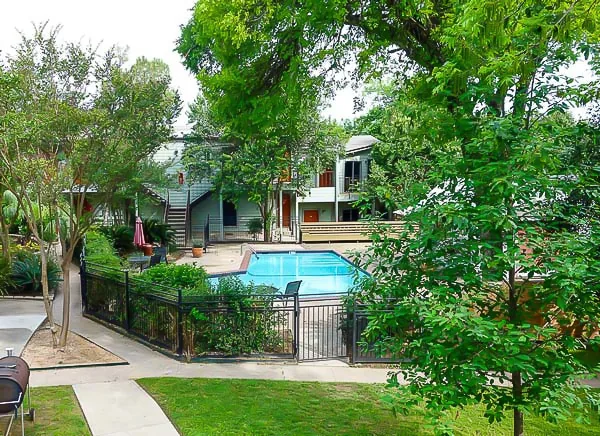
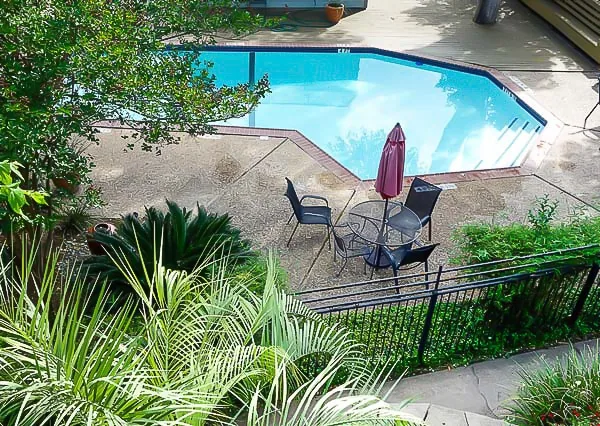
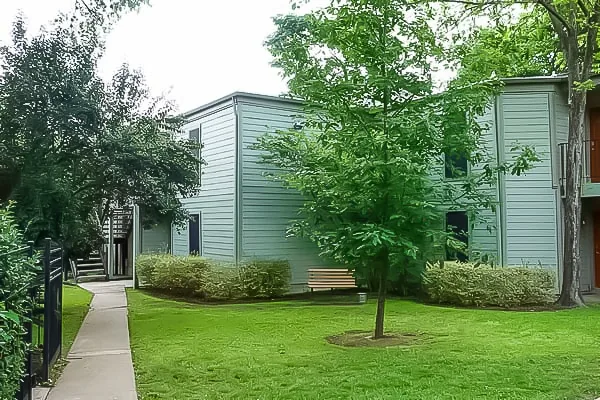
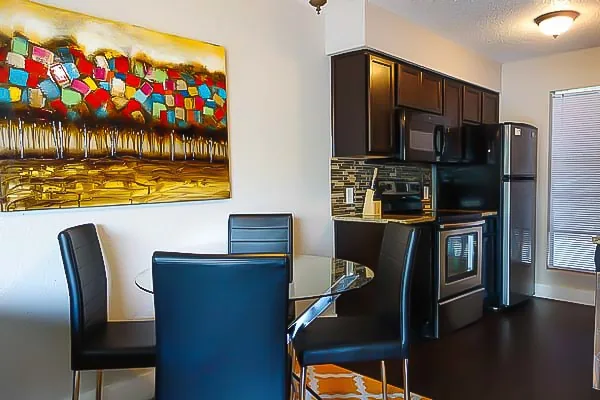
Local sober living properties range from single‑family homes to apartments and townhomes. Many offer:
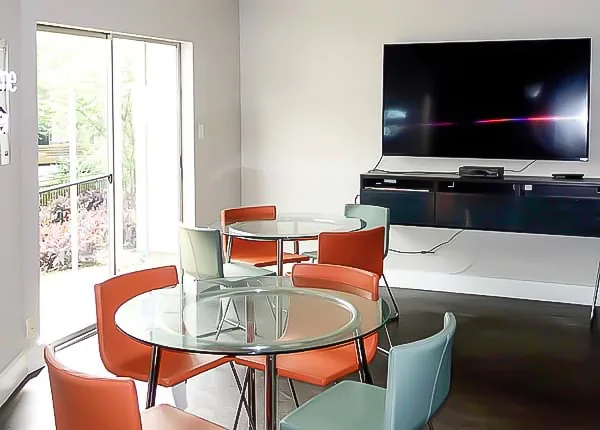
- Furnished living spaces in residential neighborhoods
- On‑site house managers for structure and accountability
- Included utilities and Wi‑Fi so residents can focus on recovery rather than multiple bills
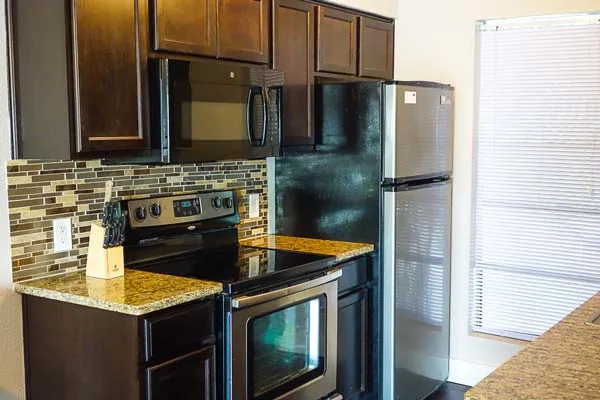
- Access to parking, laundry, and shared kitchens and lounges
Some Austin homes also offer optional recovery coaching, regular drug testing, or support linking residents to outpatient treatment and local employers.
Who Is Sober Living For?
Sober living is often used by people who:
- Are leaving inpatient or residential treatment and want a gradual step‑down
- Are in an intensive outpatient program and need a stable living environment
- Have a period of sobriety but live in housing that is high‑risk for relapse
- Need structure and accountability while rebuilding work, school, or family life
Each home sets its own criteria, but common eligibility requirements include:
- A recent period of sobriety (for example, 30–90 days) or active engagement in treatment
- Agreement to follow house rules and participate in a sober community
- Ability to pay rent and fees or verify income/financial support
- Basic ability to manage daily tasks such as self‑care, transportation, and chores
If you do not meet one home’s criteria, another may still be appropriate. Requirements vary by property, level of structure, and clinical support available.
Eudaimonia's Success Stories – Real People, Real Freedom
How to Get Into Sober Living in Austin (Step‑by‑Step)
The process for entering sober living in Austin is similar to what national guides describe: assessment, research, contact, application, and transition.
Step 1: Clarify your needs and current level of care
Talk with your therapist, case manager, or treatment team about whether sober living fits your current stage of recovery. Many people enter after detox or residential rehab; others move in while attending an outpatient program. A professional assessment can help determine whether you also need ongoing medical or mental health services.
If you are in a program that connects to a network of services, you might move from a detox center such as Briarwood Detox Center to rehab at Nova Recovery Center and then into sober living in Austin as part of a planned continuum of care.
If you and your treatment team decide that outpatient care should be part of your plan, our intensive outpatient program in Austin explains how IOP can work alongside sober living.
Step 2: Research “sober living near me” and create a list
Use several sources to build a short list of Austin sober living properties:
- Recommendations from your treatment providers or peers in recovery
- Reputable online directories and recovery organizations
- Search terms such as “sober living near me” combined with “Austin” or your neighborhood
As you gather options, note the types of homes (men’s, women’s, co‑ed, LGBTQ‑affirming), costs, and whether they offer extras such as transportation or case management.
Step 3: Compare amenities, rules, and room types
Contact each home and ask detailed questions about:
- House rules, curfews, and expectations for meetings or employment
- What is included in rent (utilities, Wi‑Fi, laundry, parking, furnishings)
- Availability of private or semi‑private rooms versus shared bedrooms
- How staff supervise the property and support residents day to day
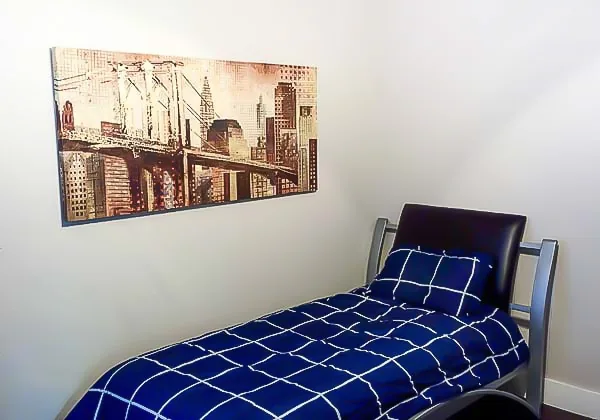
If you are interested in sober living single rooms, ask specifically about those options, waitlists, and any additional fees. Private rooms may suit people who work odd hours, need more quiet, or value extra privacy, but they are usually limited and more expensive.
Step 4: Complete applications and interviews
Most sober living homes require an application and a brief interview. You may be asked about:
- Substance use and treatment history
- Recovery goals and support network
- Employment or financial plans
- Legal or medical considerations that could affect housing
Staff use this information to check eligibility and to see whether you are likely to contribute to a safe, respectful sober community. Being honest about past use, relapses, and challenges helps staff match you with an appropriate level of structure.
When you are ready to move forward with Eudaimonia, you can start the process through our secure sober living admissions form.
Step 5: Provide documentation and secure your spot
Once a home indicates that you are a good fit, you may need to supply:
- Identification and basic paperwork
- Proof of recent treatment or sobriety, if required
- References from counselors, sponsors, or previous housing
- A deposit or first month’s rent
Ask for a written summary of costs, refund policies, and what happens if you need to leave early, so there are no surprises.
Step 6: Plan the transition and move‑in
Coordinate your move‑in date with discharge from treatment, work schedules, and transportation. Many homes provide an orientation that covers:
- House rules and expectations
- Safety procedures and drug‑testing policies
- How chores, cooking, and shared spaces work
- How to get to nearby meetings, bus lines, and services
Pack only what you need, following any packing guidelines the home provides. Typical suggestions include comfortable clothing, basic toiletries, identification, medications, and simple personal items for comfort.
For a detailed packing checklist, including what we provide and what you should bring yourself, visit our what to bring to sober living page.
Sober Living Properties and Room Options in Austin
Property types you may see
Sober living properties in Austin often include:
- Standard single‑family houses converted into group residences
- Townhomes or duplexes with shared common areas
- Apartment‑style sober living, sometimes in small complexes
Many of these homes are located in residential neighborhoods near public transit, employment hubs, and community resources, similar to how other recovery residences in the region are positioned for easy access to meetings and services.
Shared rooms vs. sober living single rooms
Most sober living homes use shared bedrooms to keep costs lower and encourage connection with housemates. Some Austin properties also offer sober living single rooms or smaller semi‑private spaces. These rooms may appeal to people who:
- Work night or rotating shifts
- Need quieter space for school or remote work
- Prefer additional privacy for sleep or mental health reasons
Because private rooms are limited, it can help to ask about them early in the process and to stay flexible about move‑in dates.
Amenities to ask about
When comparing homes, consider asking:
- Whether rent includes utilities, Wi‑Fi, and laundry
- If the kitchen is fully equipped and whether groceries are shared or individual
- How many people share each bathroom
- Whether parking or bike storage is available
- How staff respond to maintenance issues and conflicts
The goal is to find a home where the physical space and amenities support, not distract from, your recovery goals.
If you want a deeper comparison of neighborhoods, pricing, and admission details, our complete guide to Austin sober living homes walks through those factors step by step.
Daily Life Inside a Sober Community
Structure, rules, and accountability
Day‑to‑day life in sober living typically combines personal independence with clear structure. Residents are expected to:
- Stay abstinent from drugs and alcohol
- Follow curfews and sign‑in/sign‑out procedures
- Complete assigned chores and help keep common areas clean
- Respect housemates, staff, and property
- Attend recovery meetings, counseling, school, or work consistently
Rule violations may lead to warnings, increased structure, or discharge, depending on severity. The aim is not punishment; it is to maintain a safe environment for everyone in the sober community
Support, connection, and next steps
Residents often attend meetings together, share rides, and check in with one another about progress and stressors. Over time, many people use sober living to:
- Practice budgeting and paying rent on time
- Rebuild routines around work, school, or parenting
- Strengthen relapse‑prevention skills learned in treatment
Local sober events and alcohol‑free venues in Austin can extend this support network beyond the house and into the broader community.
How Eudaimonia Recovery Homes Helps You Get Into Sober Living
Eudaimonia Recovery Homes can support you with getting into sober living in Austin by offering a clear, guided admissions process and a range of structured housing options. Their team can help you understand whether sober living is an appropriate next step after detox or treatment and can coordinate information with your current providers when needed.
Staff typically walk you through eligibility requirements, house rules, and financial expectations so you know what to expect before you move in. They can recommend specific houses based on your recovery needs, preferred level of structure, and whether you are looking for a shared room or a more private space.
During admission, they also review your recovery goals and help you plan how work, school, or outpatient treatment will fit into daily life in the house. Once you arrive, on‑site support and peer accountability can make it easier to adjust to routines like meetings, curfew, and chores.
Eudaimonia’s sober living community in Austin provides opportunities to connect with other residents who are also focused on maintaining sobriety and rebuilding their lives. This combination of clear expectations, stable housing, and ongoing peer support can make the transition into sober living more manageable for many people.
Your Future Is Waiting
Tell us what you are looking for and admissions will walk you through the houses, the phases, and what a room actually costs.


