

Published December 10, 2025 · Updated February 18, 2026
Key Takeaways
- Extended care after rehab provides a planned phase of support that continues treatment gains and lowers the risk of relapse.
- Recovery homes in Austin offer structured, alcohol- and drug-free housing that combines peer support, routine, and accountability as part of extended care.
- Step-down levels of care help people move safely from detox and residential treatment into outpatient services and sober living without losing support.
- Choosing extended care wisely means asking clear questions, checking rules and safety, and watching for red flags before selecting a recovery home or program.
- Eudaimonia Recovery Homes support extended care in Austin by providing structured sober living, clear expectations, and coordination with outpatient and community-based services.
On This Page · 19 Sections

Sober Living
Austin
10506 Parkfield Dr, Austin, TX 78758
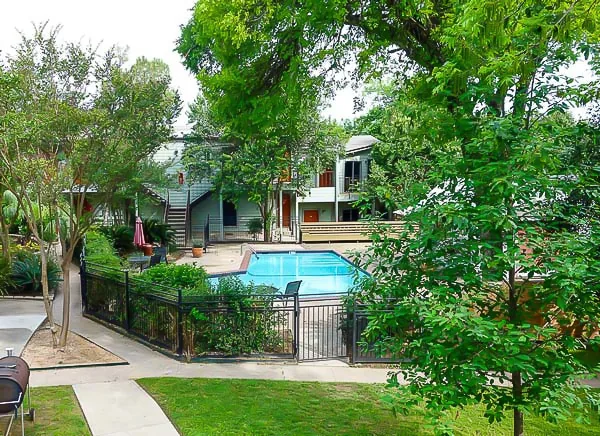
Leaving inpatient treatment is a major milestone, but it is not the end of recovery. Many people need a structured next step so they can practice sober living while rebuilding work, school, and family life. Extended care and recovery homes in Austin fill this gap by offering safe housing, accountability, and ongoing clinical or peer support.
To see what this looks like in real life, you can explore our sober living in Austin, TX programs and housing options.
Research shows that addiction treatment works best when it lasts at least three months and often longer. Extended care gives people time to turn new habits into a routine, instead of going straight from rehab back into daily stress.
When people search for terms like “extend a care Austin” or “extended care Austin”, they are usually looking for this kind of continued support. Recovery homes Austin residents use as extended care can be a key part of that plan.
Understanding Extended Care After Rehab
Extended care is a general term for services that continue after detox and residential treatment. It can include structured housing, partial hospitalization, intensive outpatient care, therapy, and monitoring programs designed to reduce relapse risk and support long‑term change.
A review of continuing care research found that lower-intensity “step-down” or aftercare services can help people maintain gains from their initial treatment episode McKay, 2001 continuing care study.
Instead of a single program, extended care is a phase in the recovery journey. The goal is simple: keep people engaged in treatment and support while they take on more responsibility in everyday life.
Where Extended Care Fits in the Recovery Journey
Most people move through several stages of care:
- Detox and medical stabilizationShort‑term care to manage withdrawal safely.
- Residential or inpatient treatmentHighly structured programs focused on therapy, education, and stabilization.
- Extended careStep‑down services that provide support while a person returns to work, school, or family roles.
- Long‑term recovery supportsPeer groups, alumni programs, and ongoing counseling.
Studies on continuing care show that longer planned duration and consistent follow‑up improve outcomes and help people stay engaged. Extended care also creates a smoother transition from highly supervised treatment to independent living.
A meta-analytic review of continuing care programs found that these services offer modest but meaningful improvements in substance use outcomes compared with having no follow-up support (Blodgett et al., 2014).
Common Types of Extended Care in Austin
Extended care in Austin can take several forms:
- Partial Hospitalization Program (PHP). Clients attend structured treatment for most of the day, several days a week, but live at home or in a recovery residence.
- Intensive Outpatient Program (IOP). Therapy and groups are scheduled several times per week, often in the evenings, so people can work or attend school.
- Recovery homes and sober living. Residents live in alcohol‑ and drug‑free housing with rules, curfews, and peer accountability while taking part in outside treatment.
- Monitoring and coaching programs. Some people work with recovery coaches or monitoring services that check in regularly and support relapse‑prevention plans.
Together, these services create an “extend a care” approach: treatment does not stop at discharge but stretches over months or even years.
Recovery Homes Austin: Extended Care in a Home Setting
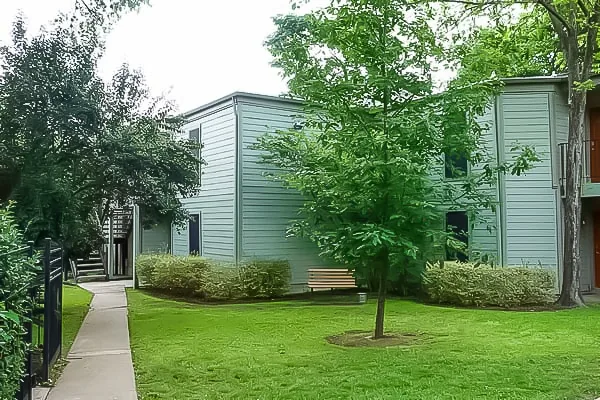
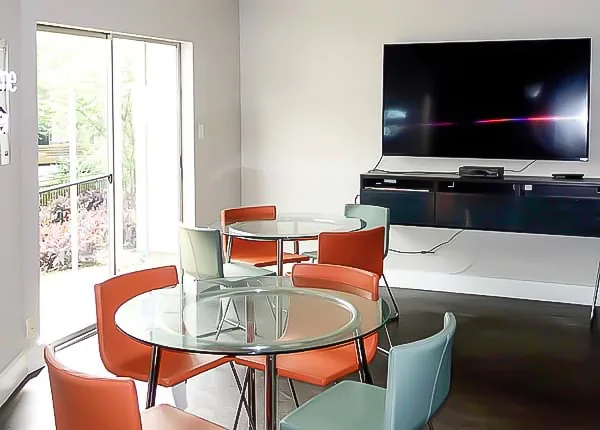
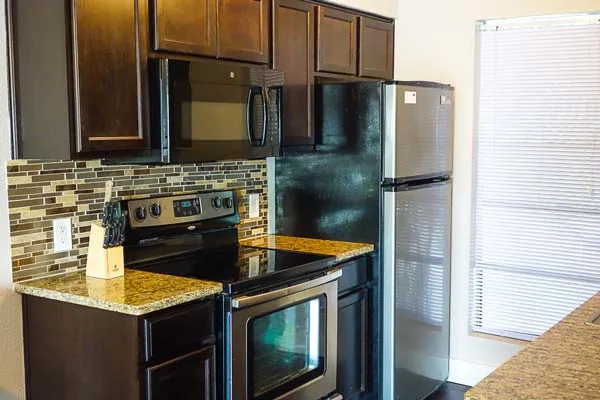
Recovery homes, also called sober living homes or recovery residences, are an important extended care option in Austin. They give residents a stable place to live while they continue outpatient treatment and rebuild daily routines.
If you are new to this level of care, our guide to what sober living homes are explains how these residences support life after rehab.
How Recovery Homes Differ from Treatment Centers
Residential treatment centers and detox units are clinical environments. Staff guide the schedule from morning until night, and clients focus almost entirely on treatment.
Recovery homes are different:
- Residents usually work, volunteer, or attend school.
- Clinical services (like PHP or IOP) are often delivered off‑site.
- The home environment emphasizes peer support, house rules, and personal responsibility.
Research on recovery housing shows that people who live in structured sober housing during outpatient treatment stay in care longer and are more likely to complete programs successfully.
What Daily Life Looks Like in a Recovery Home
While every house is unique, many recovery homes Austin residents choose share common features:
- Curfews and visitor policies to protect sobriety.
- House meetings to review progress, resolve conflicts, and share goals.
- Random drug and alcohol testing to support accountability.
- Chores and shared responsibilities that keep the home running smoothly.
- Required recovery activities, such as support groups, therapy, or 12‑step meetings.
Studies of Oxford House recovery homes, a large network of self-governed residences, show lower substance use and higher employment rates than usual aftercare services for people leaving treatment (Jason & Ferrari, 2010).
This structure is meant to support, not control, residents. It gives enough freedom to practice independence while still offering a safety net.
You can review our full sober living community rules to see the expectations, accountability, and daily responsibilities in our homes.
Who Is a Good Fit for a Recovery Home?
A recovery home may be helpful if someone:
- Has completed detox or residential treatment but does not feel ready to return home.
- Wants a drug‑ and alcohol‑free environment with peers who are also in recovery.
- Needs support while starting a new job, school program, or family role.
- Has a history of relapse when moving directly from treatment back into everyday life.
Many people move into sober living after detox at a facility such as Briarwood Detox Center or after completing a residential program like Nova Recovery Center, then step down into extended care within the community. When combined with outpatient treatment, this creates a strong, layered support system.



Eudaimonia's Success Stories – Real People, Real Freedom
Coordinating Extended Care With Detox and Outpatient Services
Extended care works best as part of a full continuum of care rather than a stand‑alone service.
Step‑Down Levels of Care
A common step‑down path might look like this:
- DetoxShort medical stay for withdrawal management.
- Residential treatmentIntensive therapy and support in a controlled environment.
- PHP or IOPStructured daytime or evening programming.
- Recovery home or sober livingStable housing with rules and peer support.
- Alumni and community supportsLong‑term groups, sponsors, or counseling.
Each level offers a bit more independence while keeping some structure in place. This gradual change is important because relapse risk is often highest in the first months after leaving residential care.
Building a Personalized Continuing Care Plan
A good continuing care plan is tailored to the person, not built from a template. Before discharge, the treatment team and client usually:
- Review relapse‑risk factors (stress, environment, mental health).
- Decide which extended care services are needed and for how long.
- Identify appropriate recovery homes or sober living options in Austin.
- Arrange follow‑up appointments, transportation, and financial details.
Some organizations, including Eudaimonia Recovery Homes, also connect residents with peer support programs and monitoring services that keep families informed while respecting privacy.
At Eudaimonia, this includes our MAP PRSS support program for long-term recovery, which pairs clients and families with dedicated Peer Recovery Support Specialists.
How to Choose the Right Extended Care Option in Austin
The Austin area offers many options, from structured recovery homes to outpatient clinics and coaching programs. It can feel overwhelming, especially right after rehab. Asking clear questions can make the process easier.
Practical Questions to Ask Providers
When you contact an extended care or recovery home provider, consider asking:
- What level of care do you offer? (PHP, IOP, sober living, or a mix.)
- How is treatment or support structured each week?
- What qualifications do staff members have?
- How do you coordinate with detox or residential programs I’ve already completed?
- What are the house rules, curfews, and expectations for residents?
- How is relapse handled?
Clear answers help you understand whether a program is truly focused on extended care and long‑term recovery, or if it offers only short‑term support.
Red Flags to Watch For
While every program is different, some warning signs include:
- Vague or shifting information about rules, staffing, or costs.
- No clear connection to licensed clinical services or community supports.
- Little or no drug and alcohol testing.
- Unsafe or poorly maintained housing.
- Pressure to sign up immediately without time to ask questions.
Trust your instincts. If something does not feel right, it is reasonable to explore other extended care Austin options.
Bringing It All Together
For many people, the real work of recovery begins after leaving inpatient treatment. Extended care and recovery homes in Austin provide a bridge between the safety of rehab and the demands of daily life. By combining structured housing, step‑down clinical services, and ongoing support, extended care helps individuals build stable routines and reduce relapse risk.
Whether you are comparing recovery homes Austin offers or exploring PHP and IOP programs, the most important step is choosing a plan that you can stick with for the long term. With the right extended care in place, life after rehab can be both manageable and sustainable.
If you are ready to take the next step, you can apply for sober living at Eudaimonia or speak with our admissions team about current availability in Austin.
How Eudaimonia Recovery Homes Supports Extended Care in Austin
Eudaimonia Recovery Homes provides structured sober living environments that extend support beyond inpatient rehab for people in Austin. Each home offers clear rules, curfews, and accountability measures, which help residents practice daily sobriety while gaining more independence. Residents are encouraged to take part in local outpatient programs, support meetings, or counseling, so extended care continues both inside and outside the home.
House managers and staff monitor adherence to program expectations and conduct regular drug and alcohol testing, creating a consistent sense of safety and stability. The homes are designed to support practical life skills, such as working, going to school, or rebuilding relationships, while still keeping recovery as a daily priority. Peer support is built into the living experience, as residents share experiences, attend meetings together, and provide encouragement when challenges arise.
Eudaimonia Recovery Homes also helps coordinate step-down care, such as moving from more structured living to greater independence when a resident is ready. By combining sober housing, accountability, and connection to extended care services in Austin, Eudaimonia Recovery Homes offers a practical bridge between treatment and long-term recovery.
Your Future Is Waiting
Tell us what you are looking for and admissions will walk you through the houses, the phases, and what a room actually costs.


