

Published January 15, 2025 · Updated July 15, 2026
On This Page · 11 Sections

Sober Living
Austin
10506 Parkfield Dr, Austin, TX 78758
Finding the right environment to recover from addiction is one of the most important steps toward long-term sobriety. At Eudaimonia Recovery Homes, we provide compassionate and comprehensive sober living options in Austin, Texas, tailored to support emotional well-being and foster lasting recovery. Whether you are just starting your journey or seeking a stable, supportive environment to continue your progress, our sober living programs are designed to meet your unique needs.
The Importance of Emotional Well-Being in Sober Living
Recovery is not just about abstaining from drugs or alcohol; it is about rebuilding a life filled with purpose, stability, and emotional balance. Emotional well-being plays a pivotal role in this process, serving as a foundation for resilience and preventing relapse. Living in a supportive recovery residence offers a structured environment where individuals can address their emotional challenges while focusing on recovery.
Eudaimonia Recovery Homes prioritizes emotional well-being by creating spaces where residents feel safe, understood, and empowered. Through evidence-based therapies and peer support, we help clients address underlying emotional issues and build skills to manage life’s challenges effectively.
How Sober Living Supports Emotional Recovery
- A Structured Environment for Healing Structure is a cornerstone of recovery. At Eudaimonia Recovery Homes, our sober living residences provide clear guidelines and routines that encourage accountability and self-discipline. This structure fosters emotional stability by reducing chaos and providing predictability during a challenging time.
- Building a Supportive Community Recovery can feel isolating, but sober living introduces residents to a community of like-minded individuals who share similar goals. Building connections with others who understand your journey can significantly enhance emotional well-being. At our Austin homes, we emphasize peer support and foster an environment of mutual respect and encouragement.
- Access to Evidence-Based Therapies Emotional well-being often requires professional intervention. Our program integrates evidence-based therapies such as cognitive-behavioral therapy (CBT) and mindfulness practices. These approaches help residents identify and reframe negative thought patterns while cultivating emotional resilience.
- Life Skills Development Sober living is an opportunity to learn and practice essential life skills. From managing finances to cooking nutritious meals, these skills not only promote independence but also contribute to a sense of accomplishment and emotional stability.
- Reconnecting with Purpose Addiction often leaves individuals feeling disconnected from their goals and passions. Our program encourages residents to rediscover their purpose through meaningful activities, such as volunteering, pursuing education, or engaging in creative hobbies. By focusing on personal growth, residents build a strong emotional foundation for long-term recovery.
Why Choose Eudaimonia Recovery Homes for Sober Living in Austin?
Eudaimonia Recovery Homes stands out as a trusted provider of recovery options in Austin. We combine a supportive community with evidence-based practices to offer the highest quality care. Here’s what sets us apart:
- Comprehensive Continuum of Care: From detox to sober living, we provide seamless support at every stage of recovery.
- Personalized Approach: Each resident receives an individualized plan tailored to their specific needs and goals.
- Focus on Whole-Person Healing: By addressing physical, emotional, and spiritual well-being, we help residents achieve a balanced and fulfilling recovery.
- Prime Location in Austin: Our homes are conveniently located, offering access to local resources, job opportunities, and vibrant recovery communities.
Achieving Emotional Well-Being in Austin’s Sober Living Community
Recovery is a journey, and finding the right environment can make all the difference. At Eudaimonia Recovery Homes, we are dedicated to helping individuals achieve emotional well-being and long-term sobriety. Our supportive sober living residences in Austin provide the structure, resources, and community needed to thrive in recovery.
Are you ready to take the next step? Contact us today to learn more about our sober living options and start your journey toward a healthier, more fulfilling life.
- Confidential Availability Check: Let us help you navigate the next steps with a confidential assessment.
- Get Help Today: Reach out to Eudaimonia Recovery Homes and discover how we can support your recovery journey.
- See Availability Today: Take the first step toward lasting sobriety by checking availability in our Austin sober living residences.
Eudaimonia Can Help Keep You on the Path to Recovery
Eudaimonia offers excellent recovery programs with tailored care. In these programs, individuals can develop positive coping skills with the tools necessary to maintain sobriety. Eudaimonia even provides tailored care based on gender and orientation. We also include supervised, short-term housing to provide support for newly sober individuals.
But no matter where you are in your recovery, Eudaimonia Sober Living Homes can provide support every step of the way. We have facilities for sober living in Austin, Houston, and Colorado Springs ready to assist you in living your sober lifestyle. Call Eudaimonia Sober Living Homes at (512) 240-6612 for more information on the admissions process and current room availability.
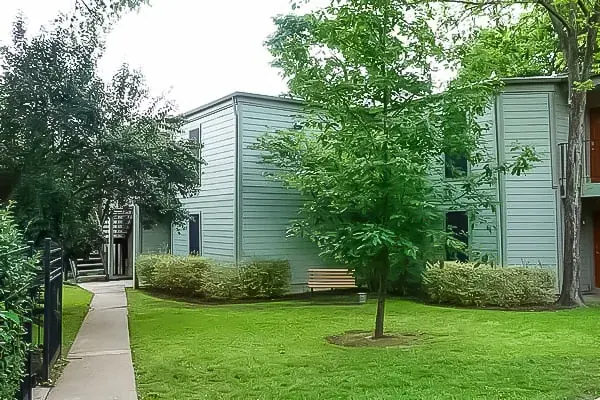
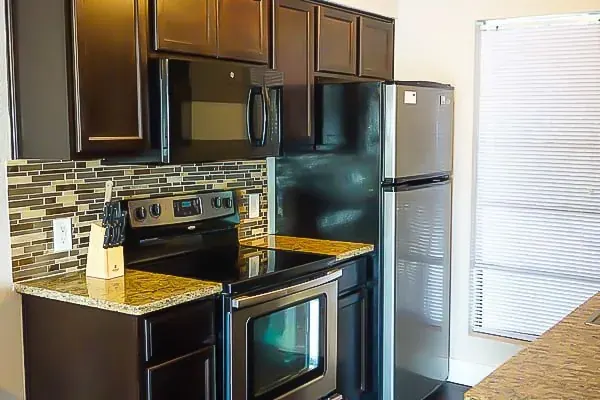
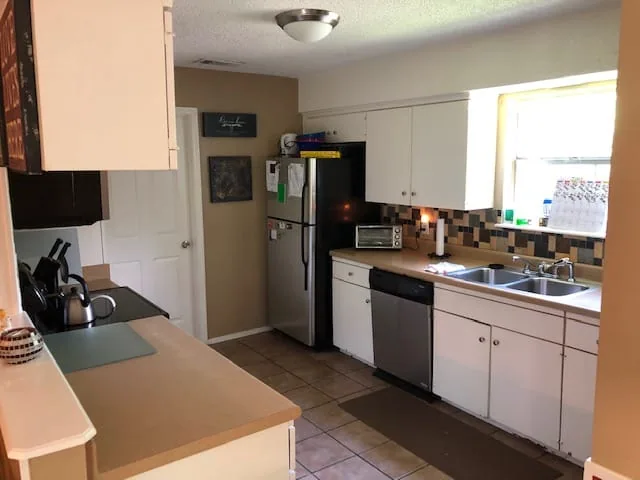
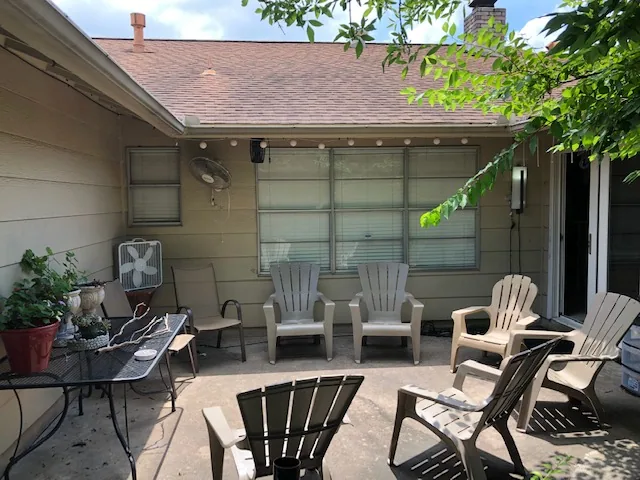
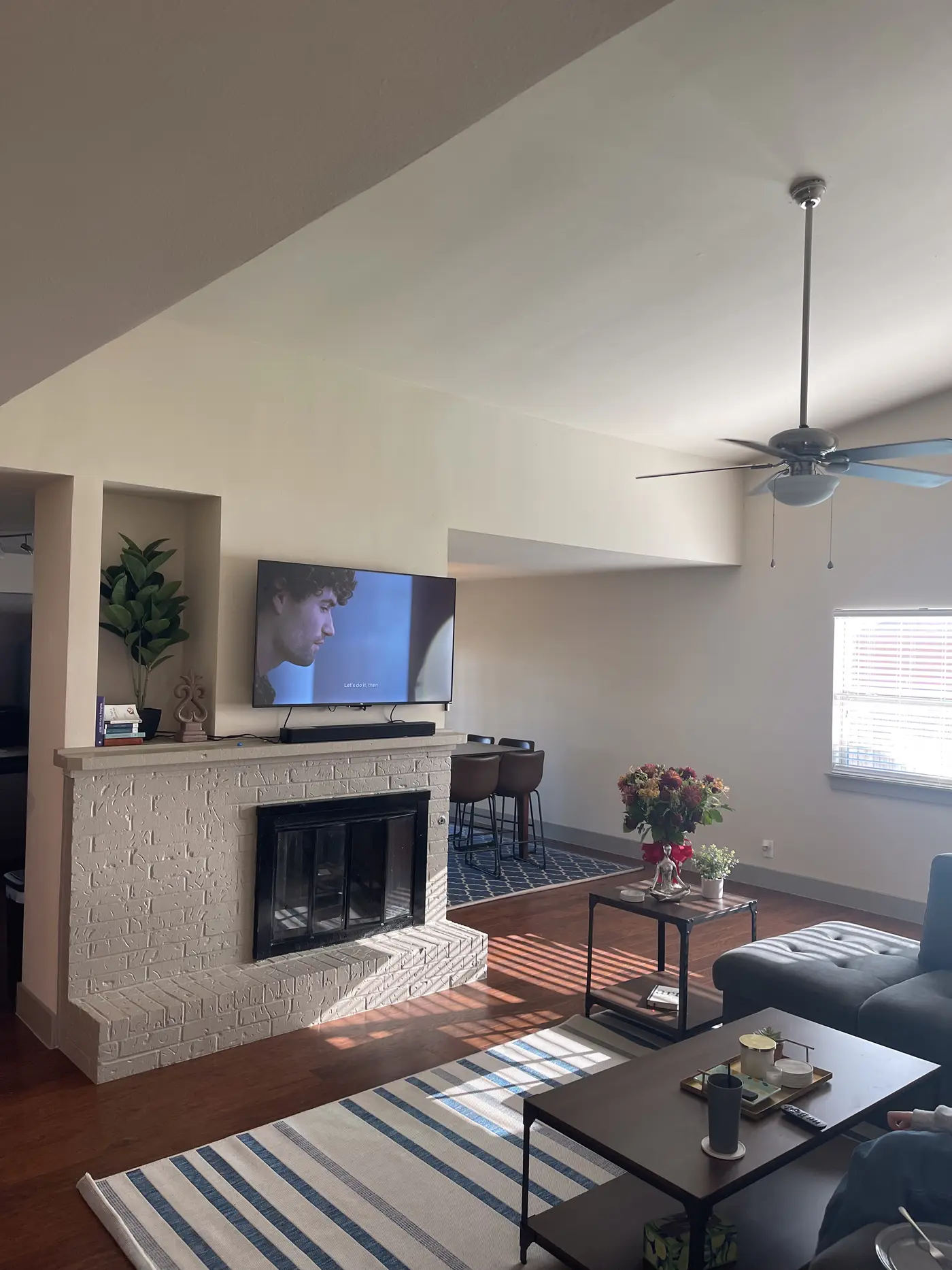
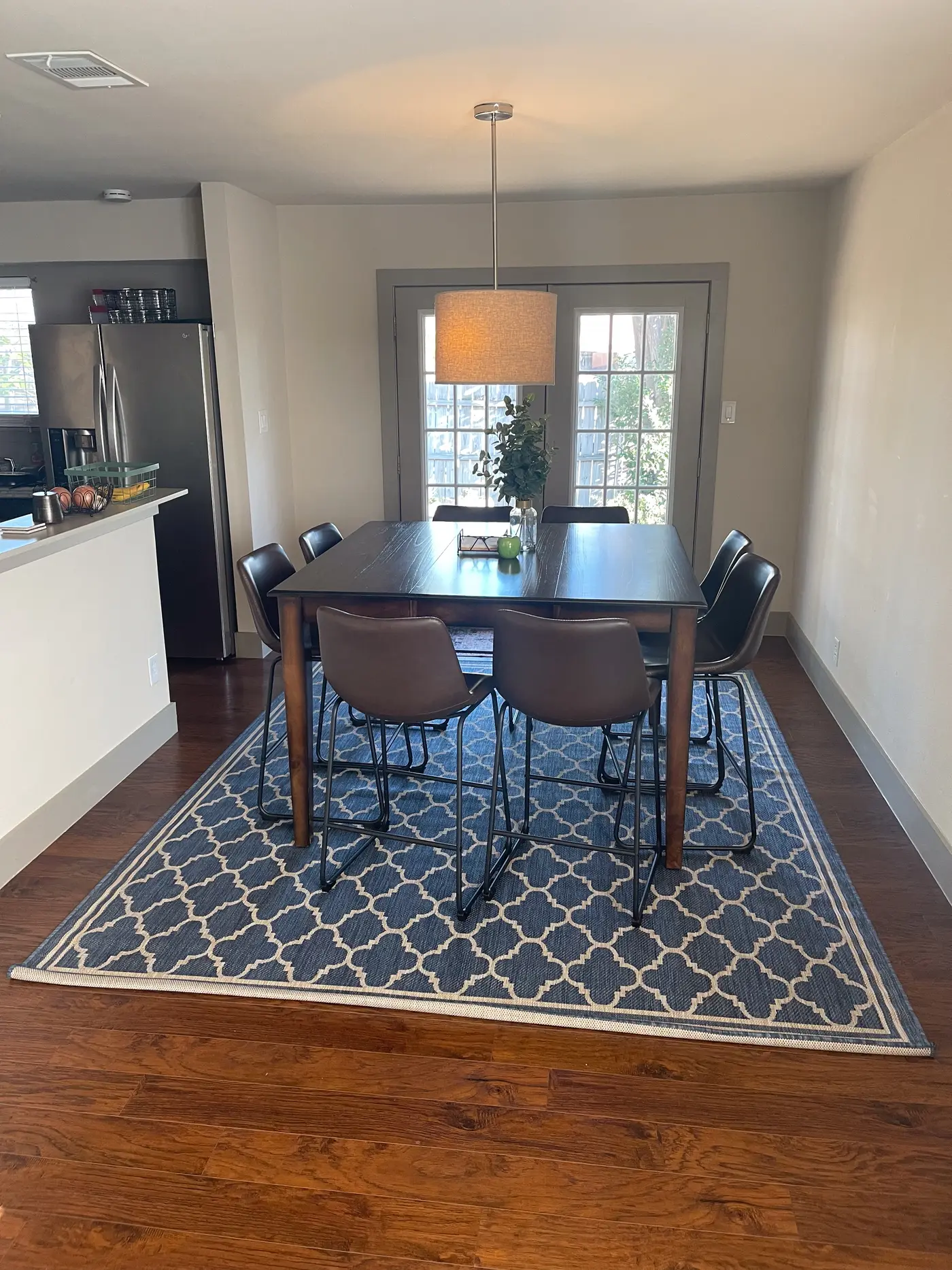
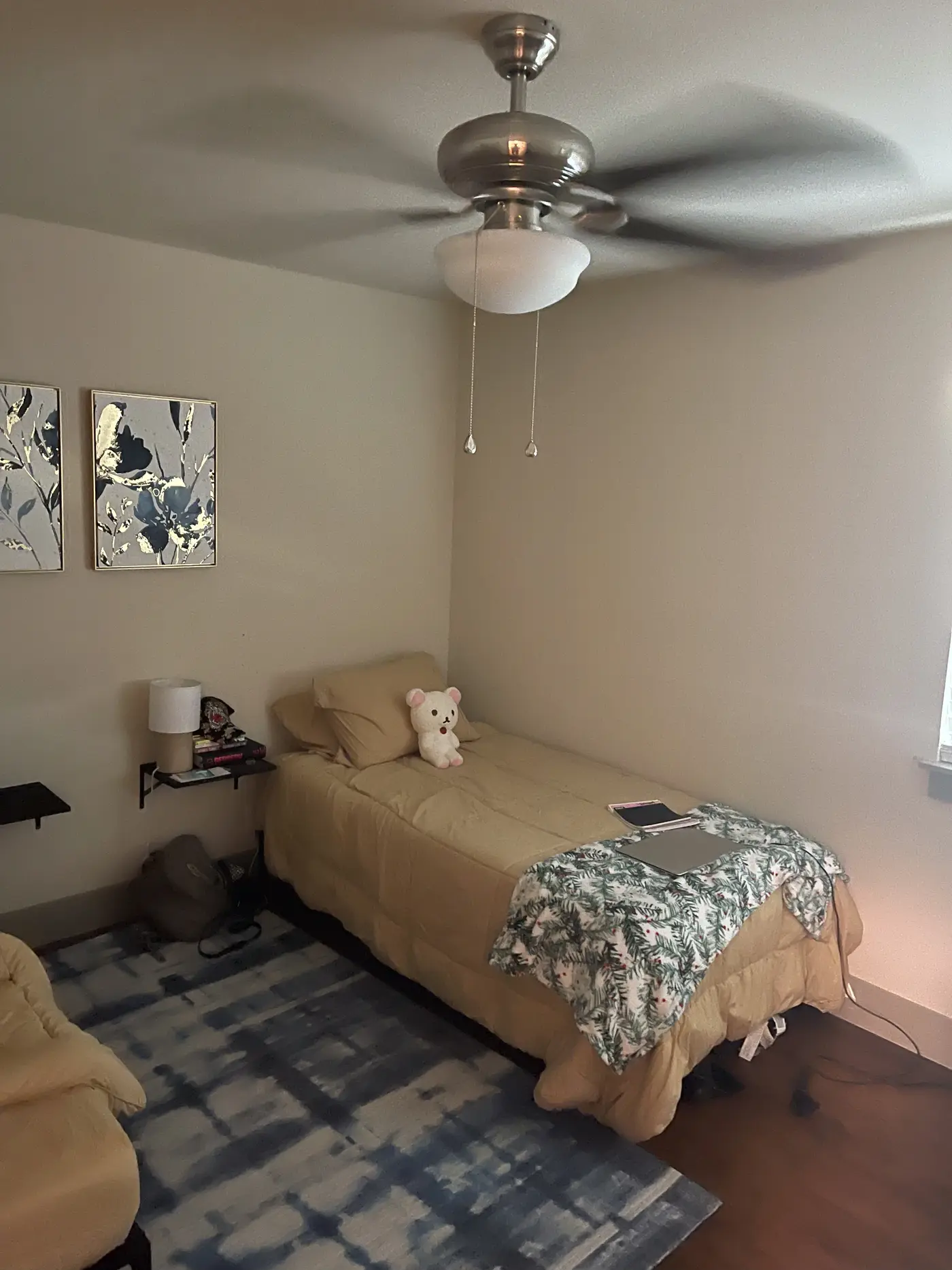
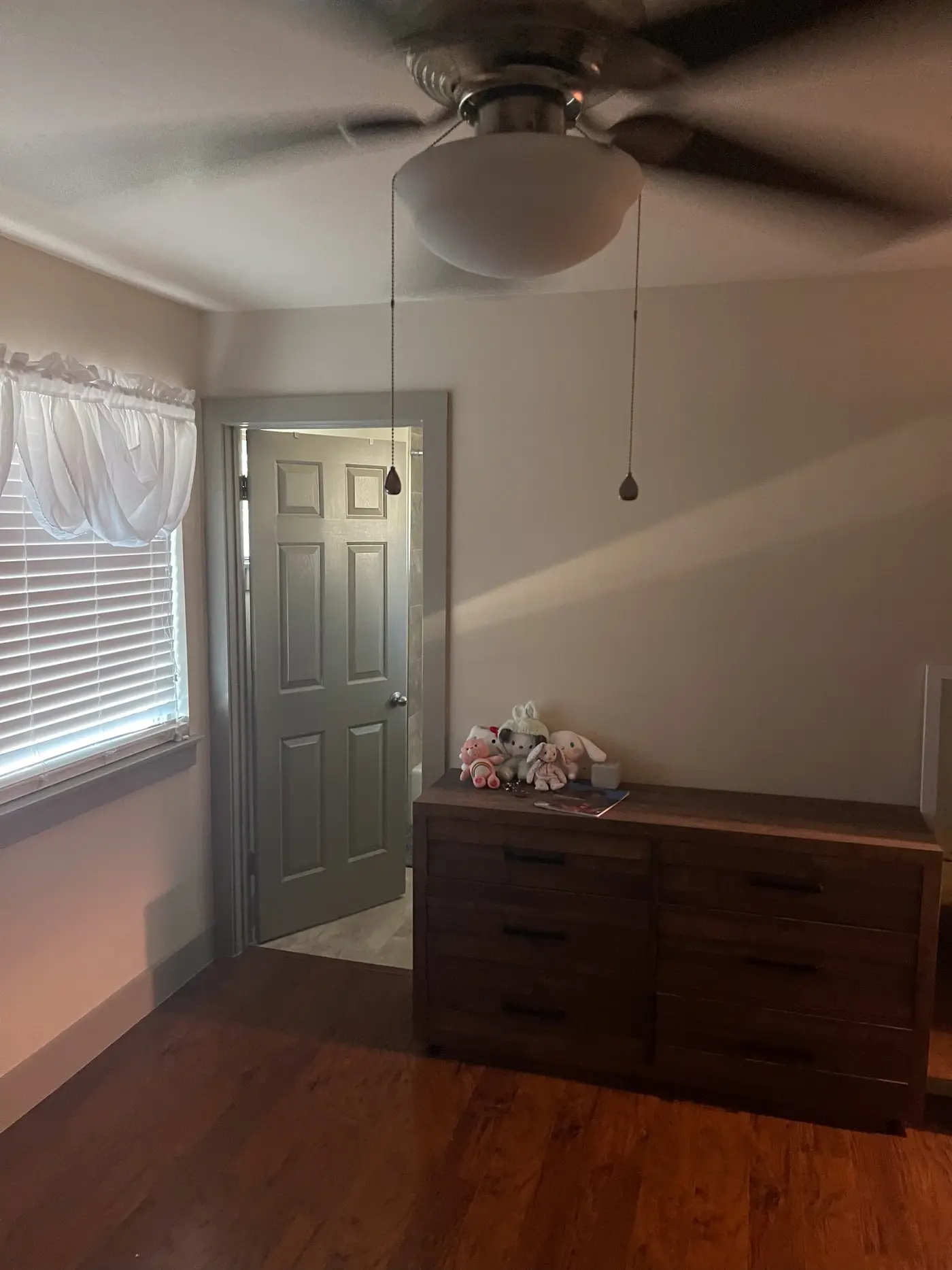
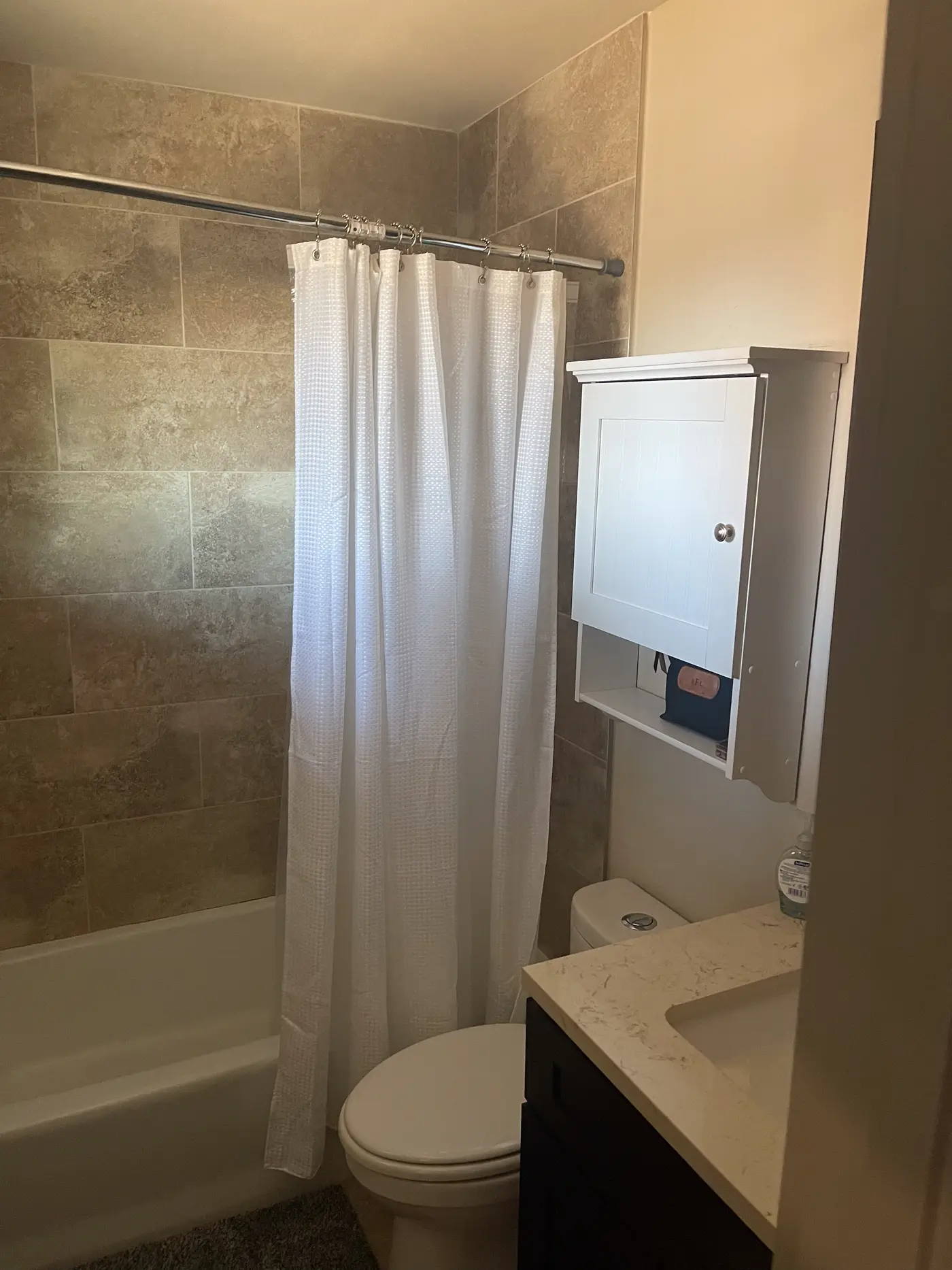
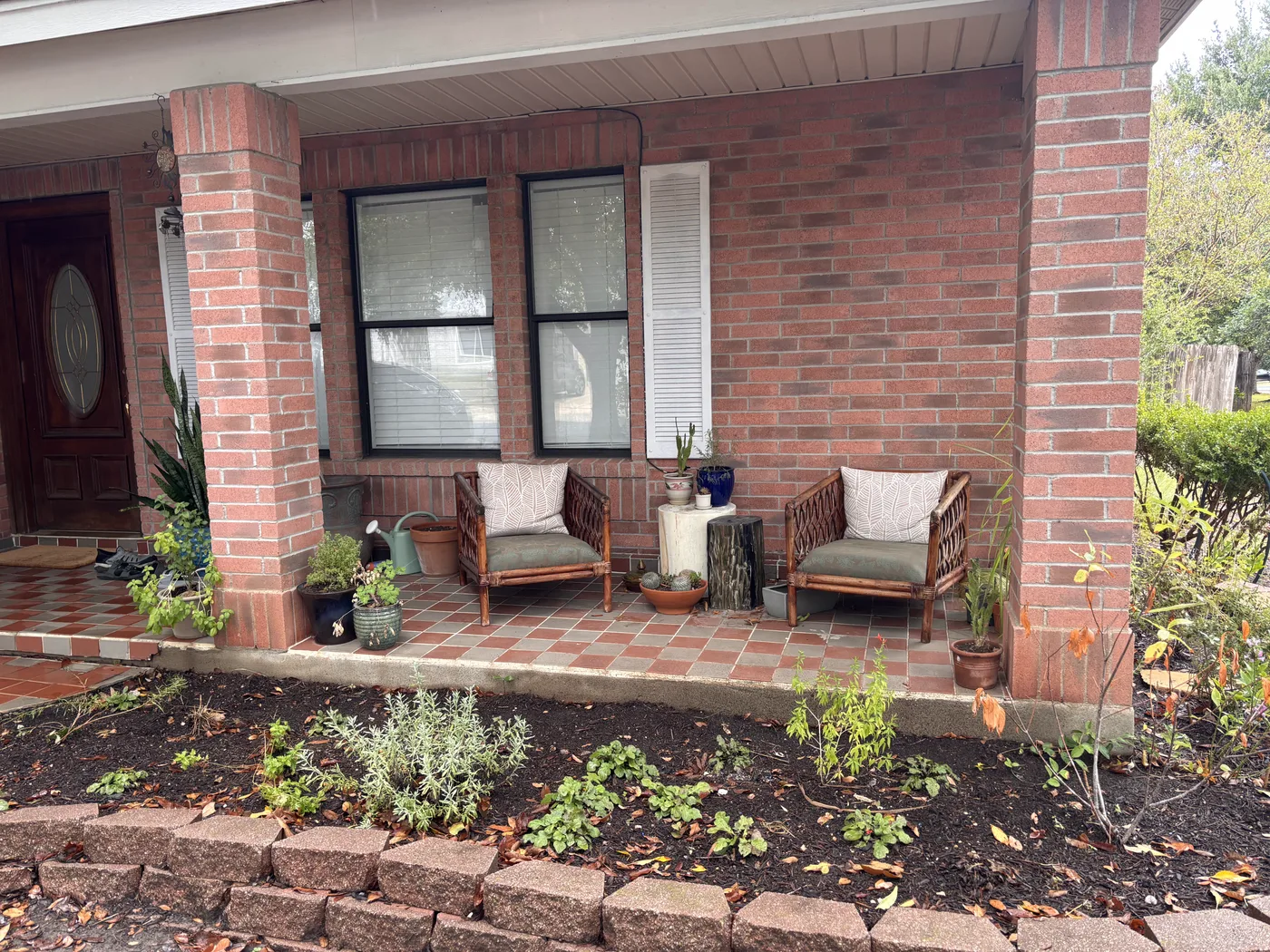
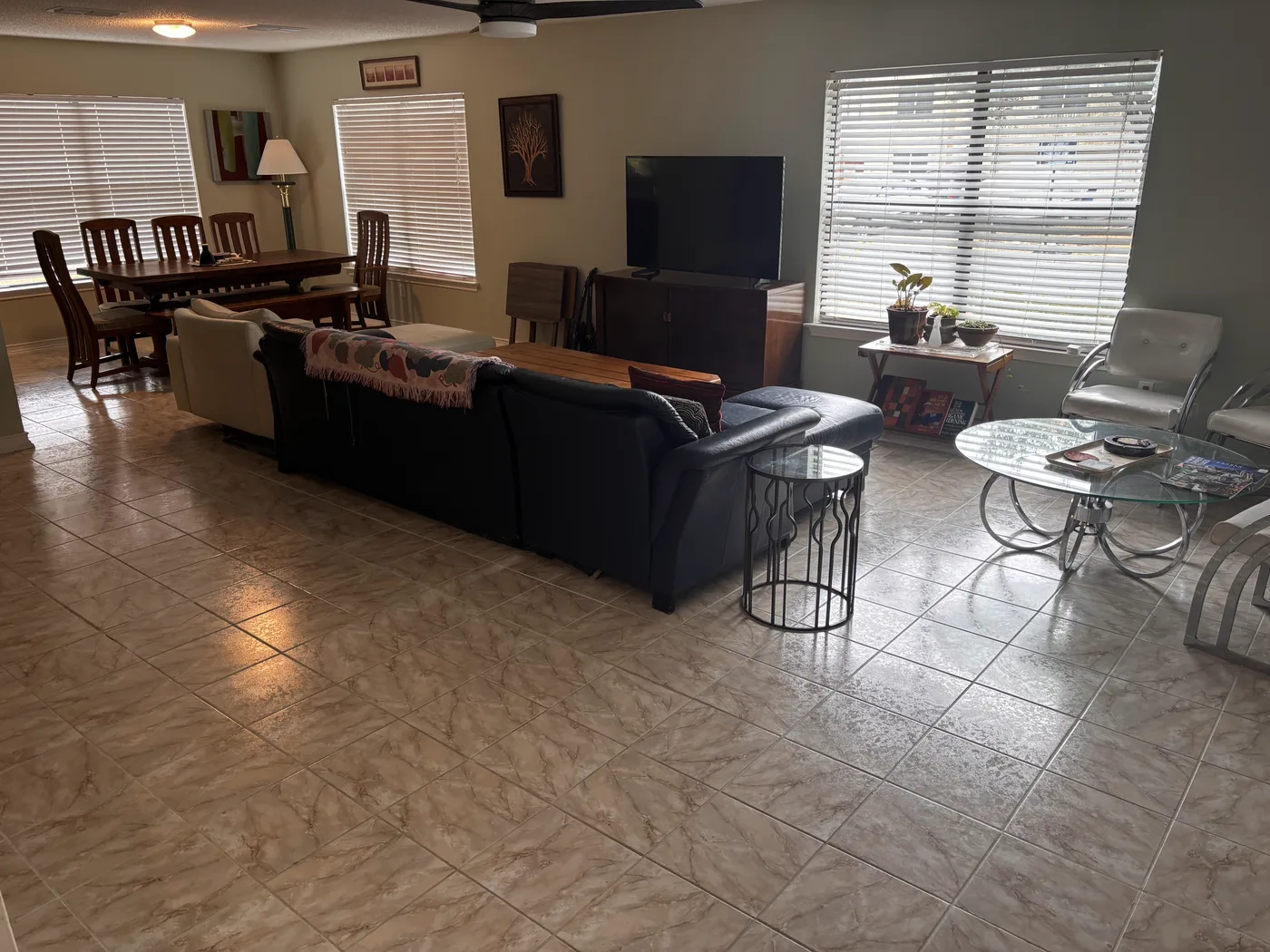
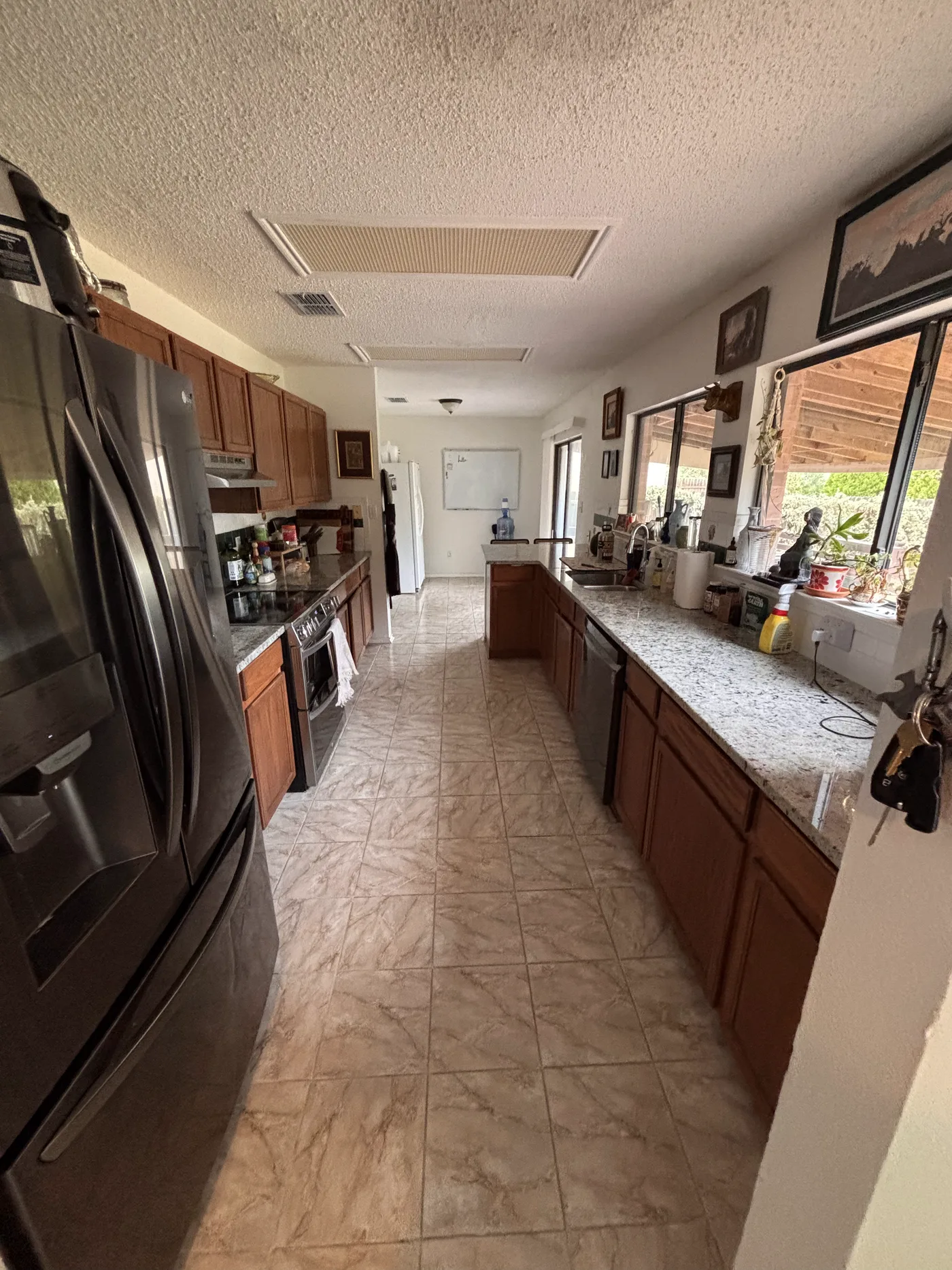
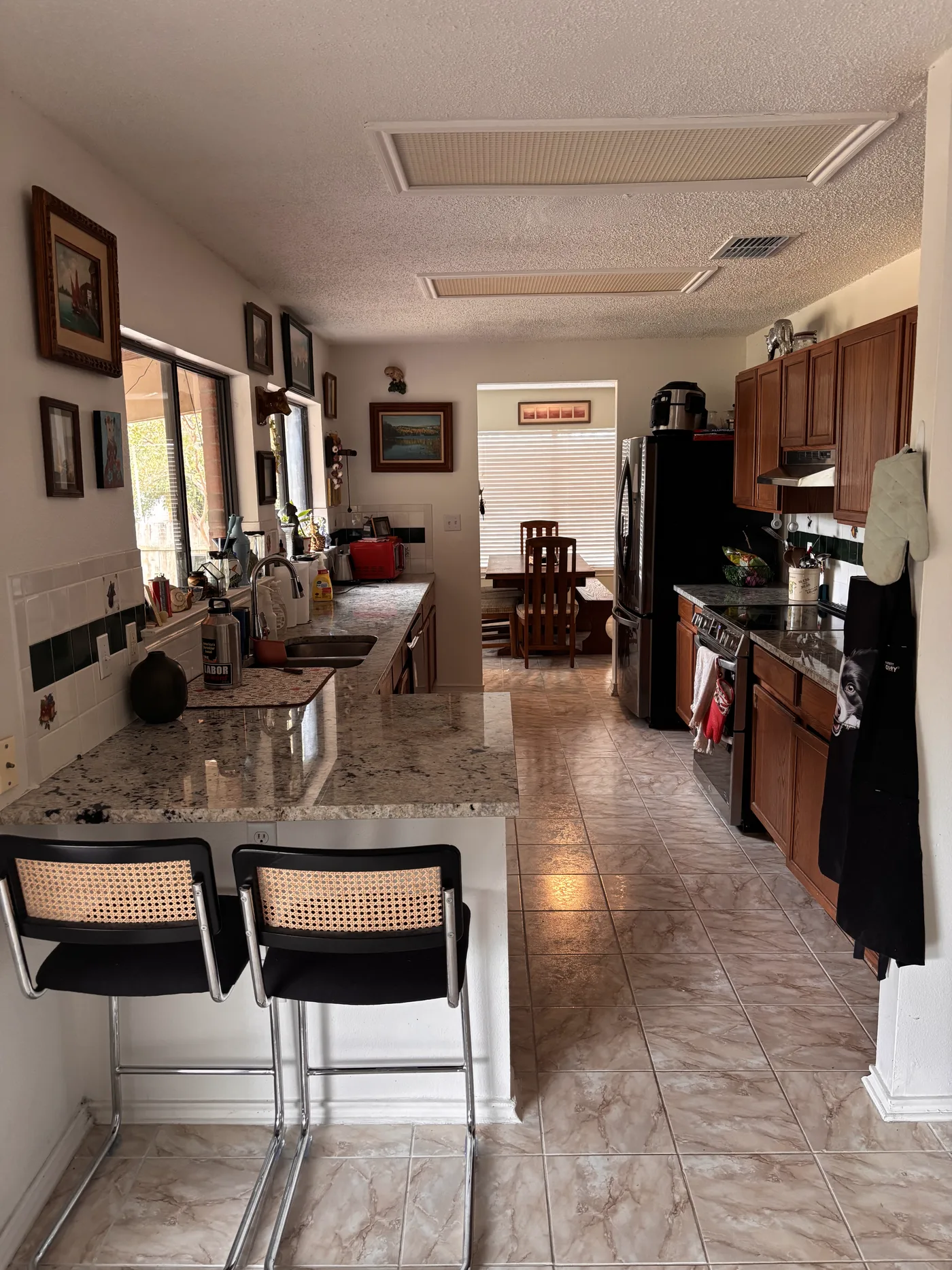
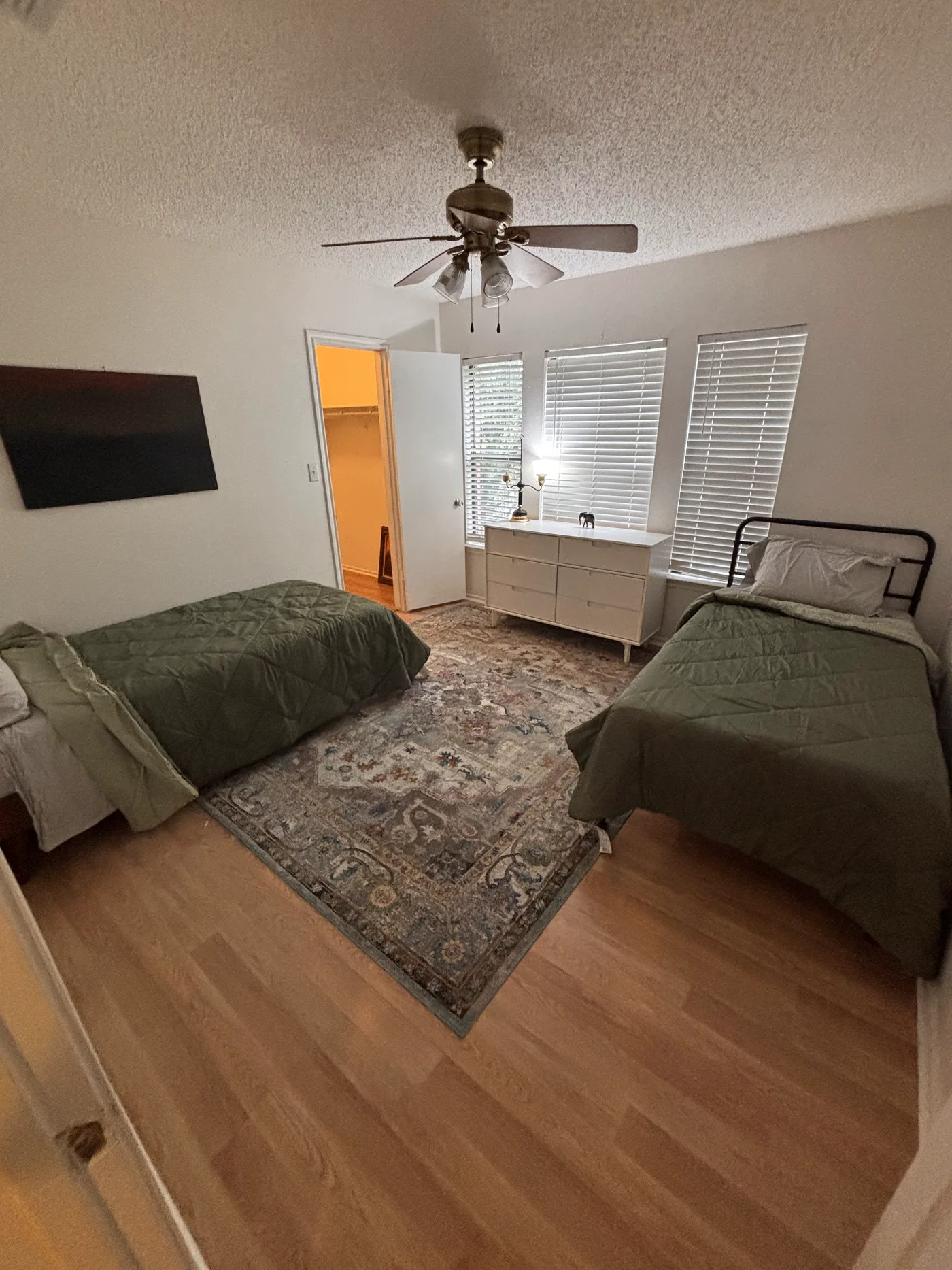
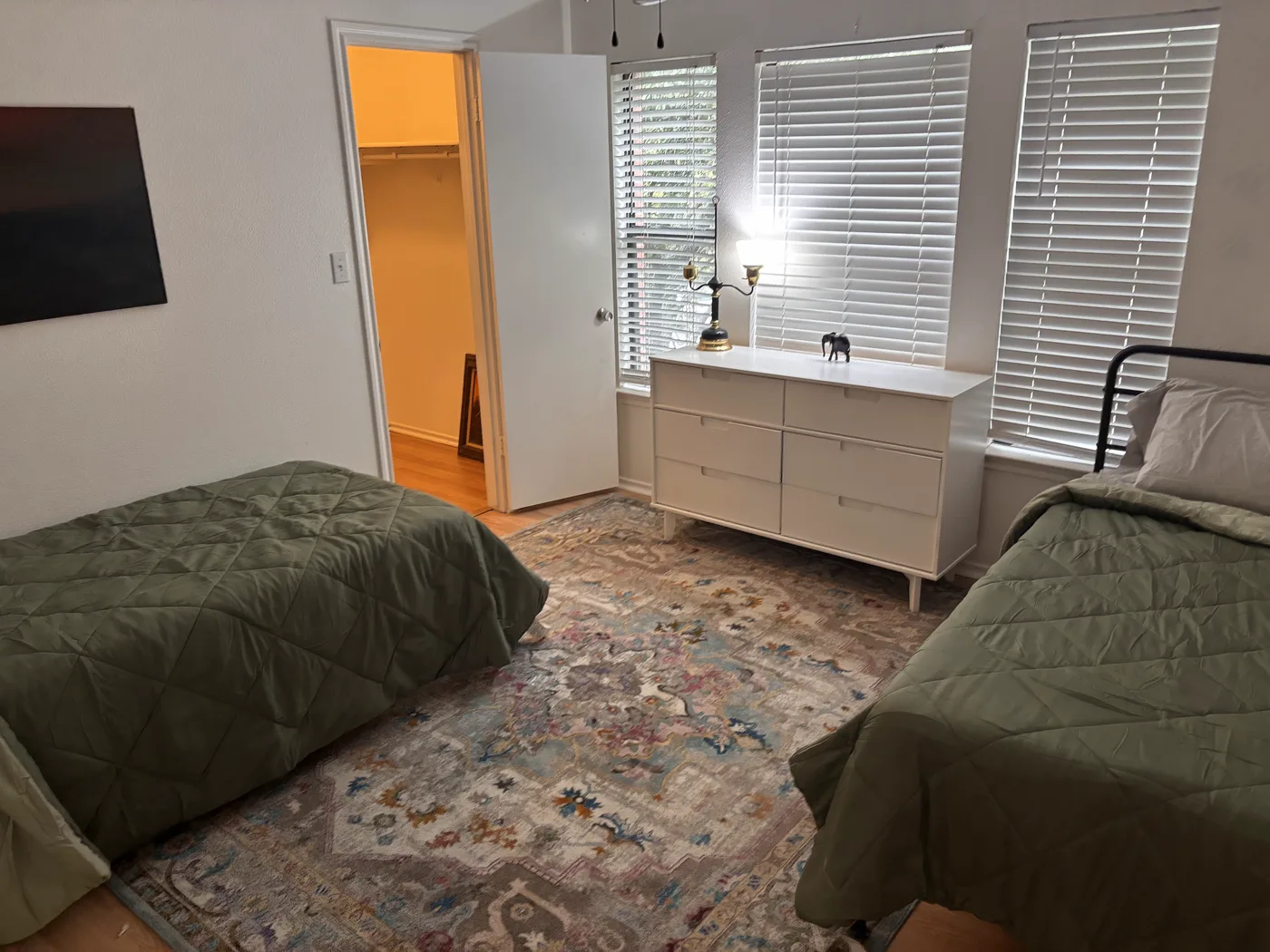
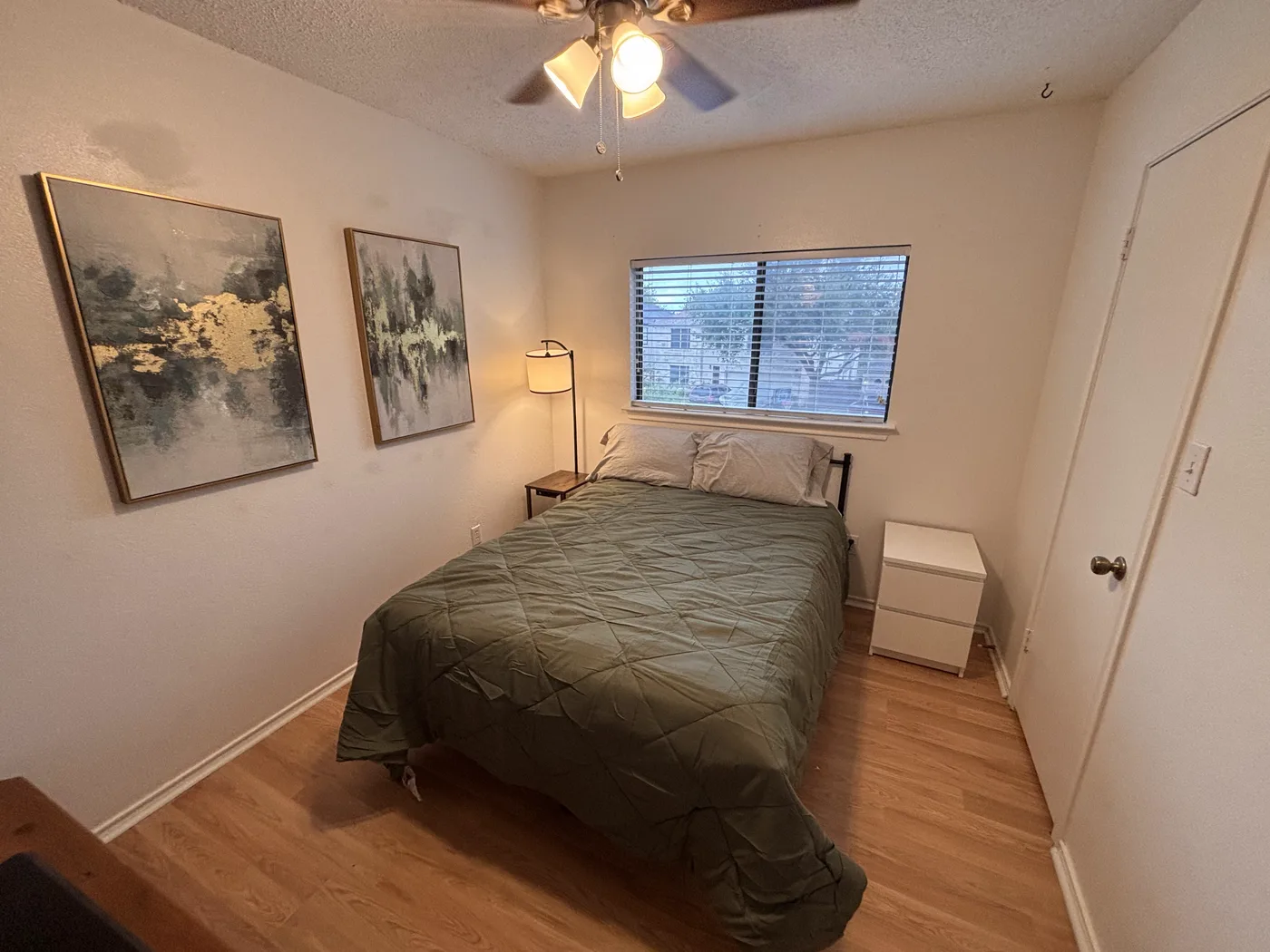
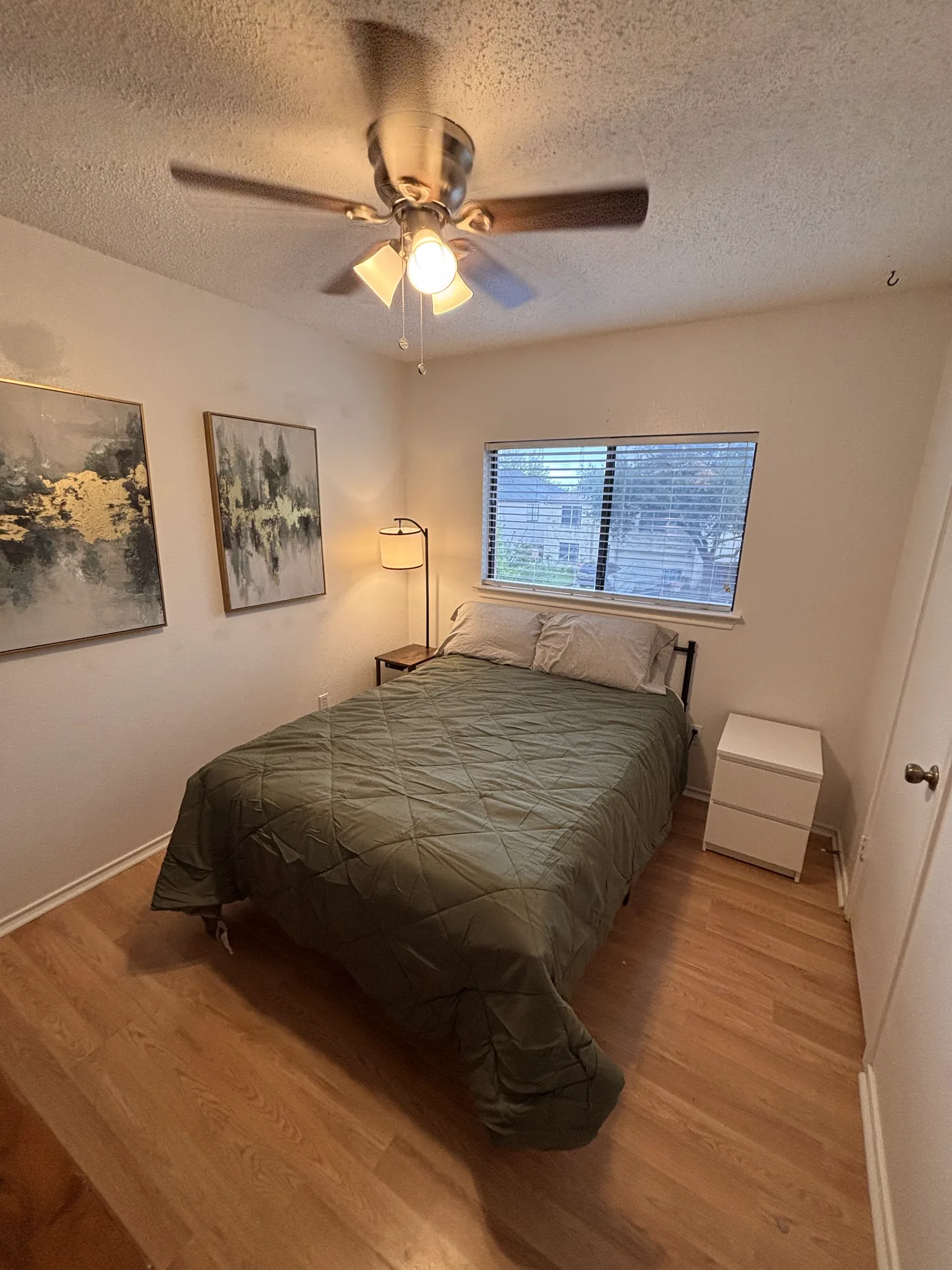
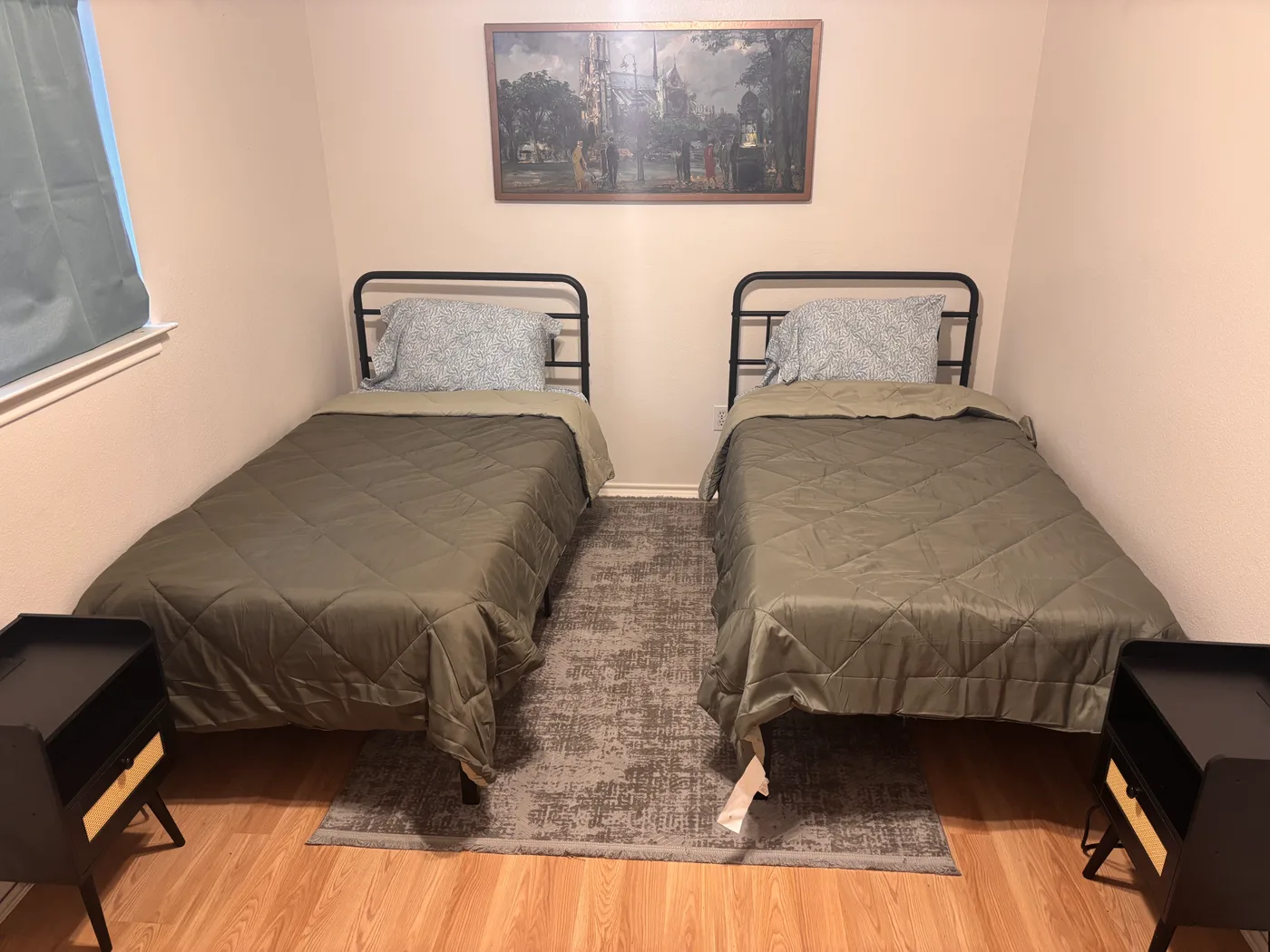
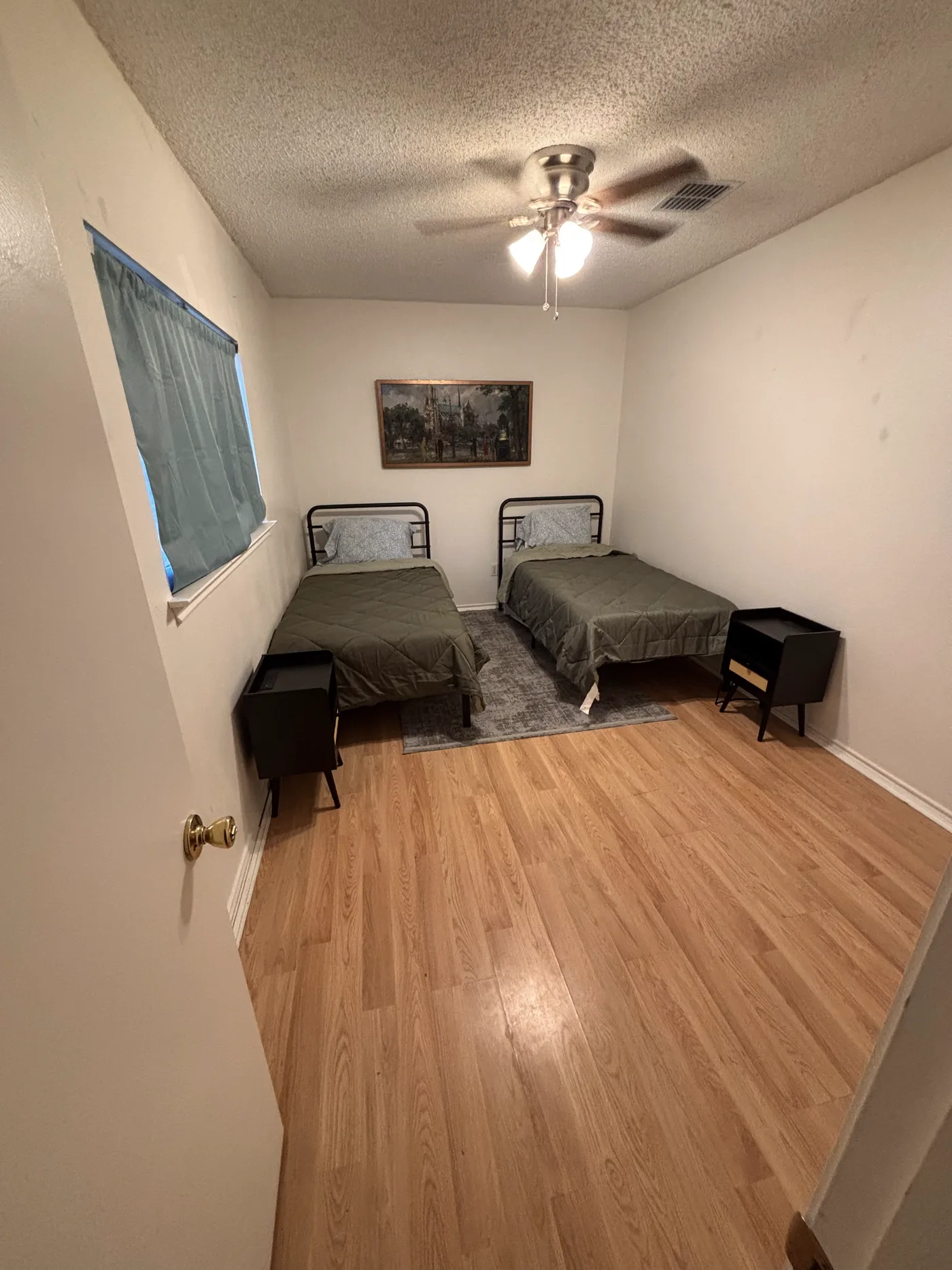
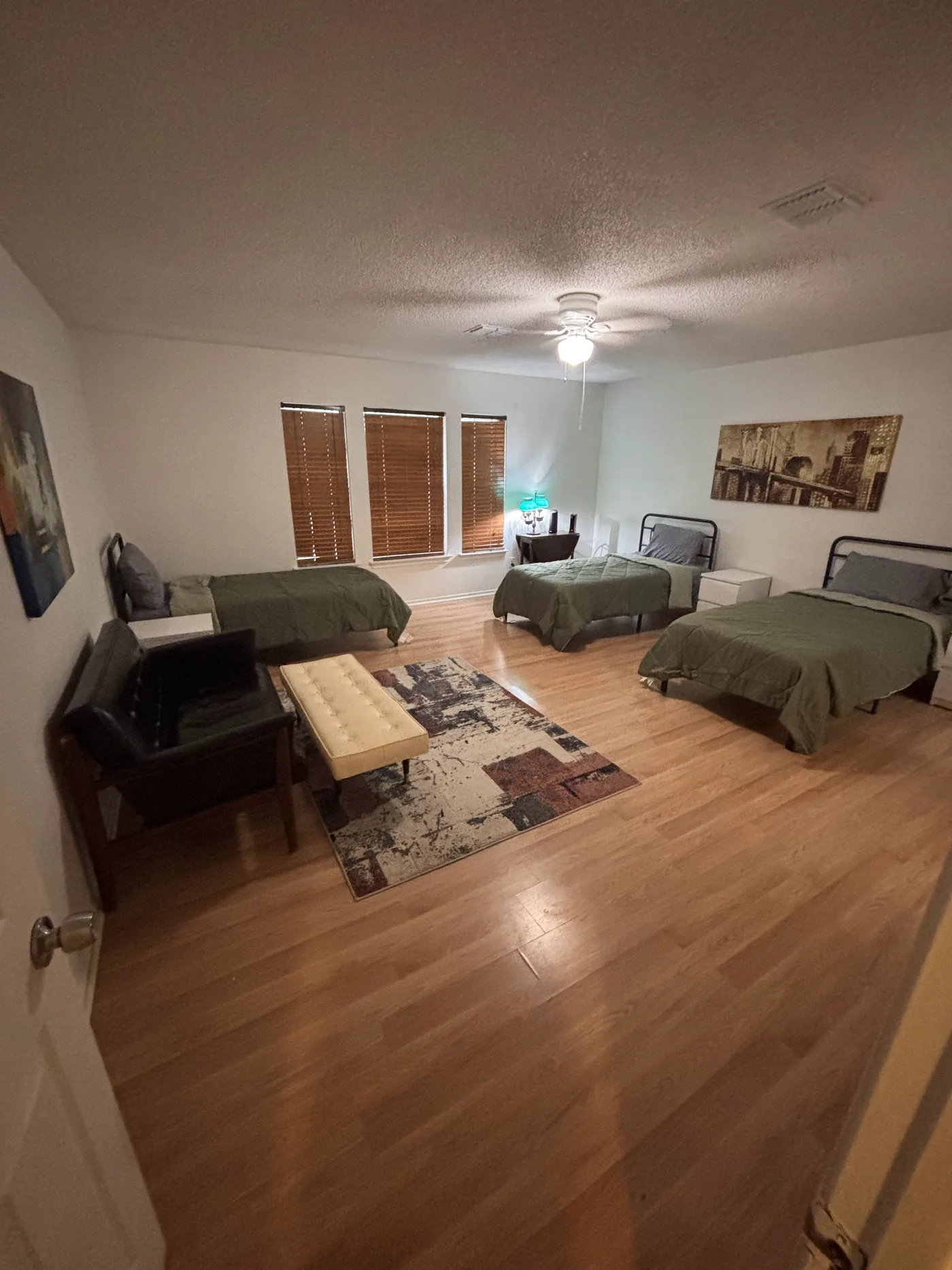
Inside the Austin homes











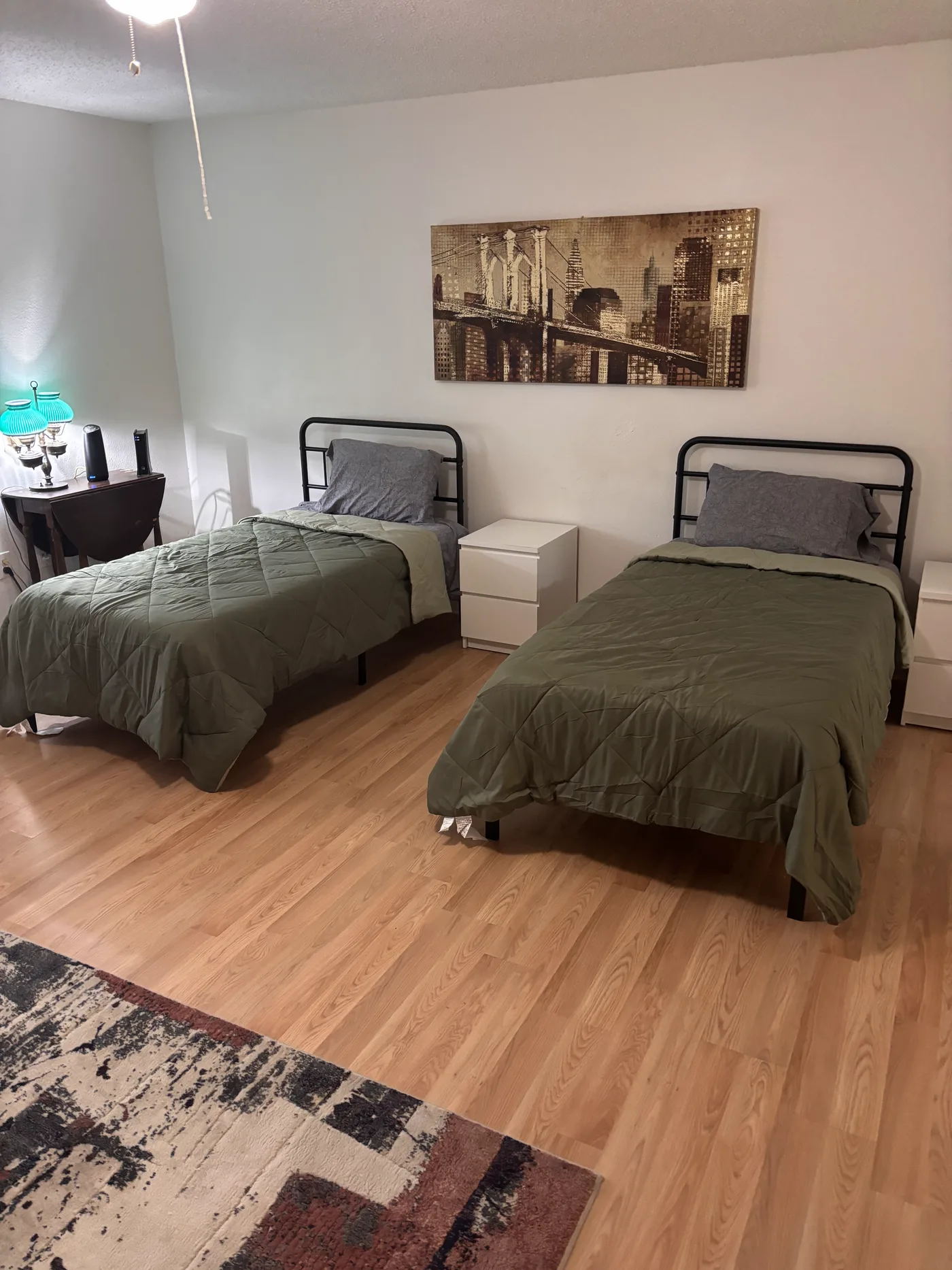
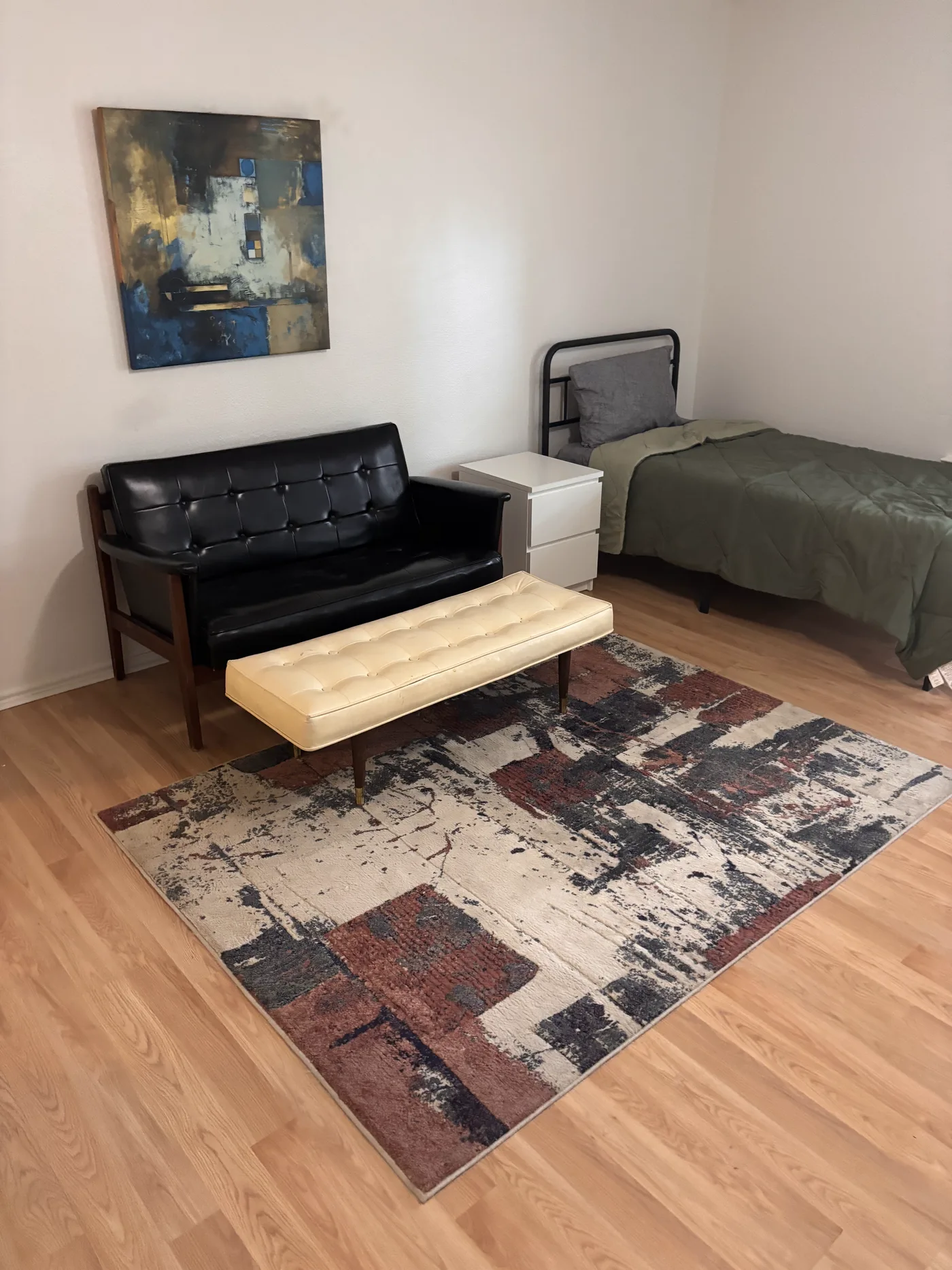
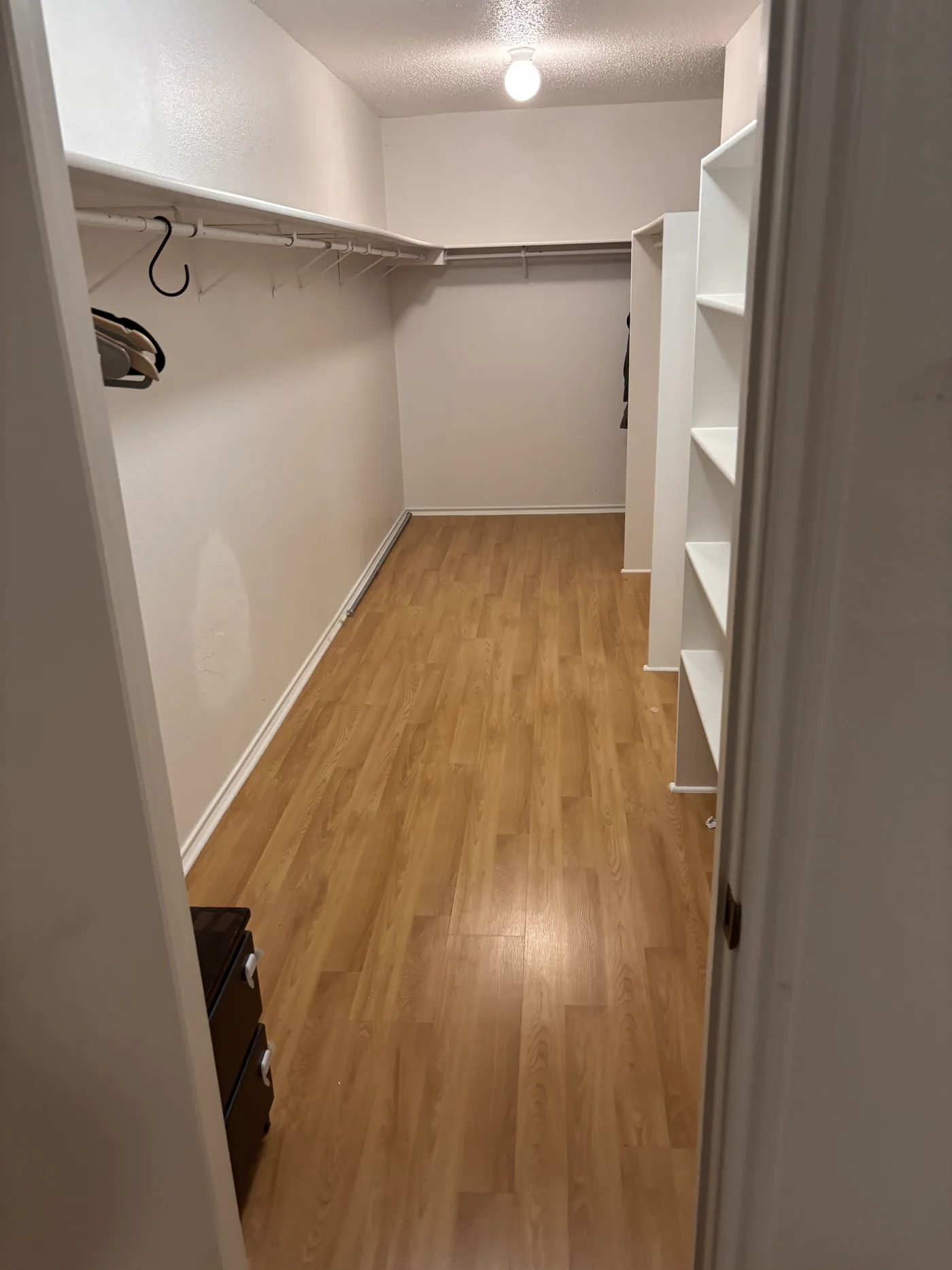
What Does Emotional Sobriety Mean and How Is It Different from Just Not Using Drugs or Alcohol?
Emotional sobriety means developing the ability to experience, process, and manage your emotions in a healthy way without letting them control your behavior or derail your recovery. While physical sobriety, abstaining from drugs and alcohol, is essential, emotional sobriety goes deeper: it’s about healing the underlying emotional patterns, traumas, and coping mechanisms that contributed to substance use in the first place. You can be physically sober but still controlled by anger, fear, resentment, or shame; emotional sobriety is learning to face those feelings honestly and respond to them with maturity and balance.
The Key Differences Between Physical and Emotional Sobriety
Physical sobriety is the foundation, it’s the measurable absence of substances in your body and your commitment to not using. Emotional sobriety, on the other hand, is the ongoing inner work that makes long-term recovery sustainable and fulfilling:
- Physical sobriety means you’re not drinking or using drugs; emotional sobriety means you’re not letting unprocessed emotions drive you back to unhealthy coping mechanisms.
- Physical sobriety can be measured in days, months, or years clean; emotional sobriety is measured in how you handle stress, conflict, disappointment, and joy without numbing or overreacting.
- Physical sobriety Is necessary but not sufficient: many people achieve it only to struggle with “dry drunk” syndrome, white-knuckling through life feeling miserable, angry, or emotionally unstable.
- Emotional sobriety involves developing self-awareness, emotional regulation, healthy relationships, and a sense of peace and purpose that makes sobriety feel like freedom, not deprivation.
Why Emotional Sobriety Matters in Sober Living
At Eudaimonia Recovery Homes in Austin, we see firsthand that residents who focus only on abstinence without addressing their emotional health are far more vulnerable to relapse. Sober living provides the structured, supportive environment where you can practice emotional sobriety skills daily:
- Learning to sit with uncomfortable emotions instead of avoiding them
- Building healthy communication and conflict-resolution skills with housemates
- Participating in peer support, therapy, and 12-step or alternative recovery groups that emphasize emotional growth
- Establishing routines and accountability that create emotional stability
- Processing trauma, grief, and shame in a safe, judgment-free community
Emotional sobriety doesn’t happen overnight, it’s a gradual process of unlearning destructive patterns and replacing them with healthier ones. The daily structure, peer accountability, and professional support available in sober living homes accelerate this growth in ways that isolated recovery cannot.
Practical Steps to Develop Emotional Sobriety
Here are evidence-based practices that support emotional sobriety, all of which are encouraged and accessible at Eudaimonia Recovery Homes:
- Daily self-reflection: Journaling, meditation, or quiet time to check in with your feelings without judgment.
- Therapy and counseling: Working with a therapist to identify emotional triggers, past trauma, and unhealthy thought patterns.
- 12-step work or alternative recovery programs: Steps like personal inventory, making amends, and daily moral inventory build emotional honesty and humility.
- Peer support and accountability: Sharing honestly in group settings and learning from others’ experiences.
- Physical health: Exercise, nutrition, and sleep directly impact emotional regulation and resilience.
- Setting boundaries: Learning to say no, protect your energy, and distance yourself from toxic relationships.
- Mindfulness and distress tolerance: Practicing techniques to stay present and calm during emotional storms.
Take the Next Step Toward Emotional and Physical Sobriety in Austin
If you’re ready to build a life where sobriety feels like freedom, not just abstinence, Eudaimonia Recovery Homes in Austin offers the supportive, structured environment you need. Our sober living community is built on peer accountability, personal growth, and the belief that true recovery addresses the whole person: body, mind, and emotions.
Call us today at (512) 240-6612 to learn more about our Austin sober living programs and how we can support your journey toward lasting emotional and physical sobriety.
Related resources:
- The Importance of Behavioral Change in Sober Living
- Mastering Emotional Regulation in Sober Living: Your Path to Long-Term Sobriety in Austin
- Understanding and Overcoming Catastrophic Thinking in Sober Living
- Positive Self-Talk in Sober Living: Transforming Your Mindset for Lasting Recovery
- Sober Living Austin: How to Set Healthy Boundaries in Recovery


