
Published December 17, 2024 · Updated July 27, 2026
On This Page · 15 Sections

Sober Living
Austin
10506 Parkfield Dr, Austin, TX 78758
Living a sober life in Austin isn’t just about quitting drugs or alcohol; it’s about rebuilding your life in a way that supports your long-term well-being. For many, the path to addiction starts with unresolved trauma. At Eudaimonia Recovery Homes, we recognize the critical connection between trauma and addiction, which is why we provide tailored sober living services to support your recovery journey.
Understanding the Link Between Trauma and Addiction
Research has consistently shown that individuals who experience trauma are at a significantly higher risk of developing substance use disorders. The Substance Abuse and Mental Health Services Administration (SAMHSA) estimates that about 75% of people receiving treatment for addiction report histories of trauma. Trauma impacts the brain’s ability to process stress, often leading individuals to self-medicate with drugs or alcohol. This creates a cycle that can be difficult to break without proper intervention.
Key Statistics Highlighting the Connection
- Childhood Trauma: According to the Centers for Disease Control and Prevention (CDC), individuals with Adverse Childhood Experiences (ACEs) are two to four times more likely to develop substance use disorders.
- PTSD and Addiction: Roughly 50% of individuals diagnosed with Post-Traumatic Stress Disorder (PTSD) also battle addiction.
- Gender-Neutral Impact: Trauma affects everyone, regardless of age, gender, or socioeconomic status. However, the coping mechanisms and substance choices may vary.
Understanding these statistics underscores the importance of addressing trauma as part of addiction recovery. At Eudaimonia Recovery Homes, we provide comprehensive care that incorporates trauma-informed approaches to ensure every individual’s needs are met.
Why Trauma-Informed Care Matters
Trauma-informed care means creating a safe and supportive environment where individuals feel understood. This approach reduces the risk of re-traumatization and builds trust. Our evidence-based therapies, such as Cognitive Behavioral Therapy (CBT) and Eye Movement Desensitization and Reprocessing (EMDR), help clients process and heal from their trauma while building healthy coping mechanisms.
Benefits of Trauma-Informed Sober Living in Austin
- Safe and Supportive Environment: Eudaimonia Recovery Homes offers structured sober living environments designed to eliminate triggers and stressors that may lead to relapse.
- Community Support: Living in a community of like-minded individuals fosters accountability and mutual encouragement.
- Holistic Approach: We address the mind, body, and soul, ensuring a well-rounded recovery experience.
Austin is a vibrant city with plenty of resources for individuals seeking a fresh start. From serene outdoor spaces to cultural hubs, the city provides the perfect backdrop for sober living. Eudaimonia Recovery Homes integrates the city’s unique offerings into our programs, helping clients rediscover joy in life without substances.
How to Break the Cycle of Trauma and Addiction
Breaking the cycle of trauma and addiction requires more than willpower. It requires professional support and a structured plan. Here’s how Eudaimonia Recovery Homes helps:
- Assessment and Personalized Plans: Our team evaluates each individual’s unique needs to create a customized recovery plan.
- Evidence-Based Therapies: We incorporate therapies that address both trauma and addiction.
- Life Skills Development: Learning essential life skills, such as budgeting, meal planning, and stress management, prepares clients for independence.
- Long-Term Support: Recovery doesn’t end when you leave our homes. We offer aftercare services to ensure sustained sobriety.
Why Choose Eudaimonia Recovery Homes?
Choosing the right sober living home is crucial to your success. At Eudaimonia Recovery Homes in Austin, we offer:
- Comprehensive Care: From detox to sober living, we provide a continuum of care tailored to your journey.
- Evidence-Based Treatments: Our programs are rooted in proven methodologies.
- Supportive Community: Our homes foster a sense of belonging and accountability.
- Central Location: Nestled in the heart of Austin, our facilities provide easy access to resources and opportunities for growth.
Call to Action
If you or someone you love is struggling with addiction and the impact of trauma, Eudaimonia Recovery Homes is here to help. Contact us today to learn more about our sober living services in Austin. Confidential Availability Checks ensure you can start your journey without delay.
Final Thoughts
Trauma and addiction are deeply intertwined, but recovery is possible. With the right support system and resources, you can overcome your past and build a brighter future. Let Eudaimonia Recovery Homes guide you every step of the way on your journey to sober living in Austin.er how we can help you achieve lasting sobriety. Your future awaits.
Eudaimonia Can Help Keep You on the Path to Recovery
Eudaimonia offers excellent recovery programs with tailored care. In these programs, individuals can develop positive coping skills with the tools necessary to maintain sobriety. Eudaimonia even provides tailored care based on gender and orientation. We also include supervised, short-term housing to provide support for newly sober individuals.
But no matter where you are in your recovery, Eudaimonia Sober Living Homes can provide support every step of the way. We have facilities for sober living in Austin, Houston, and Colorado Springs ready to assist you in living your sober lifestyle. Call Eudaimonia Sober Living Homes at (512) 240-6612 for more information on the admissions process and current room availability.
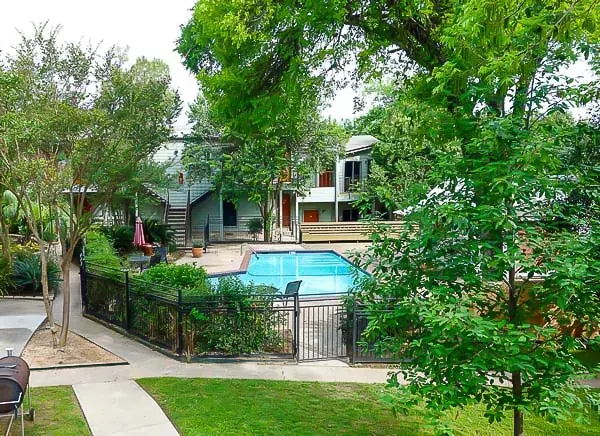
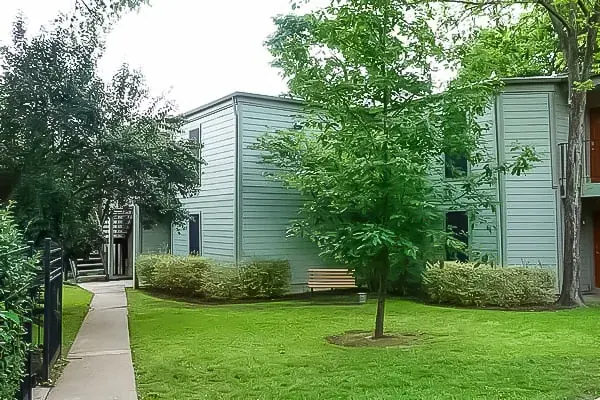
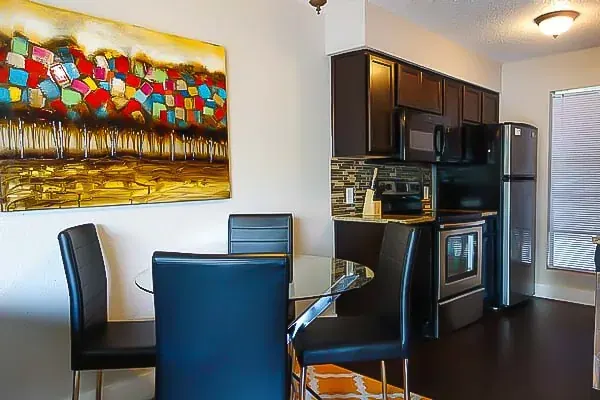
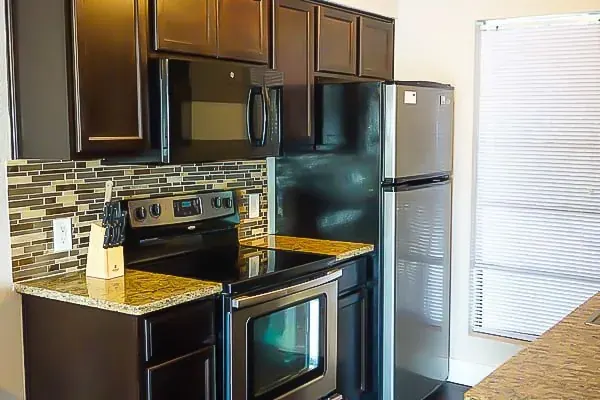
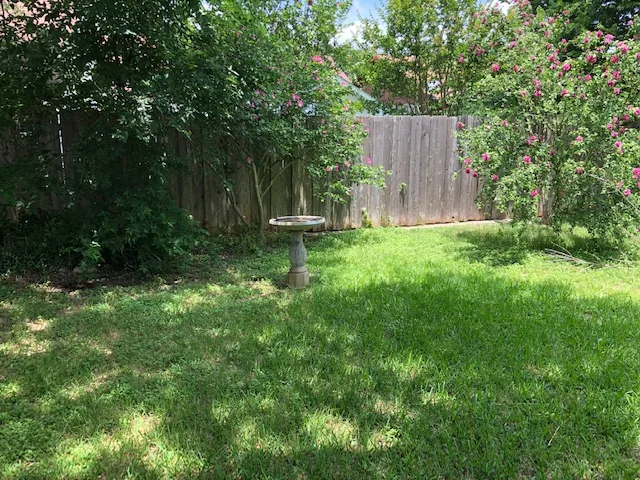
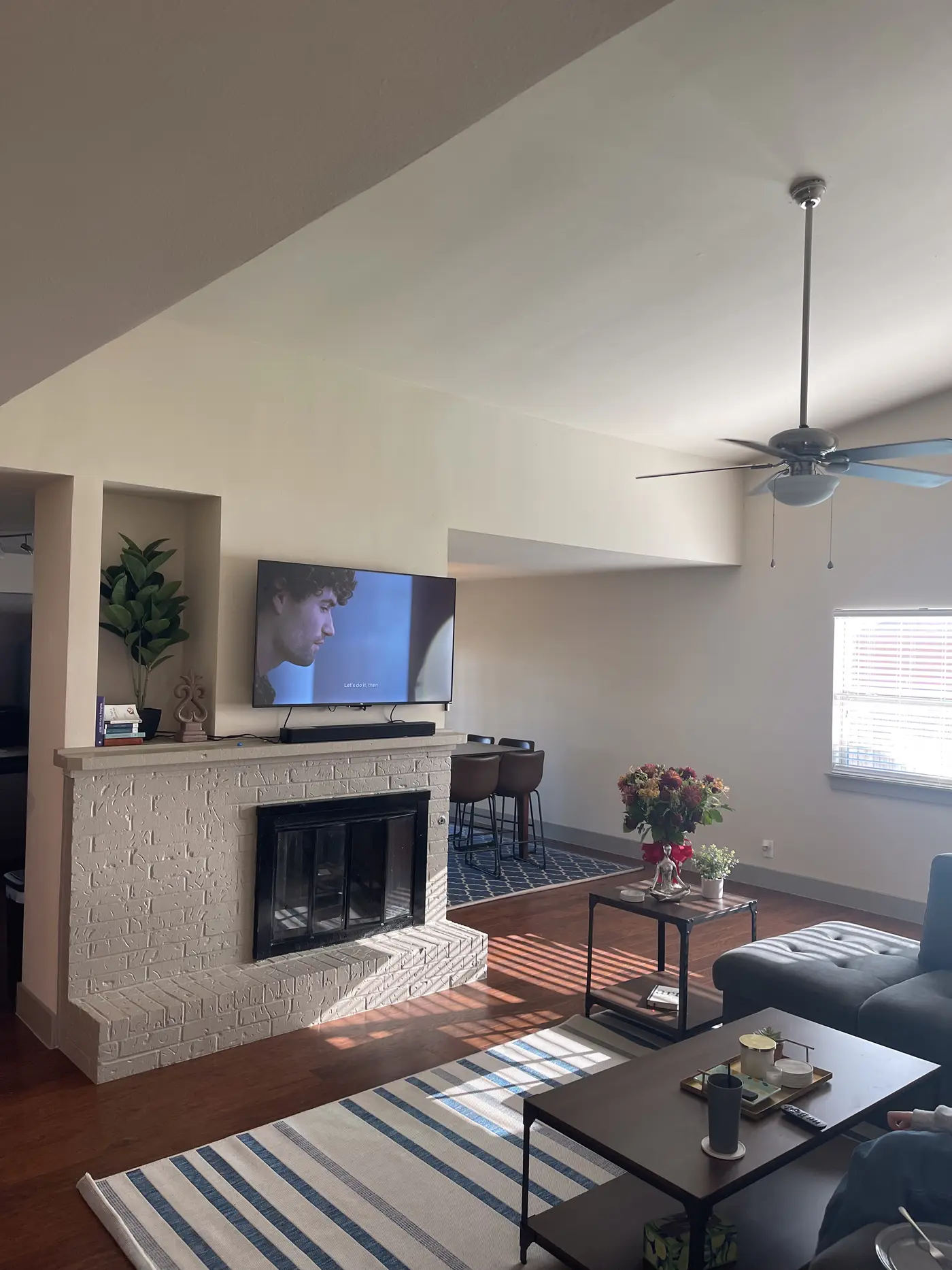
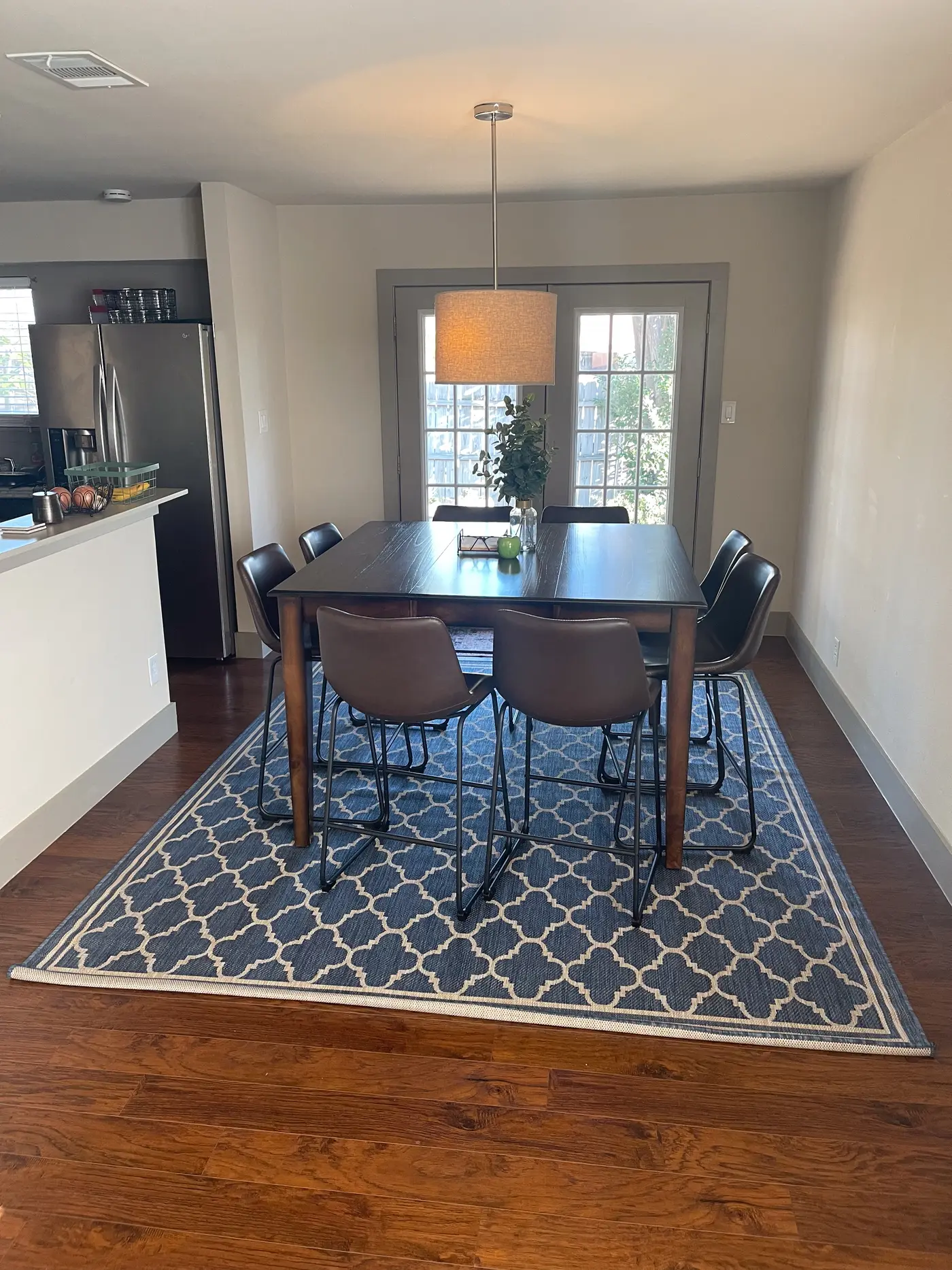
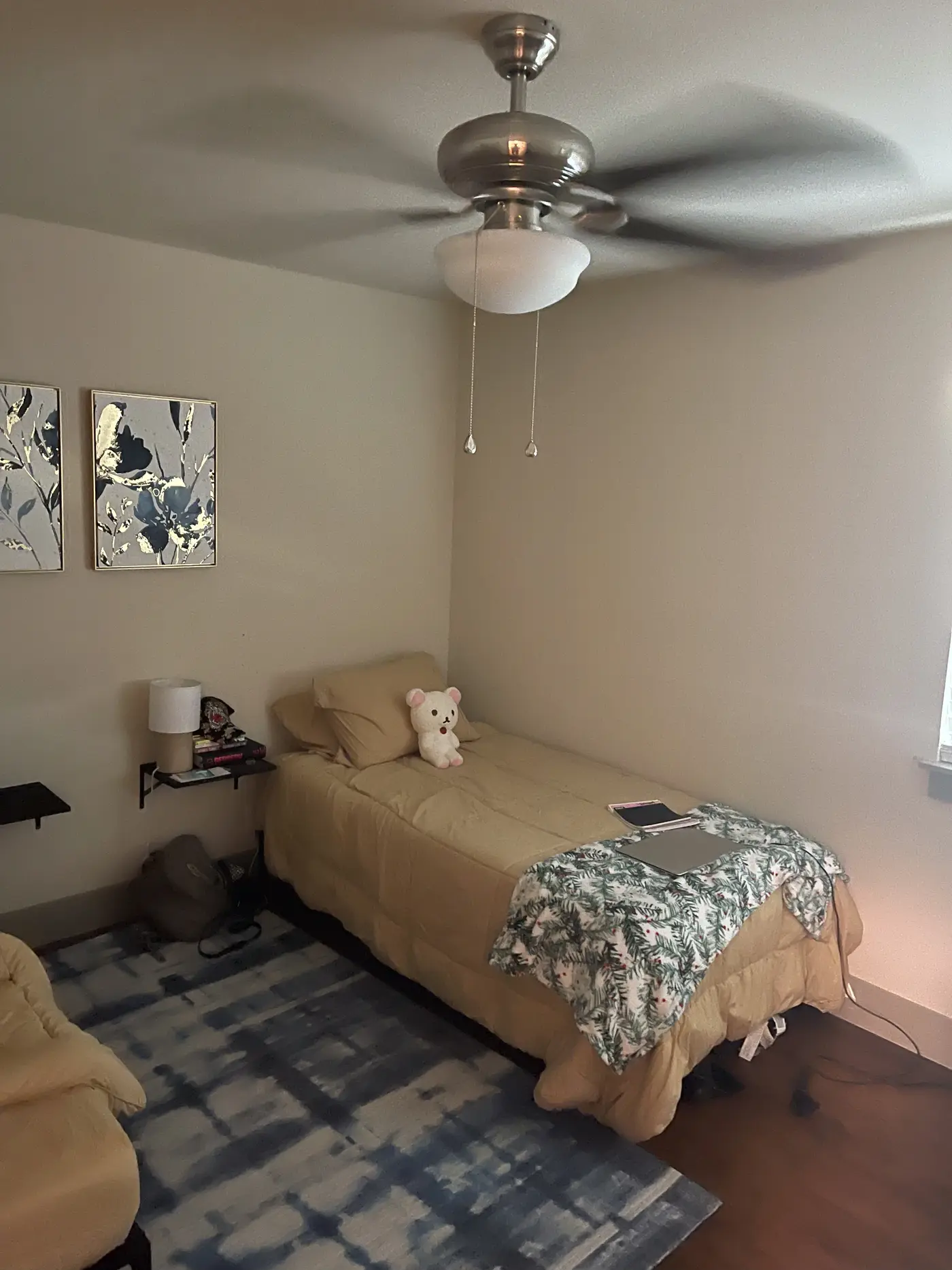
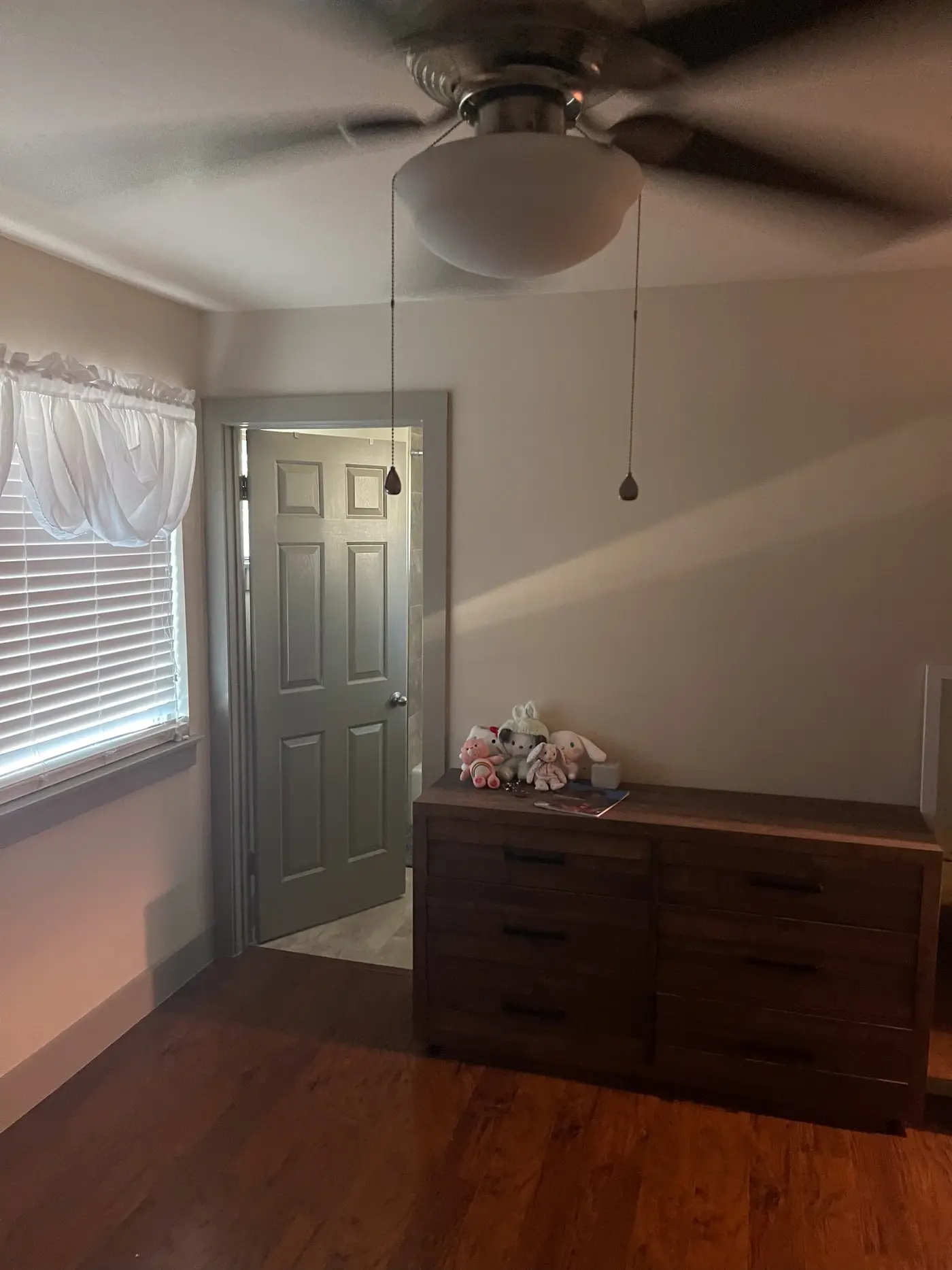
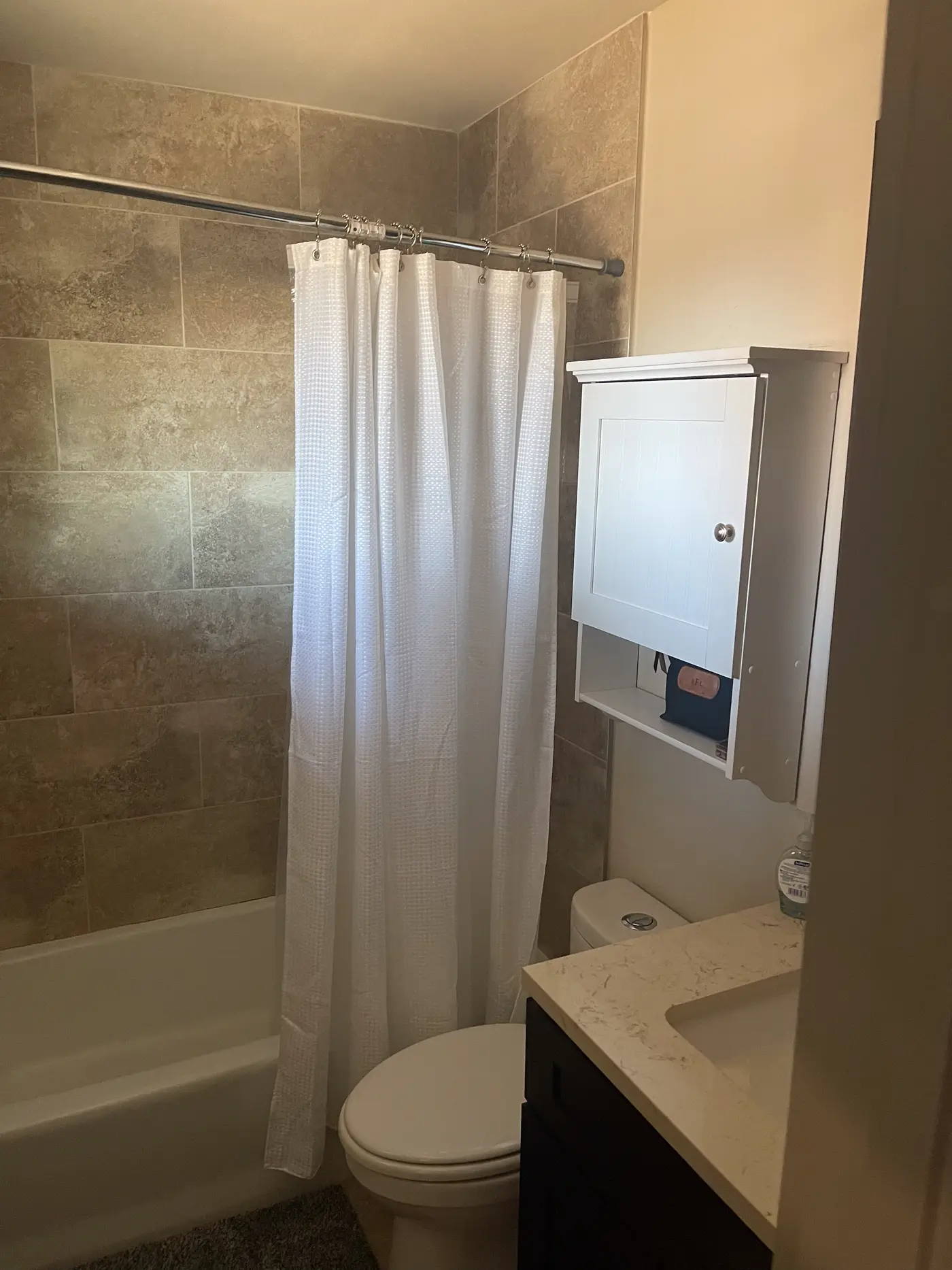
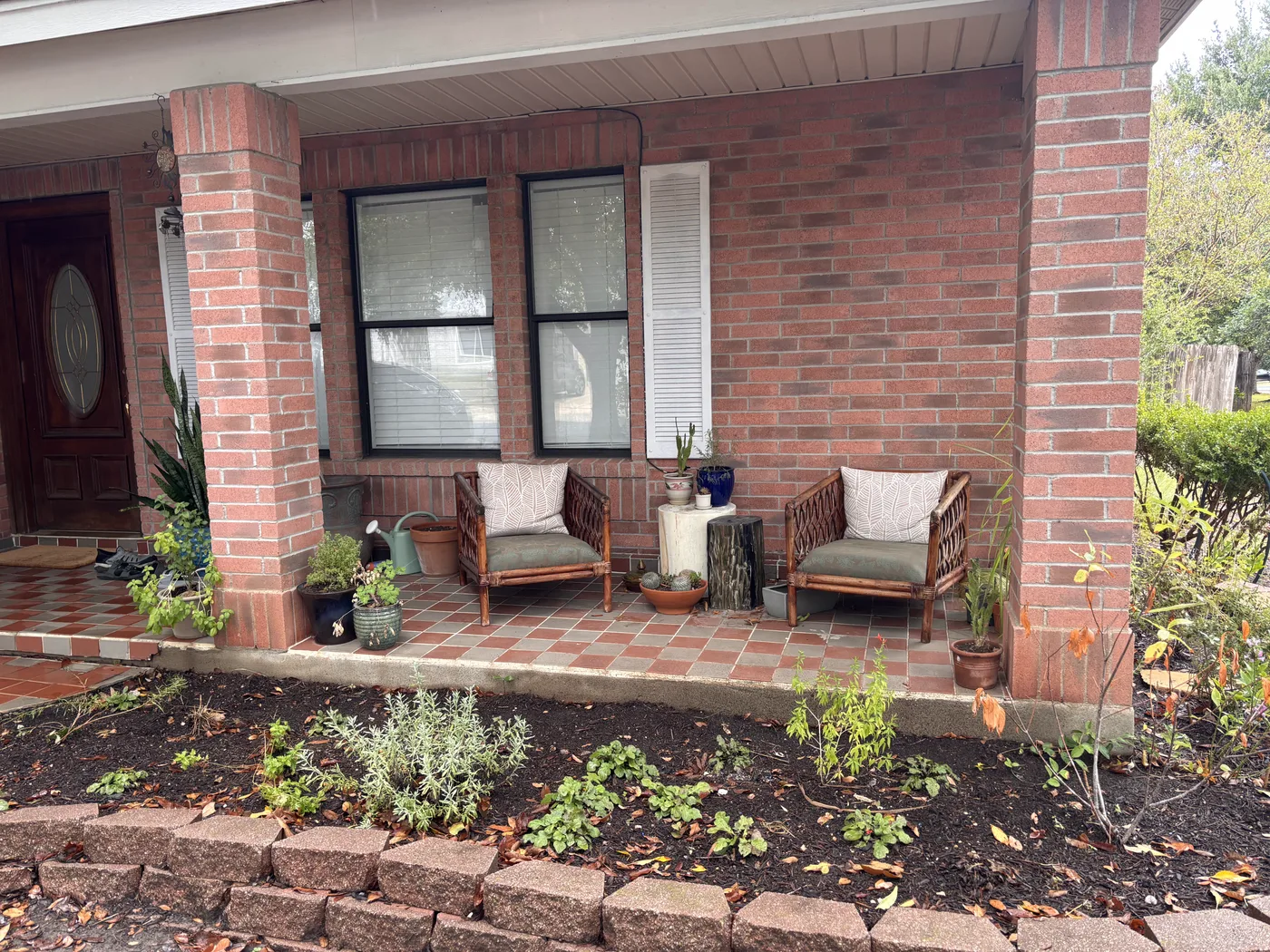
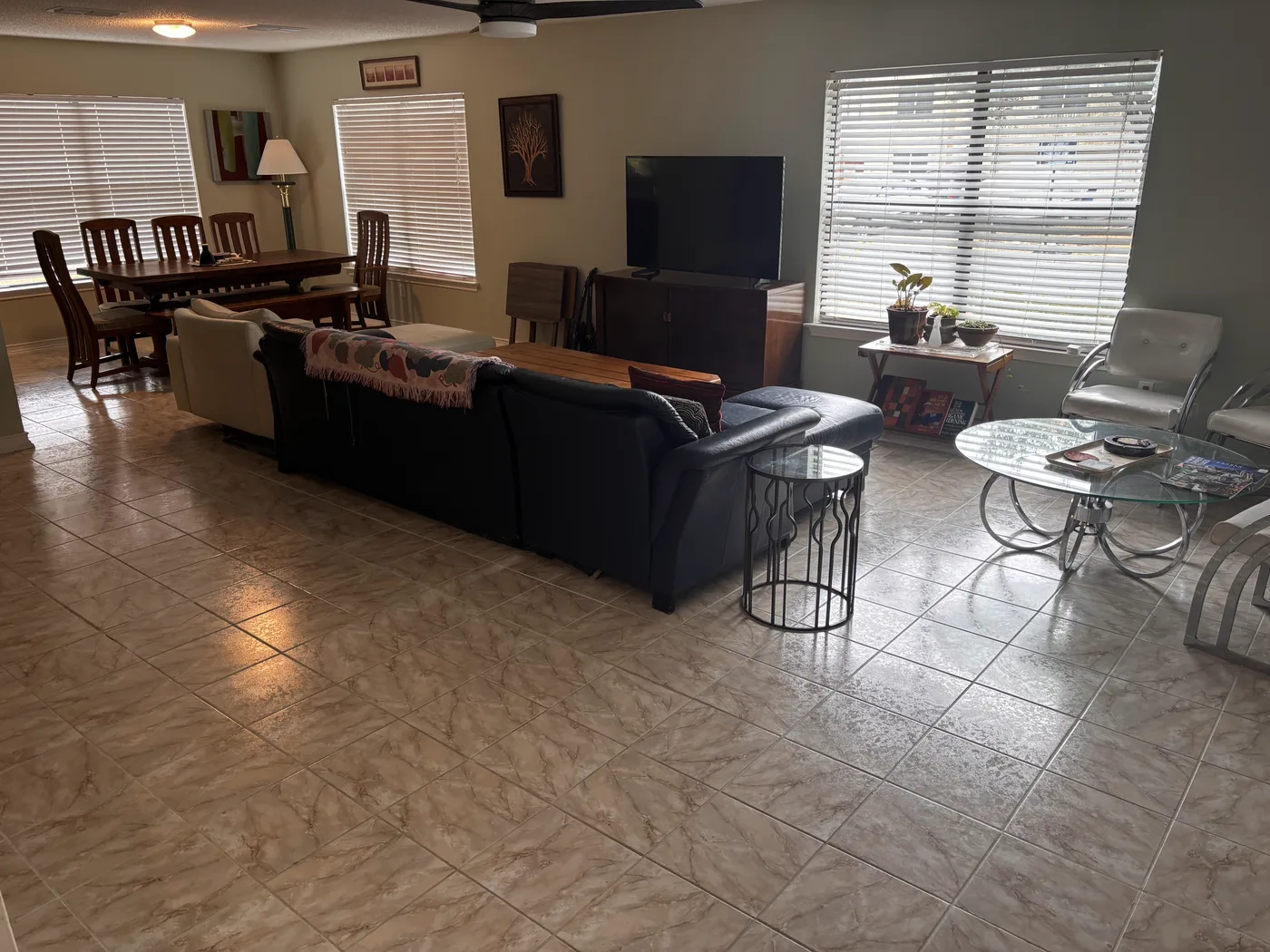
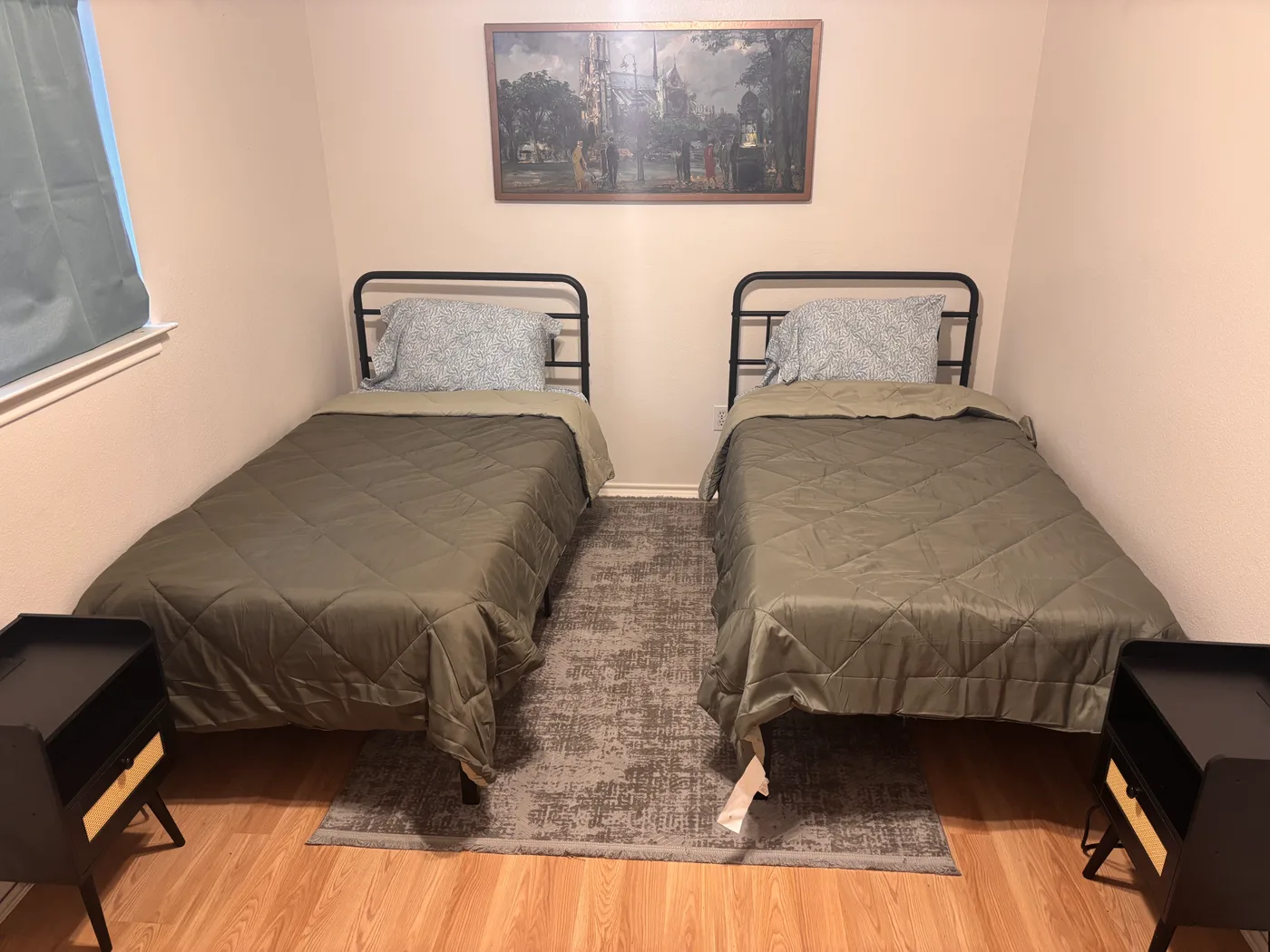
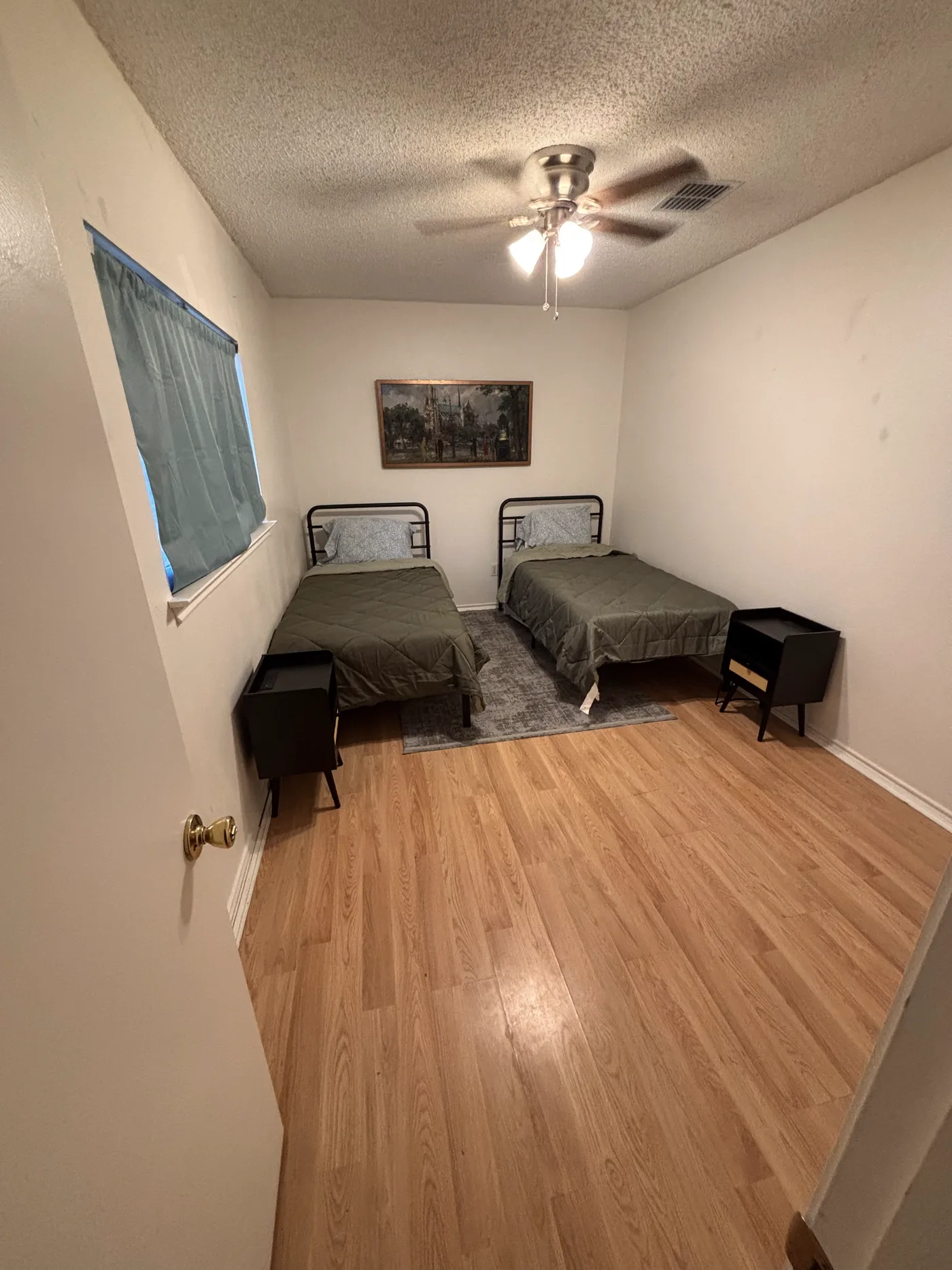
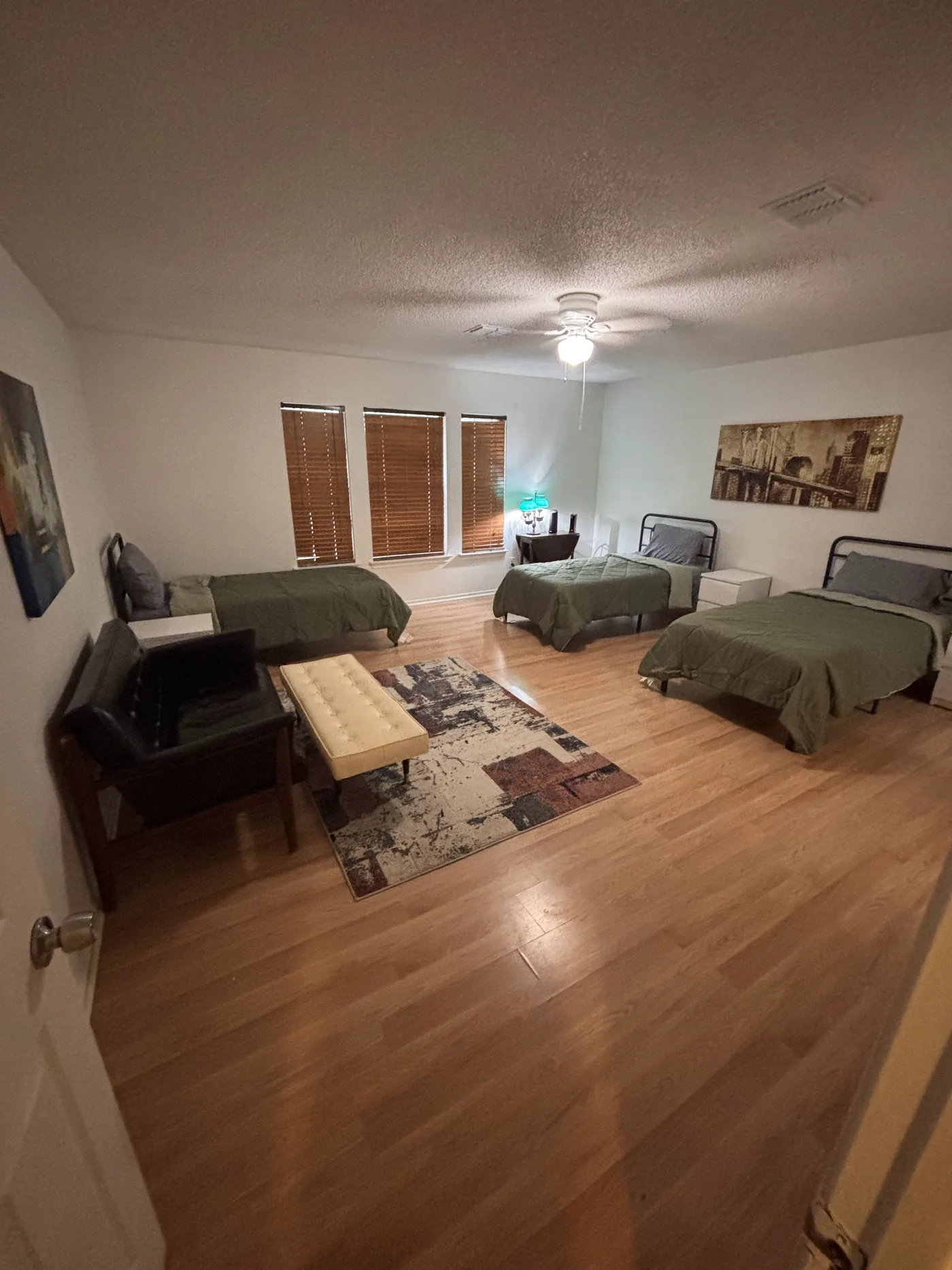
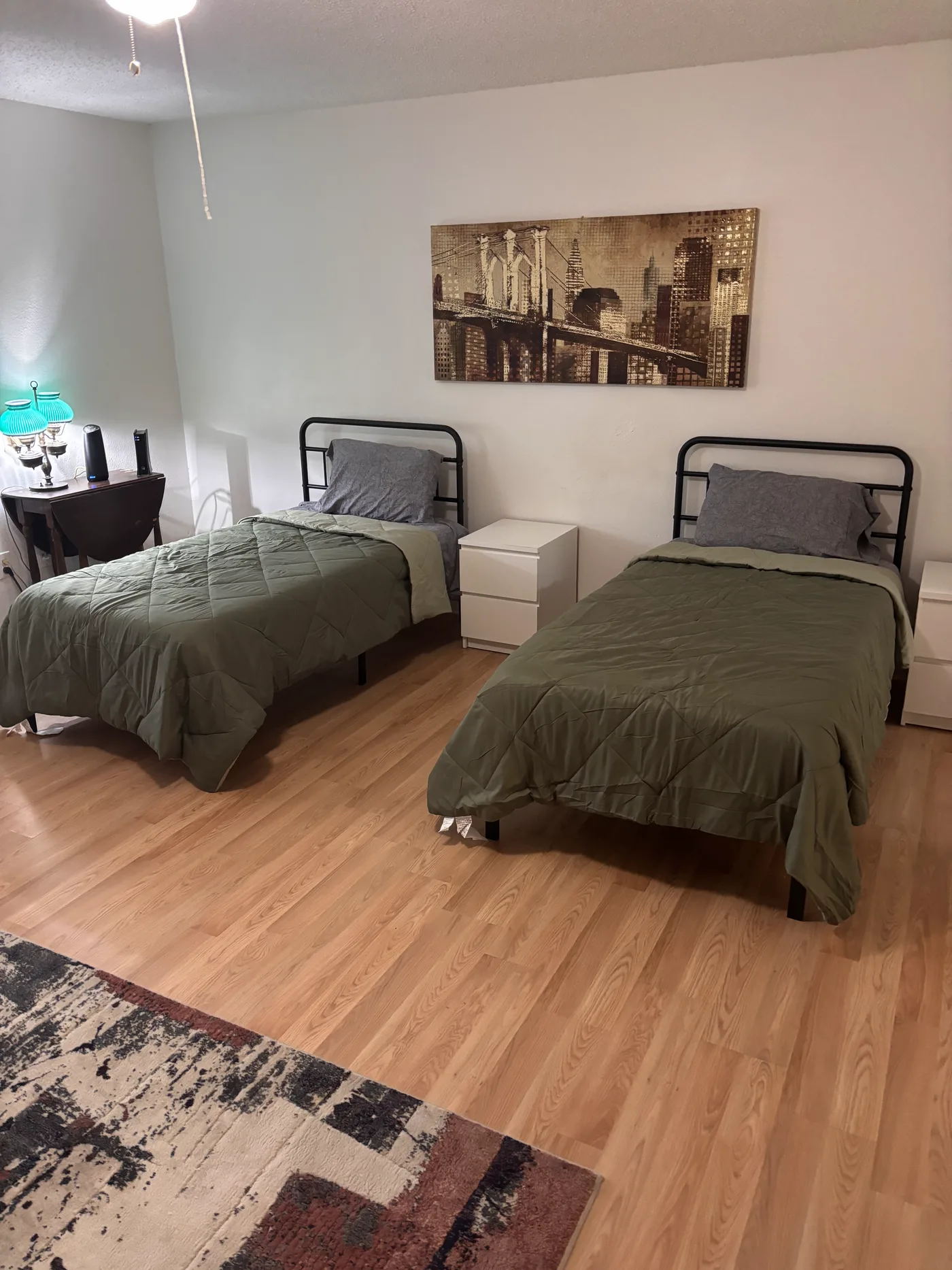
Inside the Austin homes




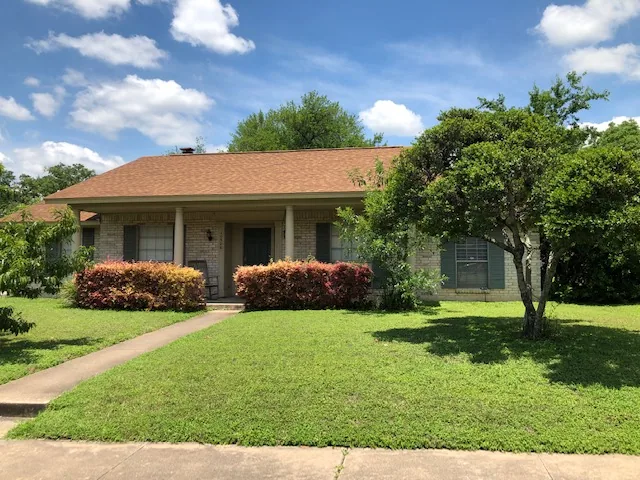
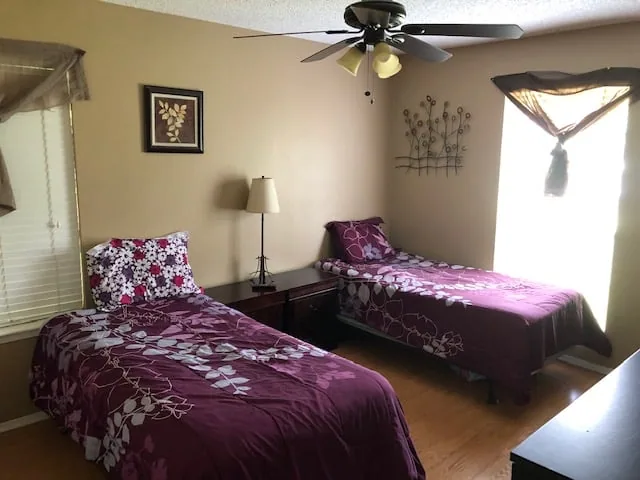
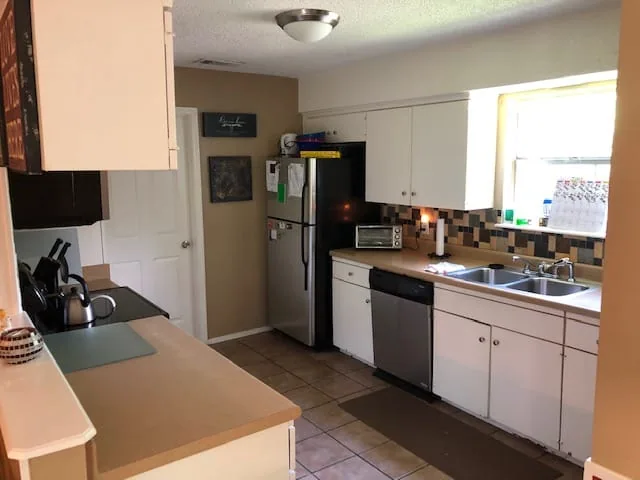
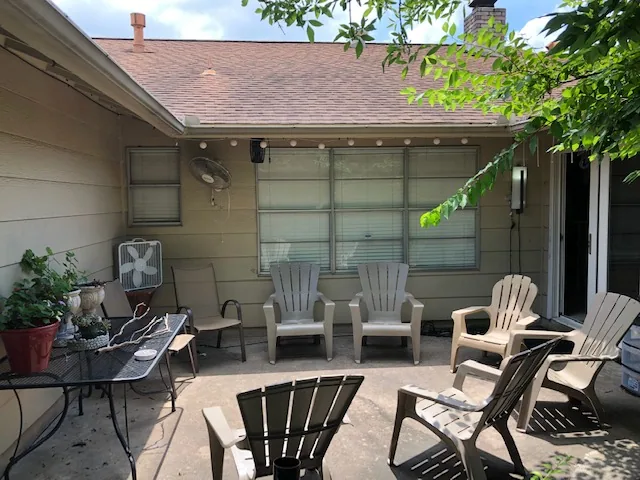
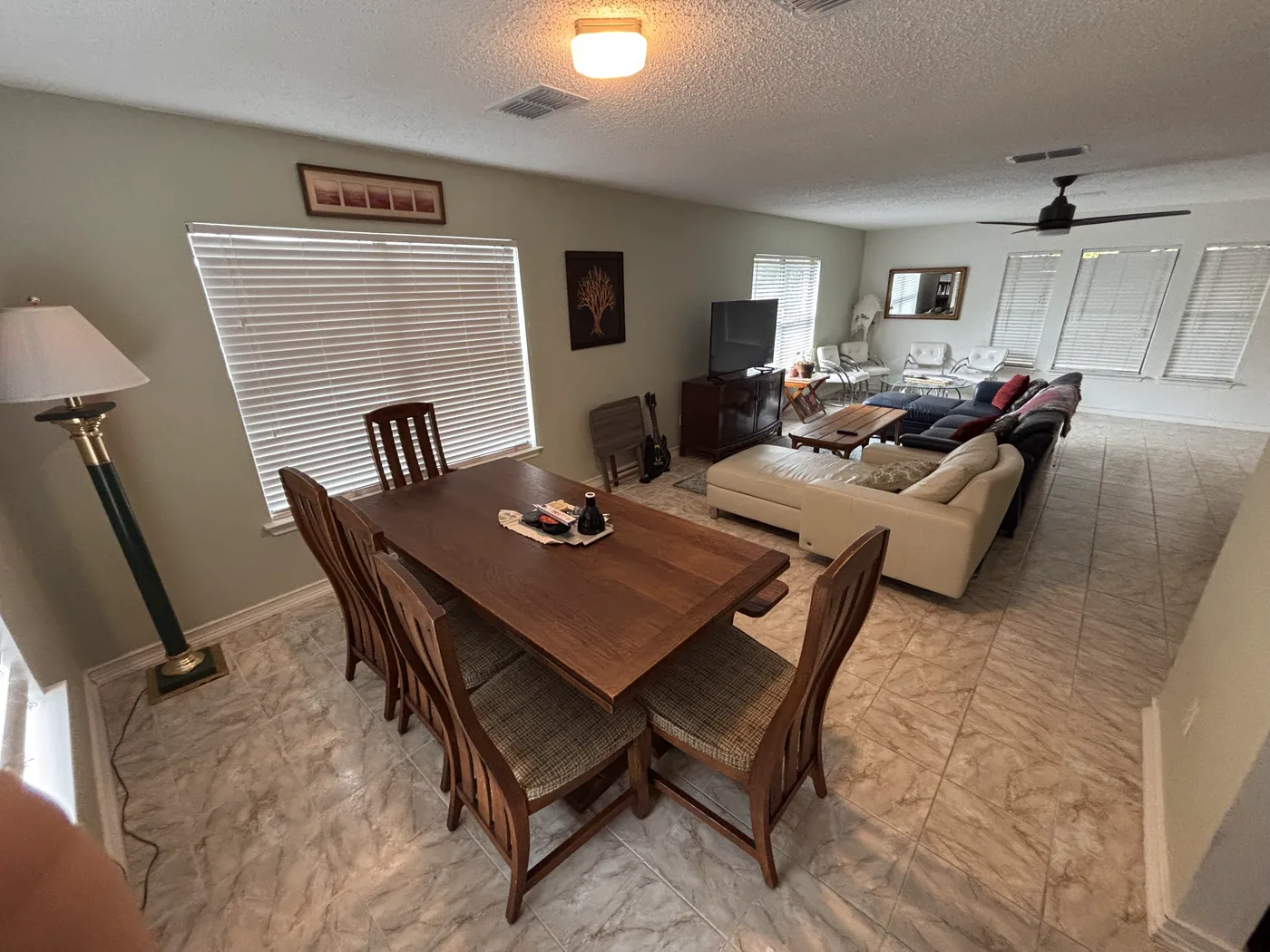
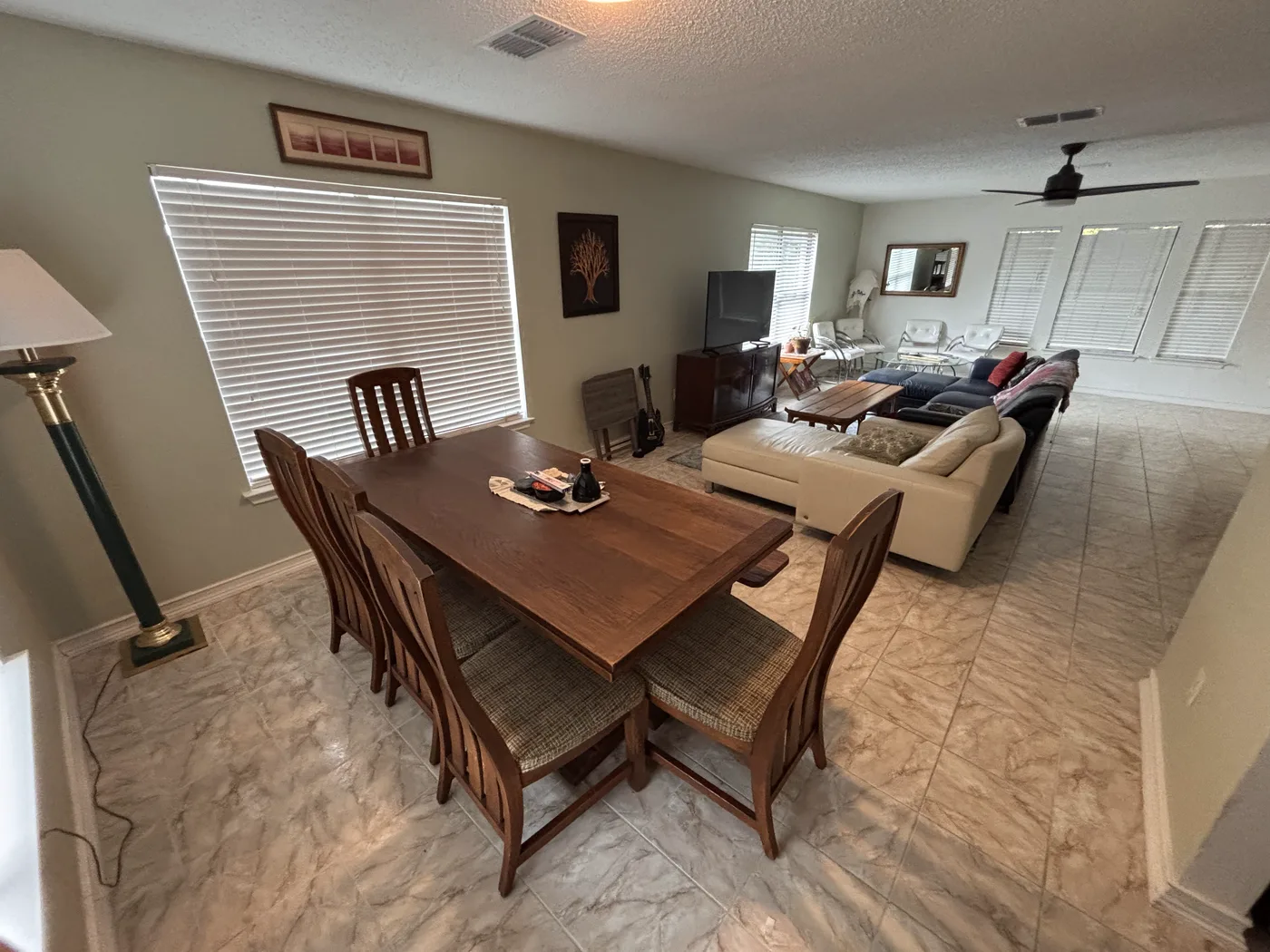
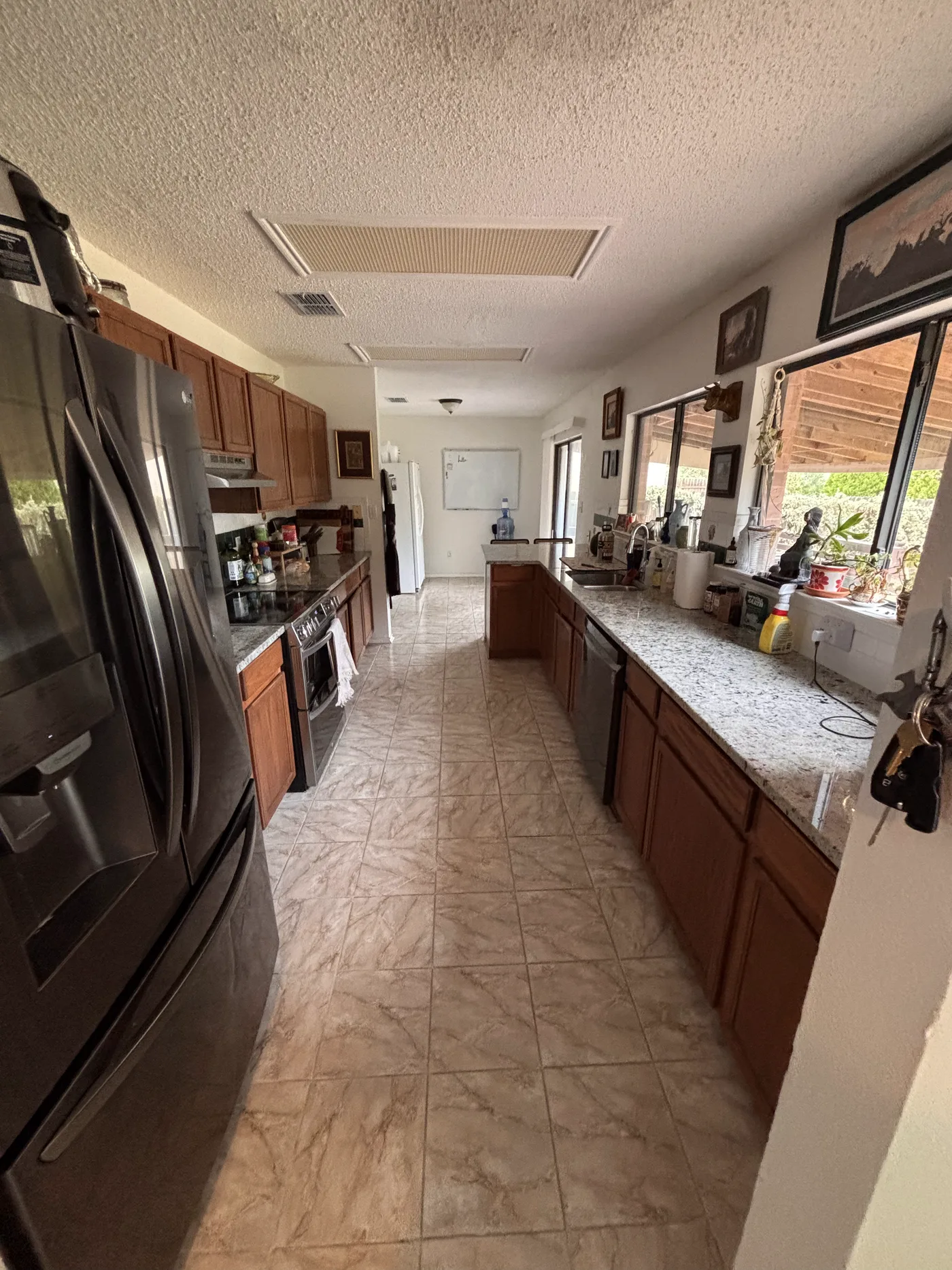
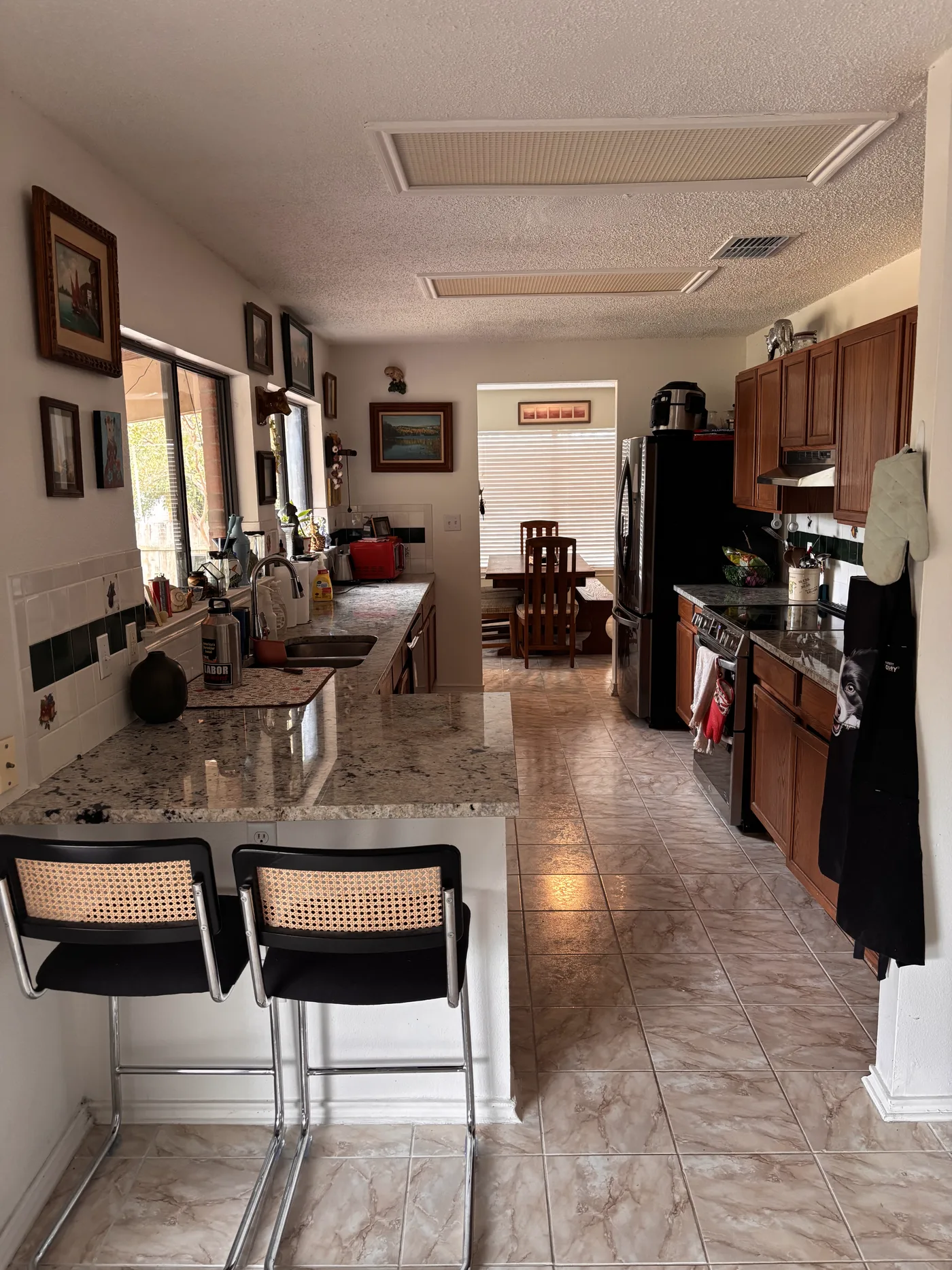
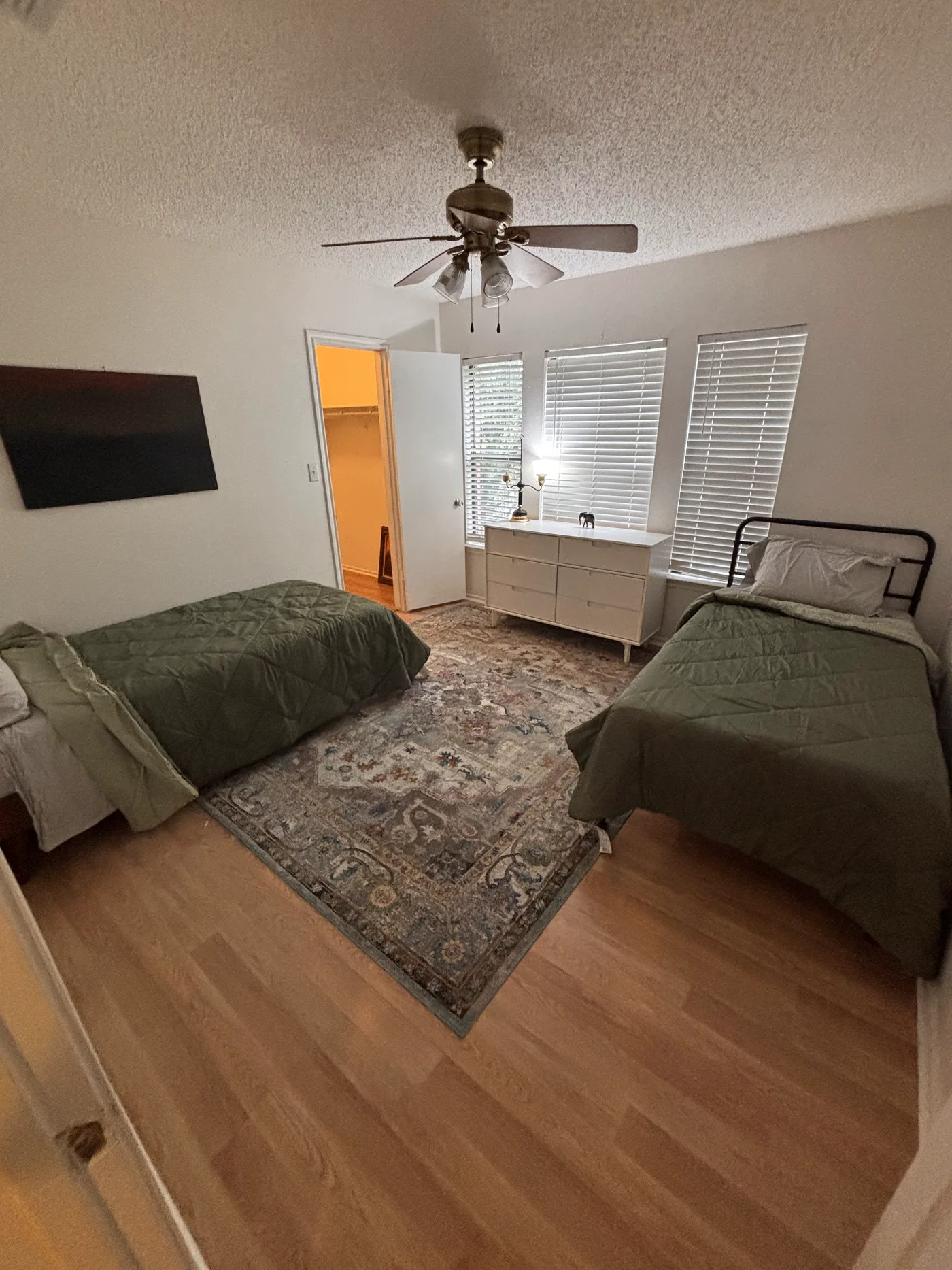
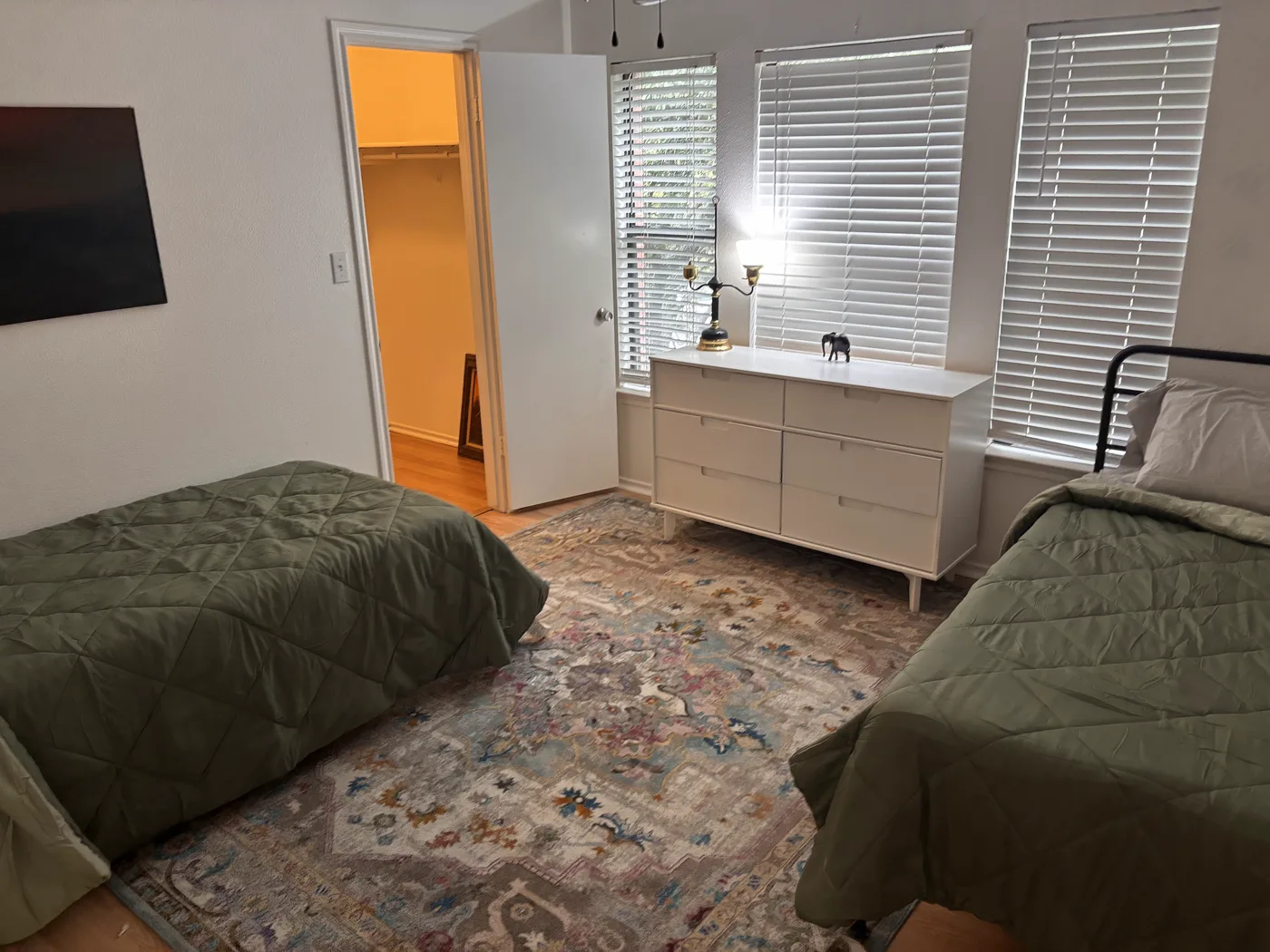
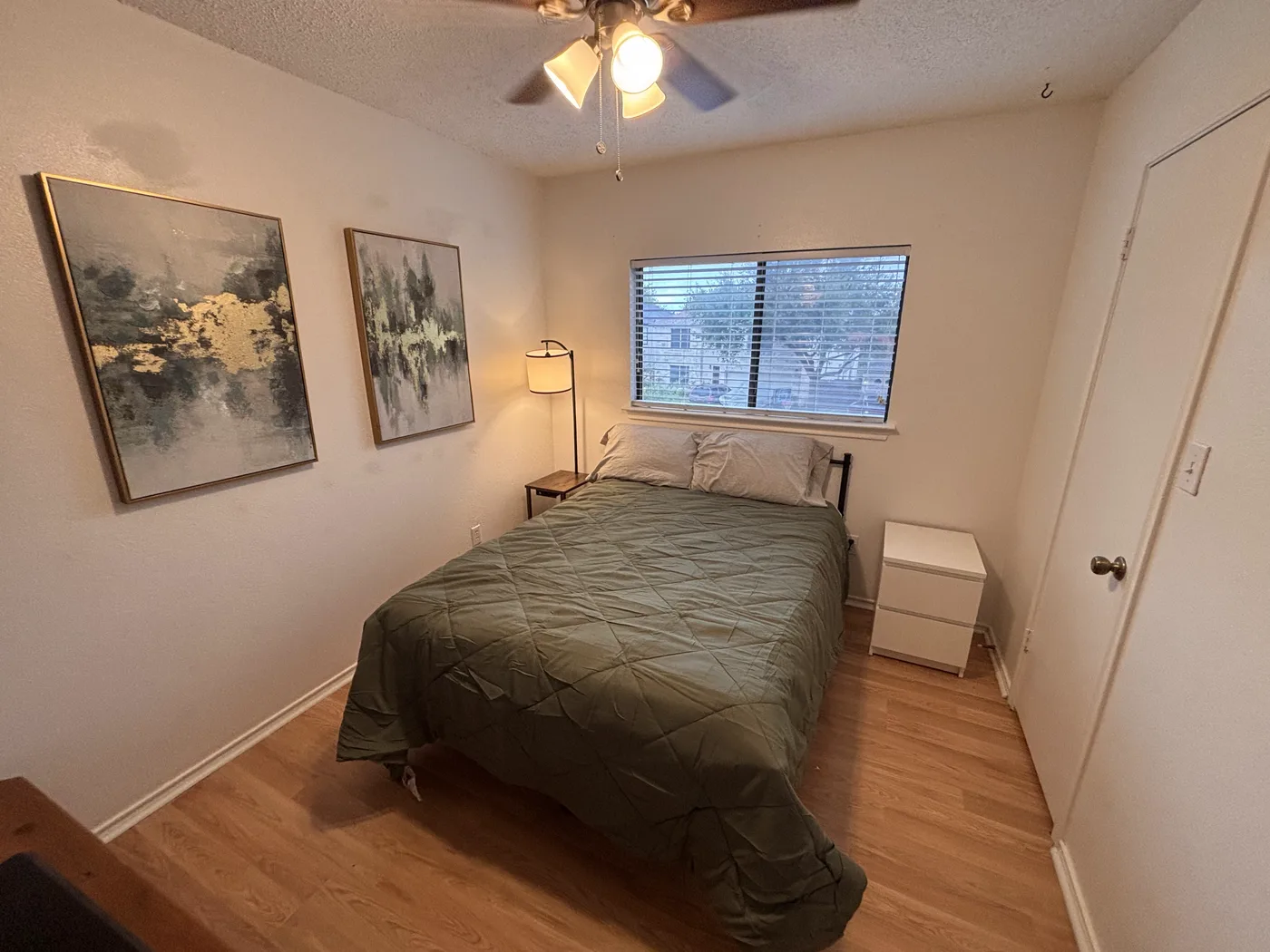
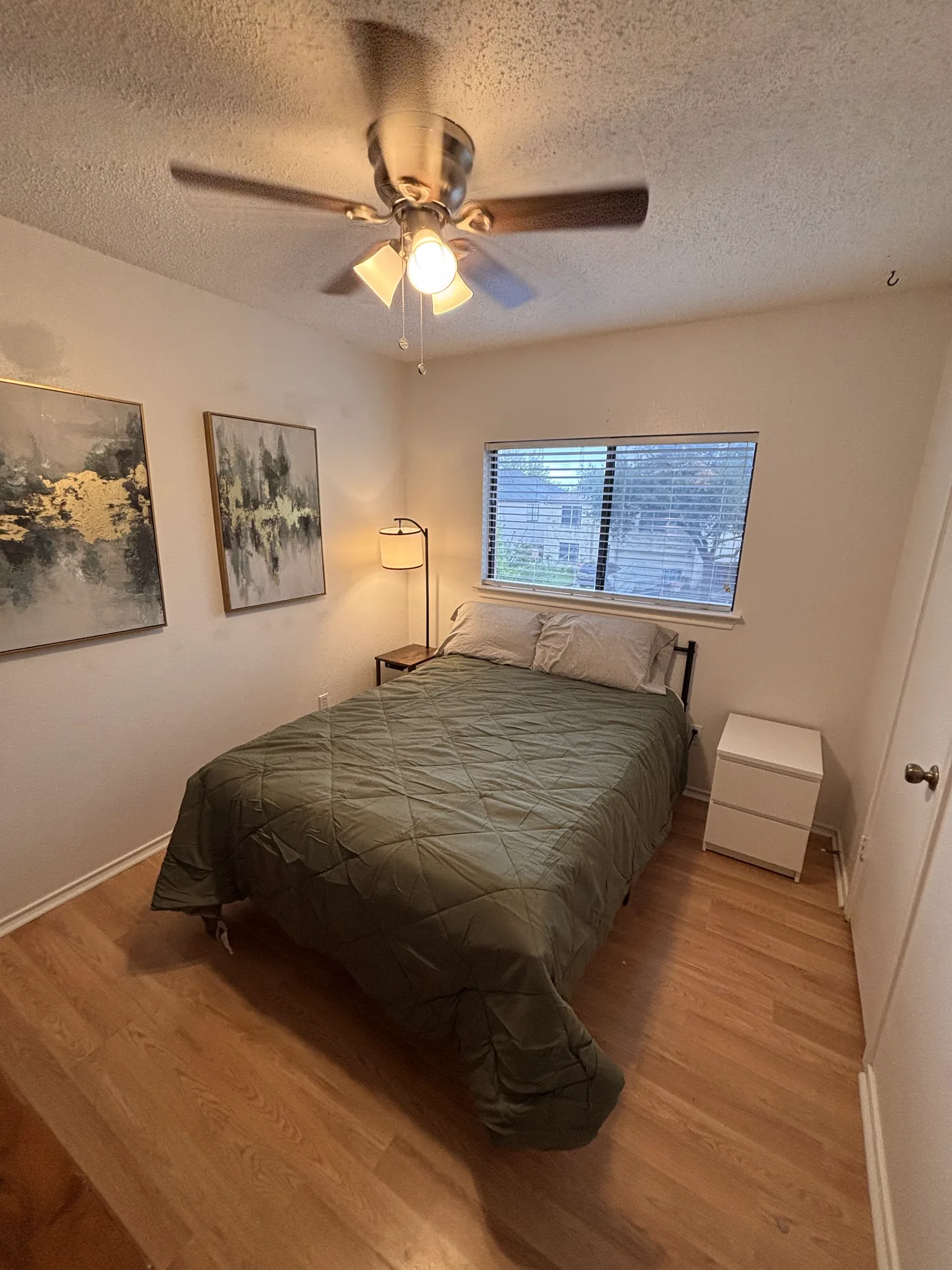
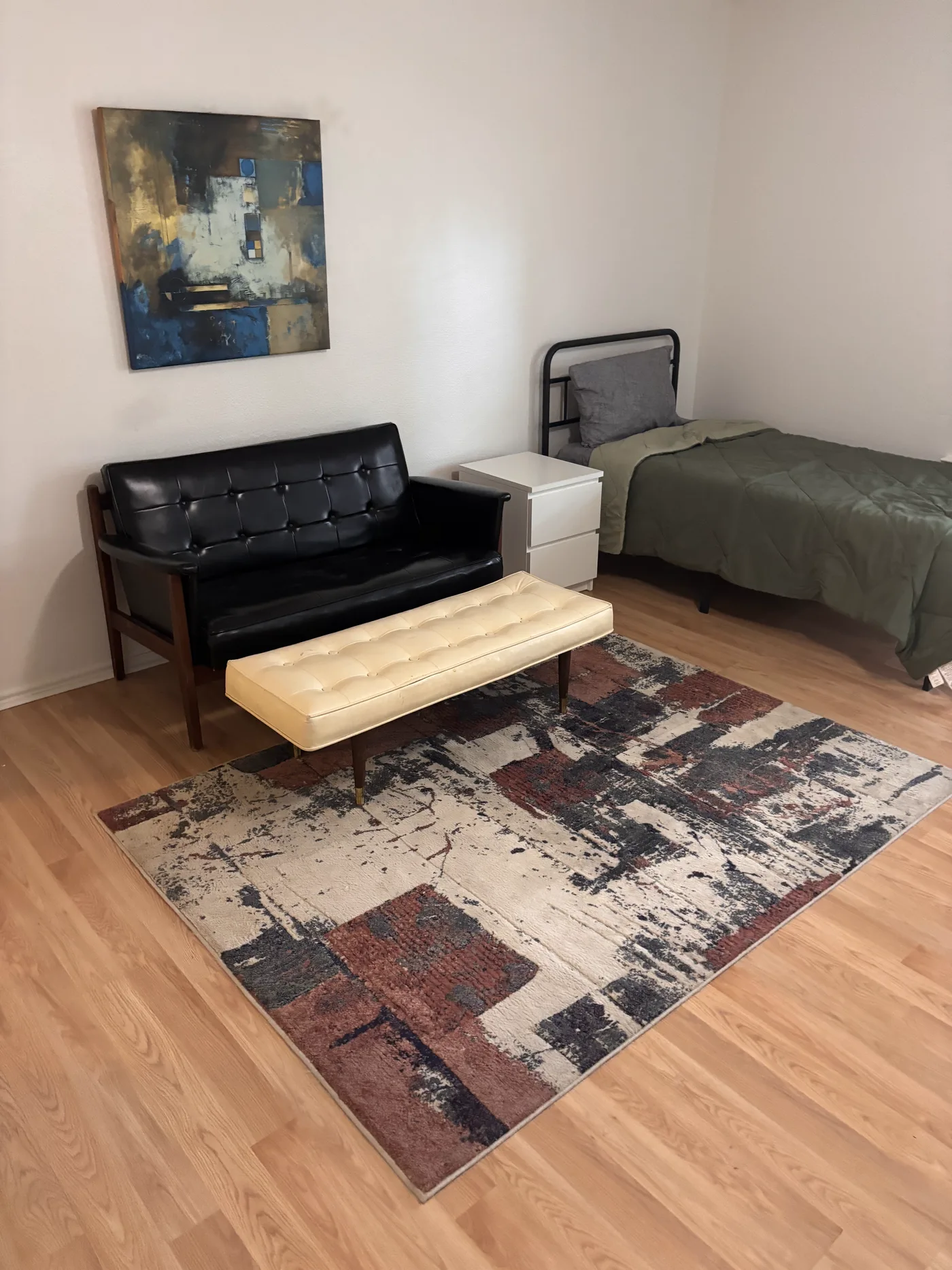
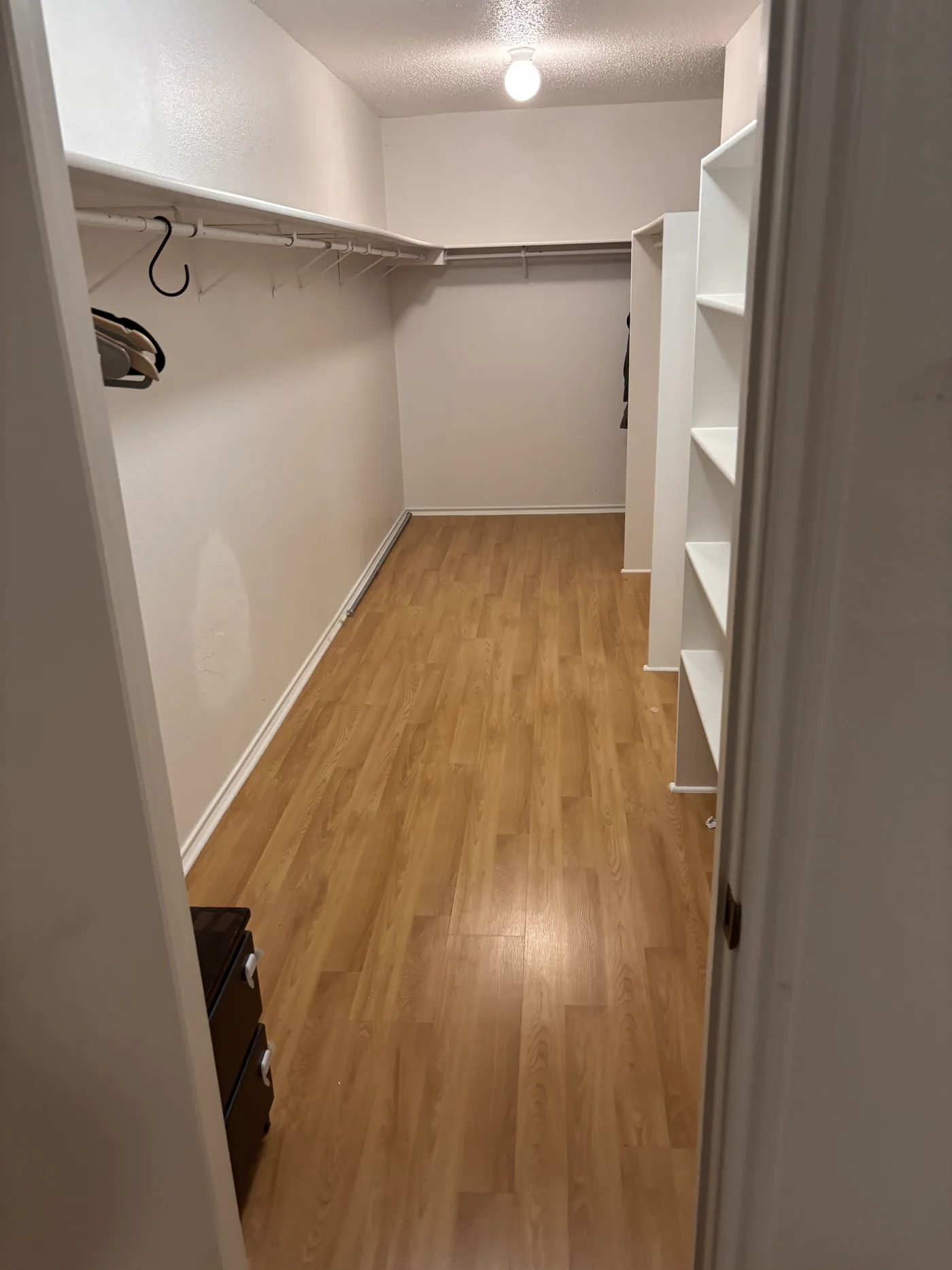
How Does Trauma Contribute to Addiction and What Support Is Needed to Break the Cycle?
Direct Answer: Trauma contributes to addiction by dysregulating the brain’s stress-response and reward systems, leading individuals to self-medicate emotional pain with substances. Breaking this cycle requires integrated care that addresses both the trauma and the substance use disorder: including trauma-informed therapy (such as EMDR or CBT), peer support, structured sober living environments, and ongoing accountability. At Eudaimonia Recovery Homes in Austin, TX, residents benefit from a community-based recovery setting that prioritizes safety, connection, and evidence-based support to heal the roots of addiction.
The Trauma-Addiction Connection: How It Works
Trauma, whether from childhood abuse, neglect, violence, or loss, fundamentally alters brain chemistry. The amygdala becomes hyperactive, the prefrontal cortex (responsible for decision-making and impulse control) weakens, and stress hormones like cortisol remain chronically elevated. Substances provide temporary relief by numbing emotional pain or triggering dopamine release, but over time they reinforce neural pathways that make addiction harder to escape.
Research published by the Substance Abuse and Mental Health Services Administration (SAMHSA) shows that more than two-thirds of individuals in substance use treatment report histories of trauma. This is not coincidence. It is a predictable physiological and psychological response to unhealed pain.
What Kind of Support Is Needed to Break the Cycle
- Trauma-Informed Therapy: Modalities like Eye Movement Desensitization and Reprocessing (EMDR), Cognitive Behavioral Therapy (CBT), and somatic experiencing help individuals process traumatic memories without re-traumatization. These therapies rebuild neural pathways and restore a sense of safety.
- Structured Sober Living: A safe, stable environment is essential. Sober living homes like Eudaimonia Recovery Homes in Austin provide accountability, peer support, routine, and freedom from triggering environments, allowing the brain and body to heal.
- Peer Support and Community: Connection is the antidote to trauma. Recovery communities, 12-step programs, and sober living housemates offer validation, belonging, and shared resilience that professional therapy alone cannot provide.
- Holistic and Wellness Practices: Yoga, mindfulness meditation, journaling, nutritional therapy, and exercise help regulate the nervous system, reduce cortisol, and rebuild self-worth. These practices are often integrated into daily life in sober living settings.
- Ongoing Accountability and Aftercare: Recovery is not a one-time event. Continued support through outpatient counseling, sober coaches, mentorship programs, and long-term sober living (6+ months) significantly reduces relapse risk.
How Eudaimonia Recovery Homes Supports Trauma Recovery in Austin
Eudaimonia Recovery Homes in Austin, TX offers a structured, compassionate environment designed for individuals healing from both addiction and trauma. Our homes provide:
- Safe, drug- and alcohol-free housing with accountability and house rules
- Proximity to trauma-informed outpatient therapy providers and mental health professionals in the Austin area
- Peer mentorship and a community of residents committed to long-term sobriety
- Guidance on accessing insurance-covered therapy and support services
- Life skills training, employment support, and routine that rebuild confidence and independence
We understand that trauma and addiction are deeply intertwined. Our model is designed not just to maintain sobriety, but to create the conditions for deep, lasting healing. If you or a loved one is ready to break the cycle, call us at (512) 240-6612 to learn more about our Austin sober living programs.
Related Resources on Trauma, Recovery, and Sober Living
- The Vital Role of Connection in Substance Use RecoveryWhy community and belonging are central to healing from trauma and addiction.
- Healthy Habits for Thriving in RecoveryPractical wellness strategies that support trauma recovery in sober living.
- How to Find the Right Counselor or Therapist in Addiction RecoveryGuidance on selecting trauma-informed providers in Austin.
- How to Set Healthy Boundaries in RecoveryEssential skills for trauma survivors rebuilding their lives in sober living.
- Life After Rehab: What to Expect in Sober LivingAn overview of the structured, supportive environment that fosters healing.
If you’re ready to break the trauma-addiction cycle and build a life rooted in healing, safety, and sobriety, call Eudaimonia Recovery Homes in Austin at (512) 240-6612 today. We’re here to support you every step of the way.


