

Published January 20, 2026 · Updated March 25, 2026
Key Takeaways
- What a sober living home isClear definitions and what sober living does (and doesn’t) include.
- Benefits that matter for “near me”The practical advantages that change daily habits and reduce risk.
- Comparing 3–4 houses near youA simple way to evaluate options around commute, structure, and culture.
- How to get into sober livingStep-by-step guidance for intake, screening, and first-week planning.
- Costs and “free” optionsWhat cheap sober living can mean and how to vet low-cost listings.
- Men’s and women’s recovery homesHow to choose a safe, supportive environment that fits your needs.
- Austin FAQQuick answers to common “halfway house” and “sober living near me” questions.
On This Page · 11 Sections

Sober Living
Austin
10506 Parkfield Dr, Austin, TX 78758
If you are searching for sober living homes near me in Austin, TX, you are probably looking for more than a bed. You want a place that supports sobriety, lowers daily risk, and helps you rebuild normal life with clear expectations.
Many people start with an Austin overview page that lists options in one place. This guide helps you ask better questions and compare homes with confidence.
To compare our available options in the city, visit our Sober Living Austin page for locations, pricing, and availability.
Online results can use different labels for similar ideas: sober houses near me, sober homes near me, sober living near me, sober living houses near me, recovery homes near me, recovery houses near me, rehab houses near me, half way homes near me, and even “3 4 houses near me.” In Austin, these phrases often point to transitional recovery housing, but the rules and support level can vary a lot.
What a sober living home is (and isn’t)
A sober living home (also called a sober house or recovery home) is alcohol- and drug-free housing with house rules, accountability, and peer support. It is designed to bridge the gap between treatment and independent living.
Sober living is not the same as inpatient rehab. Rehab is clinical treatment with medical and therapy services. Sober living is housing that supports the routines you build in treatment.
Sober living is also not always the same as a halfway house. In many areas, “halfway house” can refer to court- or corrections-linked transitional housing with required lengths of stay. In contrast, sober living is often more flexible, with stays based on progress and stability.
- What most sober living homes include: a substance-free environment, house rules, curfews, chores, house meetings, and some form of accountability (often including screening).
- What sober living does not replace: medical detox, crisis care, or clinical treatment for severe symptoms.
- What you should expect to be transparent: pricing, rules, visitor policies, and what happens if someone relapses.
Before you commit, ask to review the rules in writing. Clear expectations protect residents and reduce surprises. You can also preview a typical set of sober living community rules to understand how structure usually works.
Benefits that matter when you search “near me”
When people type “best sober living near me” or “top sober living homes near me,” they are usually trying to lower risk and raise stability. The benefits below matter because they change daily behavior, not just the address on a lease.
- Safety through fewer triggers: Removing alcohol and drugs from the home reduces exposure and makes relapse less convenient.
- Accountability that is consistent: Curfews, check-ins, and expectations help turn good intentions into repeatable habits.
- Peer support that is close by: Living with others in recovery can reduce isolation, especially during stressful weeks.
- Structure without total control: You practice real life (work, school, family) while keeping a recovery-first routine.
- Life skills in a real setting: Budgeting, time management, and communication improve faster when practiced daily.
- Better follow-through on recovery actions: Meetings, sponsor calls, therapy, and healthy routines are easier when your home supports them.
In Austin, proximity can amplify these benefits. A sober home that is close to meetings, public transit, work, or school can make follow-through easier on hard days. “Near me” should mean “near what keeps me stable,” not only “near my old life.”
One helpful way to think about benefits is to connect each one to a daily behavior:
- Benefit: accountability → Daily behavior: showing up on time, doing chores, and checking in honestly.
- Benefit: peer support → Daily behavior: asking for help before cravings turn into a plan.
- Benefit: structure → Daily behavior: keeping sleep, meals, meetings, and work consistent.
Austin, TX fit: how to compare 3–4 houses near me
A “near me” search is only a starting point. In Austin, the best sober living houses are often the ones that fit your weekly routine, not the ones with the flashiest marketing.
Use this method to compare 3–4 houses near me in a consistent way, even if the options use different labels:
- Match the level of structure to your risk. If cravings are strong or relapse is recent, choose more oversight and clearer rules.
- Map your weekly commitments. Work, an intensive outpatient program (IOP), therapy, probation requirements, and meetings should be realistic from that address.
- Check the “daily friction.” Long, stressful commutes increase risk. So do neighborhoods or roommates that feel chaotic.
- Ask about culture and conflict. A calm, respectful house culture supports recovery as much as any amenity.
If you are looking for the best sober living houses, use questions that reveal how the home runs day to day:
- How are rules enforced, and who answers questions after hours?
- How often are house meetings, and what happens if a resident skips them?
- What is the plan if someone is struggling, using, or bringing risk into the home?
Also consider whether you are searching for a halfway house near me because of legal requirements. If supervision requires a specific program type, get clarity in writing before you move.
Eudaimonia's Success Stories – Real People, Real Freedom
How to get into sober living in Austin (step-by-step)
People often ask “how to get into a sober living house” because the process feels unclear when you are stressed. If you are wondering how to get into sober living quickly, focus on fit, readiness, and simple next steps.
- Clarify your level of care. If you need detox or urgent clinical support, start with a licensed provider. The federal treatment locator at FindTreatment.gov can help you find services.
- Build a short list. Search sober living homes near me, sober living places near me, and recovery homes near me, then narrow to Austin options that match your budget and needs.
- Screen for basics. Ask about sobriety requirements, rules, testing, roommate setup, and what is included in monthly costs. Many homes answer common questions in an admissions FAQ.
- Tour or do a video walkthrough. Look for cleanliness, clear boundaries, and a leadership presence that keeps the home consistent.
- Create a first-week plan. Schedule meetings, outpatient appointments, work hours, and sleep. A simple plan reduces the stress that drives relapse.
If you are planning a move-in, having the right basics helps you settle fast. This what to bring to sober living checklist can help you prepare without overpacking.
If you are unsure where to start, calling a helpline can be a practical first step. The SAMHSA National Helpline can connect you with treatment and support resources.
Cost in Austin: cheap sober living and what “free” usually means
Searches like “cheap sober living near me” are common, especially after treatment costs or a job disruption. In most cities, “cheap” usually means shared rooms, fewer amenities, or peer-led models. It does not automatically mean unsafe, but you should confirm what support is included.
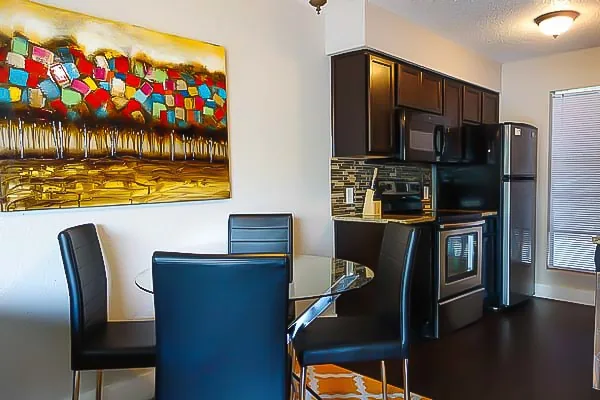
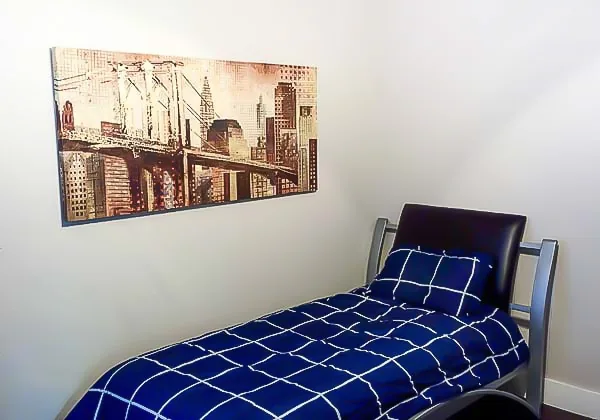
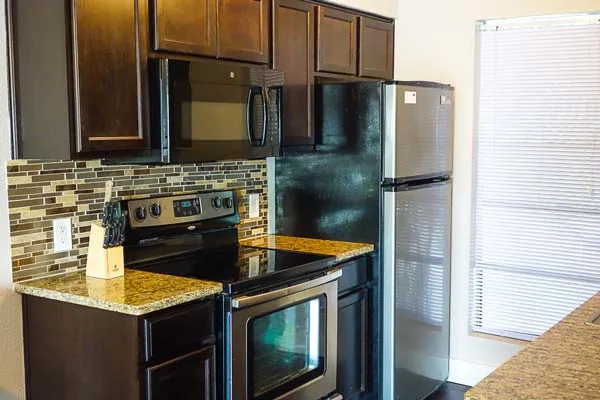
Price changes for practical reasons: the number of beds per room, what utilities are included, whether the home is furnished, and how much staff or program support is provided. A “best sober living houses” option for you is the one you can actually afford without constant financial crisis.
“Free sober living near me” and “free halfway houses near me” are harder. Truly free housing is rare because rent, utilities, and staffing still cost money. More often, people find one of these options:
- Short-term transitional housing tied to a public program
- Scholarship or sliding-scale beds that reduce the monthly cost
- Short-term assistance that lowers rent for a limited period
If you need help finding public starting points in Texas, the Texas Health and Human Services overview of mental health and substance use services can help you locate referral pathways.
To avoid surprises, ask these money questions before you move in:
- What is the total monthly cost, and what is included (utilities, internet, supplies)?
- Is there a deposit, and what are the refund rules?
- Are there extra fees for testing, late rent, or added services?
- Is there a minimum stay, and what happens if you need to leave early?
Be careful with any listing that promises “free” but will not answer basic questions about rules, safety, or costs. If something feels rushed or unclear, slow down and verify.
Men’s and women’s homes: choosing the right environment
Many people search for a male halfway house, a halfway house for men, or a mens sober house because they want a gender-specific environment. Others search for halfway houses for women near me, sober houses for women near me, or recovery homes for women because safety and comfort can be different needs.
In practice, sober living homes for women and sober living houses for women often emphasize privacy, boundaries, and a calm house culture. Men’s homes often emphasize structure, employment follow-through, and peer accountability. The right choice is the environment where you can be honest, consistent, and safe.
If you are comparing recovery homes near me for yourself or a loved one, ask questions that match your situation:
- Daily expectations: meetings, chores, curfew, and what “progress” looks like.
- Visitor policies: clear boundaries reduce drama and protect sobriety.
- Privacy needs: room layout, shared spaces, and how conflicts are handled.
- Relapse response: you want safety and a clear plan, not confusion.
For women looking at women’s recovery homes, also ask about boundaries around visitors, overnight guests, and how the home supports emotional safety. For men looking at a halfway house for men or a sober home, ask how the home supports work, routine, and accountability without turning into punishment.
If you are comparing sober living programs, look for alignment between the home’s rules and your outpatient plan, work schedule, and support network. A good match reduces friction and lowers risk.
How Eudaimonia Recovery Homes Supports Sober Living Homes Near Me in Austin, TX
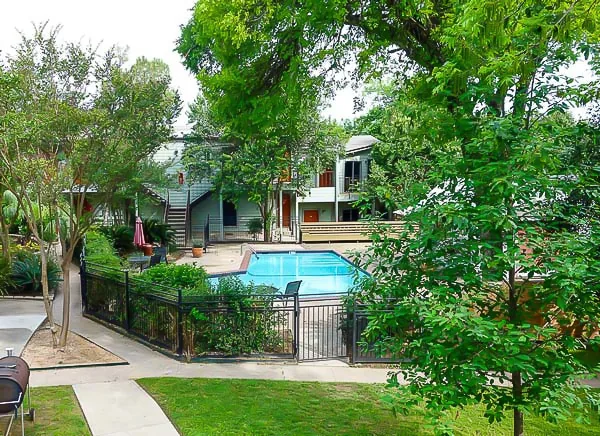
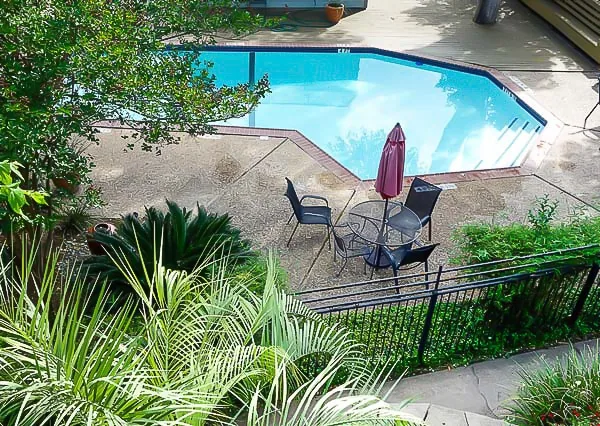
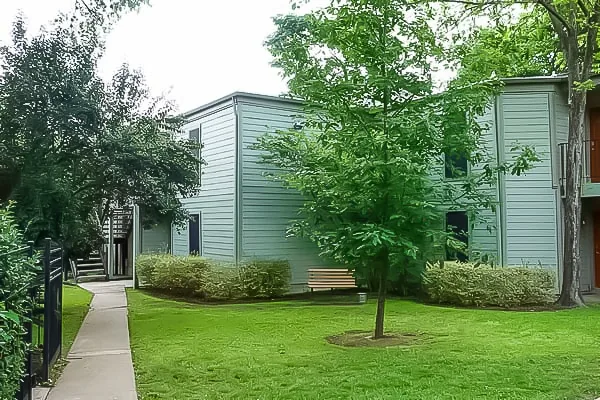
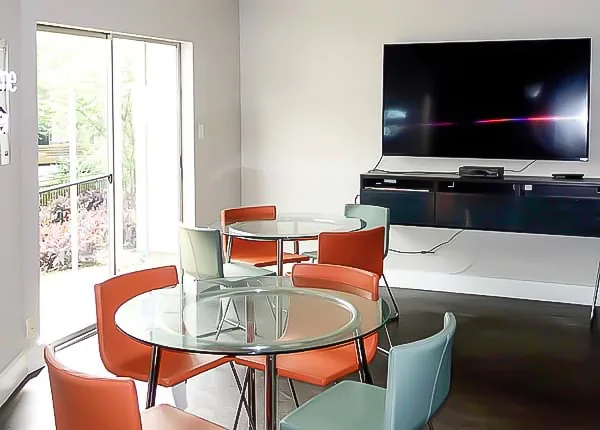
Eudaimonia Recovery Homes can help if you are searching for sober living homes near me in Austin, TX by offering a structured, recovery-focused living environment designed to support real-life stability. Their sober living model emphasizes accountability, clear house expectations, and a supportive community, which can reduce daily triggers and help residents stay consistent with healthy routines.
For many people, having a substance-free home with built-in structure makes it easier to follow through with work, outpatient treatment, and recovery meetings without feeling isolated. Eudaimonia also helps simplify the transition from treatment to independent living by providing a setting where residents can practice responsibility, communication, and relapse prevention skills in a real-world context.
If you are comparing options, their approach can be especially helpful for those who want a balance of freedom and guidance rather than an unstructured living situation. Because each person’s recovery needs are different, Eudaimonia’s team can help you determine whether the level of structure And expectations is the right fit for your current stage of recovery. This support can be valuable for people looking for sober living near me who need a stable place to rebuild confidence while staying connected to recovery. With a focus on safety, consistency, and community, Eudaimonia aims to create a living environment that supports long-term sobriety, not just short-term housing.
Your Future Is Waiting
Tell us what you are looking for and admissions will walk you through the houses, the phases, and what a room actually costs.


