
Published March 19, 2024 · Updated August 5, 2026
On This Page · 10 Sections

Returning To
Dallas
Table of contents
- Step 1: Commit to Your Sobriety Journey
- Step 2: Seek Professional Help and Support
- Step 3: Create a Sober Living Environment
- Step 4: Find a Supportive Community in Dallas, Texas
- Step 5: Build a Strong Relapse Prevention Plan
- Step 6: Embrace a Healthy Lifestyle
- Step 7: Continually Work on Self-Improvement
- Sober fun places to visit in Dallas, Texas
- Eudaimonia Can Help Keep You on the Path to Recovery
Overcoming addiction and achieving lasting sobriety is a challenging journey that requires a comprehensive plan and a strong support system. For individuals in Dallas, Texas, seeking a path to recovery, sober living homes offer a unique and effective solution.
Sober living homes provide a safe and supportive environment for people transitioning from treatment centers or seeking a substance-free lifestyle. In this blog, we will outline a step-by-step plan for lasting sobriety, exploring the power of sober living in Dallas, Texas, and the resources available to aid in the recovery process.
Step 1: Commit to Your Sobriety Journey
The first step to unlocking the power of sober living in Dallas, Texas, is to make a firm commitment to your sobriety journey. This means acknowledging that there is a problem and recognizing the need for change. Committing to sobriety requires a mindset shift and a willingness to do whatever it takes to overcome addiction.
Take some time to reflect on your reasons for wanting to achieve lasting sobriety. What are your motivations? Are there specific goals you hope to achieve? Write them down and keep them as a reminder of why you are choosing to embark on this journey.
It is also essential to surround yourself with a strong support system. This can include family, friends, or even support groups like Alcoholics Anonymous or Narcotics Anonymous. These individuals can provide encouragement, accountability, and guidance throughout your recovery.
Committing to your sobriety journey may not always be easy, but remember that you are not alone. Sober living homes in Dallas, Texas, offer safe and supportive environments to help individuals in their quest for lasting sobriety.
Step 2: Seek Professional Help and Support
Once you have made the commitment to your sobriety journey, the next step is to seek professional help and support. Overcoming addiction is a complex process that often requires guidance from trained professionals who specialize in addiction treatment.
In Dallas, Texas, there are many resources available to help individuals on their path to lasting sobriety. Start by researching reputable rehabilitation centers that offer comprehensive treatment programs. These programs typically include detoxification, therapy, counseling, and ongoing support.
It is crucial to find a treatment center that aligns with your specific needs and goals. Consider factors such as location, treatment approaches, and the amenities provided. Reach out to different centers and ask questions about their services and success rates. Remember, you deserve the highest quality care possible.
In addition to professional help, it is vital to seek support from others who have gone through similar experiences. Support groups, such as Alcoholics Anonymous or Narcotics Anonymous, can provide a safe space for you to share your struggles, gain insights from others, and receive encouragement.
Step 3: Create a Sober Living Environment
After seeking professional help and support, the next crucial step in your journey towards lasting sobriety is to create a sober living environment. Removing yourself from situations and influences that may trigger cravings or temptations is vital for maintaining your sobriety.
Start by assessing your current living situation and identifying any potential triggers or negative influences. If you live with roommates who engage in substance abuse or if your home is filled with reminders of your past addiction, it may be time to consider a change. It could involve moving to a new location or finding a sober living community that provides a supportive and drug-free environment.
In Dallas, Texas, there are numerous sober living homes and supportive communities specifically designed for individuals in recovery. These environments offer structured living arrangements, accountability, and a supportive community of individuals on a similar path. Research different sober living options in your area and find one that aligns with your needs and values.
Creating a sober living environment also means surrounding yourself with positive influences. Seek out new friendships and connections with individuals who support and encourage your sobriety. Your support system plays a crucial role in your ongoing recovery.
Step 4: Find a Supportive Community in Dallas, Texas
While creating a sober living environment is crucial, finding a supportive community can greatly enhance your journey towards lasting sobriety. Surrounding yourself with like-minded individuals who understand the challenges of recovery can provide you with the necessary support, guidance, and accountability.
In Dallas, Texas, there are various organizations, support groups, and recovery communities dedicated to helping individuals stay sober. These communities offer a safe space where you can share your experiences, seek advice, and gain insights from others who have walked a similar path.
Consider joining a local support group, such as Alcoholics Anonymous (AA) or Narcotics Anonymous (NA), where you can connect with others in recovery and attend regular meetings. These groups provide a platform for open discussions, sponsorship opportunities, and valuable resources to assist you on your journey.
Additionally, community centers and non-profit organizations often host events and workshops that focus on sobriety and personal development. Participating in these activities can introduce you to new people who share your commitment to sobriety.
Building a supportive community also extends to your friends and family. Informing them about your journey towards lasting sobriety and seeking their support can strengthen your relationships and provide you with a strong network of cheerleaders.
Step 5: Build a Strong Relapse Prevention Plan
A relapse prevention plan involves identifying potential triggers, developing coping strategies, and creating a support network that will help you navigate challenging situations. It is crucial to be proactive and prepared for any temptation or stress that may arise.
Start by identifying the triggers that may lead to relapse. These triggers could be certain environments, people, emotions, or even specific times of the day. Once identified, create a plan to avoid or manage these triggers effectively.
Next, develop healthy coping mechanisms to replace old, destructive habits. This could include engaging in regular physical exercise, picking up new hobbies or interests, practicing mindfulness techniques, or seeking professional therapy. Find what works best for you and incorporate these activities into your daily routine.
Lastly, surround yourself with a strong support network. This could include your sober living community, supportive friends and family members, mentors, or even a sponsor from your support group. Having people who understand your journey and offer guidance and accountability can significantly reduce the risk of relapse.
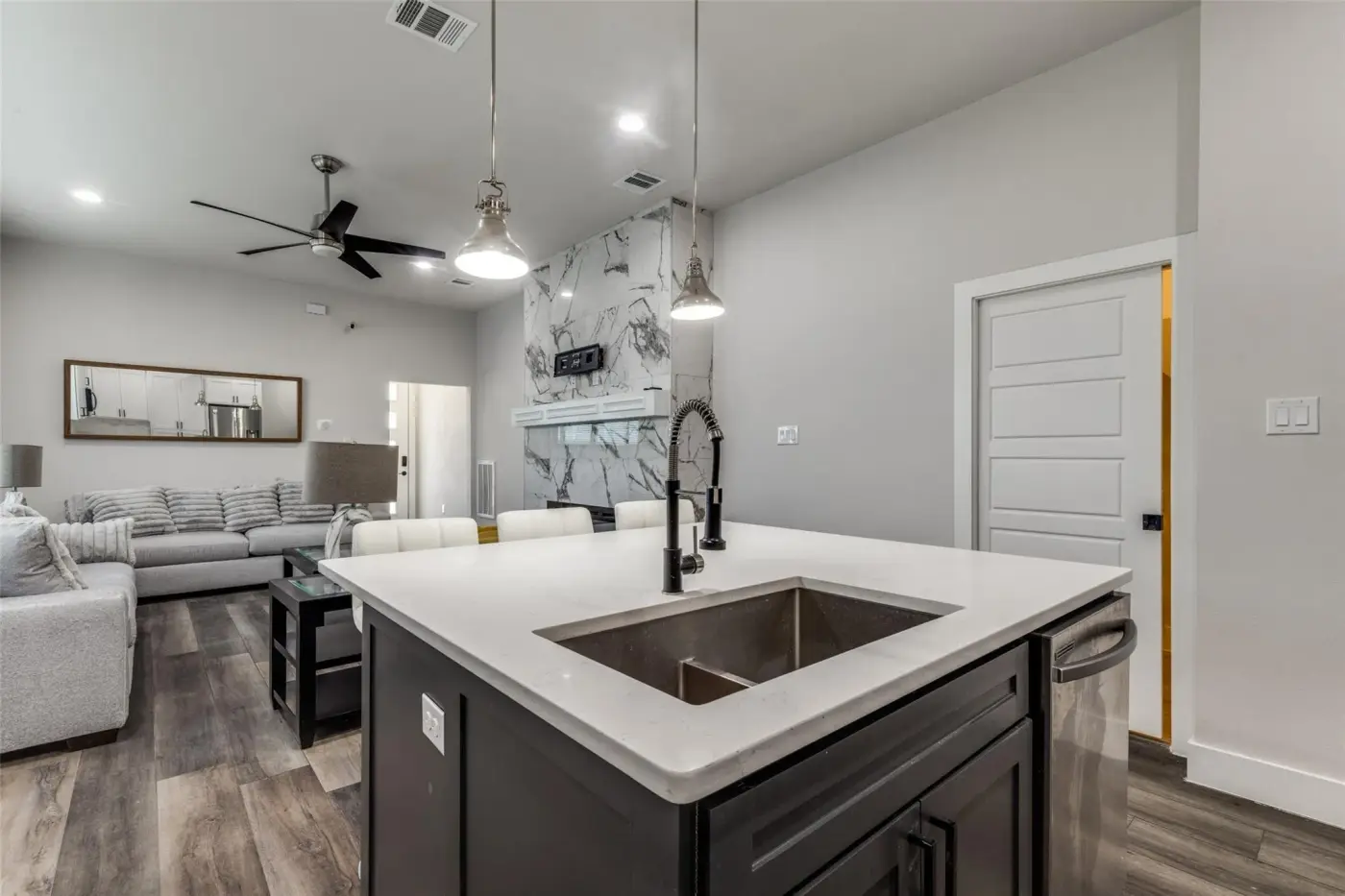
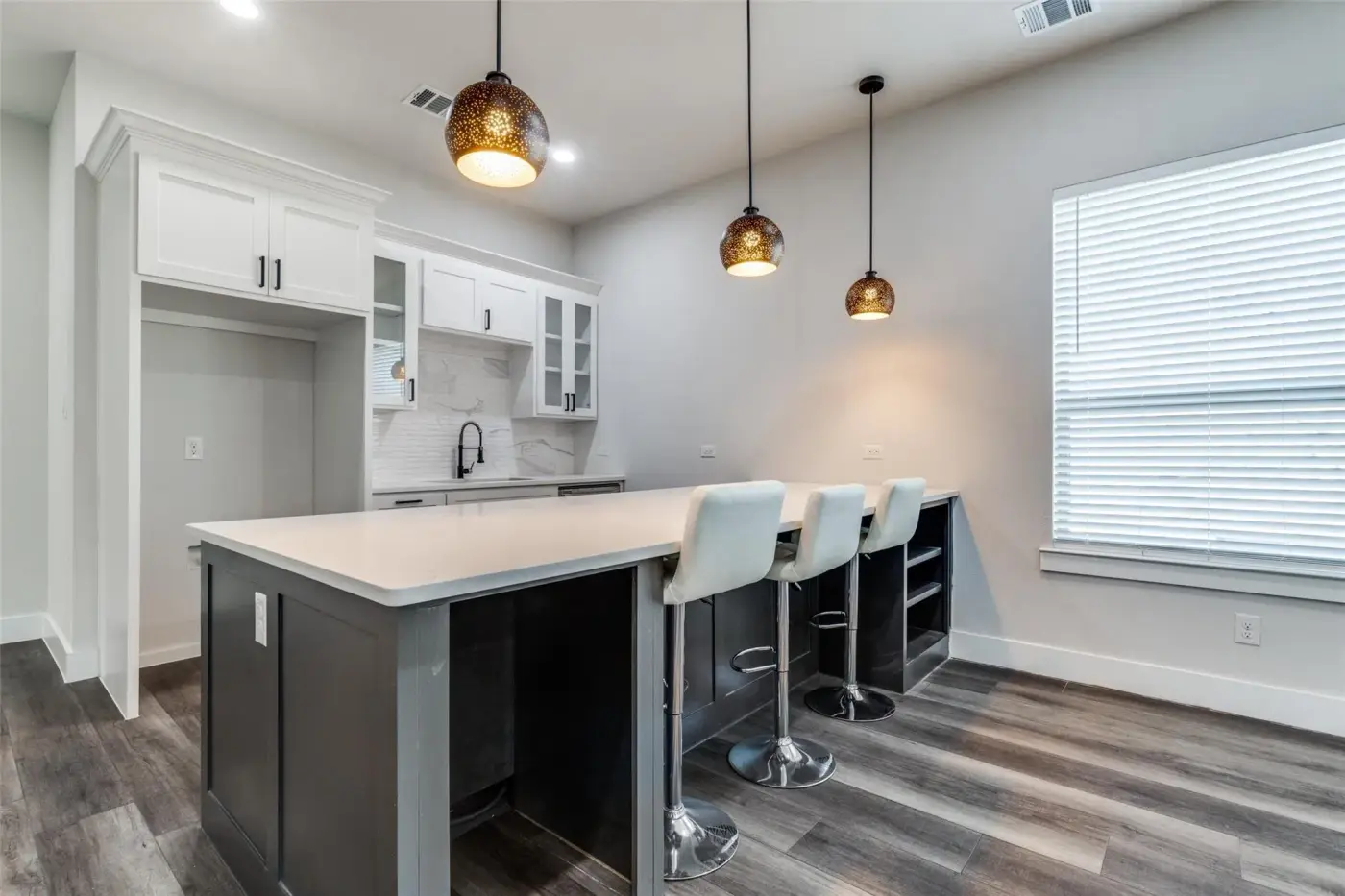
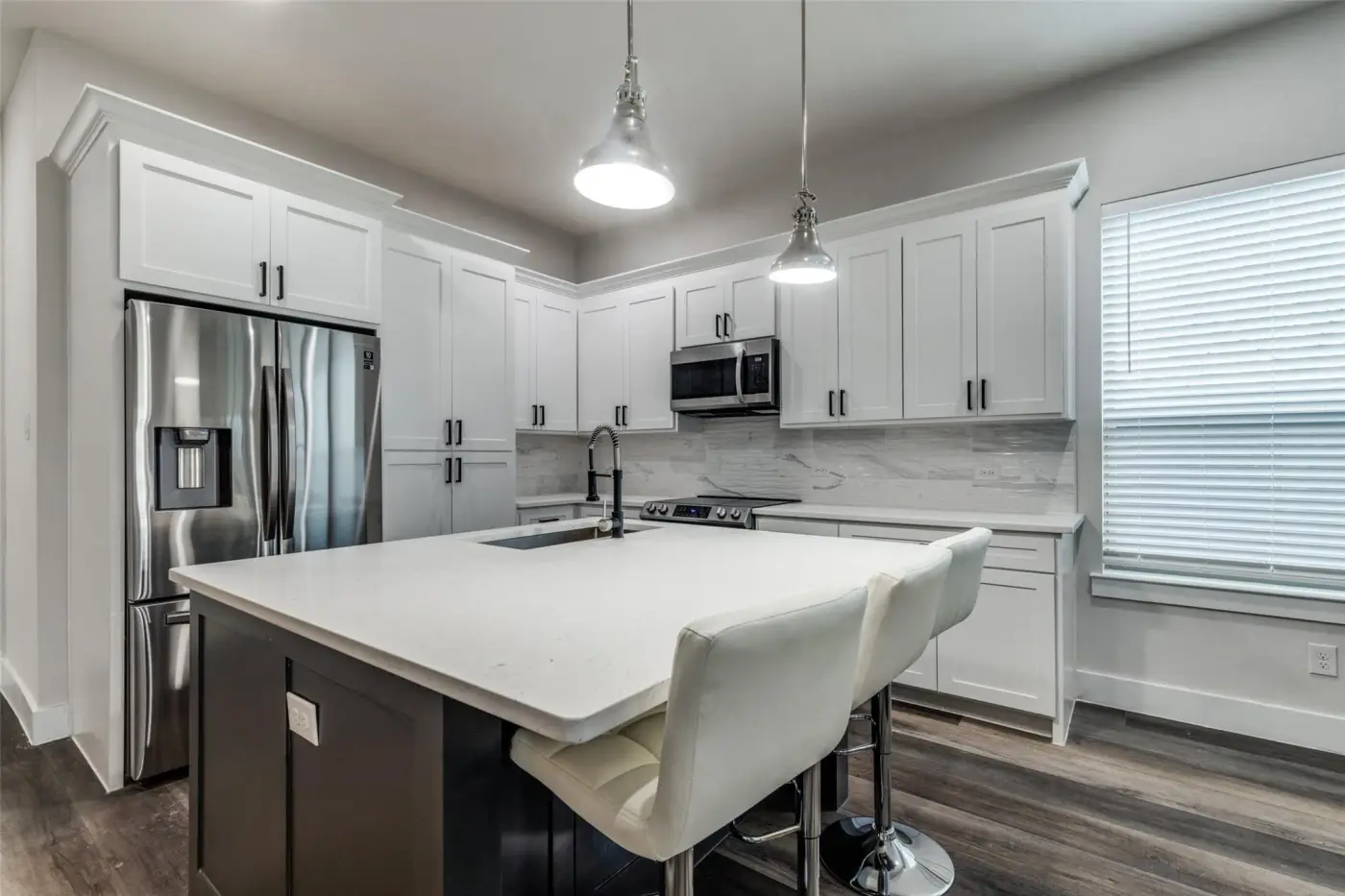
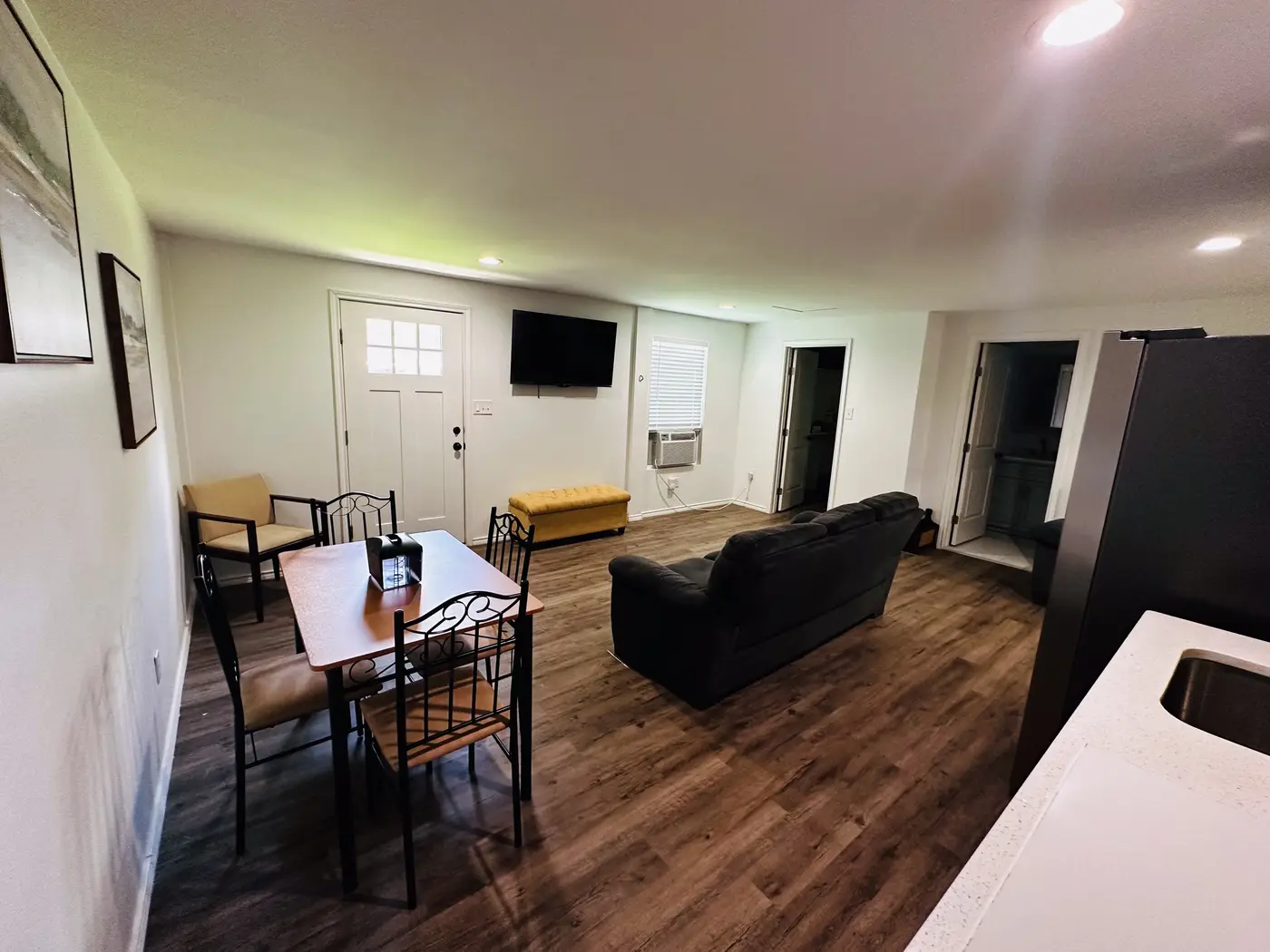
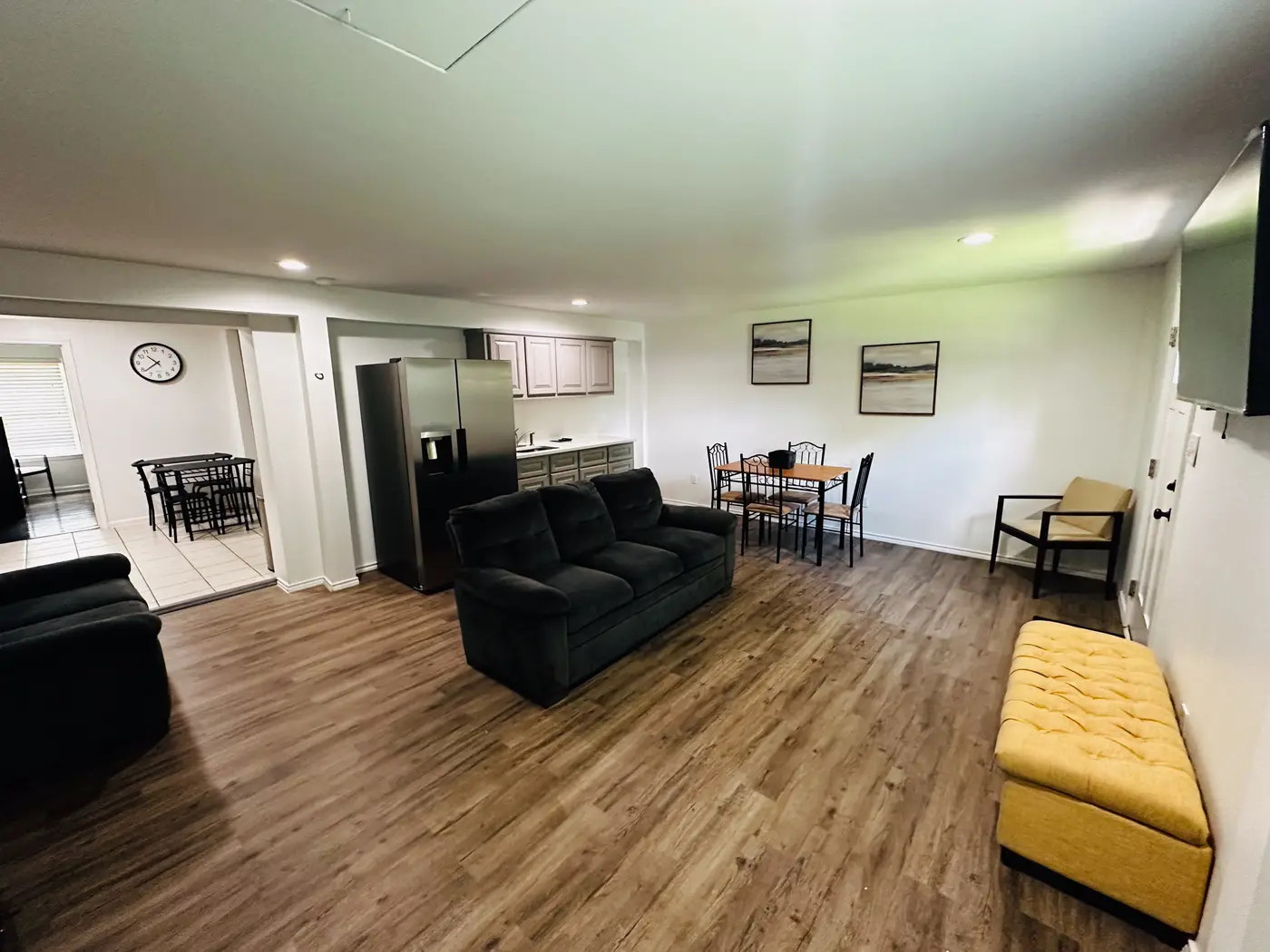
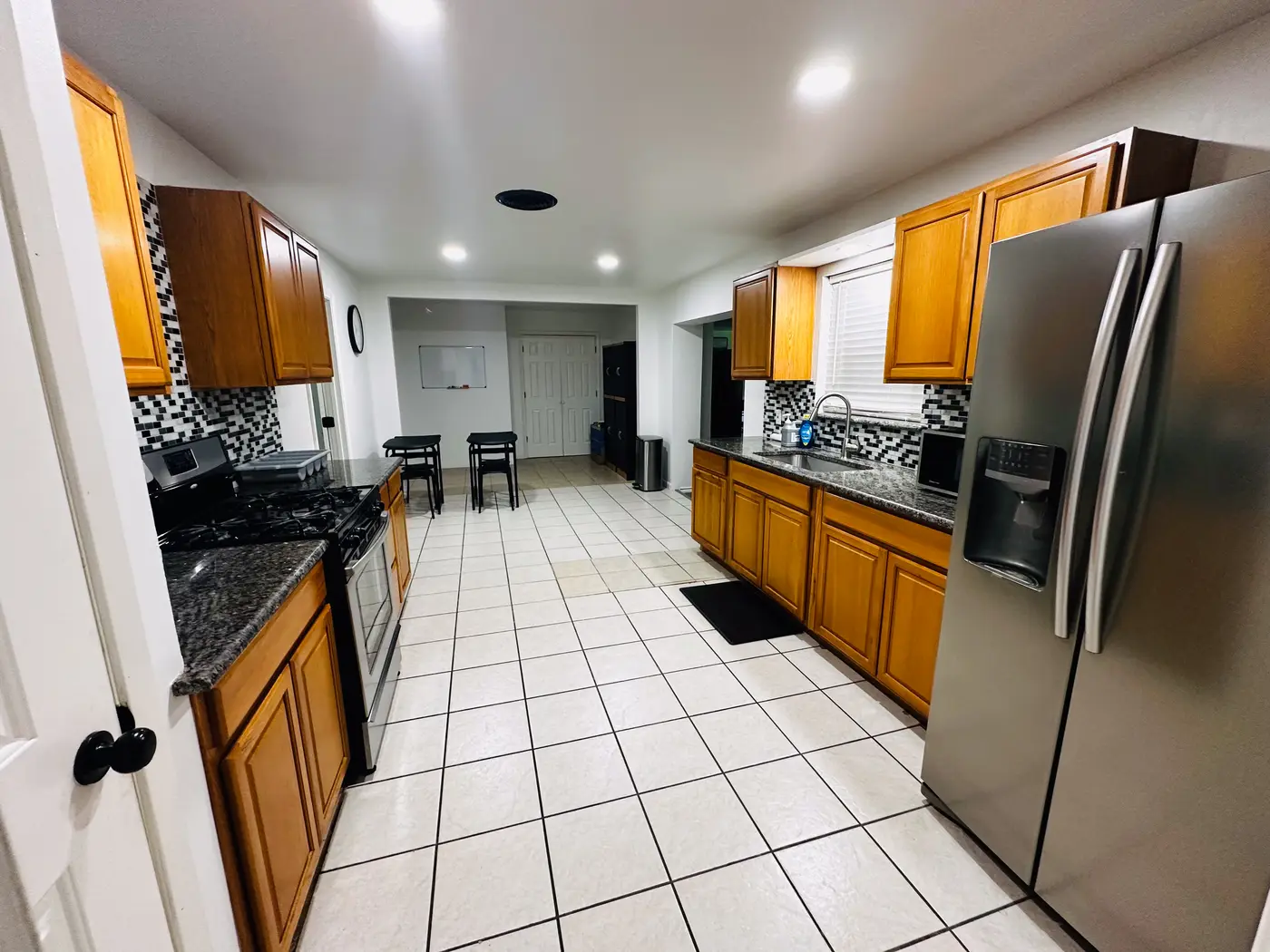
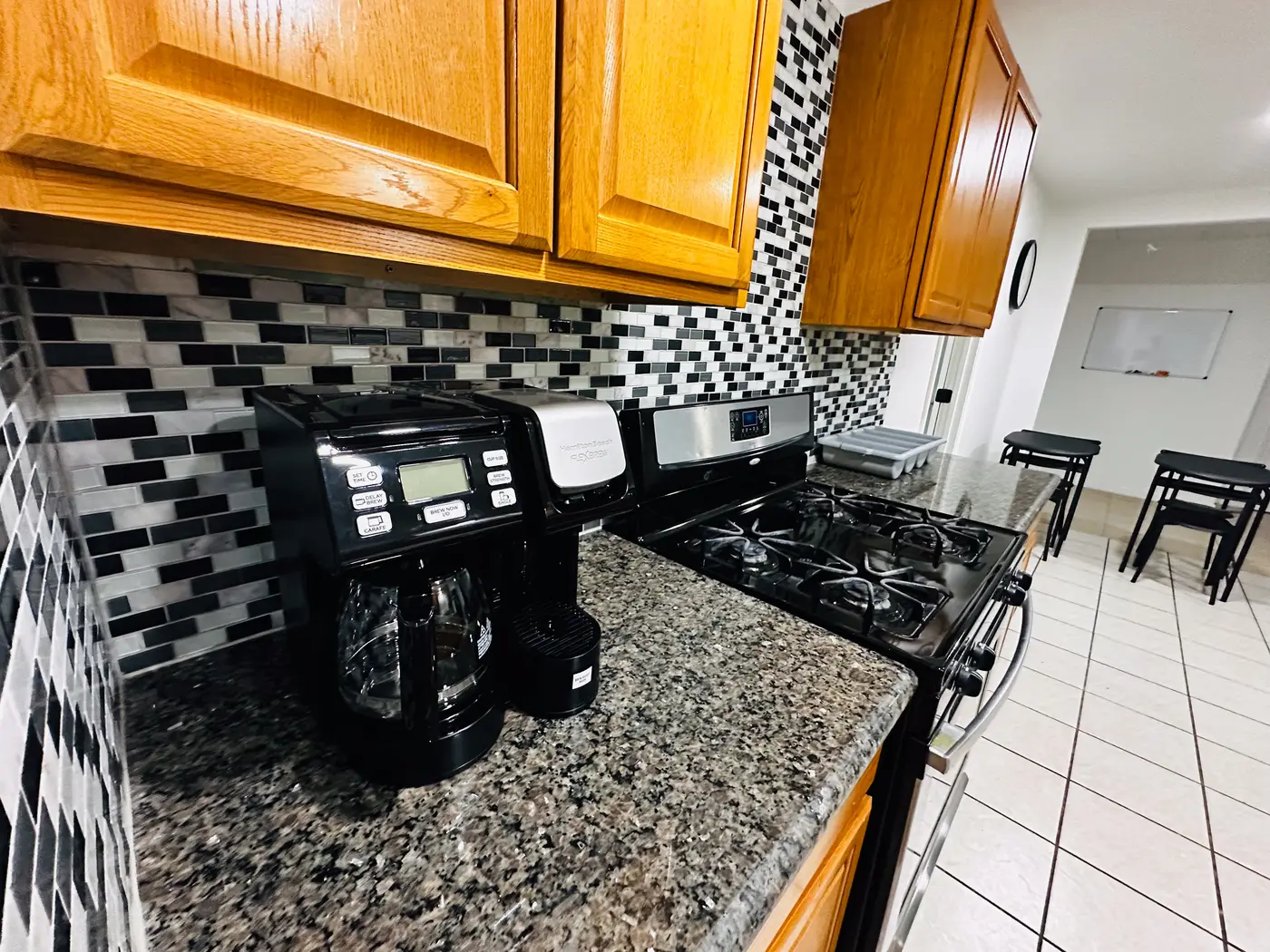
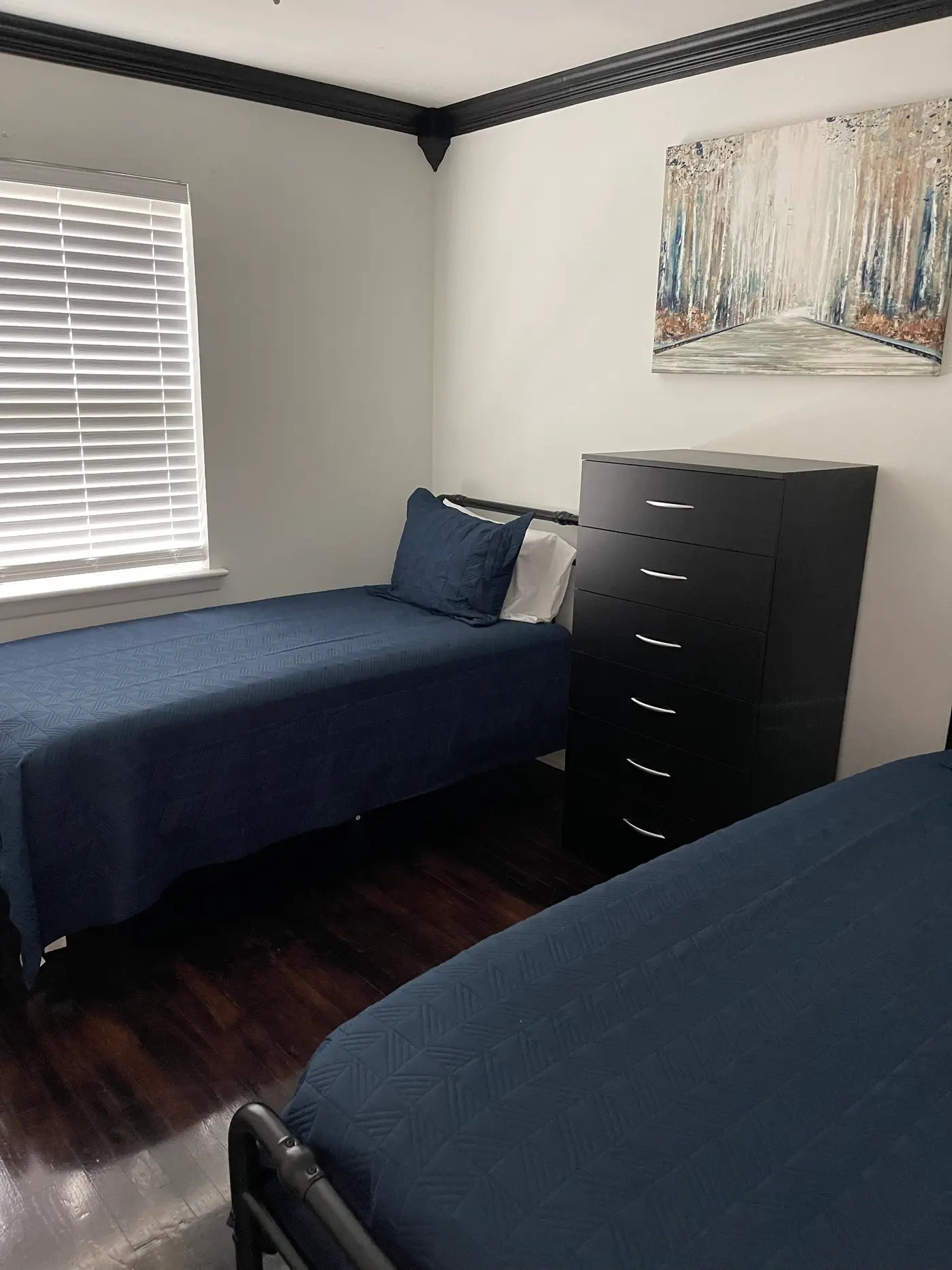
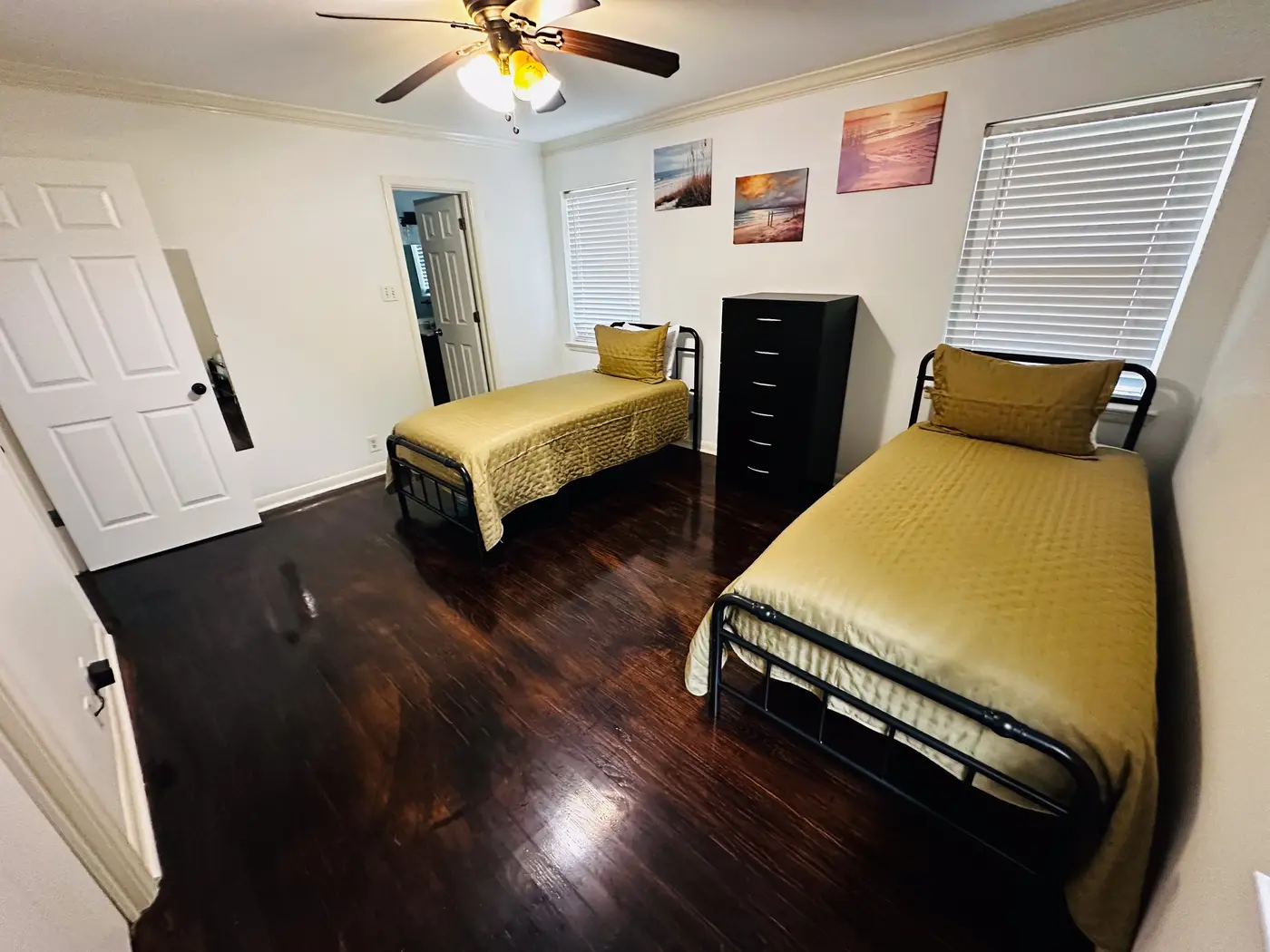
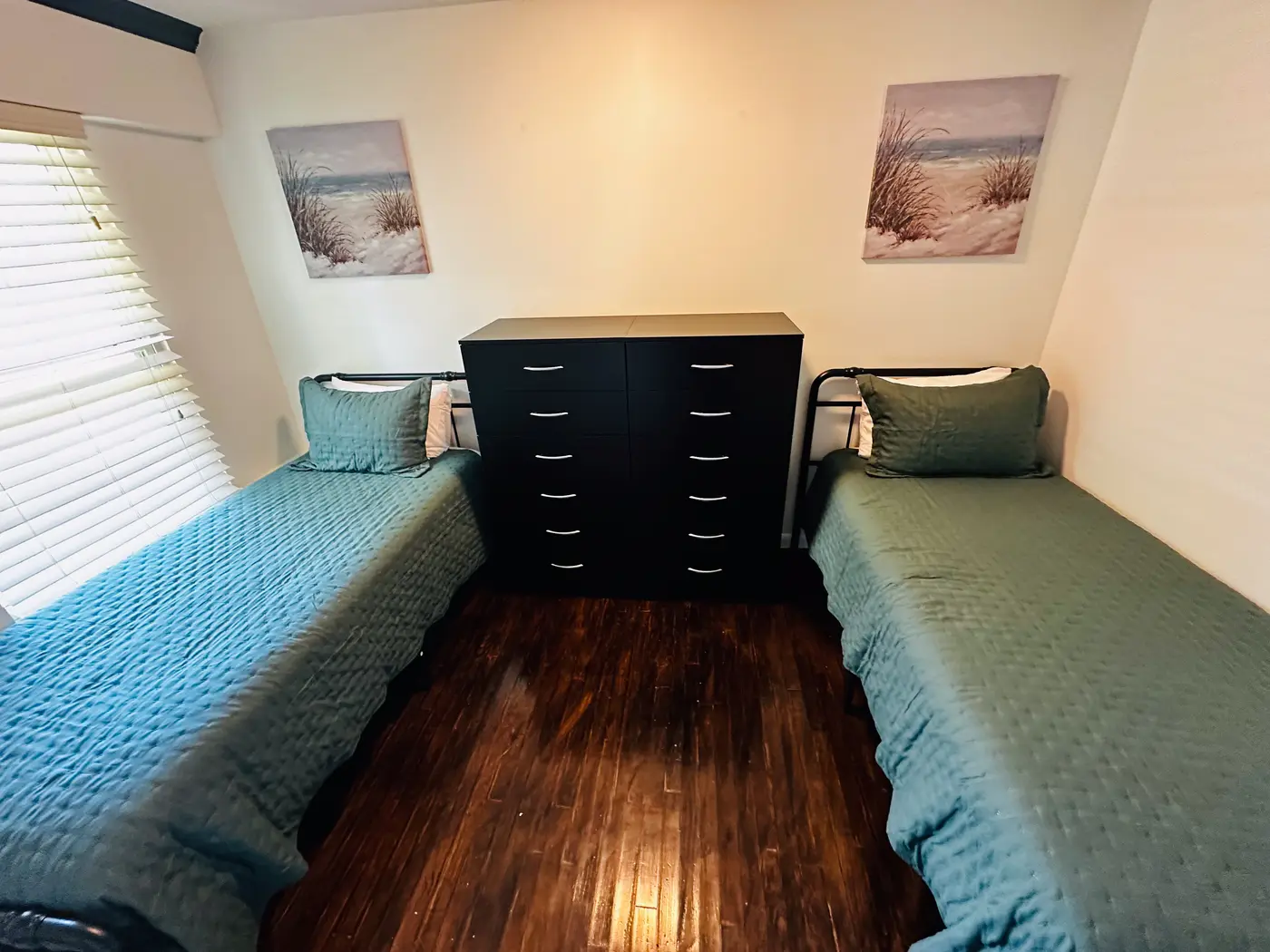
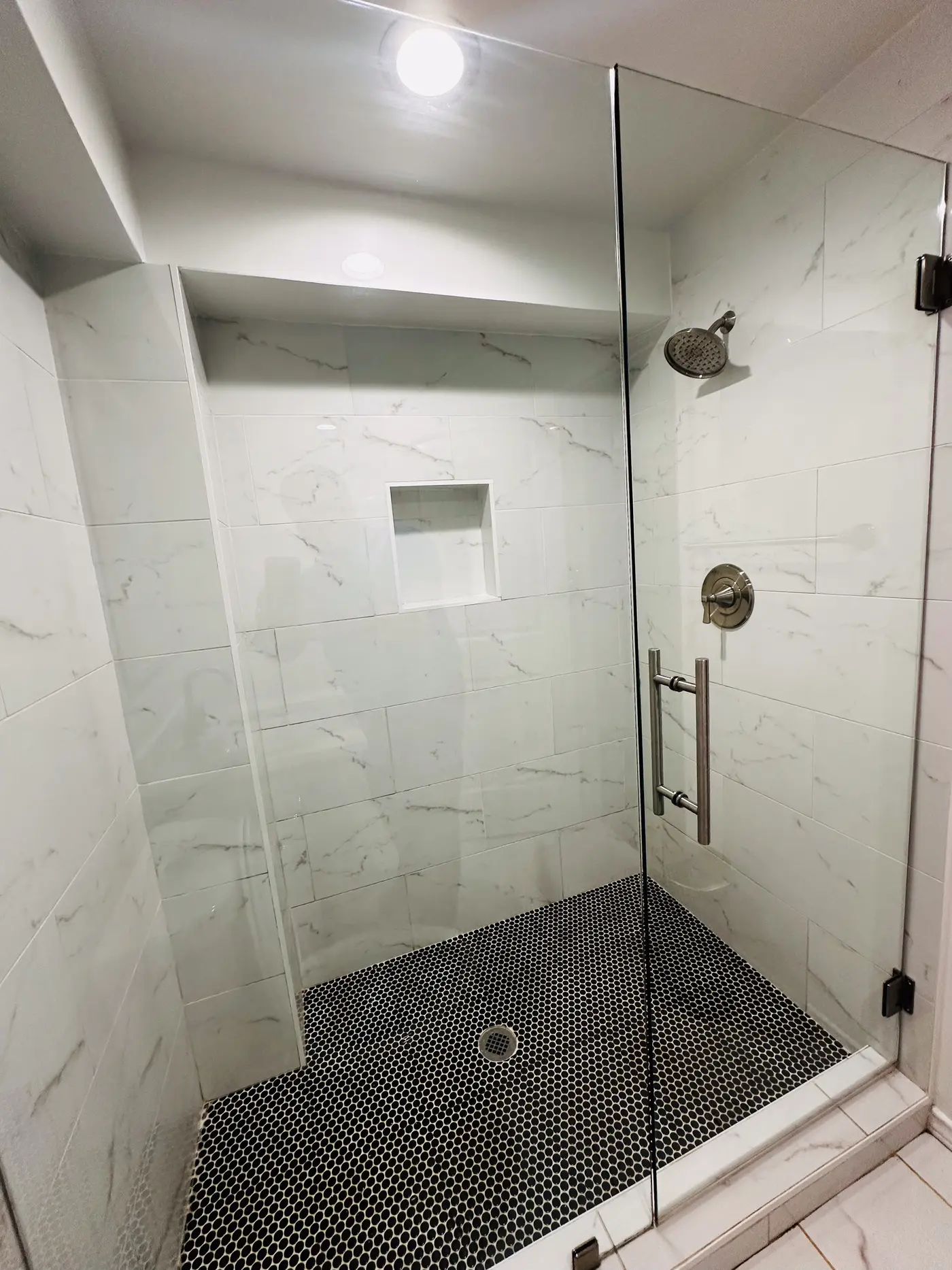
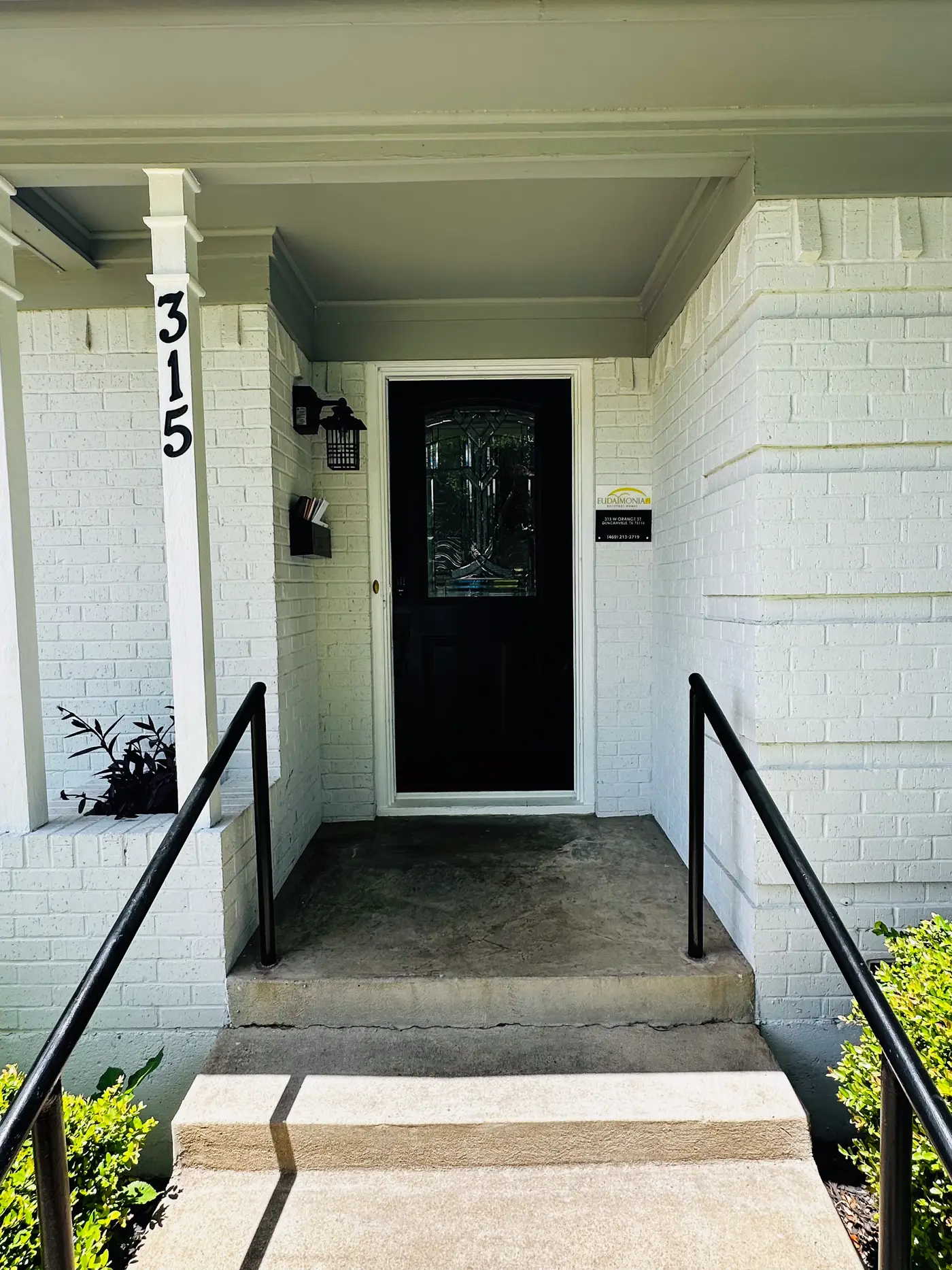
Inside the Dallas homes











Step 6: Embrace a Healthy Lifestyle
A healthy lifestyle involves caring for your physical, mental, and emotional well-being. Start by focusing on nutrition and exercise. Eating a balanced diet and engaging in regular physical activity can have a significant impact on your overall well-being. Consult with a healthcare professional or nutritionist to create a meal plan that suits your needs and supports your recovery.
In addition to taking care of your physical health, it’s essential to prioritize your mental and emotional well-being. This can be achieved through practices such as meditation, journaling, therapy, or engaging in activities that bring you joy and peace. Remember that self-care is not selfish; it is a necessary part of your recovery journey.
Lastly, surround yourself with a positive and supportive environment. Seek out like-minded individuals who share your commitment to sobriety, whether it be through support groups, sober living communities, or other recovery-focused organizations. Building a strong support network will help you stay motivated and connected.
Step 7: Continually Work on Self-Improvement
Self-improvement encompasses various aspects, including personal growth, self-awareness, and setting and achieving goals. To begin this step, take some time to reflect on your strengths and areas for improvement. Self-reflection will provide you with valuable insights and help you identify the areas where you want to focus your efforts.
One effective way to work on self-improvement is through education and learning. Explore new knowledge and skills that align with your interests and passions. This could involve enrolling in courses, attending workshops or seminars, or even pursuing a new hobby. By expanding your knowledge and honing your skills, you can boost your confidence and find fulfillment in your sobriety journey.
Another crucial aspect of self-improvement is setting goals. Set realistic and achievable goals that align with your long-term vision for a fulfilling life in recovery. Break down these larger goals into smaller, manageable steps and celebrate your achievements along the way. Remember, progress, no matter how small, is still progress.
Additionally, seeking therapy or counseling can be incredibly beneficial for personal growth. A professional therapist or counselor can provide guidance, support, and tools to navigate through any challenges or emotional issues that may arise during your sober living journey. Consider incorporating therapy as a regular part of your self-improvement routine.
Lastly, surround yourself with positive and motivated individuals who inspire you to grow and thrive. Cultivating meaningful relationships based on trust, respect, and shared values will enhance your recovery experience. Engage in sober activities, join recovery-focused groups, and participate in community events to expand your support network.
Sober fun places to visit in Dallas, Texas
Now that you have made significant progress on your journey towards lasting sobriety, it’s time to start exploring the vibrant city of Dallas, Texas and all the sober fun it has to offer. Engaging in enjoyable activities and building a fulfilling social life can greatly enhance your sober living experience.
Dallas is home to a wide range of recreational and cultural attractions that cater to people in recovery. Whether you are interested in arts, history, nature, or sports, there is something for everyone.
One popular destination is the Dallas Museum of Art, where you can immerse yourself in world-class art exhibits and gain a deeper appreciation for culture. You can also visit the Perot Museum of Nature and Science, which offers interactive exhibits and hands-on learning experiences.
For those who enjoy outdoor activities, Dallas has several parks and nature trails that provide peaceful and serene environments for relaxation. The Katy Trail and the Trinity River Audubon Center are just a couple of examples of the many options available.
If you are a sports enthusiast, you can catch a game and cheer on the local teams at the AT&T Stadium or the American Airlines Center. Being part of the electric atmosphere of a live sporting event can be a thrilling experience that will leave you with lasting memories.
In addition to these attractions, Dallas boasts a vibrant sober community with numerous events and gatherings specifically designed for individuals in recovery. From sober parties and concerts to recovery-focused workshops and retreats, you will have plenty of opportunities to socialize, connect with others, and have fun without the need for alcohol or drugs.
Eudaimonia Can Help Keep You on the Path to Recovery
Eudaimonia offers excellent recovery programs with tailored care. In these programs, individuals can develop positive coping skills with the tools necessary to maintain sobriety. Eudaimonia even provides tailored care based on gender and orientation. We also include supervised, short-term housing to provide support for newly sober individuals.
But no matter where you are in your recovery, Eudaimonia Sober Living Homes can provide support every step of the way. We have facilities for sober living in Austin, Houston, and Colorado Springs ready to assist you in living your sober lifestyle. Call Eudaimonia Sober Living Homes at (713) 818-2361 for more information on the admissions process and current room availability.


