

Published February 21, 2026 · Updated February 16, 2026
Key Takeaways
- AA and the 12 Steps in plain termsQuick definitions so the program language feels understandable.
- The 12 Steps simplified into 4 phasesA simple map that shows how the Steps flow without overwhelm.
- A beginner-friendly way to start step workA practical plan for meetings, writing, and daily actions.
- Common sticking points (and how to handle them)Plain answers to the questions that often stall newcomers.
- How sober living and IOP can support your stepsHow structure and clinical support can reinforce AA participation.
On This Page · 16 Sections
If you are searching for “12 steps simplified” or even “Alcoholics Anonymous for dummies”, you are usually asking for the same thing: a clear, no-shame map of how AA works in real life.
The Twelve Steps can look intimidating on paper, especially in early sobriety when your focus is limited and emotions run hot.
This guide stays intentionally simple, so you can use it even when life feels messy. Instead of reprinting and re-explaining every single Step (which you can find in AA literature), we focus on what the Steps are trying to do: build stability, increase self-awareness, repair what you can, and keep growing with support.
Important: This is educational information, not medical or mental health advice. If you are in withdrawal, feel unsafe, or have thoughts of self-harm, seek urgent help right away.
AA and the 12 Steps in plain terms
Alcoholics Anonymous (AA) is a peer-led mutual support fellowship. Most meetings are free, anonymous, and run by members rather than clinicians, which keeps the focus on lived experience and accountability.
The National Institute on Alcohol Abuse and Alcoholism (NIAAA) describes AA as the most common mutual-support group and notes that regular attendance and active involvement can support change. NIAAA: Mutual support groups.
- The 12 Steps: a sequence of suggested actions many members use to support sobriety and personal change.
- Step work: applying the Steps with support, usually through meetings, reflection, and sponsor guidance.
- Sponsor: an experienced peer who offers structure, perspective, and practical accountability between meetings.
- Home group: one meeting you attend consistently, where relationships and responsibility build over time.
- “One day at a time”: a coping skill and planning tool that keeps recovery focused on the next 24 hours.
If you are new, it helps to start with simple next actions, then add complexity later. For a beginner roadmap, see how to join AA after your first meeting.
The 12 Steps simplified into 4 phases
Here is a plain-language way to understand the flow of the Steps without getting lost in formal wording. Think of the Twelve Steps as four phases of change, and expect some movement back and forth as stress, relationships, and life events shift.
- Phase 1 (Steps 1–3): Stabilize and accept reality
Goal: stop negotiating with the evidence, stop doing it alone, and choose a recovery direction. - Phase 2 (Steps 4–7): Identify patterns and prepare for change
Goal: name what drives your reactions, then practice willingness instead of denial. - Phase 3 (Steps 8–9): Repair relationships where it is safe and appropriate
Goal: clean up your side of the street without creating new harm. - Phase 4 (Steps 10–12): Maintain progress and stay connected
Goal: keep your inner life current, keep learning, and help others as you are able.
This four-phase view lowers panic and reduces perfectionism. You are not “behind” if you are still building stability, because early recovery is often about doing fewer things consistently, with more support.
Eudaimonia's Success Stories – Real People, Real Freedom
A beginner-friendly way to start step work
When people stop drinking, they often want a fast reset: new sleep, new confidence, and repaired relationships overnight. Step work is slower, but it is usually sturdier because it builds repeatable routines instead of short bursts of motivation.
The goal is not to “finish” the Steps once and move on. The goal is to practice a way of living that makes relapse less likely and relationships more workable.
Start with a 2-week foundation plan
- Pick 3–5 meetings per week and put them on your calendar like appointments.
- Show up early and stay a few minutes after so you can meet people without pressure.
- Listen for similarity, not differences because connection is built through shared patterns.
- Write for 10 minutes a day about what you felt, what you avoided, and what you need today.
- Choose one small action that matches recovery: a call, a meal, a walk, or sleep.
If meetings feel confusing, a quick overview of formats can help you relax and focus. See the AA meeting format guide for what people typically do in the room.
Use “micro-step work” between meetings
You do not need a perfect workbook to start, and you do not need to write for hours. A simple daily check-in can turn the Steps into behavior change:
- Notice: what emotion is driving me right now.
- Name: what story am I telling myself about this situation.
- Need: what do I actually need (rest, support, boundaries, honesty).
- Next: what is one right action I can take in the next hour.
This approach matches how many people use Step 10 maintenance: quick honesty, quick repair, and a quick return to values. If you want a practical daily routine for that maintenance phase, read Step 10 inventory in AA: using it in sober living and IOP.
In treatment settings, you may also hear about Twelve-Step Facilitation (TSF), a structured counseling approach designed to encourage participation in mutual support programs like AA. TSF was studied in Project MATCH, a large NIAAA-sponsored research effort. NIAAA: Project MATCH monograph series.
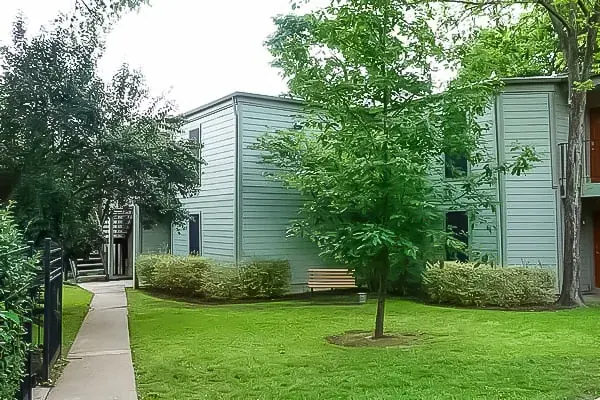
Inside Rustic Creek, our Austin flagship







Common sticking points (and how to handle them)
Many newcomers do not leave AA because they “hate the Steps.” They leave because a few phrases feel loaded, confusing, or emotionally unsafe, especially during early recovery when shame is already loud.
“Do I have to be religious?”
No. AA uses spiritual language, but many people interpret it broadly or in a personal way. In day-to-day practice, Step work often means admitting limits, asking for guidance, and choosing principles over impulses. If you want a simple Step 11 style morning routine that can be spiritual or secular, see AA morning prayer: a simple daily practice for sobriety.
“What does ‘powerless’ mean?”
In plain terms, it often means this: once I start drinking, I lose reliable control over how much I drink and what happens next. It does not mean you are helpless in every area of life, and it does not remove your responsibility for choices.
“What if I am not ready for inventory or amends?”
That is common. Inventory and amends can touch trauma, fear, and legal or safety concerns. A steady sponsor and a clinician can help you move at a pace that is honest, trauma-informed, and safe, and Step 9 guidance emphasizes avoiding actions that could injure others.
“What if I relapse?”
Relapse is not a moral failure. It can be a signal that support, structure, or coping skills were not strong enough for the stress you were facing, which means the plan needs adjustment rather than shame.
If you are dealing with intense anxiety, depression, or trauma symptoms, it can help to add professional care alongside meetings. Evidence reviews describe how peer support can improve social functioning and recovery engagement, especially when it is consistent and connected to other supports. PubMed Central: benefits of peer support groups.
How sober living and IOP can support your steps
For many people, the hard part of the Steps is not understanding them. The hard part is repeating them when life gets busy, painful, or unpredictable, so your environment and schedule start to matter.
- Sober living can support step work by adding routine, accountability, and a substance-free place to reset after meetings. Learn how structured housing works at Eudaimonia sober living.
- Intensive outpatient (IOP) can support step work by adding therapy, skill-building, and clinical oversight while you stay connected to daily responsibilities. See how an IOP schedule can fit alongside meetings at Eudaimonia’s intensive outpatient program.
A practical way to combine them is to treat AA as your community and accountability, and IOP or therapy as your clinical skill-building. When those pieces work together, the Steps become less abstract and more like daily recovery training.
If you want the shortest version of this article, remember this: show up, tell the truth, take one right action, and stay connected. Over time, that is what “12 steps simplified” looks like in real life.
How Eudaimonia Recovery Homes Supports 12 Steps Simplified in Real-World Recovery
Eudaimonia Recovery Homes can help individuals who are exploring the concept of 12 steps simplified by providing the structure and accountability needed to consistently apply step work in daily life. While AA meetings offer peer support and shared experience, many people benefit from a stable living environment that reinforces recovery habits outside the meeting room.
Sober living homes create a substance-free space where residents can attend meetings regularly, connect with sponsors, and practice the principles behind the 12 Steps without constant exposure to triggers. In addition, residents are surrounded by others who are also working through early sobriety, which helps normalize challenges and reduce isolation. For those who need more structured support, intensive outpatient programming can complement step work with therapy, coping skills training, and relapse prevention planning.
This combined approach allows individuals to move beyond simply understanding the 12 steps simplified and begin living them in practical, sustainable ways. By integrating community, accountability, and clinical support, Eudaimonia Recovery Homes helps bridge the gap between attending meetings and building long-term recovery stability.
Your Future Is Waiting
Tell us what you are looking for and admissions will walk you through the houses, the phases, and what a room actually costs.